
Cervical Erosion: Causes, Signs, Diagnosis & Management
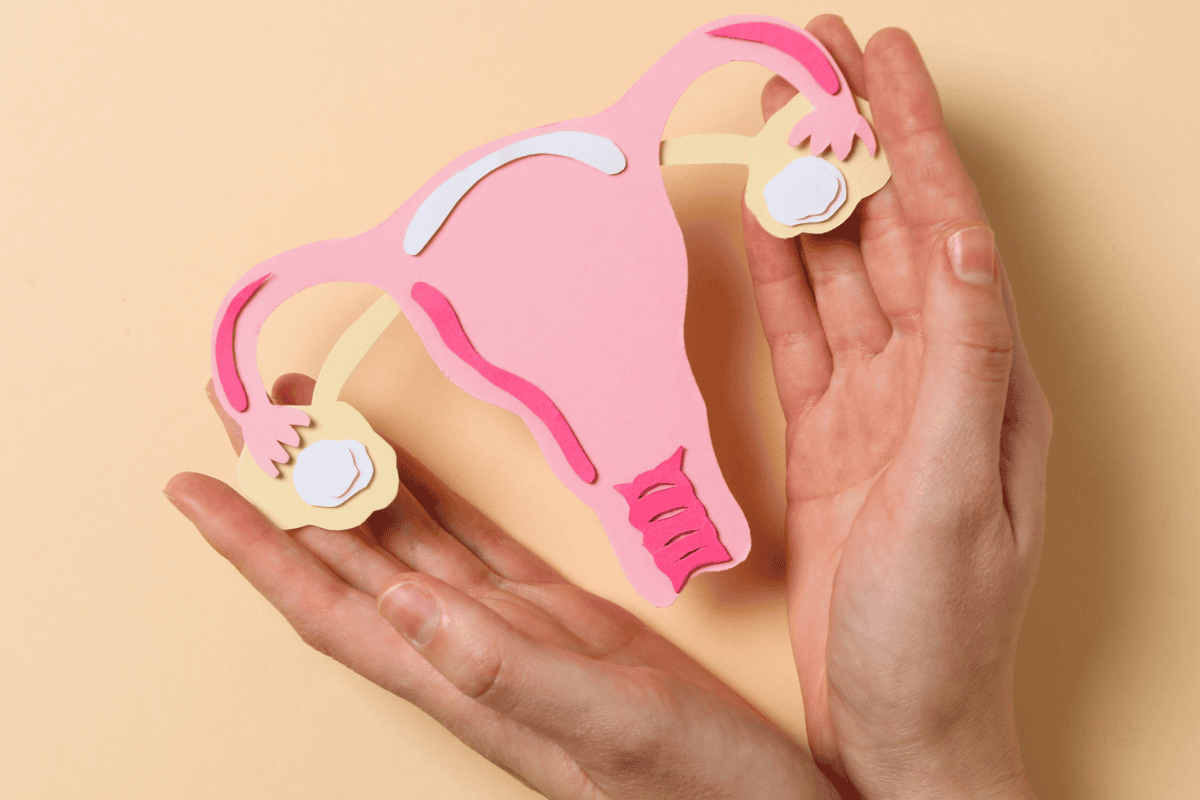
On this page
You don’t usually Google cervical erosion unless something feels off, maybe unusual discharge, discomfort, or a worry that won’t go away. The term itself sounds alarming, but it’s often misunderstood.
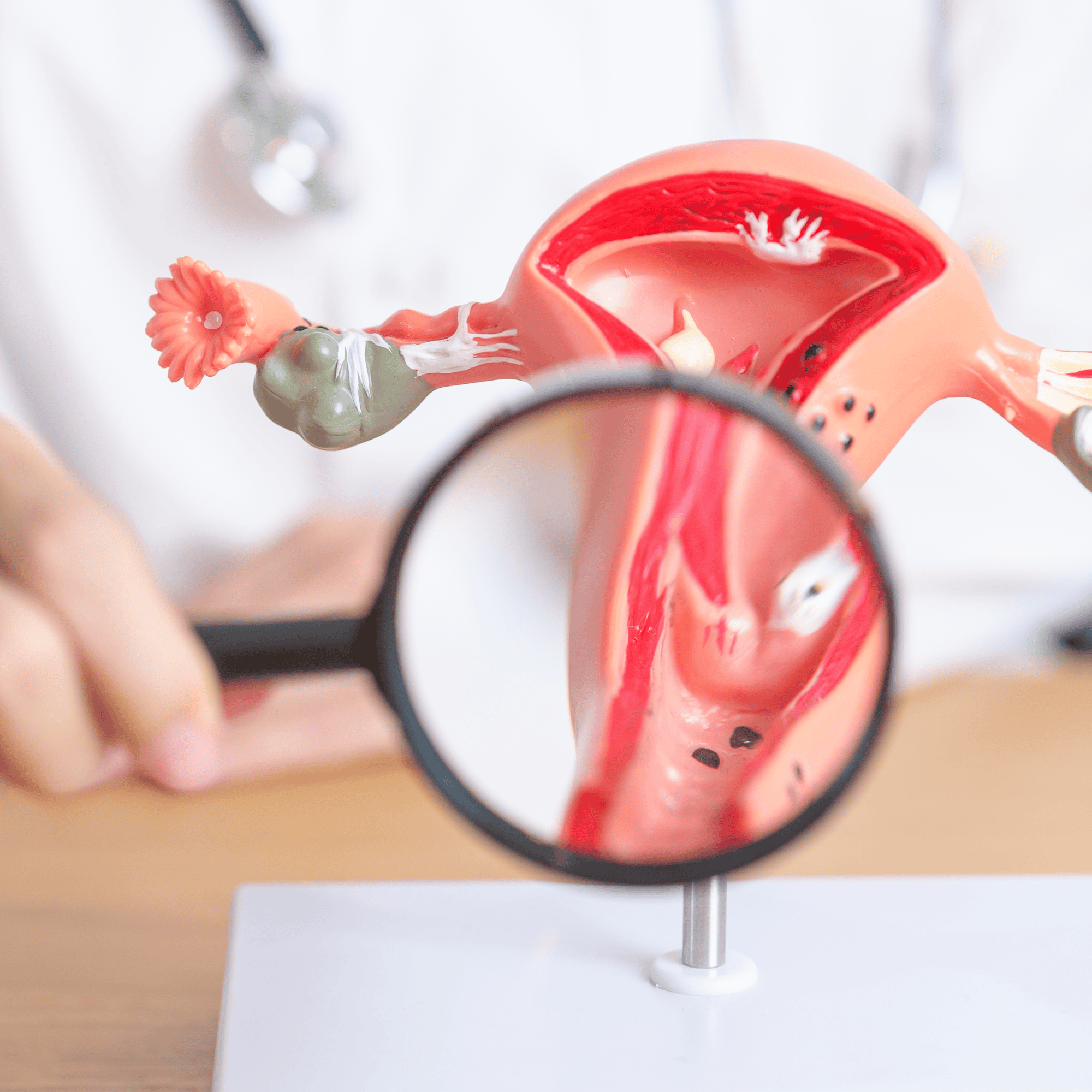
Simply put, the cervical erosion definition refers to when the soft cells inside your cervix spread to its outer surface, a common and mostly harmless condition. Still, it’s natural to wonder if this affliction could mean cervical erosion cancer, or something more seriou
In this piece, we’ll break down what this condition really means, its possible causes, symptoms to look out for, and the treatment options available to help you feel at ease.
What is cervical erosion?
Before worrying about big medical terms, let’s understand the cervical erosion meaning in simple words. It occurs when the delicate inner lining of your cervix (the neck of the uterus) spreads outward, causing the surface to appear red and raw.
Though it sounds serious, it’s usually harmless and quite common - studies suggest nearly 17–50% of women of reproductive age experience it at some point.
There are different cervical erosion types, depending on how much of the cervix is affected:
There are different cervical erosion types, depending on how much of the cervix is affected:
- MildA Small portion of the cervix is affected, often symptomless.
- ModerateA larger surface area is exposed, which may cause mild discharge or bleeding.
- SevereMost of the cervix is affected, often with noticeable symptoms.
It’s important to note the connection between cervical erosion and cervical cancer; while they are not the same, untreated infections or chronic irritation may increase risk factors. Early diagnosis and care make all the difference.
Symptoms of cervical erosion
Cervical erosion symptoms can be subtle at first, which is why many women don’t notice the condition until a routine check-up. While often harmless, the condition can still cause mild irritation or discomfort that shouldn’t be ignored.
Here are the most common signs of cervical erosion:
- Unusual vaginal discharge(clear or slightly yellow)
- Spotting or light cervical erosion bleedingafter intercourse
- Dyspareunia(pain during or after intercourse)
- Pelvic discomfort or pressure
- Occasional itching or burning sensation
Keep in mind the early signs, such as mild discharge and post-intercourse spotting, they’re often the first clues your body gives before symptoms become more noticeable.
Causes of cervical erosion
There isn’t a single reason why this erosion occurs. In most cases, it’s linked to hormonal changes or irritation around the cervix. Understanding the common cervical erosion causes can help you identify what might be triggering it for you.
Here are the main causes:
Hormonal changes
In many cases, this erosion isn’t caused by anything serious and can even resolve on its own once the underlying trigger is managed. Regular check-ups help ensure it stays that way.
Once hormone levels stabilise, the cervix often returns to normal without any medical intervention.
Chronic infections or inflammation
Long-standing infections, such as bacterial or yeast infections, can cause irritation to the cervical tissue. Repeated inflammation weakens the outer layer of the cervix, allowing inner glandular cells to spread outward.
Treating infections promptly with prescribed medication can prevent further irritation and help restore cervical health.
Physical irritation
Frequent tampon use, certain medical procedures, or rough intercourse may irritate the cervix over time. Continuous friction can expose sensitive inner cells, making the area appear red or eroded.
Gentle hygiene habits and avoiding unnecessary pressure on the cervix help reduce irritation and promote healing.
Postpartum changes
Hormonal shifts and cervical stretching can cause cervical erosion after childbirth. This occurs as the cervix heals and adjusts post-delivery.
Although common, women should schedule follow-up check-ups to ensure proper recovery and rule out infections or lingering inflammation during the postpartum period.
High estrogen levels
Elevated estrogen makes the cervix more responsive and softer, encouraging glandular cells to move outward. This is often seen in women using hormonal contraception or undergoing hormone therapy.
Managing estrogen balance through medical advice and lifestyle adjustments helps reduce irritation and maintain cervical health.
In many cases, this erosion isn’t caused by anything serious and can even resolve on its own once the underlying trigger is managed. Regular check-ups help ensure it stays that way.
Risk factors
Certain factors can increase your chances of developing erosion of your cervix or make its symptoms more noticeable. Here they are:
- Cervical erosion and pregnancyDuring pregnancy, hormone levels fluctuate significantly, particularly estrogen levels. This can make the cervix softer and more prone to erosion. While it usually doesn’t harm the pregnancy, increased discharge or spotting may occur, so regular prenatal check-ups are important.
- Hormonal and infection-related factorsLong-term use of birth control pills, hormone therapy, or chronic infections can irritate the cervical lining. These conditions may lead to inflammation, which can worsen or prolong erosion over time.
- Cervical erosion and cancer riskMany people wonder, can cervical erosion cause cancer? The answer is no, but persistent irritation or untreated infections can increase the complication of cervical erosion, leading to changes in cervical cells.
- This might make the cervix more susceptible to abnormal growth, which is one reason why regular screenings are essential to rule out any serious progression.
Steps involved in cervical erosion diagnosis
Diagnosing this condition usually starts with a routine pelvic examination. During this, the doctor checks for visible redness or inflammation around the cervix.
Since symptoms often overlap with other conditions, further tests help confirm the condition and rule out infections or abnormal cell changes.
Here are those tests:
- Pap Smear TestCollects cervical cells to detect infections or precancerous changes.
- ColposcopyUses a magnifying device to examine the cervix in detail.
- Cervical Swab or CultureIdentifies bacterial or viral infections that may worsen erosion.
- Biopsy(if needed): Performed when irregular or suspicious cells are detected.
These tests help doctors understand the extent of the condition and plan suitable treatment accordingly.
How to treat cervical erosion
Cervical erosion treatment depends on the severity of symptoms and the underlying cause. Mild cases often heal on their own, while more severe cases may require medical attention to alleviate discomfort and prevent infection.
Let’s look at the common methods for treatment and management of cervical erosion:
1. Observation and lifestyle care
If symptoms are minimal, doctors may recommend regular monitoring. Avoiding irritants like harsh soaps, douches, or frequent tampon use can help the cervix heal naturally.
2. Medication
Topical antibiotics or antiviral creams are prescribed if infections are present. Hormonal treatments may also help balance estrogen levels and promote recovery.
3. Cauterisation procedures
In moderate to severe cases, cauterisation methods such as cryotherapy (freezing), diathermy (heat), or silver nitrate application are used to remove affected cells.
While generally safe, some procedures may cause mild cervical erosion treatment side effects, such as temporary discharge or cramping. Following your doctor’s advice ensures smooth healing and long-term cervical health.
Cervical erosion awareness: Why early attention matters
The different types of cervical erosion can range from mild to severe, and when left unchecked, constant irritation or untreated infections may increase the risk of abnormal cell growth. Over time, these changes may increase the likelihood of developing precancerous conditions.
Simple steps like maintaining hygiene, avoiding harsh vaginal products, and keeping up with regular Pap tests can make a big difference. Paying attention to early bleeding, pain, or discharge ensures timely treatment before complications arise.
While this condition itself isn’t life-threatening, awareness of potential cancer risk keeps you one step ahead. If symptoms persist or you’re unsure about your diagnosis, reach out to a specialised cancer hospital for thorough evaluation and expert guidance.
Common questions
What's the difference between cervical erosion and ectropion?
Cervical ectropion is the correct medical term, while erosion is an older, less accurate term describing the same condition, where inner cervical cells extend outward onto the surface.
How common is erosion of the cervix in women?
An estimated 17% to 50% of women of reproductive age are afflicted with this condition.
Can cervical erosion cause pain or bleeding?
Pain and bleeding can occur because the exposed glandular cells are more sensitive and prone to irritation, especially after intercourse or physical activity.
Can cervical erosion affect fertility?
It rarely affects fertility unless there’s an underlying infection or inflammation that remains untreated.