

Cancer care
Cervical Cancer
Overview
What is Cervical Cancer?
Cervical cancer begins in the cervix; the lower part of the uterus that connects to the vagina. It often starts with precancerous changes called dysplasia, which can be detected early with screening tests like the Pap smear. Most cases are linked to long-term infection with high-risk strains of HPV (human papillomavirus)
Cervical Cancer Types
Squamous Cell Carcinoma (90%)
- Develops from squamous cells covering the outer cervix
Adenocarcinoma
- Develops from glandular cells that produce mucus within the cervix.
Mixed Carcinoma
- Has elements of both squamous and glandular cells.
Cervical Cancer Symptoms
Vaginal bleeding after intercourse Bleeding between periods or after menopause Heavier or longer periods than usual
What’s Notable
- Early cervical cancer may not show any symptoms at all.
- Many symptoms mimic common infections - don't ignore changes that persist
When to Seek Help
If bleeding or discharge patterns feel “off” or symptoms last beyond 2 weeks, consult a gynecologist. Early-stage cervical cancer is highly treatable.
Cervical Cancer Causes & Risk Factors
HPV Infection
Nearly all cervical cancers are caused by high-risk HPV strains, especially HPV-16 and HPV-18
Immunocompromised State
HIV or long-term steroid use can increase susceptibility
LIfestyle
Obesity(post-menopause), alcohol, smoking, inactivity, poor diet
Smoking
Weakens cervical cell immunity and doubles cancer risk
Multiple Sexual Partners
Increases exposure risk to HPV, thereby increasing risk of getting cervical cancer
Cervical Cancer Diagnosis
Initial Symptoms & Check-up
Step 1: Initial Check-Up (If you notice unusual vaginal bleeding, discharge, or pelvic pain)
What happens:
- Doctor performs pelvic exam and visual inspection
- May do a Pap smear and/or HPV test
- Your role: Share all symptoms, even if they seem minor
Cervical Cancer Treatment
Chemotherapy
- Purpose
- Kills rapidly growing cervical cancer cells throughout the body.
- Common drugs
- Cisplatin (standard), Carboplatin (used when cisplatin isn't tolerated)
- Side effects
- Nausea, vomiting, fatigue, low blood counts
Targeted Therapy
- Purpose
- Blocks cancer growth by targeting specific proteins
- Common drug
- Bevacizumab (anti-angiogenic)
- Side effects
- High blood pressure, bleeding risks, headaches
Immunotherapy
- Purpose
- Boosts the immune system to fight cancer
- Used for
- Advanced or PD-L1+ cervical cancers
- Common drug
- Pembrolizumab
- Side effects
- Fatigue, skin rash, inflammation of organs
Cervical Cancer Stages
- Also known as carcinoma in situ, this stage is non-invasive.
- Abnormal cells are confined to the lining of the cervix and have not spread deeper.
- Includes cervical intraepithelial neoplasia (CIN) 3 or carcinoma in situ.
- Highly treatable and considered pre-cancerous.
Management & Prevention
Follow Up Care
- Regular pelvic exams and scans to monitor for recurrence.
Hormonal Health
- Managing symptoms of early menopause with lifestyle changes or hormone therapy when appropriate.
Sexual Health Support
- Physical therapy and counseling to address intimacy or vaginal changes post-treatment.
Why Choose Everhope For Cervical Cancer?
At Everhope Oncology, we believe that cervical cancer is not merely an illness—it's an individual experience. With our experienced diagnostics, caring attention, and innovative therapies, we're committed to walking with you every step of the way toward healing and hope.
- 660K+
- cases globally in 2022
- 350K+
- deaths worldwide — 94% in low- and middle-income countries
- 127K+
- new cases in India in 2022
Explore Our Latest Updates

Treatment5 min read
Do You Need a Cervical Cancer Hysterectomy? A Stage-by-Stage Guide
Dr. Vrundali Kannoth
Education7 min read
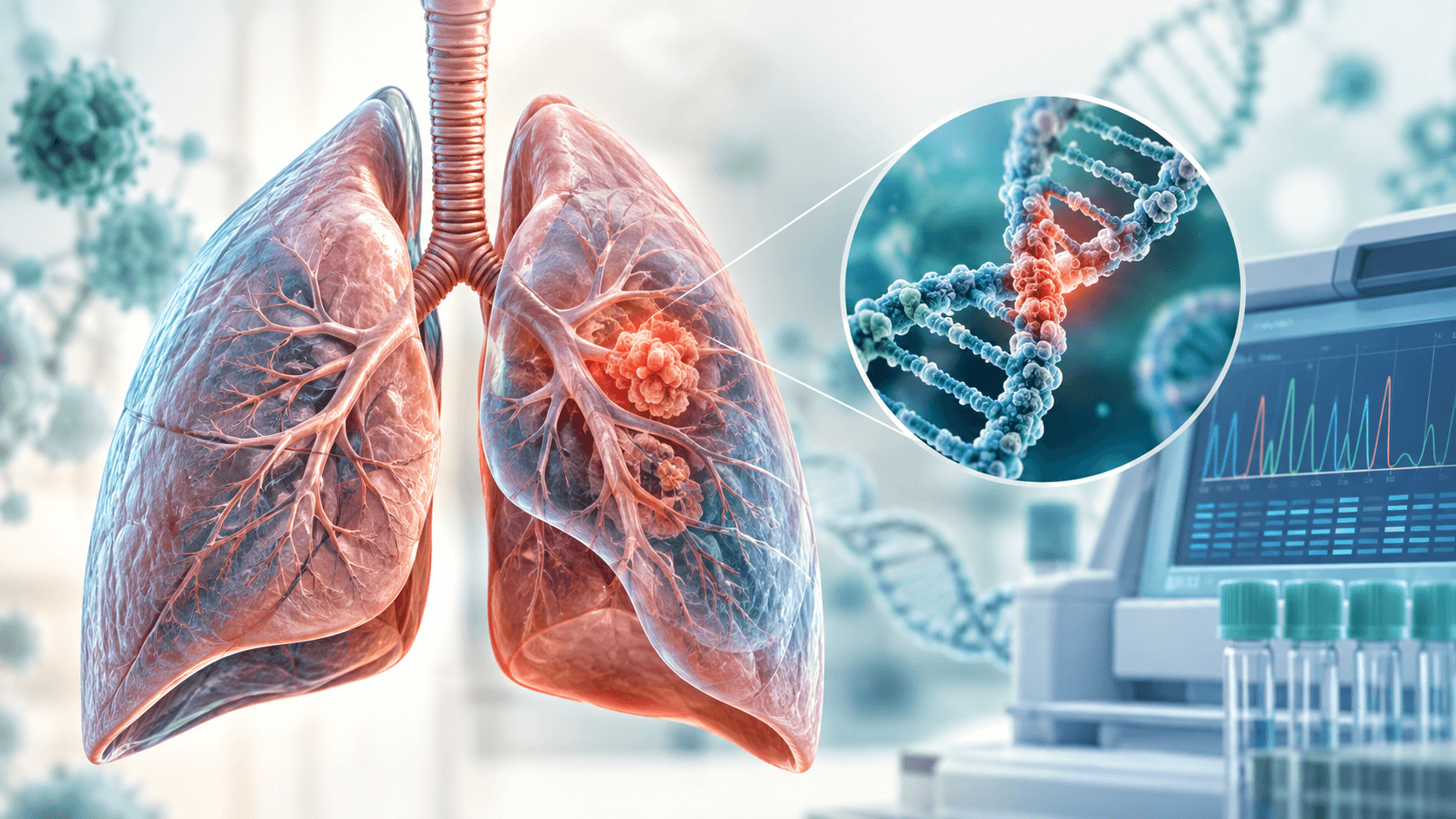
Resistance Mutations in Lung Cancer: Causes and the Importance of Testing
Dr. Vrundali Kannoth
Questions
FAQs on Cervical Cancer
No question is too small when it comes to your care
What are early warning signs of Cervical Cancer?
Early warning signs of cervical cancer often begin subtly and can include unusual vaginal bleeding (between periods, after intercourse, or post-menopause), persistent or foul-smelling vaginal discharge, pain during sexual activity, lower abdominal or pelvic pain, and changes in menstrual cycles that are longer or heavier than usual. In advanced stages, symptoms like swelling of the legs, frequent urination, and fatigue may also occur
Can Cervical Cancer be cured completely?
Cervical cancer is highly treatable and often curable when diagnosed in its early stages before it spreads outside the cervix. Standard treatments such as surgery, radiation, and chemotherapy can achieve complete remission, especially for localized disease. Cure rates drop if the cancer advances, but treatment can still prolong life and improve symptoms
How long does Cervical Cancer treatment last?
Cervical cancer treatment length depends on the stage and chosen therapies. Surgical treatment and recovery may span a few weeks, while combined approaches (like chemoradiation or maintenance therapy) can extend from several months to a year or longer in some cases. Ongoing checkups and follow-ups are typically recommended for several years after the initial treatment completes
Does cervical cancer impact fertility?
Cervical cancer and its treatments can affect fertility, particularly if surgery removes the uterus or cervix, or if radiation and chemotherapy are involved. Fertility-sparing procedures are possible for some early-stage cases, but risks of infertility, early menopause, and pregnancy complications remain. Close consultation with fertility specialists prior to treatment is essential
What are the chances of cervical cancer recurrence?
The risk of cervical cancer coming back depends largely on the stage at initial diagnosis and the completeness of the first treatment. Recurrence rates range from around 4% in the first year to 8-10% within five years post-treatment, with most recurrences occurring in the first two to three years. Higher stages and lymph node involvement increase relapse risk, and ongoing monitoring is strongly advised
Where can I book an Appointment for Cervical Cancer Treatment?
At Everhope Oncology, appointments for cervical cancer treatment are easy to arrange, with same-day expert consultations available in a calm, private setting. Our Gurgaon centers on Golf Course Extension Road (Sector 65 and Sector 12) offer a full range of therapies, including chemotherapy, immunotherapy, targeted treatments, and precision diagnostics, all managed by a team of leading oncologists and supportive care specialists. Patients benefit from streamlined web booking, 24/7 concierge support, personalized nutrition guidance, and rapid diagnostics—all designed to minimize waiting and maximize comfort. Everhope’s unique daycare model allows most cancer therapies to be completed in private suites in just a few hours, enabling recovery at home and preserving daily routines. You can book an appointment directly through the Everhope Oncology website (everhope.care), call the support hotline, or even coordinate via WhatsApp for convenience. Each step—from admission to discharge—is fast, seamless, and patient-first, ensuring compassionate care tailored to your needs
Find a Hospital Near You
Everhope x SSO Hospital, Ghatkopar West
Silver Point, 7th Floor, Lal Bahadur Shastri Marg, Kasturi Park, Ghatkopar West, Mumbai 400086
Mon to Sun, 9am to 9pm
Everhope x SSO Hospital, Andheri West
2nd Floor, New Link Road, above Axis Bank, Andheri West, Mumbai 400053
Mon to Sun, 9am to 9pm
Everhope x SSO Hospital, Thane
Ground Floor, Amber Arcade, below Waviker Eye Institute, Majiwada, Thane 400601
Mon to Sun, 24 hrs
Everhope x SSO Hospital, Chembur
6th Floor, 604 Business Point, DK Sandu Marg, Chembur, Mumbai 400071
Mon to Sun, 9am to 9pm
Everhope x SSO Hospital, Vashi
Clinic 51, 4th Floor, Shanti Center, Sector 17, Vashi, Navi Mumbai 400703
Mon to Sat, 11:30am to 9pm
Everhope x SSO Hospital, Charni Road
9th Floor, Mehta Mahal, 15 Mathew Road, Opera House, Charni Road (East), Mumbai 400004
Mon to Sun, 9am to 9pm
Everhope x SRCC Hospital, Haji Ali
1-1A, Keshavrao Khadye Marg, Haji Ali, Haji Ali Government Colony, Mahalakshmi, Mumbai, Maharashtra 400034
Mon to Sun, 24 hrs
Everhope x EPIC Hospital, Ahmedabad
Rajpath Rangoli Road, behind Rajpath Club, off S.G. Highway, Bodakdev, Ahmedabad 380059
Mon to Sun, 9am to 9pm
Everhope Hospital, Gurugram (Sector 65)
EBD 65, Sector 65, Golf Course Extension Road
Mon to Sat, 8am to 8pm
Everhope Hospital, Gurugram (Sector 14)
Mehrauli-Gurgaon Rd, Anamika Enclave, Sector 14
Mon to Sat, 9am to 6pm
Everhope x SSO Hospital, Belgaum
9666A-2/D, behind BUDA Office, Ashok Nagar, Shivaji Nagar, Belgaum 590016
Mon to Sun, 24 hrs