Nutrition5 min read
Spirulina Biotic Powder: Benefits, Nutrition Facts and Its Role in Cancer Nutrition
Dr. Vrundali Kannoth
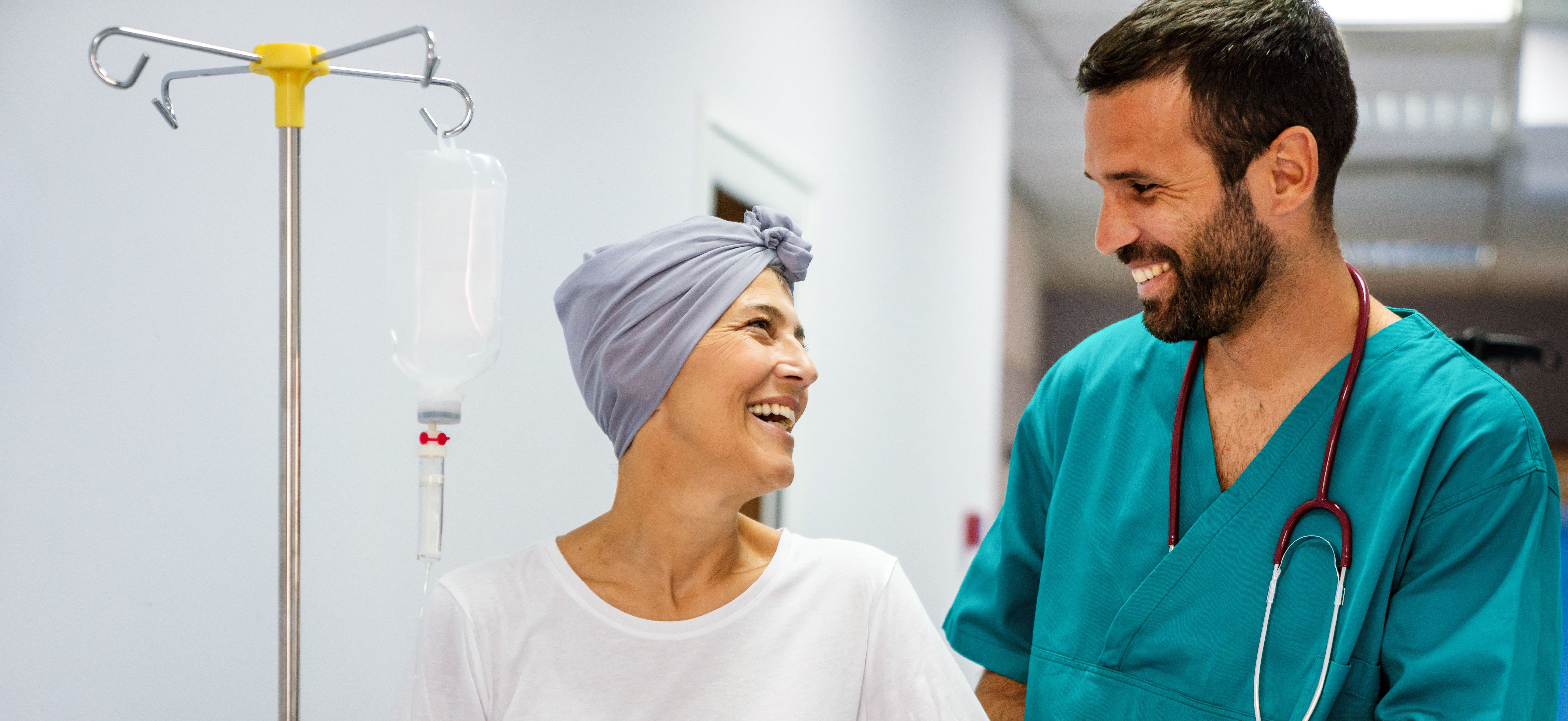
Starting chemotherapy is never a medical decision; it’s an emotional journey, too. You may be wondering how much of your or your loved one’s life will change, how the body will respond, and if this step is truly necessary. Although it’s physically and mentally a toll, chemotherapy is not a choice patients get to make. Doctors recommend it differently depending on the stage of cancer, the type of tumour, and physical health. Sometimes it’s about removing what’s left behind after surgery; other times, it’s about shrinking tumours or easing symptoms. These are also common situations for when do you need chemotherapy in your treatment plan.

Chemo is a broad group of drugs designed to attack cancer cells at their core. While it brings up fears about side effects[a], its purpose is clear: to target and destroy cancer cells wherever they’re hidden in the body. Understanding how it works and when chemotherapy is used makes the treatment journey less overwhelming.
Chemotherapy drugs are made to interfere with the way cancer cells grow and multiply. Since cancer cells divide faster than most normal cells, they are especially vulnerable. Some drugs damage the DNA of cancer cells, while others block them from making proteins needed to divide.
There are also targeted drug classes:
Each of these puts a stop to the cancer cell cycle in its own way. Chemo prevents cancer cells from multiplying and spreading further by hitting them where they are weakest.
Unlike surgery or radiation, which focus on a specific area, chemotherapy is systemic. It travels through the bloodstream to reach cancer cells almost anywhere. This makes it effective against the main tumour and also against stray cancer cells that may have broken off and moved to other parts of the body.
The American Cancer Society explains that this full-body reach is one of chemo’s biggest advantages, especially in cancers that are more likely to spread (like in skin and muscle cells). This effect explains when chemotherapy is given - whenever doctors suspect cancer may have spread beyond the main tumour.
When is chemotherapy given? The answer isn’t the same for everyone. Let’s break down what stage is chemotherapy used most effectivelystep by step:
In very early cancers, chemotherapy is not usually the first choice. So if you’re wondering, “At what stage of cancer is chemotherapy used?”, stage 1 is usually a rare and specific answer.
However, for certain aggressive cancers, like some breast or ovarian cancers, the doctor might recommend chemotherapy to reduce the risk of recurrence. This is when chemotherapy is needed despite the early stage.
At what stage is chemotherapy used more widely? Either before or after surgery. Chemo now is more about flushing out any leftover cells from surgeries and radiation. For breast, colon, or lung cancers, this approach can improve survival, clear examples of when chemotherapy is required soon after surgery. This shows how chemotherapy, in which stage of cancer you are diagnosed, can change when chemotherapy is given - before or after surgery.
By stage 3, the answer to “At what stage of cancer is chemotherapy used?” is much clearer; here, it becomes one of the most common and central treatments. In many stage 3 cancers, the disease has spread to nearby tissues or lymph nodes, making chemo essential, sometimes alongside radiation. For example, in advanced lung or colorectal cancer. At this stage, chemotherapy is aimed at controlling the disease and preventing further spread.
In the most advanced stage of cancer, the goal of chemotherapy changes. Instead of curing, it focuses on slowing down cancer growth, reducing symptoms, and improving quality of life. This is usually when chemotherapy is used, not to cure but to ease symptoms and extend life.

Download Your Free Guide Book Now
Chemotherapy can be timed differently depending on the goal, so when patients ask “When is chemotherapy done?”, it’s before surgery, after surgery, with radiation, or later for symptom control.
For example, research shows neoadjuvant chemotherapy (before surgery) can shrink tumours, make surgery less invasive, and help doctors see how well treatment is working in real time.
| Type of chemotherapy | When chemotherapy is given | Purpose |
|---|---|---|
| Neoadjuvant chemotherapy | Before surgery | Shrinks the tumour to make surgery easier and more effective. |
| Adjuvant chemotherapy | After surgery | Destroys any hidden cancer cells that may remain, lowering the risk of recurrence. |
| Concurrent chemoradiotherapy | At the same time as radiation therapy | Enhances the effects of radiation, often used in lung, head, and neck cancers. |
| Palliative chemotherapy | In advanced stages (when a cure isn’t possible) | Slows cancer growth, reduces symptoms, and improves quality of life. |
Not every patient might need chemotherapy, and not every cancer responds to it the same way. Your oncology team will balance benefits and risks, tailoring chemo to your unique situation.
Here are some ways how doctors decide when chemotherapy is needed:
Chemotherapy is surely a difficult path in the treatment plan, but it’s also one of the most powerful medicines in cancer care. For some, it prevents cancer from returning after surgery. For others, it becomes the main line of defense, or a way to control symptoms and extend quality of life in later stages.
Chemotherapy decisions are never one-size-fits-all. Doctors tailor treatment by evaluating chemotherapy in which stage of cancer will bring the most benefit. Ultimately, when chemotherapy is needed depends on stage, tumour type, and your health.
Understanding at what stage of cancer chemotherapy is used helps patients and families replace fear with clarity and prepare for the journey ahead. A good care team alongside chemotherapy can provide comfort during cancer treatment.
No, chemotherapy doesn’t work the same way for every cancer. Some cancers, like leukemia and lymphoma, respond very well, while others may require surgery, radiation, or targeted therapies alongside or instead of chemotherapy, clear examples of when you need chemotherapy most.
A chemotherapy cycle usually lasts two to four weeks, including treatment days and rest days to let the body recover. This depends on when chemotherapy is done in the treatment plan, cancer type, and health.
Yes. In cancers where surgery isn’t possible or the disease has spread widely, chemotherapy alone may be the main treatment. It can shrink tumours, slow progression, and improve survival even without surgical removal.
Yes. Alternatives include targeted therapy, immunotherapy, hormone therapy, and radiation. The right option depends on cancer type, stage, and genetic markers. Sometimes these are used alone, but often in combination with chemotherapy.
Yes, chemotherapy can follow radiation if needed, depending on what stage is chemotherapy used and the patient’s recovery. Doctors sometimes use it to destroy remaining cancer cells, manage recurrence, or control advanced disease. The sequence depends on cancer type, overall health, and treatment goals.