
Cancer care
Colorectal Cancer
Overview
What is Colorectal Cancer?
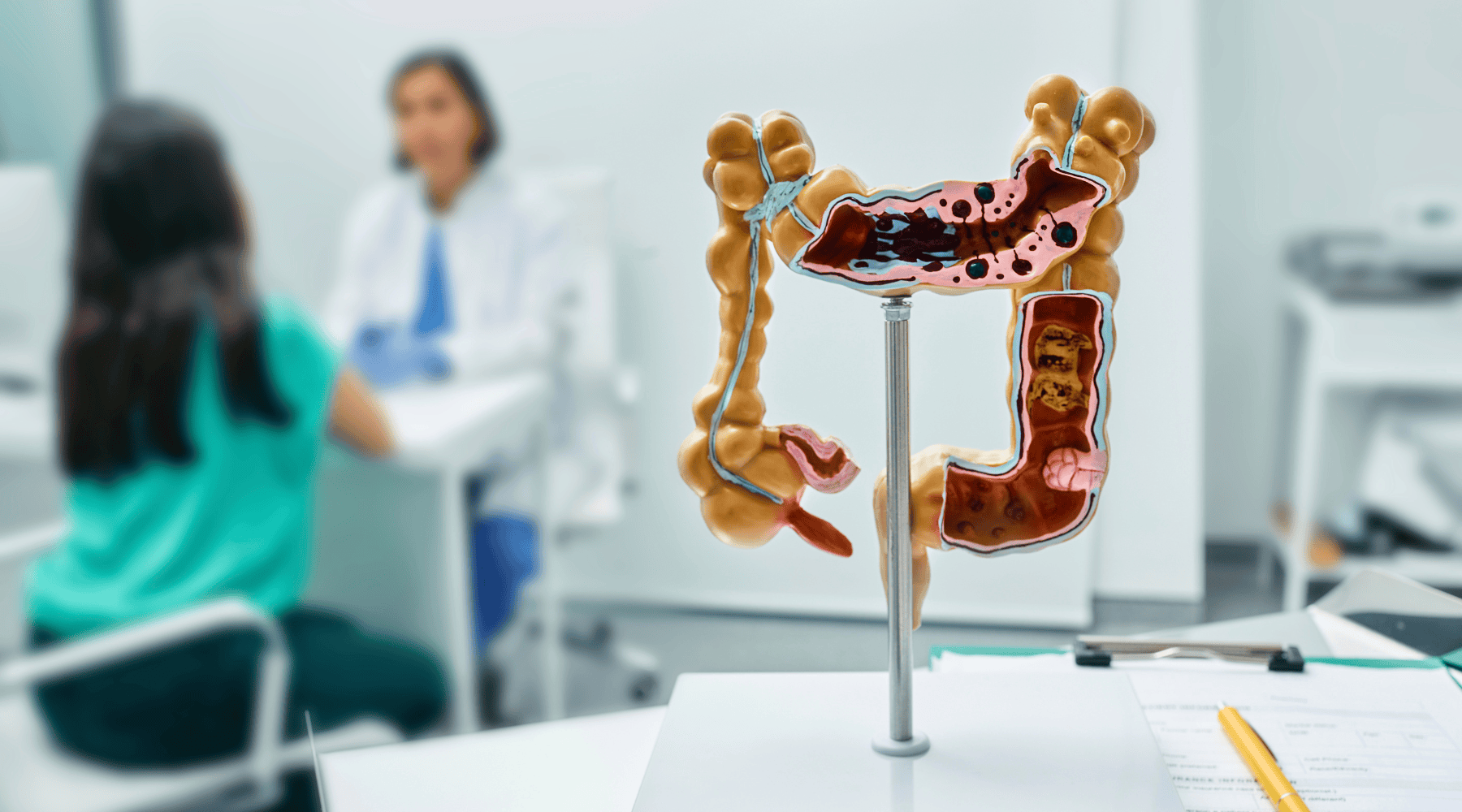
Colorectal cancer (CRC) affects the colon or rectum—critical parts of the digestive system. It often starts as small, noncancerous polyps that can become cancer over time. Though it’s the third most common cancer globally, CRC is highly curable when detected early.
Colorectal Cancer Types
Gastrointestinal Carcinoid Tumors
- These begin in neuroendocrine cells and tend to grow slowly. Though infrequent, they require distinct management compared to adenocarcinomas.
Adenocarcinoma (95%)
- Adenocarcinomas develop in the mucus-secreting glands lining the colon or rectum. Subtypes include mucinous (colloid) adenocarcinoma and signet ring cell adenocarcinoma, which are distinguished by their cell structure and often carry unique prognoses
Primary Colorectal Lymphoma
- This type starts in the immune system’s lymphocytes within the colon or rectum. It’s rare but different from the more common adenocarcinomas
Squamous Cell Carcinoma
- Originates from squamous cells which are usually absent in normal colon tissue. These account for a very small portion of colorectal cancer cases.
Gastrointestinal Stromal Tumors (GISTs)
- Rare in the colon and rectum, these arise from interstitial cells of Cajal. Most GISTs are benign, but malignant forms exist.
Colorectal Cancer Symptoms
Diarrhea, constipation, or narrowing of stool Feeling like the bowel doesn’t fully empty
What’s Notable
- Symptoms often overlap with IBS or piles - that's why many delay evaluation
- Young adults can also be at risk - especially with family history
When to Seek Help
Any bleeding from the rectum, especially if it recurs or is accompanied by bowel changes, should be assessed promptly. Don’t wait.
Colorectal Cancer Causes & Risk Factors
Age over 45
Risk climbs notably as individuals get older, with the majority of cases occurring after age 50
Family history
Having first-degree relatives (parent, sibling) who have had colorectal cancer or polyps increases risk
Chronic diseases
Inflammatory bowel disease (Crohn’s disease, ulcerative colitis) raises risk.
Inherited genetic syndromes
Conditions like familial adenomatous polyposis (FAP) or Lynch syndrome substantially elevate risk
Diet
Diets high in red meats, processed meats, and animal fats, along with low intake of fruits, vegetables, and fiber, are tied to increased risk
Colorectal Cancer Diagnosis
Initial Symptoms & Check-up
Step 1: Initial Check-Up (If you experience rectal bleeding, persistent abdominal pain, or changes in bowel habits)
What happens:
- Physical exam + digital rectal exam
- Review of family history and symptoms
Your role: Be open about all digestive changes and discomfort
Colorectal Cancer Treatment
Chemotherapy
- Purpose
- Kills rapidly growing cancer cells throughout the body.
- Common drugs
- 5-FU, Capecitabine, Oxaliplatin
- Used for
- Stage II–IV or post-surgery to prevent recurrence
Targeted Therapy
- Purpose
- Blocks growth-promoting molecules
- Common drugs
- Bevacizumab, Cetuximab
- Used for
- Advanced or metastatic cancers with specific mutations
Immunotherapy
- Purpose
- Activates immune system to fight cancer
- Common drugs
- Pembrolizumab, Nivolumab
- Used for
- MSI-H or dMMR colorectal cancers
Colorectal Cancer Treatment & Types
- Most common colorectal cancer
- type from glandular cells of colon or rectum.
- Early-stage
- mainly treated with surgical resection of tumor.
- Adjuvant chemotherapy (FOLFOX, CAPEOX)
- used in stage II high-risk and stage III to reduce recurrence.
- Advanced stages
- may receive systemic chemotherapy plus targeted therapies (anti-EGFR such as cetuximab, panitumumab) per RAS mutation status.
- Immunotherapy (nivolumab, pembrolizumab)
- used for microsatellite instability-high (MSI-H) or mismatch repair deficiency (dMMR) tumors.
- Treatment tailored to molecular profiling
- for best outcomes.
Colorectal Cancer Stages
- Also called intramucosal carcinoma or carcinoma in situ.
- Cancer cells are confined to the innermost layer of the lining of the colon or rectum (mucosa).
- Non-invasive at this stage.
- Highly treatable with surgery; excellent prognosis.
Management & Prevention
Bowel Care
- Managing changes in digestion or stoma care post-surgery.
Nutrition Support
- Diet plans to rebuild strength and prevent deficiencies.
Monitoring
- Routine scans and blood work to track recurrence risk
Why Choose Everhope For Colorectal Cancer?
At Everhope, our experts support your proactive care with advanced treatment — guiding you with knowledge, hope, and healing.
- 1.93M
- cases globally in 2022
- 93K
- global deaths worldwide
- 65K+
- new cases in India each year
Explore Our Latest Updates
Education7 min read
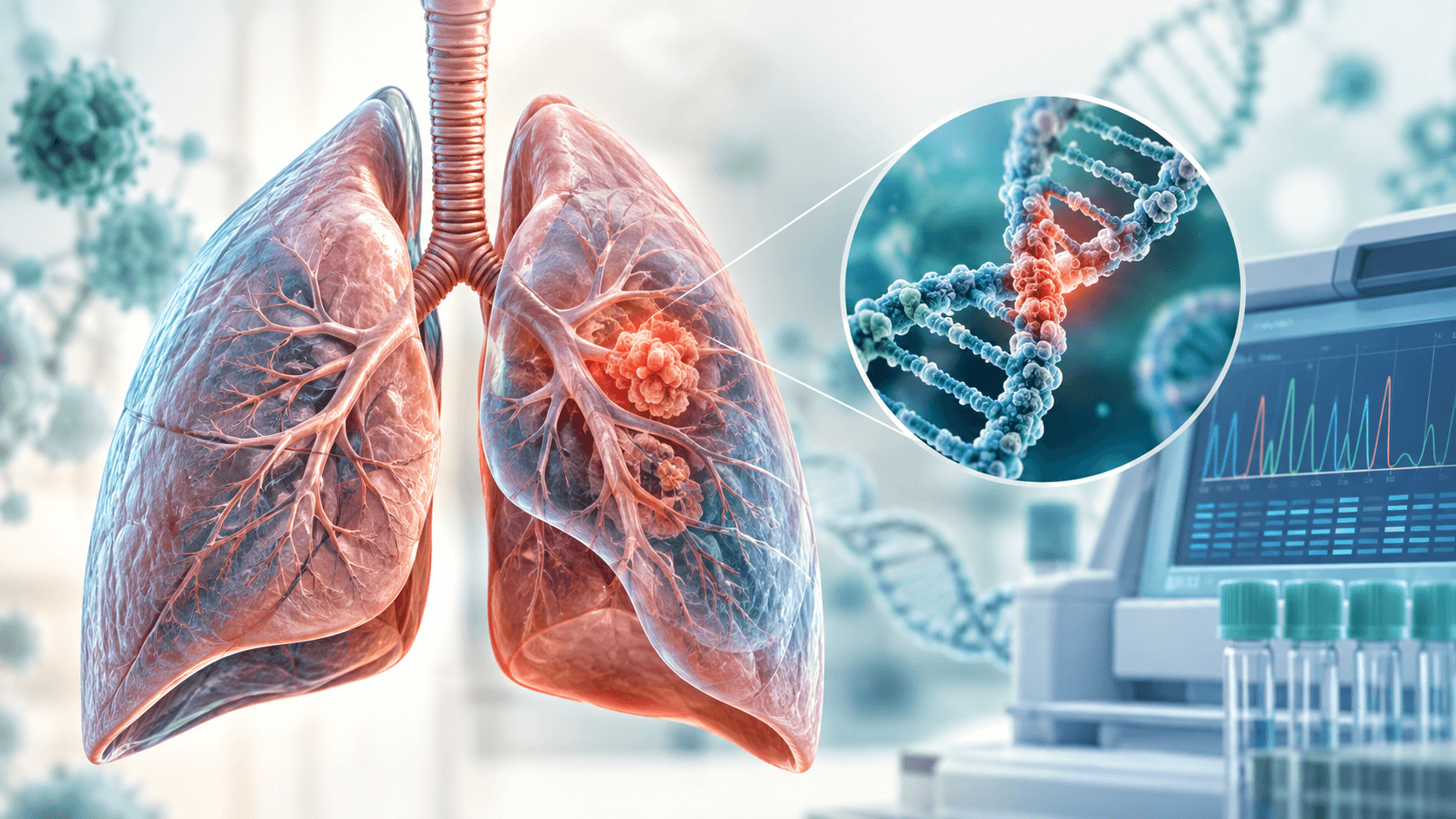
Resistance Mutations in Lung Cancer: Causes and the Importance of Testing
Dr. Vrundali Kannoth
Questions
FAQs on Colorectal Cancer
No question is too small when it comes to your care
What are the chances of Colorectal Cancer recurrence?
Colorectal cancer can return after treatment, especially in the first two or three years. The risk of recurrence depends on the cancer stage—about 15% to 30% may see cancer come back within five years. Early stages have lower risk, while advanced stages have higher rates
What is the difference between Colon and Colorectal cancer?
Colon cancer starts specifically in the colon, while colorectal cancer covers both colon and rectal cancers because they affect different parts of the large intestine. Both have similar symptoms and treatments, but their exact location influences some management choices
Is a colonoscopy painful?
Most people find colonoscopy has little or only mild pain, thanks to anesthesia or sedation during the exam. Some feel brief discomfort or bloating, but severe pain is rare. It’s a safe and routine test for early cancer detection.
How is colorectal cancer different in younger people?
Colorectal cancer in younger people is rising and often shows up at a more advanced stage. Common symptoms include abdominal pain, rectal bleeding, changes in bowel habits, and iron deficiency anemia. Early diagnosis can help improve survival
What is the survival rate for colorectal cancer?
Survival rates vary by cancer stage. Overall, about 65% of people live at least five years after diagnosis. Those diagnosed early, before the cancer spreads, have a much better chance (over 90%) of surviving five years or more
Where can I book an Appointment for Colorectal Cancer Treatment?
Appointments for colorectal cancer care are available at Everhope Oncology’s centers in Gurgaon, with easy web and phone booking, private treatment suites, and a full team of expert doctors. To get started, visit the Everhope Oncology website, or call +91 7950 60087
Find a Hospital Near You
Everhope x SSO Hospital, Ghatkopar West
Silver Point, 7th Floor, Lal Bahadur Shastri Marg, Kasturi Park, Ghatkopar West, Mumbai 400086
Mon to Sun, 9am to 9pm
Everhope x SSO Hospital, Andheri West
2nd Floor, New Link Road, above Axis Bank, Andheri West, Mumbai 400053
Mon to Sun, 9am to 9pm
Everhope x SSO Hospital, Thane
Ground Floor, Amber Arcade, below Waviker Eye Institute, Majiwada, Thane 400601
Mon to Sun, 24 hrs
Everhope x SSO Hospital, Chembur
6th Floor, 604 Business Point, DK Sandu Marg, Chembur, Mumbai 400071
Mon to Sun, 9am to 9pm
Everhope x SSO Hospital, Vashi
Clinic 51, 4th Floor, Shanti Center, Sector 17, Vashi, Navi Mumbai 400703
Mon to Sat, 11:30am to 9pm
Everhope x SSO Hospital, Charni Road
9th Floor, Mehta Mahal, 15 Mathew Road, Opera House, Charni Road (East), Mumbai 400004
Mon to Sun, 9am to 9pm
Everhope x SRCC Hospital, Haji Ali
1-1A, Keshavrao Khadye Marg, Haji Ali, Haji Ali Government Colony, Mahalakshmi, Mumbai, Maharashtra 400034
Mon to Sun, 24 hrs
Everhope x EPIC Hospital, Ahmedabad
Rajpath Rangoli Road, behind Rajpath Club, off S.G. Highway, Bodakdev, Ahmedabad 380059
Mon to Sun, 9am to 9pm
Everhope Hospital, Gurugram (Sector 65)
EBD 65, Sector 65, Golf Course Extension Road
Mon to Sat, 8am to 8pm
Everhope Hospital, Gurugram (Sector 14)
Mehrauli-Gurgaon Rd, Anamika Enclave, Sector 14
Mon to Sat, 9am to 6pm
Everhope x SSO Hospital, Belgaum
9666A-2/D, behind BUDA Office, Ashok Nagar, Shivaji Nagar, Belgaum 590016
Mon to Sun, 24 hrs