Nutrition5 min read
Spirulina Biotic Powder: Benefits, Nutrition Facts and Its Role in Cancer Nutrition
Dr. Vrundali Kannoth
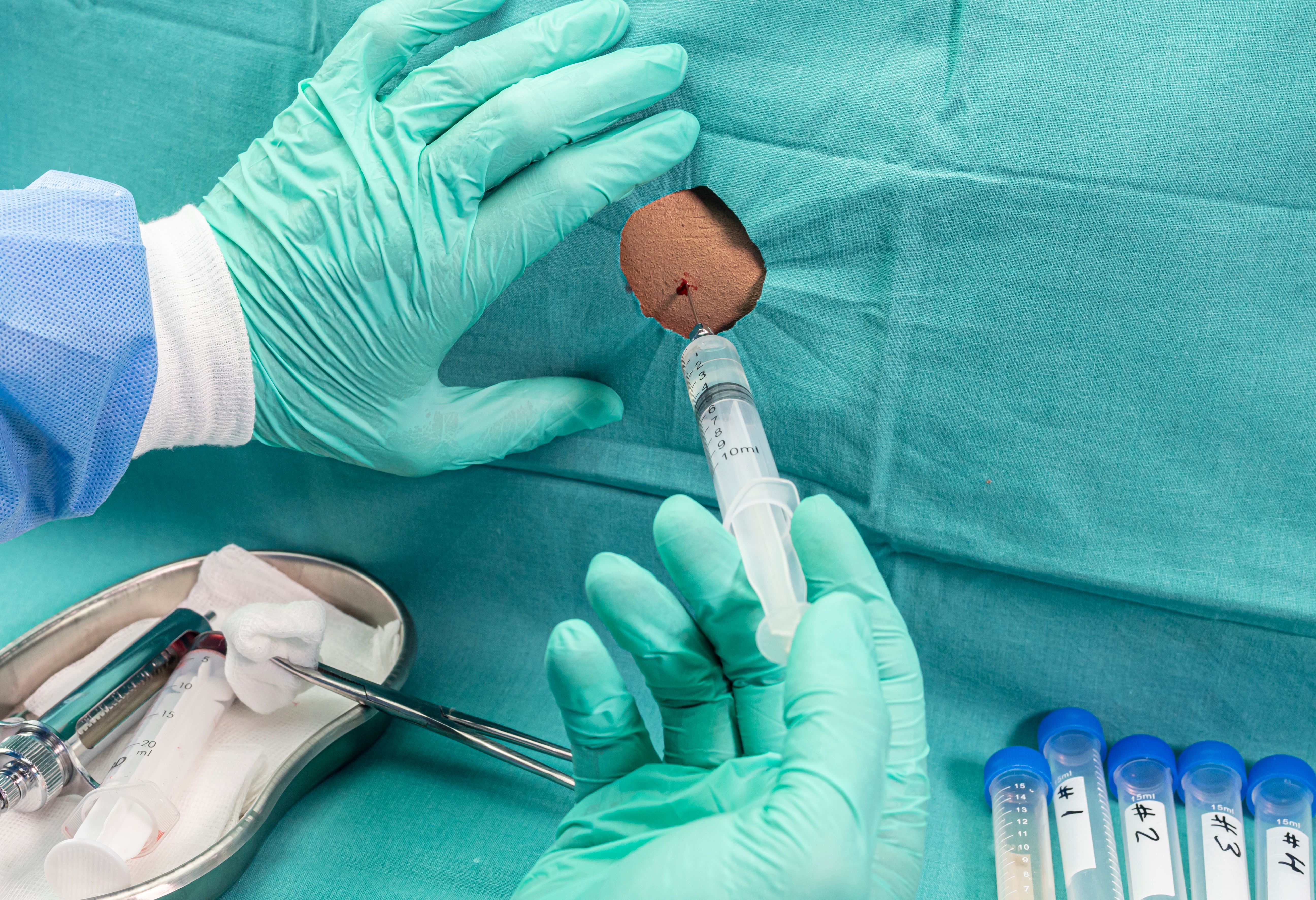
When a doctor suggests a biopsy test for cancer, the first reaction is often fear. It’s easy to picture the worst-case scenario, but the truth is, a biopsy is a way to look closer at what’s going on inside the body. For many people, the test brings peace of mind: sometimes by ruling out cancer, other times by catching it early when treatment works best. Understanding what happens before, during, and after the procedure can make the journey a lot less stressful.
Biopsies are one of the most trusted tools in medicine. They don’t just hint at possibilities; they give doctors a clear picture of what’s going on inside. Before we dive into the types and steps, let’s first understand the basics of biopsy test for cancer.
A biopsy test for cancer is a procedure where a small sample of tissue is taken from your body so doctors can examine it closely. The results help doctors plan the right treatment for you. In short, what is a biopsy for cancer? It’s the most reliable way to confirm whether unusual cell growth or other questionable symptoms are due to cancer or something else.
No, biopsies are also used to diagnose: infections, inflammatory conditions, or other non-cancerous diseases (such as thyroid, or certain skin conditions).
It’s a common misconception that biopsy means cancer. A biopsy is just a diagnostic tool. While its main use is detecting cancer causes[a], many biopsies end up showing non-cancerous conditions.
Here are the most common types explained simply.
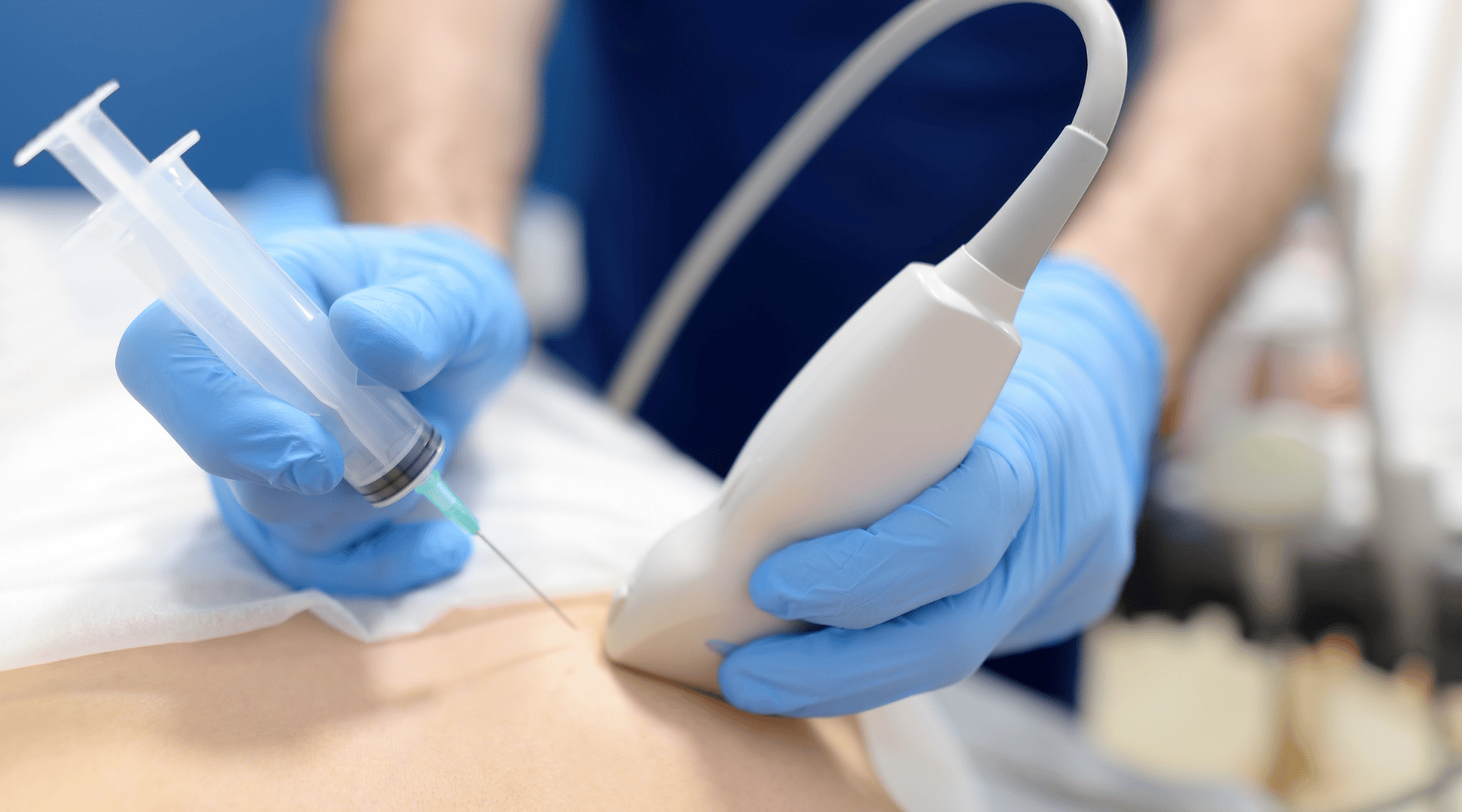
This is the most common type. A thin needle is inserted into the suspicious area to remove tissue. Core needles take a slightly larger sample. Needle biopsies are often used for breast biopsy [b]tests, liver, thyroid concerns, or for biopsy head and neck cancer[c] cases.
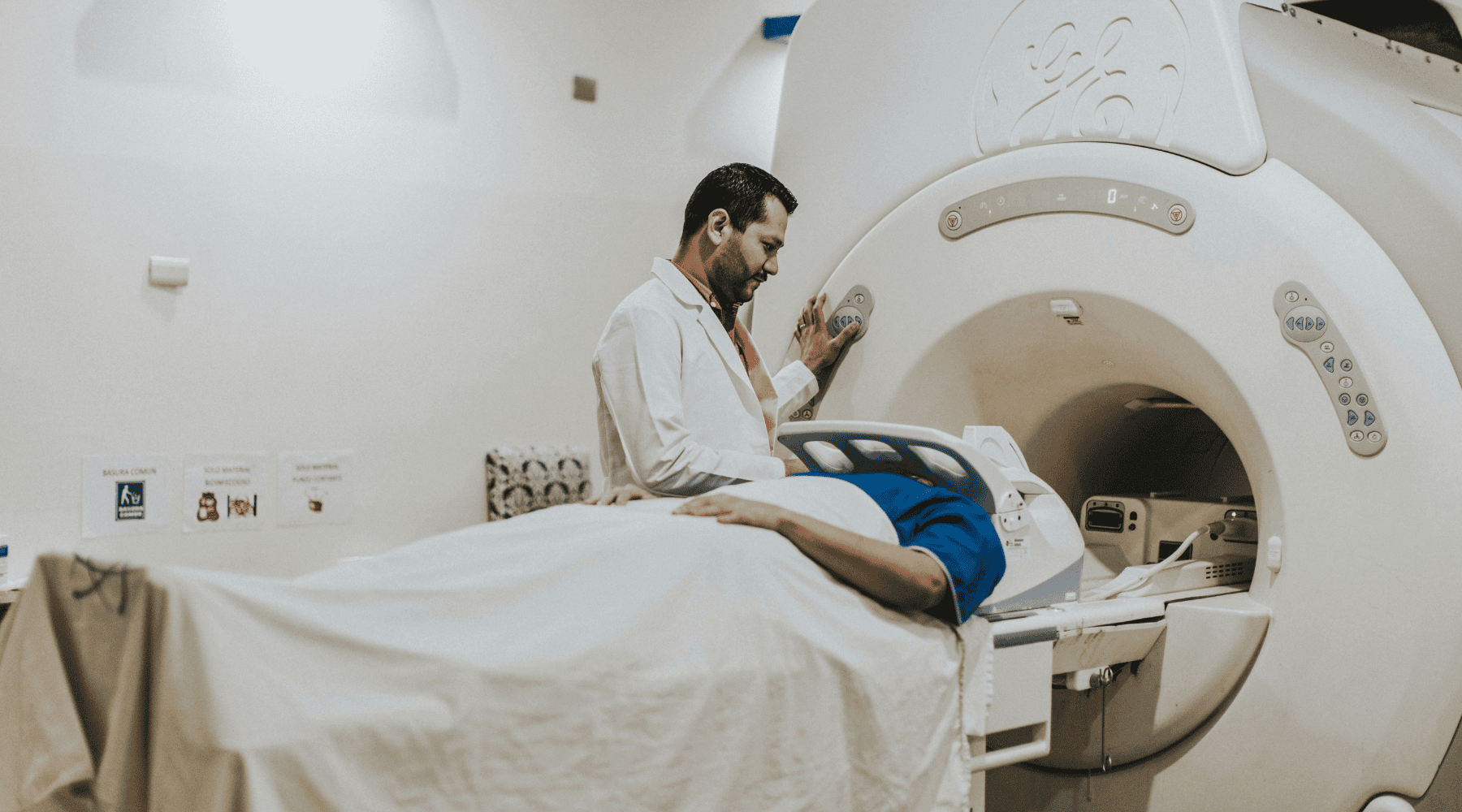
When the area is hard to reach, imaging tools like ultrasound, CT scans, or MRI guide the needle. This helps doctors target the tissue without unnecessary cuts, and is mostly used in prostate cancer biopsy.
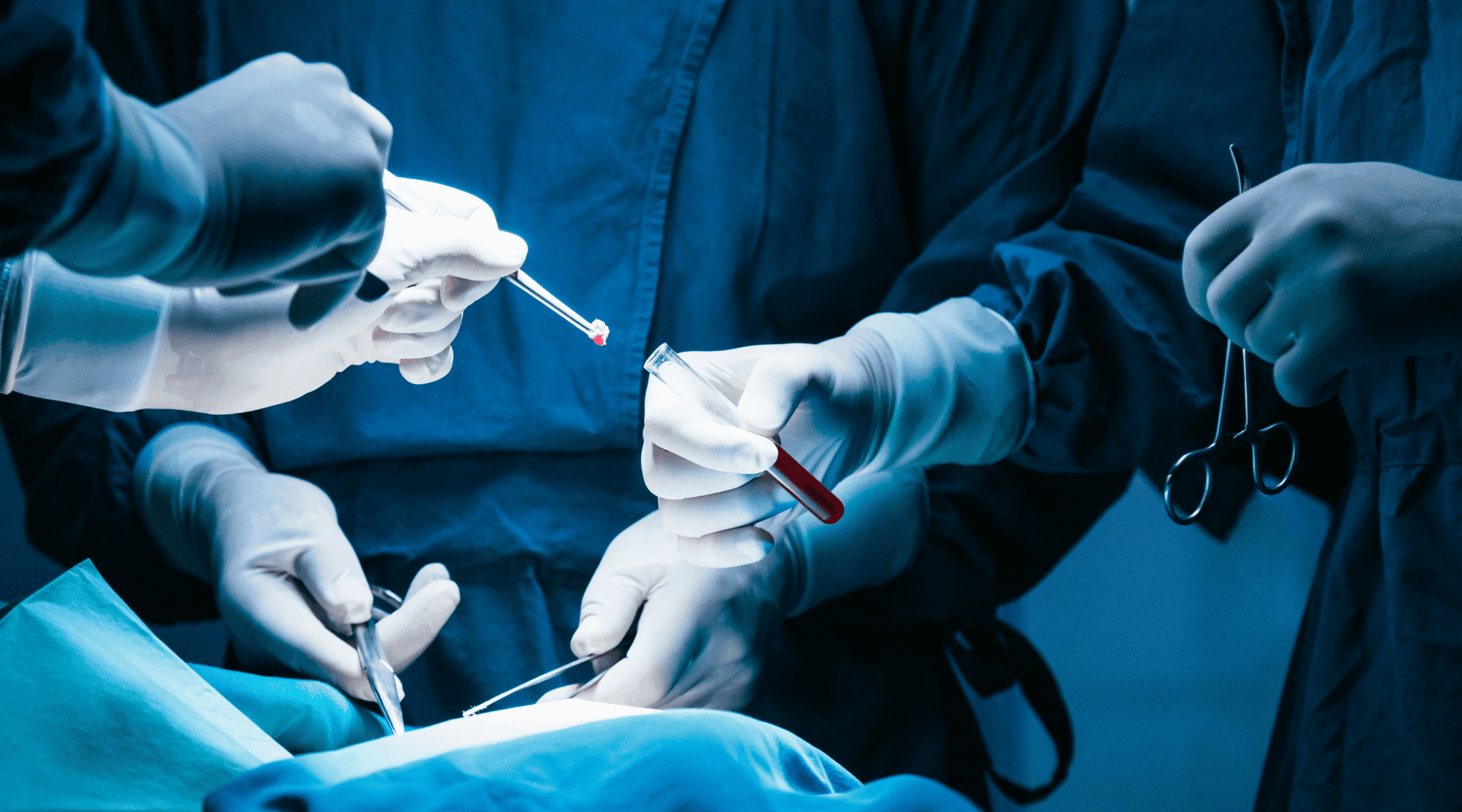
Sometimes, a bigger piece, or even an entire lump, needs to be removed. Excisional biopsy takes out the whole tumour, while an incisional biopsy removes only a part for testing. Recovery usually takes longer, but it gives a detailed report. A fine example for this is the ovarian cancer biopsy[e] procedure.
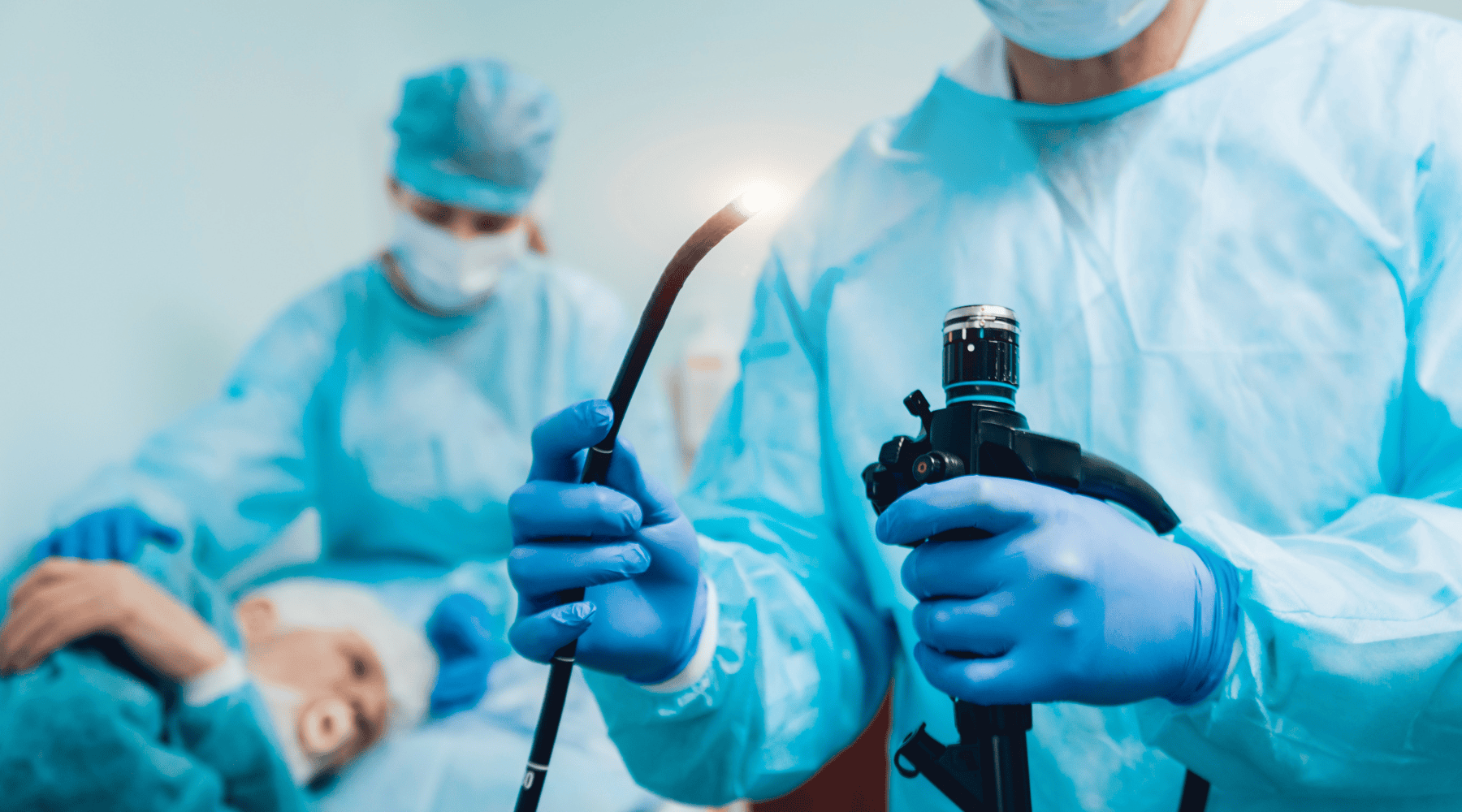
Endoscopic biopsies use a flexible tube with a camera (endoscope) to reach internal organs like the lungs or gastrointestinal tract. Lung cancer biopsy[f] and colorectal cancer biopsy[g] often use this method. Sentinel node biopsy is done when doctors want to check if cancer has spread to nearby lymph nodes. It is a commonly used biopsy test for cervical cancer[h] to check if the cells have spread.
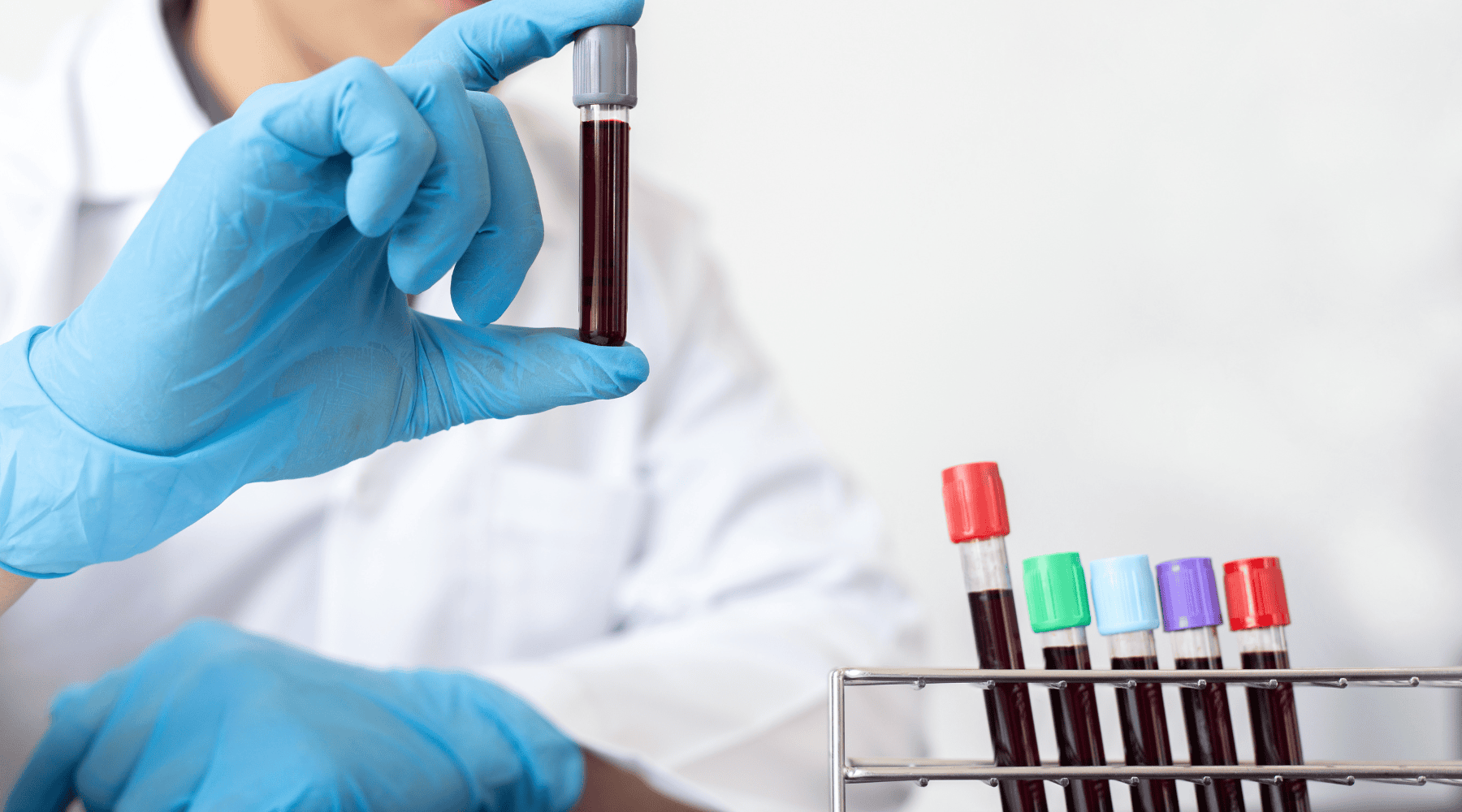
A newer, non-invasive method. Blood is tested for traces of cancer DNA. It’s particularly helpful for monitoring treatment response or detecting early-stage cancers without surgical procedures.
One of the main concerns with a biopsy is the lack of clarity about what actually happens. Breaking it down into steps makes the process easier to follow.
Preparation varies depending on the biopsy type. You may be asked to avoid certain medications (like blood thinners), fast for a few hours before the procedure, and arrange for someone to accompany you if sedation is required. Following these steps ensures your cancer biopsy procedure goes smoothly.
From preparation to recovery, here’s what typically happens during a cancer biopsy, so you know what to expect at each stage.
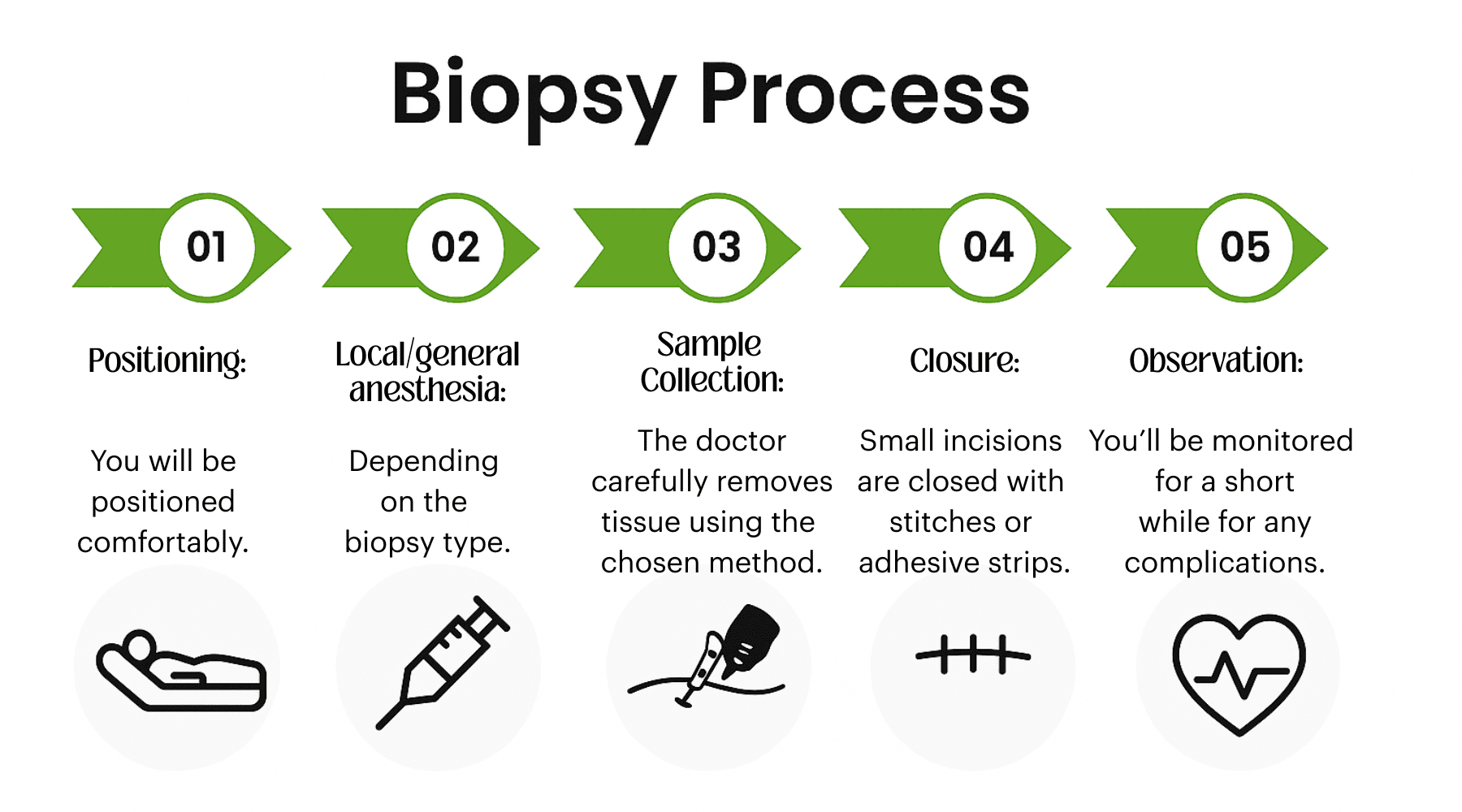
This process is usually quick and straightforward, especially with needle or image-guided biopsies.
Post-procedure, it’s normal to feel mild pain or bruising. You may be advised to rest for a short period, take pain relief medication (either over-the-counter or prescribed), and change the dressing if a surgical incision was made. Your doctor will provide specific care instructions, and most people can resume normal activities within a day or two for minor biopsies.
Complications are rare but can include bleeding or infection, which your care team is prepared to handle.
The results from your biopsy explain what’s going on at a cellular level. They’re key to planning the most suitable treatment. Let’s get into the nuances in detail:
Once the tissue is analysed, you get a cancer biopsy report. This report details:
Cells from the biopsy are examined under a microscope. Pathologists look for abnormal shapes, growth patterns, or DNA changes characteristic of cancer. A doctor may also request tests that search for specific changes in the DNA of the cells, which can guide targeted therapies.
Cancer biopsy time depends on the type of procedure your doctor recommends. Some methods are quick, while others may take longer if they involve surgery.
While biopsies are highly reliable, no test is perfect. Sometimes a second biopsy may be needed if results are inconclusive. Factors like sampling errors or unusual tissue structures can affect accuracy. That’s why regular follow-ups are essential for a confident cancer diagnosis[i].
Biopsies are an essential part of cancer diagnosis, but their cost in India isn’t uniform. Let’s break down the common factors and typical price ranges so you know what to expect.
There are several factors that influence the cancer biopsy test cost. Let’s take a look:
A biopsy test for cancer might sound scary at first, but it’s a crucial step in getting clear answers. Remember, a biopsy doesn’t always mean cancer: it’s a tool that helps doctors guide treatment safely and effectively.
No, a blood test cannot fully replace a biopsy. While some blood tests can detect certain cancer markers, a traditional tissue biopsy is still the gold standard for confirming cancer.
Your doctor may recommend a biopsy if imaging tests show suspicious areas or if certain cancer symptoms persist.
Imaging, blood tests, and liquid biopsy can give clues, but they don’t replace the definitive diagnosis a tissue biopsy provides.
Tissue biopsy takes a sample from the tumour itself, while liquid biopsy checks for cancer markers in blood. Tissue biopsy is more definitive.