
Can Ultrasound Detect Cancer? Everything You Need to Know

On this page
When we think of scans doctors use for cancer, it is CT or MRI that comes to mind, right? But here’s the twist: ultrasound, the scan we usually connect with pregnancy, is also a hero in cancer detection.
Unlike CTs or X-rays, it doesn’t use radiation. Instead, it relies on sound waves to create pictures of what’s happening inside the body.
This makes it safe and painless, and it is the first test doctors suggest when something unusual needs a closer look.
So, can ultrasound detect cancer? Absolutely, but usually as a starting point before more detailed scans or a biopsy. Let’s break down what ultrasound really does and how it helps doctors spot early warning signs.
How does an ultrasound work?
Can ultrasound detect cancer? Yes, it can be done with high-frequency sound waves that are too high-pitched for human ears. When these waves travel through your body, they bounce differently off solid tissue, fluid, or air.
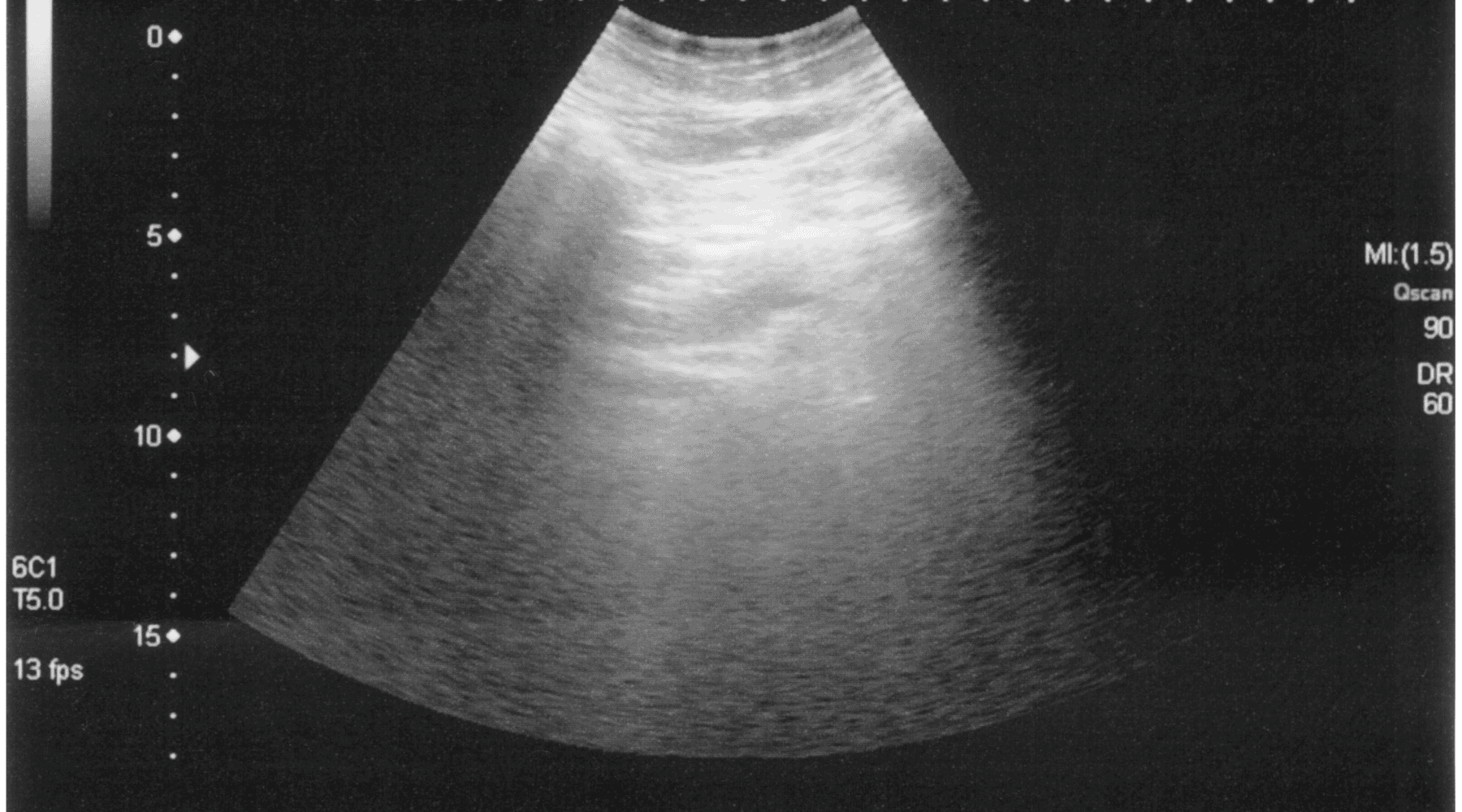
A computer then translates these echoes into moving images on a screen. It’s safe, painless, and doesn’t involve radiation, which is why it’s often the first step before more detailed tests.
What types of ultrasound detect cancer?
Ultrasound isn’t just one type of scan. Over the years, doctors have developed different techniques to make ultrasound and cancer more accurate in spotting potential signs.
Traditional diagnostic ultrasound
This is the standard scan you’ll see in most clinics. It gives a real-time image of soft tissues and helps doctors check whether cancer causes like a lump is a harmless cyst filled with fluid or a solid mass that needs further investigation.
Endoscopic ultrasound (EUS)
Here, a tiny ultrasound probe is attached to an endoscope (a flexible tube). It’s passed through the mouth or rectum to get very close to organs like the pancreas or stomach.
This makes it especially helpful in stomach cancer diagnosis ultrasound, and pancreatic assessments.
Doppler ultrasound
Doppler ultrasound looks at blood flow inside tissues, and is used in cervical cancer ultrasound scans. Cancerous growths have more blood supply, so this method can reveal unusual patterns.
Contrast-enhanced ultrasound (CEUS)
In this, doctors inject a safe contrast agent (tiny gas-filled microbubbles) into the bloodstream. These microbubbles make blood vessels stand out more clearly on the scan.
Elastography (stiffness imaging)
Cancerous tissue tends to be stiffer than healthy tissue. Elastography is like a “virtual poke test”, showing how firm or soft a suspicious area is. It’s particularly useful in liver and breast imaging.
What does cancer look like on an ultrasound?
Cancer is not directly visible on ultrasound scans. Rather, certain imaging patterns may suggest the need for further investigation for a precise ultrasound cancer treatment:
- Hypoechoic massesDarker areas on the scan that don’t reflect sound well.
- Irregular edgesCancerous lumps often have jagged, uneven borders.
- Increased blood flowTumours sometimes form new blood vessels, and Doppler ultrasound can pick this up.
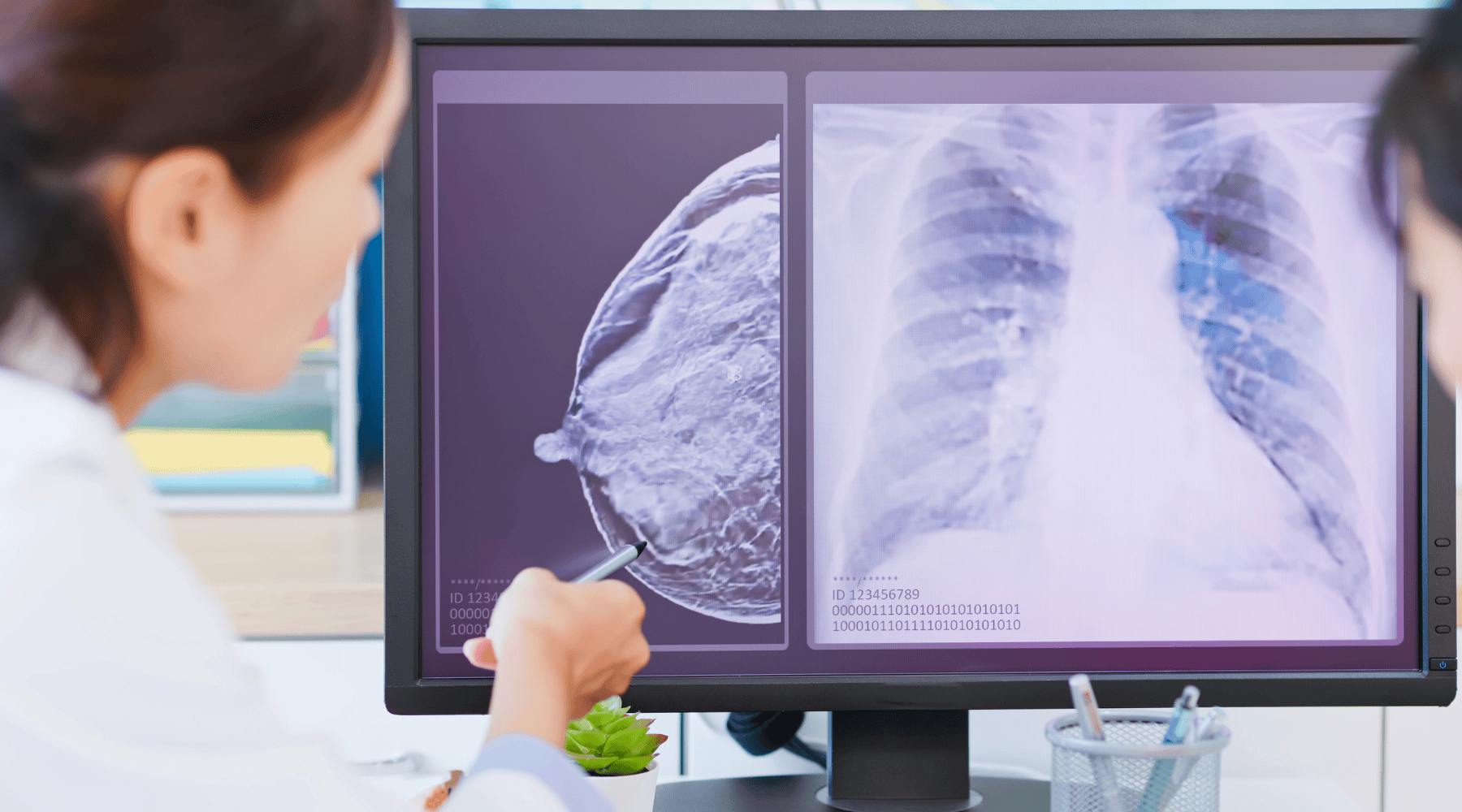
Remember, seeing something suspicious on an ultrasound doesn’t confirm the presence of any type of cancer . It’s a signal for more tests, such as MRI, CT, or biopsy.
5 types of cancers that ultrasound can help detect
A cancer ultrasound scan is a helpful tool in several areas of oncology. While it may not diagnose every cancer on its own, it can raise red flags and guide further checks.
In fact, many hospitals rely on ultrasound cancer screening as a quick, safe first step before recommending CT or MRI.
So, can you see cancer on an ultrasound? In many cases, yes, especially in the following types:
1. Breast cancer
Ultrasound cancer screening is often used alongside mammography. It helps tell the difference between fluid-filled cysts and solid lumps. In women with dense breast tissue, an ultrasound test for breast cancer can sometimes be clearer than an X-ray.
2. Thyroid cancer
If a thyroid nodule is found, an ultrasound will detect cancer as it helps doctors check the nodule’s size, shape, and blood flow. Solid, irregular nodules might require a biopsy for cancer symptom diagnosis.
3. Liver & abdominal cancers
Doctors regularly use cancer ultrasound scan to detect liver lesions or monitor patients with chronic liver conditions. It’s also helpful in assessing stomach cancer when combined with endoscopy, CT scans, and sometimes biopsy.
4. Pancreatic cancer
Endoscopic ultrasound for cancer is one of the best tools to detect small tumours in the pancreas, something regular scans may miss.
5. Ovarian cancer
Can ultrasound scan detect cancer? Yes, A pelvic or ovarian cancer scan can detect the disease as it helps check cysts, growths, and overall ovarian health. While not perfect, it’s the first scan women undergo when reporting symptoms like bloating or pain.
Advancements in ultrasound for cancer care
In recent years, the world of ultrasound and cancer has moved beyond detecting lumps or cysts. Innovations such as elastography, microvessel imaging, and AI integration are making it possible to pick up subtler signs of cancer. This means quicker, more accurate diagnosis and guidance for ultrasound cancer treatment.
If you’re wondering, “can ultrasound detect cancer?” Yes, it can, and in fact, better than just “black and white pictures on a screen.” Let’s unpack how these modern tools are changing the game:
Artificial intelligence (AI)
AI works as an extra pair of expert eyes. Radiologists are highly trained, but even the best might miss tiny details, especially in complex cancer ultrasound scans. AI tools can analyse thousands of images in seconds, highlight suspicious patterns, and suggest areas that deserve a closer look.
An international multicenter validation study demonstrated that AI models significantly improved the accuracy and efficiency of ovarian cancer diagnosis.
It cannot replace doctors, but it gives them sharper accuracy and confidence in cancer diagnosis.
Elastography (tissue stiffness imaging)
Remember how we said cancerous tissue is often firmer than normal tissue? Elastography measures this stiffness directly.
By assigning colours to soft versus hard tissue, elastography makes it easier to tell the difference between harmless cysts and tumours that need further investigation.
Microvessel imaging
Cancerous tumours need a blood supply to grow. Microvessel imaging is a technique that can detect the tiniest blood vessels feeding a tumour, which are ones that regular ultrasound might miss.
Showing doctors how blood flows within suspicious tissue provides another clue as to whether something could be cancerous.
Put together, these tools mean ultrasound cancer screening is no longer just a basic check. It’s evolving into an intelligent test that supports doctors and often saves patients from unnecessary biopsies.
Ultrasound vs other imaging techniques
When it comes to spotting cancer, an ultrasound is just one of several tools doctors use. You’ve probably heard of CT scans, MRIs, or even PET scans, each has its own strengths.
| Imaging technique | How it works | Pros | Cons |
|---|---|---|---|
| Ultrasound | High-frequency sound waves create images of organs and tissues | Safe, painless, no radiation, quick, inexpensive | Less detailed for deep organs or tiny tumours, operator-dependent |
| CT scan | X-rays from multiple angles create detailed cross-sectional images | Detailed, quick, good for bones and organs | Involves radiation, more expensive than ultrasound |
| MRI | Magnetic fields and radio waves to create detailed images | Excellent soft tissue contrast, no radiation | Expensive, takes longer, not suitable for patients with implants |
| PET scan | Small amount of radioactive tracer to highlight active cancer cells | Shows cancer activity, good for staging | Expensive, limited availability, involves radiation |
Many people wonder, “If MRI is so detailed, why not just do that every time?” The truth is, each technique has its own pros and cons, and doctors choose based on what they need to see, and how quickly.
Pay attention early: what an ultrasound for cancer can reveal
So, does ultrasound detect cancer? Yes, but it’s usually just the first step. Ultrasound can highlight suspicious changes, but a biopsy or advanced scan is often needed for confirmation. It’s safe, widely available, and an important part of early cancer care.
If you’ve been advised to get a cancer ultrasound scan, remember: it’s not about jumping to the worst conclusion. It’s about giving your doctors the clearest possible picture, so that they can guide you towards the right next step.
Here’s a gentle reminder: don’t ignore unusual lumps, pains, or changes. Early checks save lives. If you’re worried, speak to your sonographer or expert oncology doctors for clarity.
FAQs on can ultrasound detect cancer
Does ultrasound detect cancer in early stages?
Sometimes, ultrasound can spot certain cancers early, especially in organs like the breast, thyroid, and liver, but it’s usually used alongside other tests for a complete picture.
How long does an ultrasound cancer scan take?
Ultrasound can detect cancer in 15–30 minutes, depending on the area being examined. Some complex scans might take a bit longer.
Do I need special preparation before an ultrasound for cancer?
It depends on the type of scan. For example, a pelvic ultrasound may require a full bladder, while an abdominal scan might need fasting. Your doctor will guide you.