
Cancer Foods to Avoid for a Healthier Lifestyle

Written by Dr. Manjari Chandra, Consulting Clinical & Functional Nutritionist
On this page
Can food alone cause or cure cancer? No. But what you put on your plate absolutely influences your cancer risk and how well your body responds to treatment.
However, cancer and food habits are closely connected. Research shows that about 30-50% of cancers could be prevented through dietary changes, physical activity, and maintaining a healthy weight.
If you're living with cancer, recovering from it, or trying to reduce your risk, knowing which cancer foods to avoid is essential. Nutrition and cancer recovery work together as the right foods help you heal, while the wrong ones can slow progress or increase complications.
This guide focuses on foods for cancer patients to avoid and why these restrictions matter. Whether you're in treatment, in remission, or supporting someone through their journey, these recommendations are based on current medical research and expert consensus.
Eating well through treatment is hard. Get a personalised onco-nutrition plan from Everhope's dietitians.
Why certain options are foods to avoid during cancer
Why do certain foods make the cancer foods to avoid list? There are several science-backed reasons:
- They promote inflammation: Chronic inflammation creates an environment where cancer cells thrive. Processed foods, excess sugar, and unhealthy fats all trigger inflammatory responses in your body.
- They weaken immune function: Your immune system is your first line of defence. Foods to avoid cancer progression include those that suppress immune activity, making it harder for your body to fight abnormal cells.
- They contain carcinogens: Some foods contain or produce cancer-causing compounds during processing or cooking. Long-term exposure increases risk.
- They interfere with treatment: Certain foods can reduce the effectiveness of chemotherapy or radiation, or increase side effects.
- They feed cancer cells: Cancer cells consume glucose (sugar) at much higher rates than normal cells. Excessive sugar intake may fuel their growth and come under foods to avoid cancer cells.
Let's get specific. Here are the five main categories of foods cancer patients should avoid.
1. Processed and packaged foods to avoid for cancer patients
Instant noodles, packaged snacks, ready-to-eat meals, biscuits, and namkeens fall into this category. Why avoid them?
These foods contain preservatives, artificial colours, flavour enhancers, and trans fats. Many use sodium benzoate, potassium bromate, or other additives linked to foods to avoid cancer risk.
The high sodium content promotes inflammation and can burden kidneys already stressed by cancer treatment.
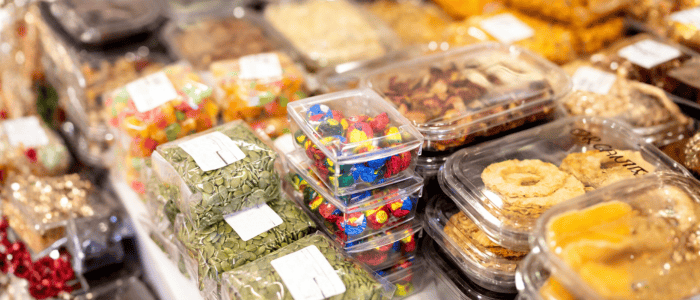
Indian packaged foods often contain hidden sugars and unhealthy oils. That innocent-looking packet of chips or instant upma mix? It's loaded with ingredients your body doesn't need during cancer recovery.
Chinese food and cancer concerns often relate to MSG (monosodium glutamate) and Ajinomoto, commonly used in Indo-Chinese restaurant preparations. While moderate amounts may be safe for healthy individuals, cancer patients should avoid excess MSG as it may trigger inflammation and contains high sodium.
2. Red and processed meats
This includes mutton, beef, pork, and all processed meats, such as sausages, salami, bacon, hot dogs, and packaged kebabs.
The World Health Organization classifies processed meats as Group 1 carcinogens (cancer-causing). Red meat falls into Group 2A (probably carcinogenic).
These meats contain compounds like N-nitroso and heterocyclic amines formed during processing or high-temperature cooking.
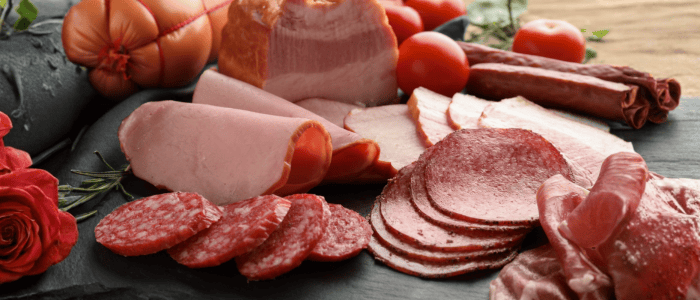
For Indian diets, this means limiting tandoori meats cooked at very high temperatures, heavily processed seekh kebabs, and cured meats. The traditional Sunday mutton curry should become an occasional treat rather than a weekly habit.
3. Sugary foods and beverages
White sugar, jaggery in excess, sugary chai, packaged fruit juices, sodas, sweets, pastries, and desserts all belong here.
Cancer cells consume sugar rapidly. While your body needs some glucose for energy, excess refined sugar creates spikes that may fuel cancer growth. High sugar intake also leads to obesity, insulin resistance, and inflammation, all cancer risk factors.
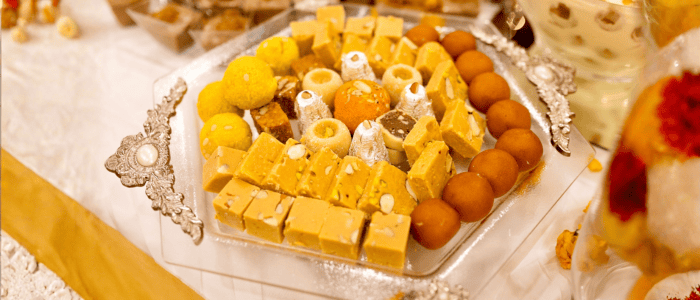
Indian sweets like gulab jamun, jalebi, and barfi are particularly concentrated in sugar. Even "healthier" options like dates or dried fruits should be eaten in moderation during cancer treatment.
4. Alcohol
Beer, wine, whiskey, rum, vodka - all forms of alcohol increase cancer risk.
The National Cancer Institute confirms that alcohol consumption is linked to cancers of the mouth, throat, oesophagus, liver, breast, and colon.
Alcohol breaks down into acetaldehyde, a toxic compound that damages DNA and prevents cells from repairing this damage. It also increases estrogen levels, which can fuel hormone-related cancers.
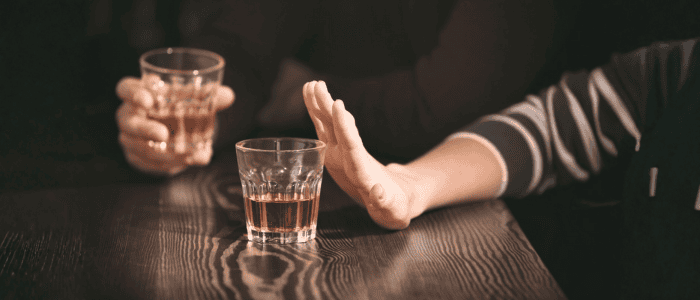
For cancer patients, alcohol interferes with treatment effectiveness and recovery. It stresses the liver, which is already working hard to process medications.
5. High-sodium foods
Pickles (achaar), papads, salted chips, soy sauce, ready-made curry pastes, canned soups, and salted snacks all contain excessive sodium.
High salt intake is linked to stomach cancer risk. It damages the stomach lining, increases inflammation, and may promote H. pylori infection (a stomach cancer risk factor). For patients with stomach cancer foods to avoid, reducing sodium is critical.
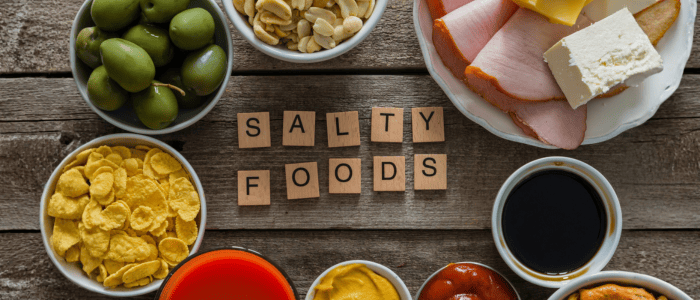
Traditional Indian pickles preserved in salt and oil should be limited. That daily papad with meals? Skip it during treatment.
What food should cancer patients avoid during treatment
Beyond the main five categories, specific situations require additional caution. Here's what foods to avoid during cancer treatment based on your treatment type:
During chemotherapy:
- Raw or undercut meats, eggs, and seafood (infection risk)
- Unwashed raw vegetables and salads
- Street food and outside food (hygiene concerns)
- Grapefruit and pomelo (interferes with certain drugs)
- Strong-smelling foods if experiencing nausea
During radiation therapy:
After surgery:
- Gas-producing foods like cabbage, beans, and carbonated drinks
- Heavy, fried foods that are hard to digest
- Large meals (eat small, frequent portions instead)
General guidelines for all patients:
- Avoid buffets and shared serving spoons (infection risk)
- Skip unpeeled fruits if the white blood cell count is low
- Limit deep-fried foods like samosas, pakoras, and puris
How to identify cancer-causing foods
Knowing how to avoid cancer causing foods means becoming a smarter shopper. Here's how to read labels and make better choices:
Check the ingredient list:
- If sugar appears in the first three ingredients, avoid it
- Watch for hidden names: high fructose corn syrup, maltose, dextrose
- Avoid anything with "hydrogenated" or "partially hydrogenated" oils
Look for these red flags:
- Artificial colours (Tartrazine, Sunset Yellow)
- Preservatives (Sodium benzoate, Potassium bromate)
- Flavour enhancers (MSG, disodium inosinate)
- Long shelf life (indicates heavy preservation)
Assess sodium content:
- Anything above 400mg sodium per serving is high
- Choose products with less than 200mg when possible
Choose whole foods over packaged:
- Fresh vegetables instead of canned
- Home-cooked meals instead of ready-to-eat
- Natural spices instead of curry powder mixes
Be cautious with "healthy" claims:
- "Sugar-free" often means artificial sweeteners
- "Low-fat" might mean added sugar
- "Natural" isn't regulated and means little
Healthy alternatives to replace foods to avoid
Foods to avoid when you have cancer shouldn't leave your plate empty. Here's what to eat instead - these are foods that prevent cancer progression and support recovery:
- Instead of processed snacks:Roasted makhana, homemade trail mix with nuts and seeds, fresh fruit, roasted chana
- Instead of red meat: Fish (especially fatty fish like salmon and mackerel), chicken breast, eggs, paneer, tofu, legumes (dal, rajma, chana)
- Instead of sugary drinks:Fresh vegetable juice, buttermilk, coconut water, herbal teas, infused water with cucumber and mint
- Instead of alcohol:Fresh lime water, tender coconut water, homemade fruit smoothies
- Instead of high-sodium foods:Fresh herbs and spices for flavour, lemon juice, homemade chutneys with less salt, roasted spices
- Instead of packaged foods:Home-cooked meals, fresh roti and rice, seasonal vegetables, homemade dals
- Foods to add more of:Cruciferous vegetables (broccoli, cauliflower), berries, tomatoes, green tea, turmeric, garlic, whole grains, olive oil
These alternatives aren't just safer - they're foods that prevent cancer by providing antioxidants, fibre, and anti-inflammatory compounds your body needs.
Get expert advice on what food to avoid for cancer patients
Understanding what foods to avoid with cancer empowers you to make choices that support your healing. This isn't about perfection. It's about progress.
Start small. Replace one processed snack with a healthy alternative. Cook one more meal at home this week. Read one food label before buying.
Remember foods to avoid if you have cancer are guidelines based on research, not rigid rules that allow no flexibility. An occasional treat won't derail your progress. But daily choices add up over time.
For personalised nutrition guidance tailored to your specific cancer type and treatment plan, consult with specialists at cancer treatment centres like Everhope who understand the connection between diet and recovery.
FAQs on cancer causing foods to avoid
Are pickled and smoked food to avoid for cancer survivors?
Yes, pickled and smoked foods should be limited as they contain nitrates and nitrites that convert to cancer-causing compounds, plus high sodium that promotes inflammation and stomach cancer risk.
Are high-fat dairy products safe during cancer treatment?
High-fat dairy should be limited, especially for hormone-related cancers like breast cancer, as they may increase estrogen levels. Choose low-fat options or plant-based alternatives instead.
Which beverages should cancer patients avoid?
Avoid alcohol, sugary sodas, packaged fruit juices, energy drinks, and excessive coffee. Instead, choose water, herbal teas, buttermilk, coconut water, and fresh vegetable juices.