Symptoms5 min read
Folic Acid Supplement: Importance, Benefits and Deficiency Symptoms
Dr. Vrundali Kannoth

You've probably heard about vaccines that protect against diseases like measles or flu. But did you know some vaccines can actually help prevent certain types of cancer? A cancer prevention vaccine works differently than you might expect.
It doesn't target cancer cells directly, but instead, it protects you from viruses that can lead to cancer years down the line. They're approved, safe, and doctors worldwide recommend them for people at different stages of life.
Cancer vaccines are medical treatments that use your body's immune system to fight or prevent cancer. Unlike traditional vaccines that protect against infections like flu, fever, or measles, cancer vaccines work in two ways.
Some prevent cancer by blocking viruses linked to cancer development, whereas others help treat existing cancer by training your immune system to attack cancer cells.
Knowing how vaccines and cancer prevention work together can help you protect yourself and your family.
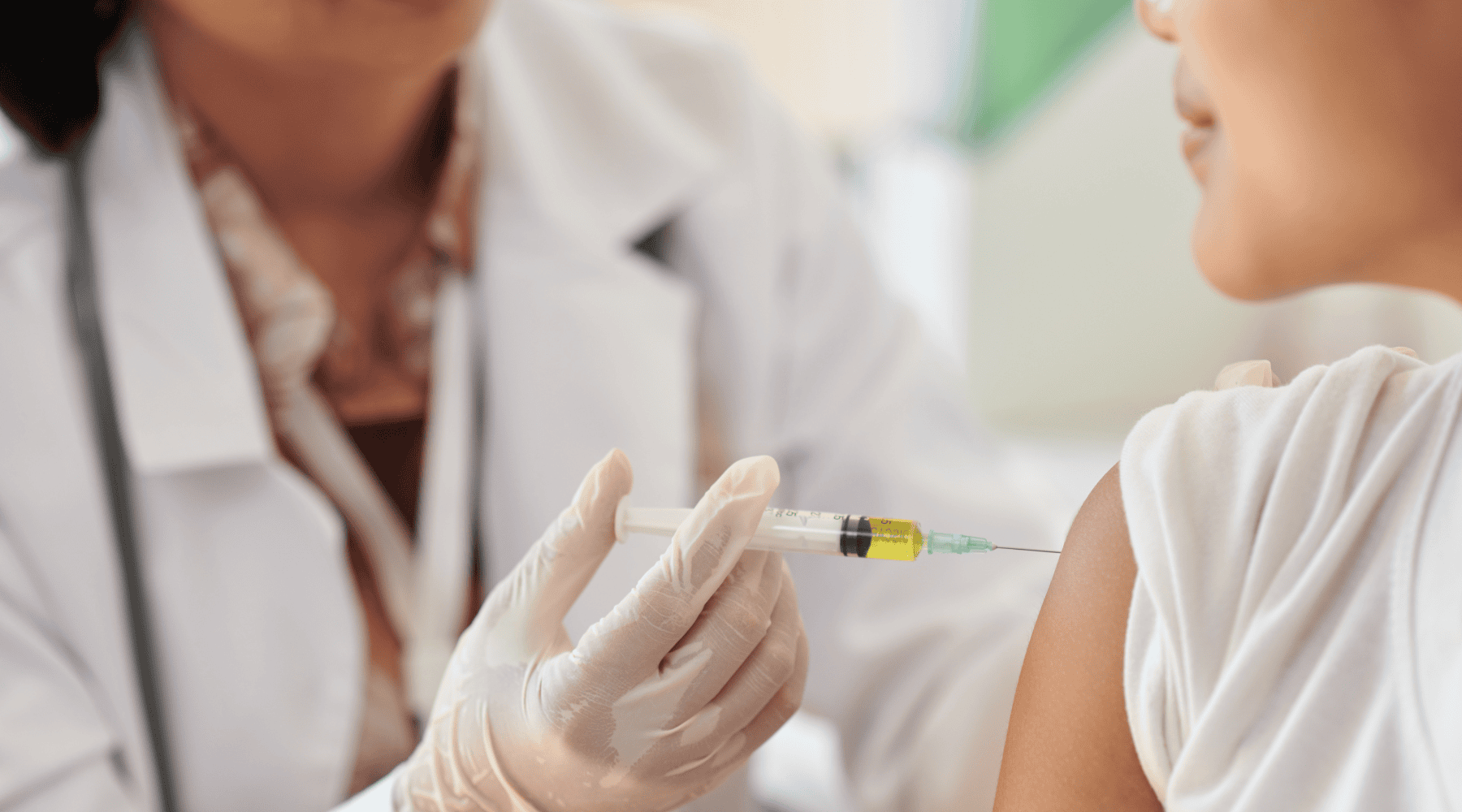
Cancer vaccines help your body to recognise specific viruses associated with cancer risk. Once vaccinated, your body builds defences against these viruses and different stages of cancer.
Here's what happens after a cancer protection vaccine:
These vaccines are most effective when administered before exposure to the virus occurs. That's why doctors recommend them at specific ages. Furthermore, they're most effective when given as a series of shots rather than a single dose.
Cancer vaccines are typically of two main types based on when and how they're used. Let’s take a look at them:
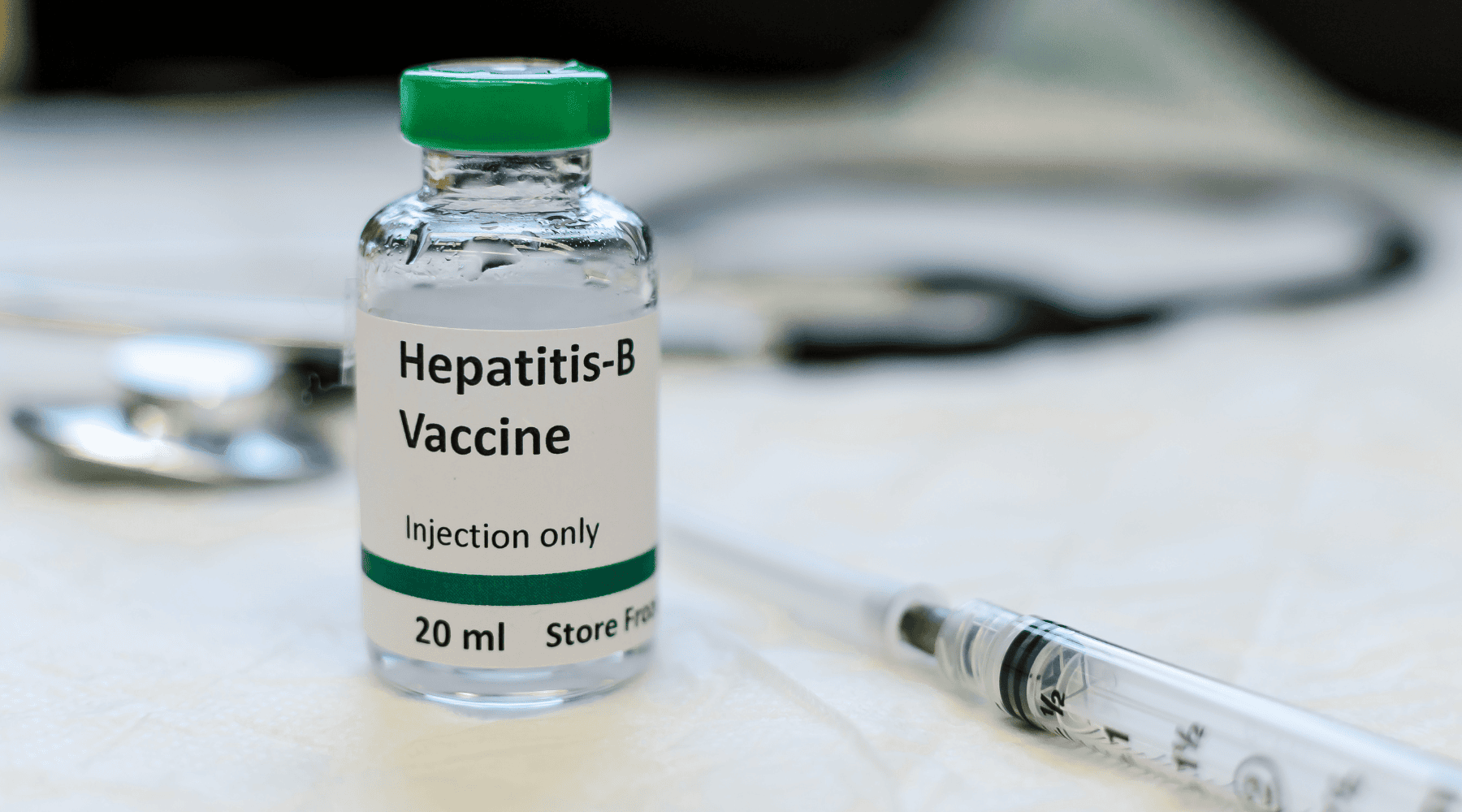
These vaccines are typically given during childhood, adolescence, or early adulthood before potential exposure to these viruses. The idea is to build immunity early so your body can fight off the virus if you ever encounter it. Once vaccinated, the protection can last for many years or even decades.
These vaccines are still largely in the research and development phase for most cancer types. Some have been approved for specific cancers, but they're not as widely available as preventive options.
Clinical trials continue to explore how therapeutic vaccines can be used alongside other cancer treatments like chemotherapy or immunotherapy.
Many people ask, “Is there vaccine for cancer?” The answer is yes, but only for certain types. In almost all countries worldwide, cancer vaccine development has been a significant focus. There are some vaccines that are already approved, while others are still in the testing phase.
Here's a quick look at what's available today and what's likely to come next.
| Vaccine | Type | Status | Availability | What to know |
|---|---|---|---|---|
| HPV (e.g., Gardasil 9, Cervarix) | Preventive | Developed | Global (routine programs via CDC/WHO guidance) | High efficacy against vaccine-type HPV disease; recommended from age 9–12 with c |
| Hepatitis B (e.g., Engerix-B, Recombivax HB, HEPLISAV-B) | Preventive | Developed | Global (WHO-recommended) | Prevents chronic HBV infection - lowers hepatocellular carcinoma risk |
| Sipuleucel-T (Provenge) | Therapeutic | Developed | USA FDA-approved; EU authorisation withdrawn (not marketed) | Metastatic castration-resistant prostate cancer (minimally symptomatic) |
| BCG (intravesical) | Therapeutic immunotherapy (vaccine) | Developed | Global (standard of care; FDA-licensed products like TICE BCG) | Delivered into the bladder to reduce recurrence/progression after TURBT. |
| T-VEC / Imlygic (talimogene laherparepvec) | Oncolytic viral immunotherapy (vaccine-like) | Developed | USA FDA-approved; EU EMA-approved | Local treatment of unresectable melanoma lesions |
| mRNA-4157/V940 + pembrolizumab (Moderna/Merck) | Therapeutic (mRNA, personalised) | Emerging | Global clinical trials | Personalised mRNA vaccine tested for melanoma. Early results show fewer recurrences when combined with immunotherapy |
| Autogene cevumeran (BNT122) | Therapeutic (mRNA, personalised) | Emerging | Global clinical trials (BioNTech & Genentech | Personalised vaccine being tested for pancreatic and other solid cancers |
| BNT116 (BioNTech) | Therapeutic (mRNA) | Emerging | Global clinical trials | Designed for lung cancer but still in testing phases |
Now that you understand what these vaccines are and how they function, let's look at why they matter for your health:
While these vaccines offer valuable protection, they're not without their challenges.
So when people wonder, “Are there vaccines for cancer?” it's important to know that options are limited to virus-related cancers for now.
Here are some other key challenges:
Scientists are currently testing new cancer vaccine options in clinical trials worldwide against cancer types like melanoma, lung cancer, and pancreatic cancer. They are also investigating mRNA technology, which has shown promising results in early trials for certain cancers.
While there isn't yet a cancer cure vaccine that eliminates it completely, these developments bring hope for more preventive options in the coming years.