Nutrition5 min read
Creatine and Glutamine: A Clear Guide for Cancer Nutrition and Recovery
Dr. Vrundali Kannoth

There are days when your body feels heavy, your mind slower, and your heart quietly asks, “Will I ever feel normal again?”
If you’re about to begin chemotherapy, or are somewhere in the middle of it, that question might already echo inside you. And it’s okay. Every patient who walks this path wonders the same.
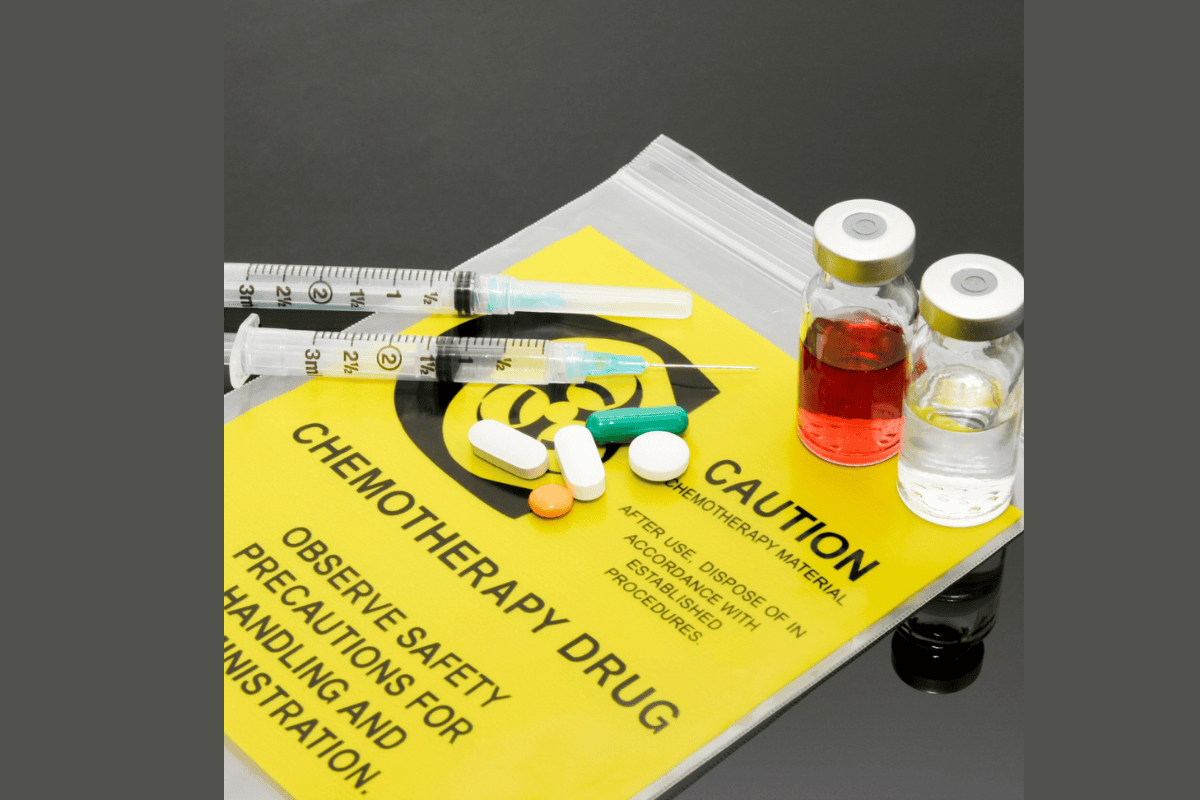
Chemotherapy is a treatment designed with one goal in mind: to destroy fast-growing cancer cells. But while it works toward healing, it also brushes against healthy cells that divide quickly: like those in your hair, mouth, skin, and gut. That’s where the chemotherapy side effects come from.
Eating well through treatment is hard. Get a personalised onco-nutrition plan from Everhope's dietitians.
Chemotherapy drugs are designed to target rapidly dividing cancer cells. However, not all fast-dividing cells in the body are harmful. Cells in your hair follicles, digestive lining, bone marrow, and skin also grow quickly.
When these healthy cells get caught in the line of treatment, they temporarily lose balance, leading to fatigue, hair loss, digestive troubles, and other cancer chemotherapy side effects.
Every person’s body reacts differently to chemotherapy. The common side effects of chemotherapy may range from mild to more intense, depending on the type of drug, dose, and your body’s resilience.
Let’s look at the most common side effects of chemotherapy, and what you can do to manage them.
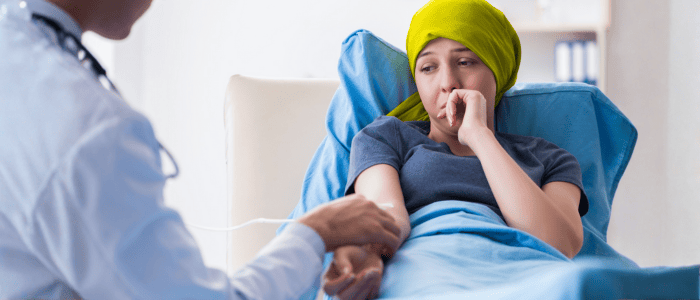
This is often the first and most major side effect of chemotherapy. The body feels drained because the blood cell count drops and energy is redirected to healing.
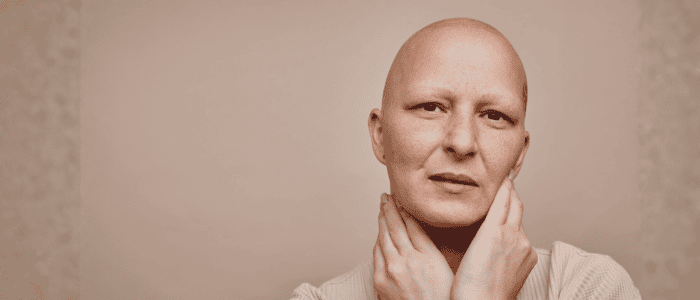
Chemotherapy drugs may affect your hair follicles, leading to thinning or complete hair loss. Some patients also notice dry or itchy skin.
Nausea is one of the toughest side effects during chemotherapy. It can also irritate the mucosa, the delicate lining of your mouth and gut, making them more sensitive to certain foods or drinks.

Avoid strong odours and greasy foods when your stomach feels unsettled.
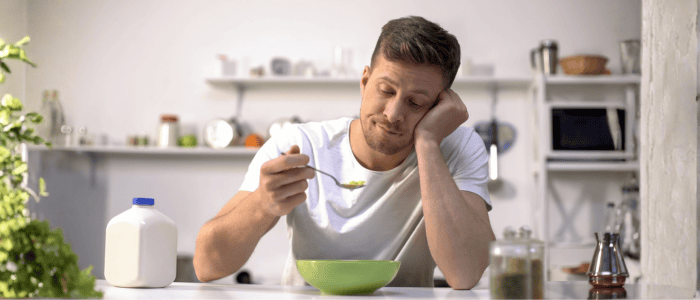
Chemotherapy side effects can alter taste buds and affect appetite. You might feel that nothing tastes right. That’s normal.
Some chemotherapy drugs can strain the kidneys.

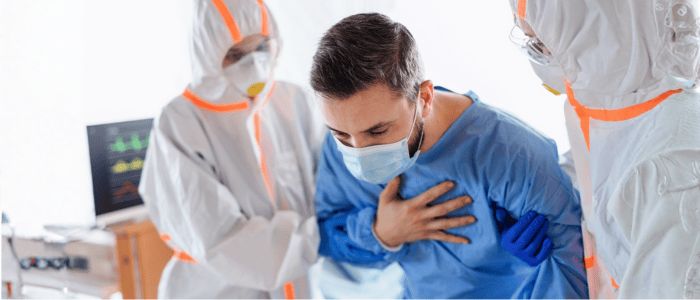
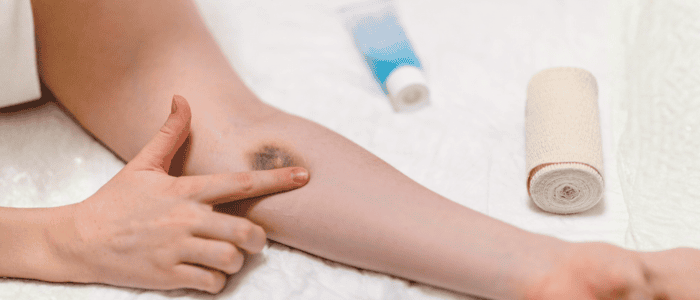
As chemotherapy affects bone marrow (where blood cells are made), bruising and mild bleeding might occur.
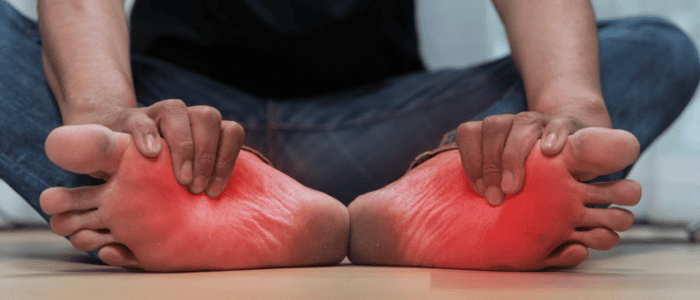
Some drugs can affect nerve endings, causing tingling or numbness in fingers and toes.
Most chemotherapy side effects fade after the treatment cycle ends. However, some long-term side effects of chemotherapy may appear months or years later
These side effects of chemotherapy might include:
Your oncologist will monitor these closely and adjust your plan if needed. Always share new or prolonged symptoms; serious side effects of chemotherapy are rare but manageable with early care.
Some chemotherapy side effects appear within hours of treatment (called acute), while others may take days or weeks to show up (delayed). Most resolve once the body starts rebuilding its healthy cells again.

Download Your Free Guide Book Now
| Types of side effects during chemotherapy | When it starts | How long does it last | Common symptoms | Helpful care tips |
|---|---|---|---|---|
| Acute side effects | Within a few hours to 2 days after chemotherapy | Usually a few hours to several days | Nausea, vomiting, fatigue, headache, mild fever, mouth soreness | Stay hydrated, eat light meals, take prescribed anti-nausea medication, rest often |
| Early delayed side effects | 3-10 days after treatment | 1-3 weeks | Hair loss, mouth ulcers, skin dryness, temporary loss of appetite, mild constipation or diarrhoea | Use gentle mouth rinses, soft toothbrushes, fragrance-free moisturisers, and balanced meals |
| Late delayed side effects | 2-4 weeks after treatment or in later cycles | Several weeks to months | Numbness in hands/feet (neuropathy), anaemia, brittle nails, mood changes | Gentle exercise, nutrient-rich foods, supplements as advised, and open discussion with your oncologist |
| Long-term side effects | Months to years after finishing chemotherapy | Can persist or appear later | Fertility changes, heart or lung strain, cognitive fog, fatigue | Regular medical follow-ups, healthy sleep, stress reduction, and guided rehab support |
Recovery speed varies, but remember, every phase has an end. The body knows how to heal when given time, rest, and nourishment.
Managing the chemotherapy side effects is not just about medicines; it’s also about mindfulness, nutrition, and self-kindness.
Here’s what helps:
Learning how to minimise chemotherapy side effects is a gradual process. But with time, you’ll understand your body’s rhythm and how small habits create big differences.
Chemotherapy is not just a medical journey; it’s an emotional one. You’ll face tired days, shifting moods, and moments when strength feels far away. However, this phase is temporary, and every side effect is a sign that your treatment is working deeply within you.
Products readers use for these side effects
Matched to this article's topics — not bestsellers

Chemo Gut Relief Pack for nausea, bloating, diarrhea & poor digestion - Digest All Care, S. Boulardii Probiotic Care
Eases nausea, bloating and diarrhea
₹2,409
View product
Fatigue Fighter Essentials for fatigue, weakness & muscle loss - CoQ10, Assimilate Vegan Protein Vitamin D3+K2-7
Counters chemo fatigue and muscle loss
₹2,150
View product
Recovery Essentials - Omega-3, Vitamin D3, CoQ10
Supports recovery between treatment cycles
₹2,277.50
View product← swipe for more →
Available at the Everhope store · always consult your care team before starting any supplement