IntravenousCisplatin: Key Side Effects & Uses Patients Must Know
Dr. Vrundali Kannoth|5 min read|
If you've been told you'll receive cisplatin as part of your cancer treatment, you probably have questions. What exactly is this drug? How will it affect you? What should you expect?
These are important questions. Cisplatin is one of the most effective chemotherapy drugs available, used to treat many cancer types. But like all powerful medications, it comes with potential cisplatin side effects that you should understand before treatment begins.
This guide explains everything you need to know about cisplatin - how it works, cisplatin uses in cancer, common and serious side effects, and practical strategies to manage them.
What is cisplatin?
Cisplatin is a platinum-based chemotherapy drug that has been used in cancer treatment since the 1970s. It remains one of the most widely prescribed chemotherapy agents worldwide due to its effectiveness against many solid tumours.
How does cisplatinwork?
Cisplatin kills cancer cells by damaging their DNA. It binds to DNA strands within cells, creating cross-links that prevent cancer cells from dividing and growing.
When cells can't replicate properly, they die. This mechanism makes cisplatin particularly effective against rapidly dividing cancer cells.
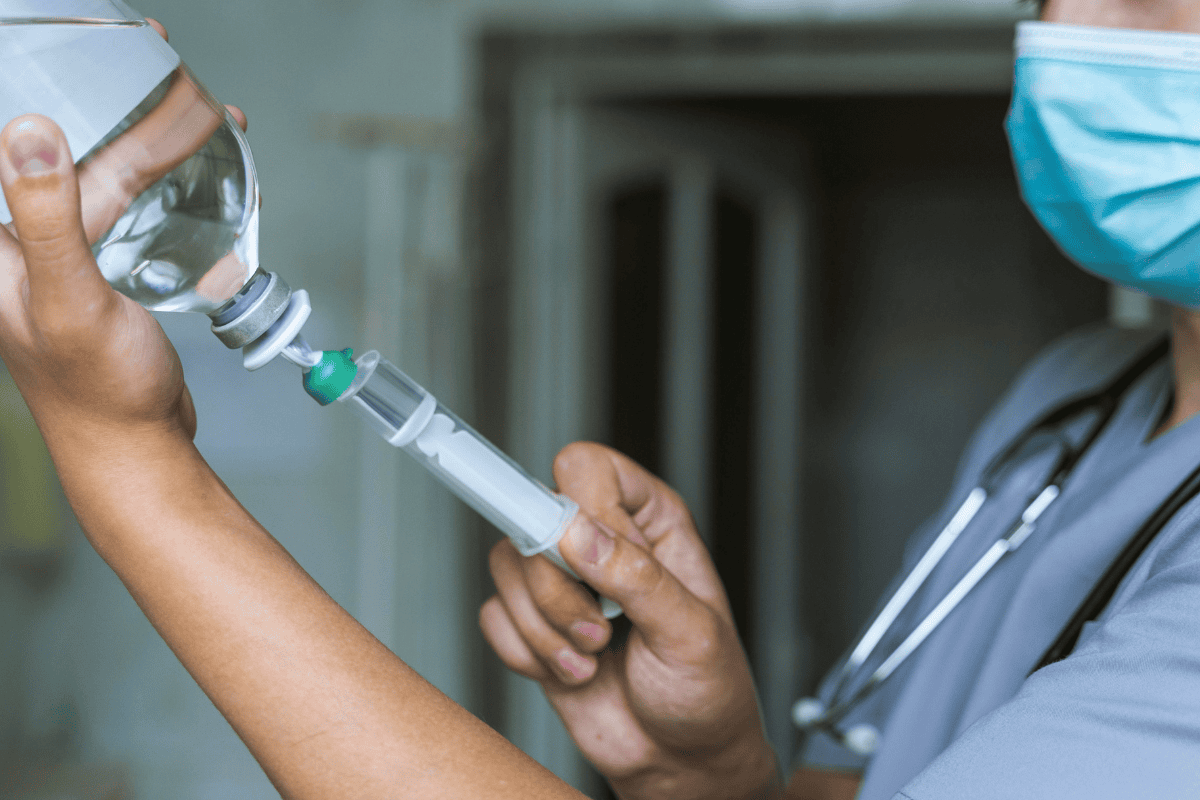
Why is cisplatin given through the intravenousroute?
Cisplatin must be administered intravenously (directly into a vein) for several important reasons:
•Absorption
Oral administration would result in poor and unpredictable absorption from the digestive system
•Stability
The drug remains stable in IV solution but would be degraded by stomach acids
•Controlled dosing
IV delivery allows precise dose control, which is critical because cisplatin has a narrow therapeutic window
•Immediate action
IV administration ensures the drug reaches the bloodstream quickly and begins working immediately
Cisplatin injection side effects begin once the drug enters your bloodstream and travels throughout your body, which is why understanding what to expect matters.
Uses and benefits of cisplatin
Cisplatin uses span a wide range of cancer types. The drug is considered essential medicine by the World Health Organization for its proven effectiveness.
Uses of cisplatin include treatment of:
•Testicular cancer
Cisplatin-based regimens cure over 90% of testicular cancers, even when metastatic
•Ovarian cancer
First-line treatment in combination with other drugs
•Bladder cancer
Both early and advanced stages
•Lung cancer
Both small cell and non-small cell types
•Head and neck cancers
Often combined with radiotherapy for enhanced effectiveness
•Cervical cancer
Standard treatment, particularly with radiation
•Oesophageal and stomach cancers
Usually in combination protocols
•Mesothelioma
Part of standard treatment regimens
Research published in The Lancet Oncology confirms that cisplatin remains irreplaceable for certain cancers, particularly testicular cancer, where it has transformed a previously fatal disease into one with excellent cure rates.
Benefits of cisplatin:
Cisplatin uses offer significant benefits:
•Proven track record
Over 50 years of clinical use
•Effective
Against multiple cancer types
•Can be curative
Not just life-extending
•Synergistic
Works synergistically with radiation therapy
•Well-established
Well-established dosing protocols and safety monitoring
Commoncisplatin side effects
What are the side effects of cisplatin? Most patients experience some side effects, though the severity varies significantly between individuals.
When do cisplatin side effects start? Most side effects begin within hours to days after infusion.
Nausea typically starts within 1-4 hours. Blood count changes peak around 7-14 days. Some effects, like nerve damage, develop gradually over multiple treatment cycles.
Common cisplatin drug side effects include:
•Nausea and vomiting
Among the most common side effects of cisplatin chemotherapy. Cisplatin is classified as highly emetogenic (causes significant nausea). Modern anti-nausea medications have greatly improved this.
•Kidney effects
Cisplatin is cleared through the kidneys and can cause damage. This is why you'll receive extensive IV fluids before and after each dose. Regular blood tests monitor kidney function throughout treatment.
•Diarrhoea and appetite loss
Digestive upset is common. Many patients experience reduced appetite, taste changes, and bowel changes during treatment.
•Fatigue
Extreme tiredness affecting most patients, often worsening with each treatment cycle.
•Low blood counts
Cisplatin can suppress bone marrow, reducing white blood cells (infection risk), red blood cells (anaemia), and platelets (bleeding risk).
•Electrolyte imbalances
Particularly low magnesium and potassium levels, requiring monitoring and supplements.
Cisplatin side effects hair loss does occur, but is typically less severe than with some other chemotherapy drugs. Hair thinning is more common than complete hair loss. Hair usually regrows after treatment completion.
Serious and adverse effects of cisplatin
Cisplatin adverse effects can be serious. Understanding these helps you recognise warning signs requiring immediate medical attention.
Cisplatin side effects hearing loss (ototoxicity):
According to research in Journal of Clinical Oncology , hearing damage occurs in 30-60% of patients receiving cisplatin. It typically affects high-frequency hearing first and may be permanent.
Risk increases with higher cumulative doses. Report any ringing in ears (tinnitus), muffled hearing, or difficulty understanding speech immediately.
Nerve damage (peripheral neuropathy):
Numbness, tingling, or burning sensations in hands and feet. This long term side effects of cisplatin chemotherapy can persist months or years after treatment ends. About 50% of patients experience some degree of neuropathy.
Severe kidney damage (nephrotoxicity):
Without proper hydration protocols, cisplatin can cause serious kidney injury. Your team monitors creatinine levels carefully. Stay well-hydrated as instructed.
Cisplatin cardiac side effects:
Less common but documented. May include arrhythmias, heart failure (rare), or blood clot risk. Patients with pre-existing heart conditions require careful monitoring.
Cisplatin side effects long term:
Long term side effects of cisplatin chemotherapy can persist after treatment:
•Permanent hearing changes
•Ongoing peripheral neuropathy
•Potential fertility effects
•Rare secondary cancers
(very low risk)
•Kidney function changes
While most late effects stabilise over time, some patients experience permanent changes that require ongoing management.
Low dose cisplatin side effects:
Lower doses generally cause fewer and milder side effects. However, even reduced doses can cause significant effects in sensitive individuals. Your oncology doctors will balance effectiveness with tolerability.
How to manage and reduce sideeffects of cisplatin
Cisplatin side effects are significant, but many strategies help reduce their impact.
Before treatment:
•Stay hydrated
Drink 2-3 litres of fluids the day before treatment
•Eat well
Build nutritional reserves before starting chemotherapy
•Rest adequately
Start treatment well-rested
•Prepare anti-nausea medications
Have prescriptions filled and ready
During treatment:
•IV hydration
You'll receive substantial IV fluids. This is critical for kidney protection - don't try to shorten infusion time
•Anti-emetics
Take all prescribed anti-nausea medications, even if you feel fine initially
•Communicate
Report any symptoms immediately to your nursing team
After treatment:
•Continue hydration
Drink at least 2-3 litres daily for several days after treatment
•Monitor yourself
Watch for fever, severe vomiting, signs of infection
•Manage nausea
Eat small, frequent meals. Ginger tea, bland foods, and cold foods often work better
•Rest
Allow your body recovery time
Managing specificsideeffects
•For nausea
Take anti-emetics as scheduled, not just when you feel sick. Avoid strong smells. Eat cold or room-temperature foods.
•For fatigue
Balance rest with gentle activity. Short walks help more than complete bed rest.
Report immediately. Baseline and periodic hearing tests help monitor changes.
•Supplements and supportive care
Your team may prescribe magnesium and potassium supplements to replace what cisplatin depletes.
Final thoughts on cisplatin side effects
Cisplatin remains one of the most valuable weapons in cancer treatment . Despite significant cisplatin side effects, the drug has cured countless patients with testicular, ovarian, and other cancers that were previously untreatable.
Understanding cisplatin uses and potential side effects helps you prepare physically and emotionally. Knowledge reduces fear and empowers you to participate actively in your care.
Communicate openly with your team about how you're feeling. Side effects are manageable when addressed promptly.
For comprehensive support through cisplatin treatment, work closely with experienced oncology doctors and support staff who can personalise your care plan and help you through each treatment cycle.
FAQs on uses of cisplatin
Yes, cisplatin can affect fertility in both men and women. In men, it may reduce sperm count or cause temporary or permanent infertility. In women, it can affect ovarian function and may cause premature menopause.
Many cisplatin side effects are reversible after treatment ends. Nausea, fatigue, and blood count changes typically resolve within weeks. However, some effects may be permanent - particularly hearing loss and severe neuropathy.
Cisplatin is administered through an IV drip, typically over 1-2 hours depending on the protocol. Before the drug, you'll receive IV fluids for 1-2 hours to protect your kidneys, plus anti-nausea medications. After cisplatin, additional IV fluids continue for several hours.