
Colon Polyps: Causes, Symptoms, Diagnosis & Cancer Risk
On this page
If you or someone close to you recently saw a doctor because of some rectal issues, they must have mentioned the word "polyp" during the check-up. Maybe the doctor recommended testing because of the age, slight symptoms, or as part of regular check-ups.
But hearing about polyps often alongside cancer can bring up many questions.
Colon polyps are actually quite common, especially in people over 45, and most of them are not cancerous. But that doesn’t mean they should be ignored. Some polyps can slowly turn cancerous if left untreated, which makes timely detection and follow-up important.
In this blog, we’ll discuss what colon polyps are and their link to colorectal cancer, how they are diagnosed and treated, and tips to lower your risk.
Colon polyps meaning: Is it cancerous or not?
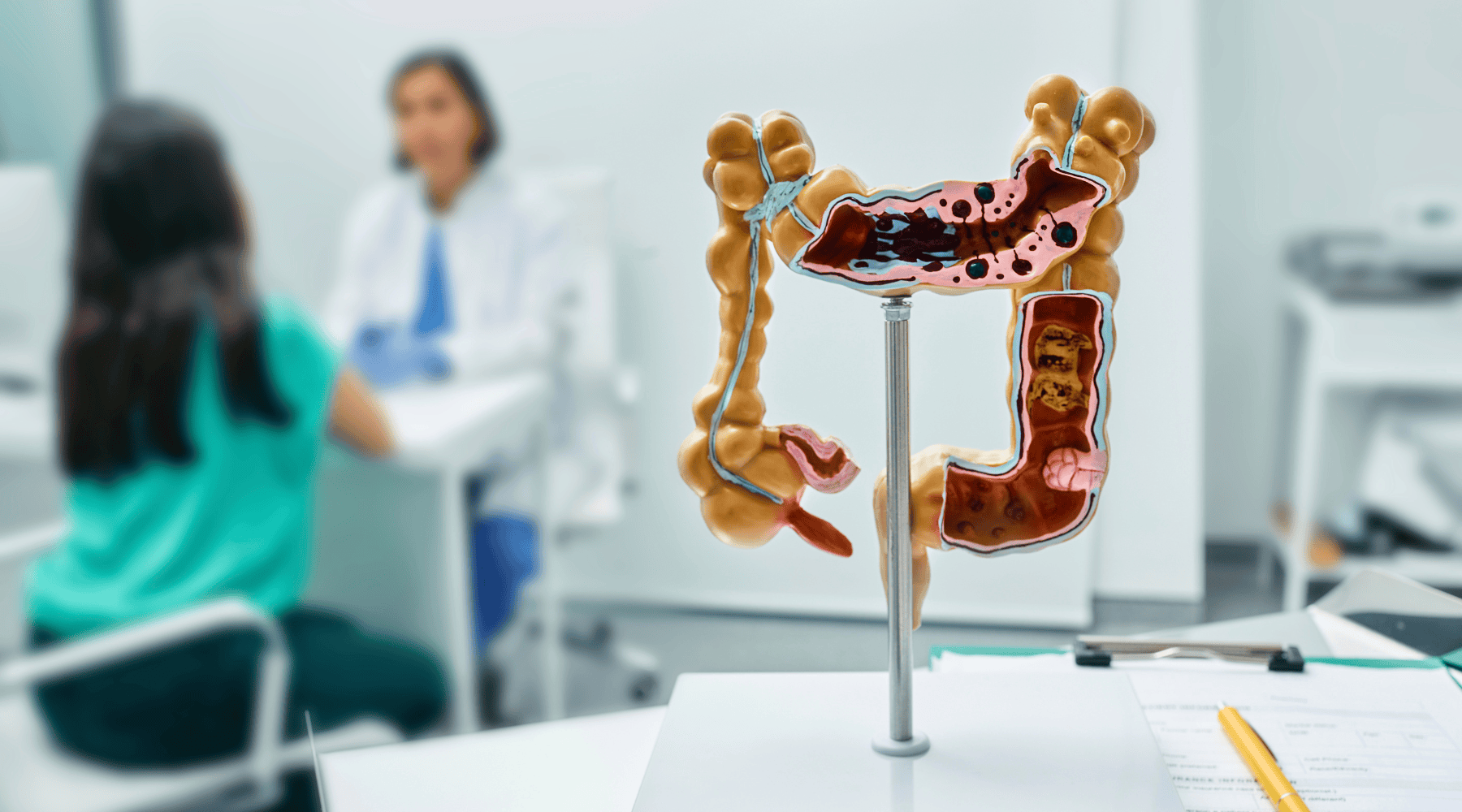
A colon polyp is a small clump of cells that forms inside the lining of the colon (large intestine). Colon polyps' symptoms are not noticeable, especially when they are small. However, in some cases, polyps may lead to:
- Blood in the stool
- Changes in bowel habits, such as constipation or diarrhea
- Abdominal pain or cramping
- Unexplained fatigue due to slow bleeding and anemia
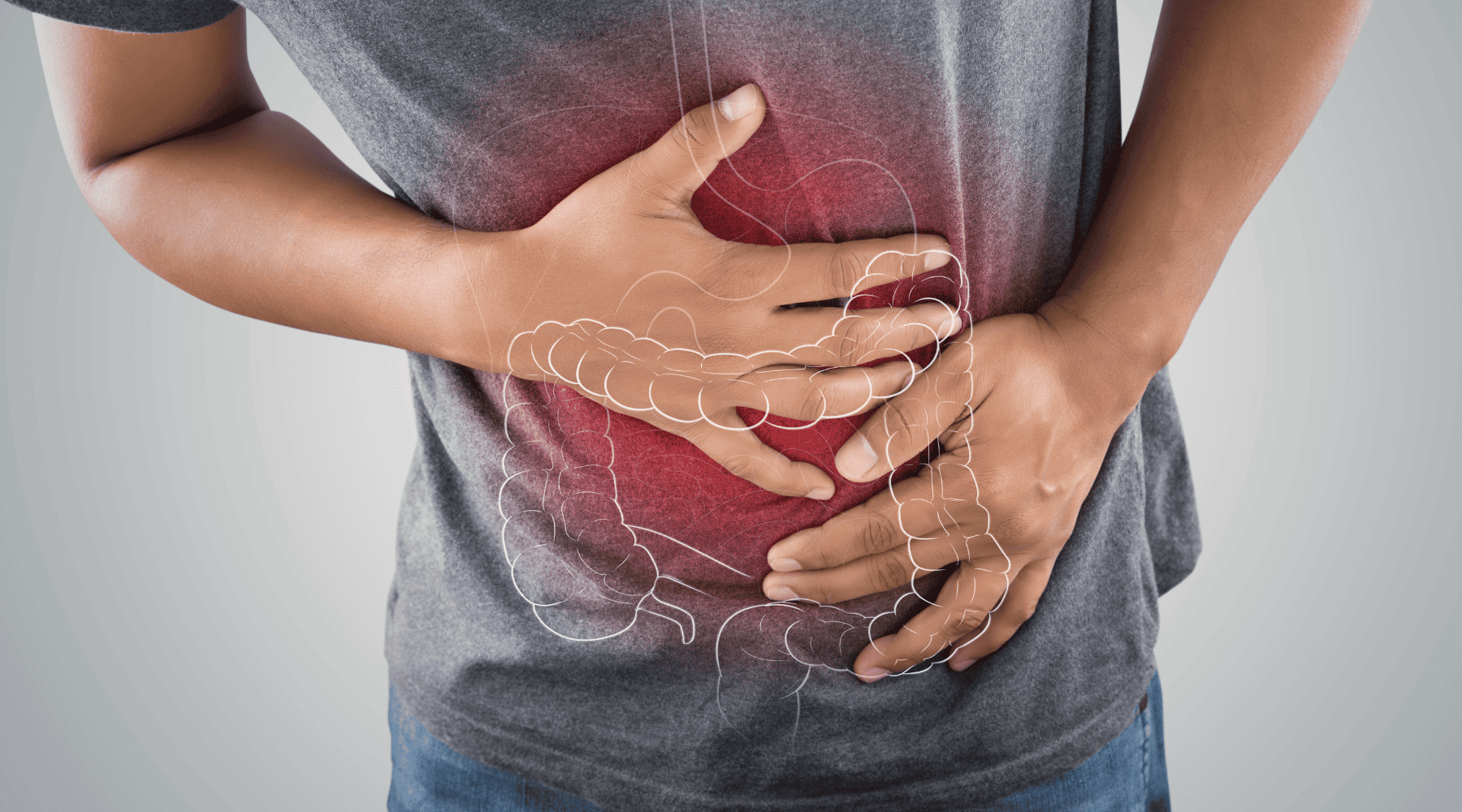
There are typically two types of colon polyps. One is non-neoplastic polyps, which are usually benign and do not come with colorectal cancer polyp risk.
These include hyperplastic polyps, hamartomatous polyps, and inflammatory polyps, which are often associated with conditions like inflammatory bowel disease or genetic syndromes.
The second is neoplastic polyps, which are considered precancerous or cancerous.
They include adenomatous polyp of colon (adenomas) and sessile serrated lesions (SSLs). These have the potential to become cancerous over time, especially if they are large or show certain high-risk features.
What increases the risk of polyps becoming cancer?
Many colon polyps never develop into cancer, but only 5% to 10% do. It's not just the type of polyps that play a role, but certain risk factors increase the likelihood of developing cancer. Let's look at them:
- SizeLarger polyps, particularly those greater than 1 centimetre (10 mm), are more likely to become cancerous compared to smaller ones.
- NumberHaving more than two polyps, around three to nine, has a higher colorectal polyp cancer risk.
- LocationPolyps located on the right side of the colon may carry more risk because they are sometimes harder to detect during screening.
- Family historyA personal or family history of colon polyps increases the chances of developing high-risk ones in the future.
- Inherited syndromesSome conditions, such as familial adenomatous polyposis (FAP) or Lynch syndrome , raise the chances of forming multiple polyps and developing colorectal cancer.
Colon polyps' diagnosis: How are they treated?
A healthcare provider may recommend a few initial screening tests to detect the polyps and remove them before they start showing signs of colon cancer. Some of these tests can also help find colorectal cancer in its early stages. These include:
- Stool testsA faecal occult blood test checks for hidden blood in the stool , which may signal bleeding from a colon polyp or tumour. Some stool-based tests, like FIT-DNA, can detect genetic changes that might indicate the presence of cancer.
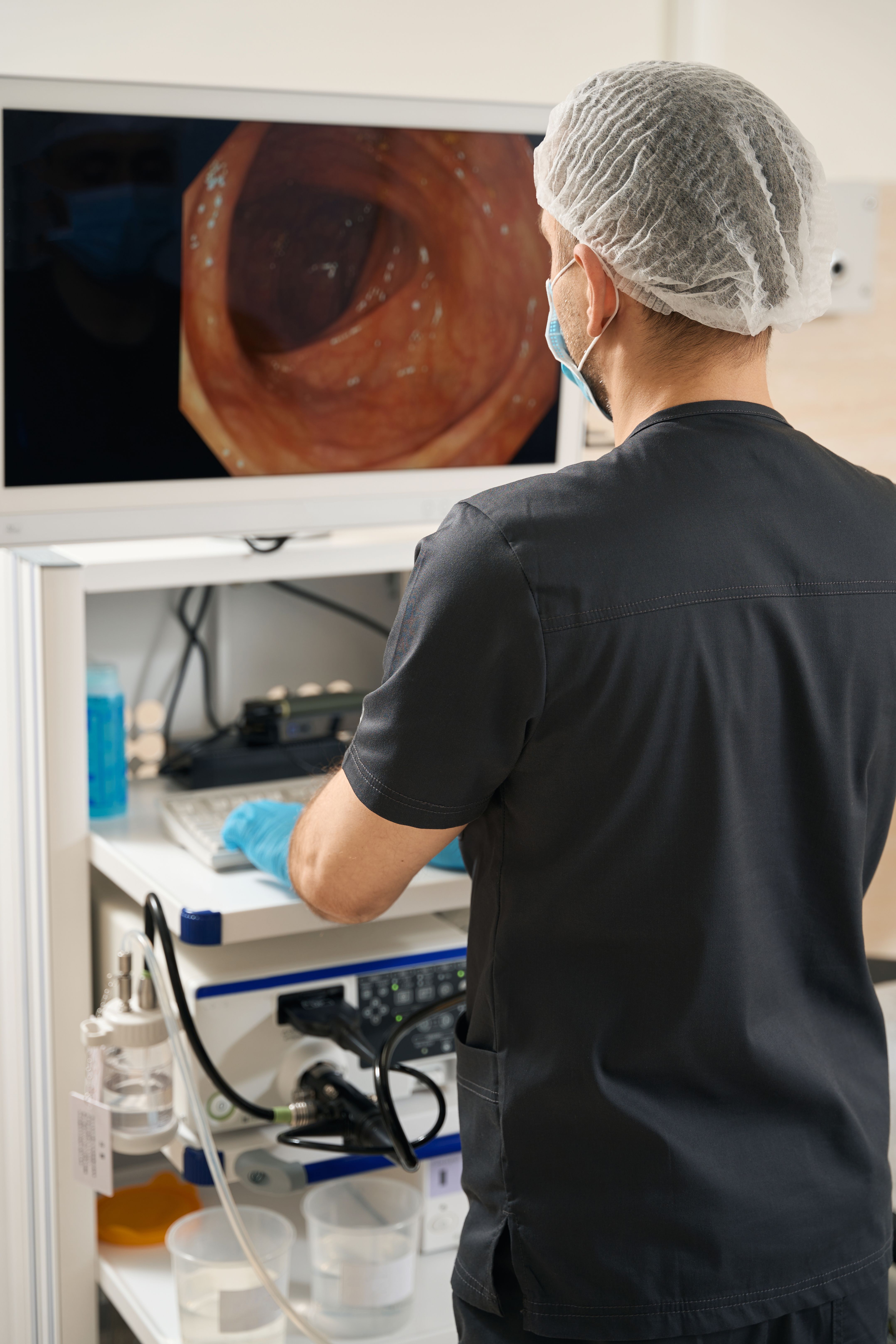
- ColonoscopyColonoscopy is the most reliable method for detecting and removing colon polyps. In this procedure, a small tube with a camera and light is inserted into the rectum to examine the colon. If polyps are found, they are removed immediately, or tissue samples are sent to a lab for testing. However, a colonoscopy does involve some preparations in advance, including bowel cleansing, to ensure that the colon is clear for accurate screening and removal.
- Virtual colonoscopyA virtual colonoscopy is a noninvasive imaging test that uses a CT scan to create detailed pictures of the colon and rectum. While it can detect polyps and abnormalities, it cannot remove them immediately, so a standard colonoscopy will still be needed if anything suspicious is found.
- Flexible sigmoidoscopyThe sigmoid colon polyp diagnostic test is quicker and less invasive than a complete colonoscopy and typically does not require full sedation. It uses a thin, flexible tube with a light and camera to examine the rectum and sigmoid colon. Flexible sigmoidoscopy is helpful for detecting polyps, inflammation, or early signs of cancer in the lower colon, but it does not evaluate the entire colon.
Staying healthy: How to lower the risk of colon polyps?
Some factors like age and genetics can’t be changed, but still, certain steps can help lower the chances of having colon polyps and, in turn, colorectal cancer. By making small changes in your lifestyle, you can easily support your health and reduce exposure to known risk factors. Here are some ways:
- Eat a high-fiber diet with plenty of fruits, vegetables, and whole grains
- Limit red and processed meats, which have been linked to increased colorectal polyp cancer risk
- Stay physically active and aim to maintain a healthy weight
- Avoid smoking and reduce alcohol consumption
With that said, finding a colon polyp doesn’t mean one should be worried, but it is an important warning sign that further evaluation is needed. Since most polyps take years to turn into cancer, timely diagnosis and early treatment of colon polyps can eliminate that risk before it begins.
That's why regular screening is essential. So, speak with your healthcare provider about your personal and family medical history to determine when screening should begin and how often it should be repeated.
With timely check-ups and certain lifestyle changes, it's possible to detect cancer early, and it also helps in preventing colon polyps from developing in the first place.
FAQs on colorectal polyp cancer risk
What are the early warning signs and symptoms of colon polyps?
Most colon polyps do not cause symptoms, especially when they are small. However, larger polyps may lead to rectal bleeding, a change in bowel habits, or mucus in the stool. These signs are not always specific, which is why screening is important, even in the absence of symptoms.
How often is screening recommended after polyp removal?
The screening interval depends on the type, size, and number of polyps found. For low-risk polyps, doctors may recommend a follow-up colonoscopy in five to ten years. If high-risk factors are present, like more than three polyps, a repeat colonoscopy may be advised in three years. The exact schedule is based on individual risk factors and colon polyps' treatment outcomes.
Can polyps return after being removed during a colonoscopy?
Yes, new polyps can develop over time, even after previous ones have been removed. This does not mean the original polyp has grown back, but rather that additional polyps may form in other areas of the colon. However, regular checkups help detect and remove them early.
Does colorectal cancer always start as a polyp?
Most colorectal cancers begin as polyps that grow slowly over time, but not all polyps become cancer. If not removed, some polyps, like adenomas or certain serrated ones, can turn cancerous, especially in people with genetic conditions like Lynch syndrome or FAP.