
+918929672099
Call Us
COPD vs Lung Cancer: A Clear Guide to Spot the Difference
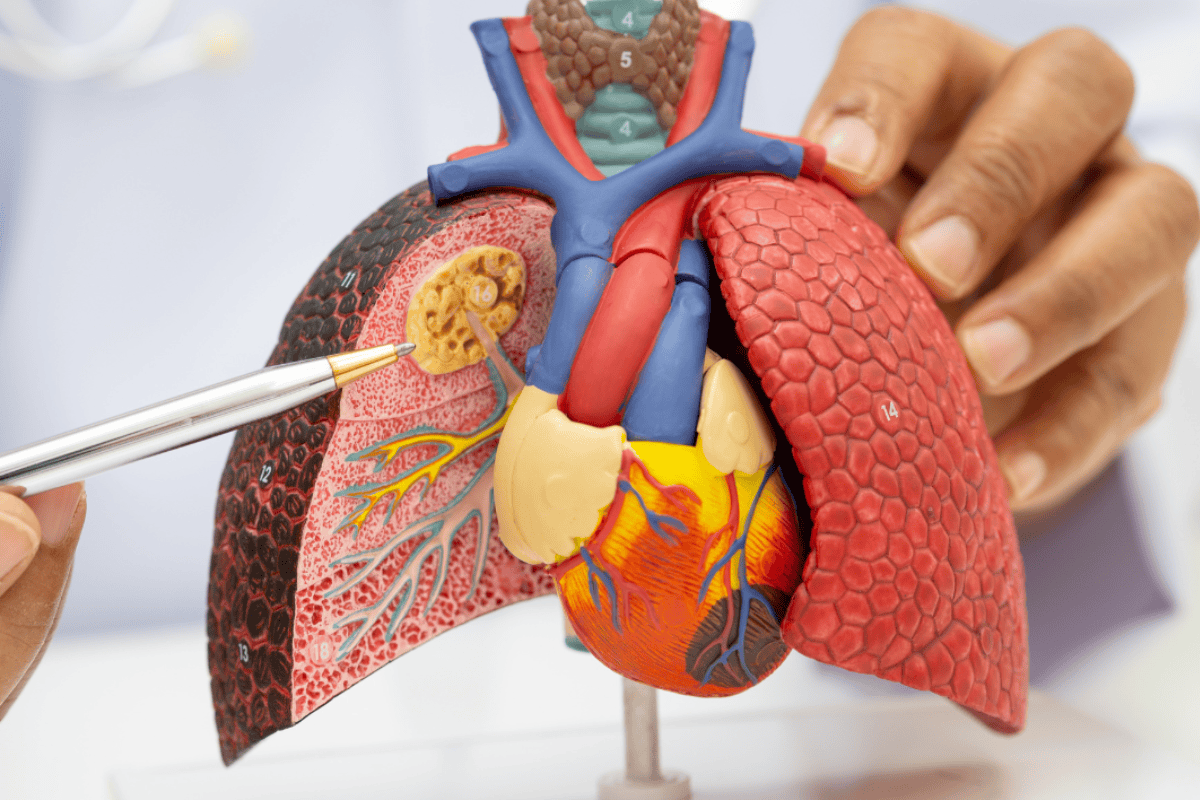
Dr. Vrundali Kannoth|5 min read|
Shortness of breath. Persistent cough. Chest tightness. When these symptoms show up, worry naturally follows.
Is it COPD? Is it cancer? Could it be both?
These questions matter deeply. Both conditions affect your lungs and breathing, and both are serious. But they're fundamentally different diseases requiring different approaches.
Whether you're experiencing symptoms, supporting someone through diagnosis, or simply want to understand the distinction, this guide provides clear, evidence-based answers.
Overview of COPD vs lung cancer
Let's start with the fundamental difference between COPD and lung cancer.
COPD (Chronic Obstructive Pulmonary Disease) is a progressive lung disease that makes breathing increasingly difficult over time. It's not cancer.
Lung cancer, on the other hand, involves abnormal cell growth. Cells in the lungs mutate and multiply uncontrollably, forming tumours that can spread to other body parts.
Both conditions share risk factors, particularly smoking, which is why they sometimes occur together. However, they develop differently, progress at different rates, and require distinct treatments.
What Is COPD?
COPD encompasses two main conditions: chronic bronchitis (inflammation of airways) and emphysema (damaged air sacs). Most people with COPD have elements of both.
What causes COPD?
According to the World Health Organization, smoking causes approximately 80-90% of COPD cases.
According to the World Health Organization, smoking causes approximately 80-90% of COPD cases. Long-term exposure to air pollution, occupational dust, chemicals, and indoor cooking smoke (common in rural India) also contributes significantly.
Risk factors include:
- •Current or former smoking
- •Long-term exposure to air pollutants
- •Occupational exposures (mining, construction, chemical industries)
- •Alpha-1 antitrypsin deficiency (genetic condition)
- •Childhood respiratory infections
Common symptoms:
- •Chronic cough with or without mucus
- •Shortness of breath, especially during physical activity
- •Wheezing and chest tightness
- •Frequent respiratory infections
- •Fatigue and reduced exercise tolerance
- •Bronchodilators (inhalers that open airways)
- •Corticosteroids to reduce inflammation
- •Oxygen therapy for advanced cases
- •Pulmonary rehabilitation programs
- •Lifestyle changes (smoking cessation, exercise)
COPD is manageable but not curable. Treatment slows progression and improves quality of life.
Key differences between COPD and lung cancer
While COPD and lung cancer share some similarities, key differences help distinguish them.
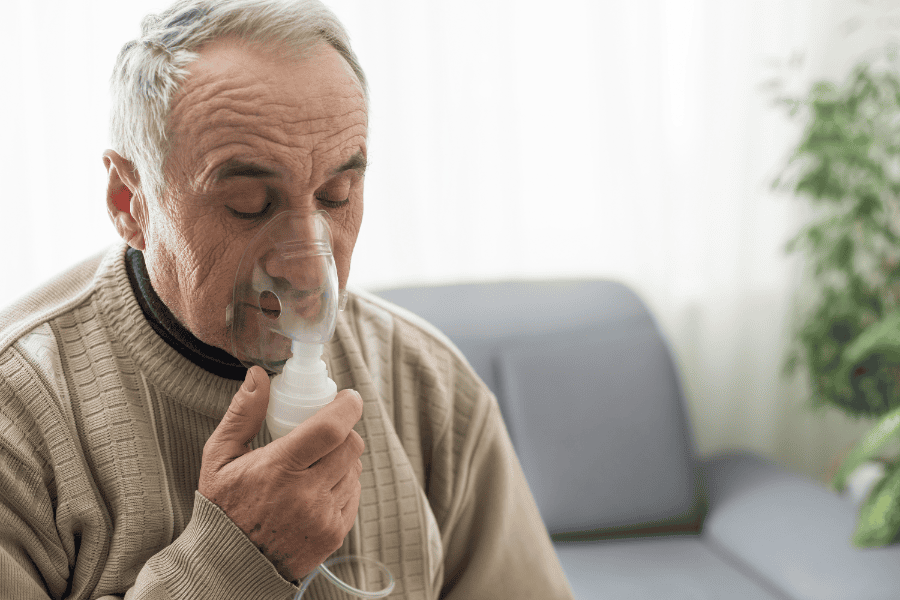
Symptoms: COPD vs Lung Cancer
Both cause breathing problems, but patterns differ:
COPD Symptoms:
- •Gradually worsen over years
- •Breathing difficulty predictable with activity
- •Chronic productive cough (mucus)
- •Symptoms relatively stable day-to-day
- •Wheezing common
- •Can appear suddenly or progress quickly
- •Coughing up blood (hemoptysis)
- •Unexplained weight loss
- •Bone pain if cancer spreads
- •Hoarseness or voice changes
- •Chest pain that worsens with breathing or coughing
A study found that hemoptysis, significant weight loss, and rapidly progressive symptoms strongly suggest cancer over COPD alone.
Disease progression & impact on lungs
COPD progression:
COPD damages airways and air sacs through inflammation and structural changes. Airflow becomes permanently limited.
The disease progresses in stages (GOLD 1-4) based on lung function tests, with symptoms worsening over years.
Lung cancer progression:
Cancer grows as a mass (tumour) that can invade surrounding tissue, spread to lymph nodes, or metastasise to distant organs. Different lung cancer types, small cell and non-small cell, progress at different rates.
Unlike COPD's gradual decline, cancer can progress unpredictably from early to advanced stages.
Diagnosis differences
Lung cancer diagnosis requires:
- •Chest X-ray or CT scan showing masses or nodules
- •PET scan to assess cancer spread
- •Biopsy confirming malignant cells
- •Molecular testing for targeted therapy options
COPD diagnosis involves:
- •Spirometry (lung function test) showing airflow limitation
- •Chest X-ray or CT showing hyperinflation, not masses
- •Assessment of symptoms and exposure history
The key distinction:
COPD shows functional impairment without malignant cells, while cancer shows abnormal cellular growth.
Treatment approach & management
COPD treatment and lung cancer treatment differ fundamentally:
COPD management:
- •Medications to improve breathing
- •Lifestyle modifications
- •Pulmonary rehabilitation
- •Oxygen therapy
- •Focus on symptom control and slowing progression
Lung cancer treatment:
- •Surgery to remove tumours
- •Chemotherapy to kill cancer cells
- •Radiation therapy
- •Immunotherapy and targeted therapies
- •Focus on eliminating or controlling cancer
COPD and lung cancer treatment become more complex when both conditions coexist, requiring careful coordination between pulmonologists and oncologists.
Can COPD Cause Lung Cancer?
"Can COPD cause lung cancer?" This is one of the most common questions patients ask.
The answer is nuanced:
COPD itself doesn't directly cause cancer, but having COPD significantly increases your risk.
A research found that people with COPD have 2-6 times higher risk of developing lung cancer compared to those without COPD, even after accounting for smoking history.
Why does this connection exist?
A research found that people with COPD have 2-6 times higher risk of developing lung cancer compared to those without COPD, even after accounting for smoking history.
Chronic inflammation in COPD creates an environment that may promote cancer development. Ongoing lung tissue damage and repair cycles increase the chance of DNA mutations. Additionally, both conditions share common causes - primarily tobacco smoke.
The relationship between COPD lung cancer is strong and well-established.
Life expectancy & survival rate
Understanding prognosis helps with planning and realistic expectations. However, remember: statistics describe populations, not individuals. Your specific situation depends on many factors.
COPD prognosis:
According to the Global Initiative for Chronic Obstructive Lung Disease (GOLD), 5-year survival rates for COPD vary by severity.
- •Mild COPD80-90%
- •Moderate60-70%
- •Severe40-50%
- •Very severe20-30%
Lung cancer prognosis:
The American Cancer Society reports 5-year survival rates vary dramatically by stage at diagnosis:
- •Localised63%
- •Regional spread35%
- •Distant metastasis7%
- •All stages combined25%
Lung cancer and COPD life expectancy:
When both conditions exist together, prognosis is generally poorer than either alone.
Stage 4 lung cancer and COPD life expectancy depends on multiple factors, including cancer type, treatment response, COPD severity, overall health, and complications like Respiratory Failure.
Research in the Annals of Oncology (2020) indicates that patients with both conditions face higher treatment complications and shorter survival, though treatment advances continue improving outcomes.
Lung cancer and COPD survival rate factors that improve outcomes:
- •Early cancer detection
- •Well-managed COPD
- •Smoking cessation
- •Good nutritional status
- •Adequate pulmonary function for treatment tolerance
- •Access to comprehensive care
Treatment options
Managing COPD or lung cancer requires individualised approaches. When both exist together, treatment becomes more complex but remains possible.
For COPD:
- •Long-acting bronchodilators (LABA, LAMA)
- •Inhaled corticosteroids if frequent exacerbations
- •Pulmonary rehabilitation exercises
- •Oxygen therapy when oxygen levels drop
- •Vaccinations (flu, pneumonia) to prevent infections
For lung cancer:
Treatment depends on cancer stage, type, and whether COPD limits treatment options. Surgery may not be feasible if lung function is severely compromised. In such cases, radiation or systemic therapies become primary options.
Coordinated COPD and lung cancer treatment:
When treating both simultaneously, doctors must balance cancer treatment effectiveness against COPD-related complications. For example:
- •Chemotherapy may worsen breathing or cause pulmonary toxicity
- •Radiation near lungs requires careful planning to preserve function
- •Surgery eligibility depends on remaining lung capacity
Specialised teams, including pulmonologists, oncologists, and thoracic surgeons, collaborate to optimise outcomes.
Preventive measures & lifestyle management
Prevention and Management Strategies
Whether you're at risk or already diagnosed, these steps help prevent progression and complications:
Most important:
Stop smoking. This single action reduces both COPD progression and lung cancer risk more than any other intervention. It's never too late as benefits begin within days.
Avoid Lung Irritants
- •Stay indoorsduring poor air quality days
- •Use N95 masksin polluted environments
- •Avoid occupational exposureto dust and chemicals
- •Improve indoor air qualitywith proper ventilation, avoid biomass fuel
Regular exercise:
Builds respiratory muscle strength and improves oxygen use efficiency. Even gentle walking helps.
Healthy nutrition:
Maintains strength, supports immune function, and aids recovery.
Stay current with screenings:
Annual low-dose CT scans are recommended for high-risk individuals (heavy smoking history, age 50-80).
Manage comorbidities:
Control diabetes, heart disease, and other conditions that complicate lung disease management.
Early medical attention:
Don't ignore new or changing symptoms. Conditions like Interstitial Lung Disease can complicate both COPD and cancer, requiring prompt evaluation.
Final thoughts on COPD vs lung cancer
Understanding COPD vs lung cancer empowers you to recognise differences, seek timely care, and make informed decisions.
Both conditions are serious but manageable with proper medical care. COPD is a chronic disease requiring ongoing management, while lung cancer demands aggressive treatment but may be curable if caught early.
If you have COPD, regular monitoring helps detect cancer early when treatment is most effective. If you're experiencing new respiratory symptoms, don't delay evaluation, as early lung cancer diagnosis dramatically improves outcomes.
The connection between COPD and lung cancer is real, but doesn't mean one inevitably leads to the other. Many people with COPD never develop cancer, and many cancer patients don't have COPD.
For expert evaluation, accurate diagnosis, and comprehensive treatment plans, consult with experienced pulmonologists and oncologists who can address your specific situation.
FAQs
Common questions
Yes, CT scans can identify both COPD changes (emphysema, airway thickening) and lung masses suggestive of cancer. However, a definitive cancer diagnosis requires biopsy, while COPD diagnosis relies primarily on pulmonary function tests combined with imaging.
Related Blogs
Education5 min read
Small Cell vs. Non-Small Cell Lung Cancer -What's the Difference?
Dr. Vrundali Kannoth

Diagnosis5 min read
Ultrasound Kya Hota Hai? (अल्ट्रासाउंड): प्रक्रिया, रिपोर्ट और उपयोग
Dr. Vrundali Kannoth