Do Non Stick Pans Cause Cancer? What Science Says
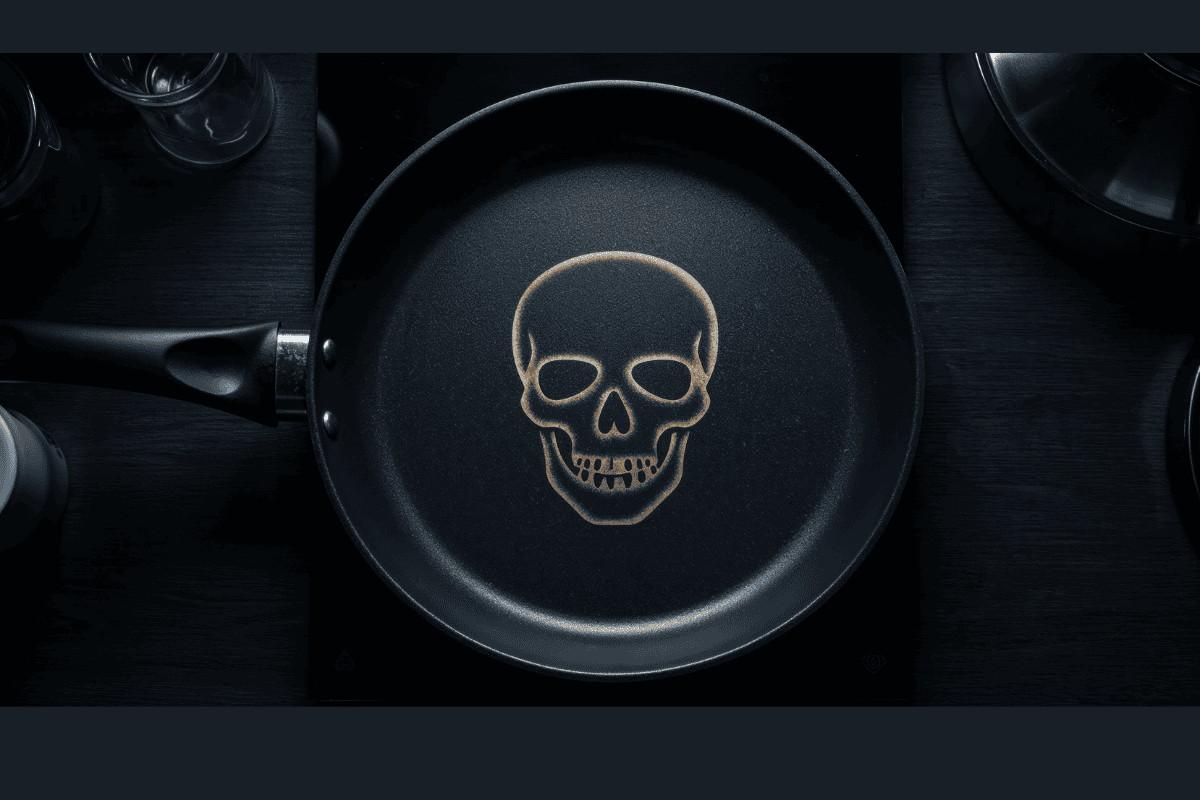
Dark Side of a Kitchen Staple
Consider the sizzle of pancakes on a smooth, easy-to-clean surface. Nonstick cookware can be found almost anywhere, from busy mothers' kitchens to professional chefs' stoves
But what if that convenience is quietly damaging your health?
Recent cautions from oncologists and health experts suggest that nonstick pans, particularly older or badly used ones, may silently increase your cancer risk. It's time to peel back the kitchen curtain and reveal the science, offer shocking facts, and, most importantly, provide you with powerful options for a safer, healthier kitchen.
What Makes Non-Stick Cookware Carcinogenic?
The chemical culprits are PFAS, PTFE, and PFOA.
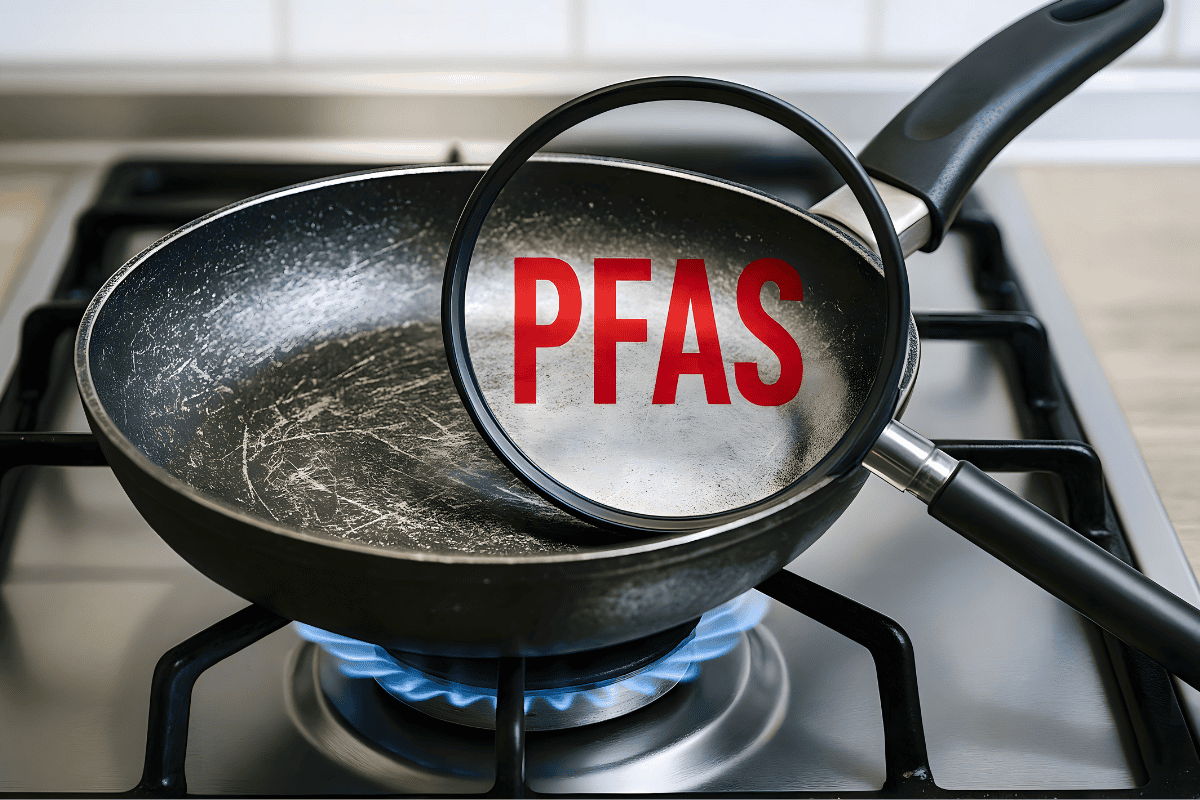
Teflon (polytetrafluoroethylene, or PTFE) coatings give nonstick cookware its slippery appearance. For decades, the production method for Teflon and other non-stick surfaces was based on perfluorooctanoic acid (PFOA), a member of the wider PFAS ("forever chemicals") family
These substances are well-known for their long-lasting presence in our bodies and the environment—they are difficult to break down, hence the "forever" label.
PFOA is know to be a probable carcinogen (a substance capable of causing cancer). Oncologists are particularly concerned about its tendency to accumulate in the body and alter the regulation of hormones. When nonstick cookware is heated, particularly over 260°C (500°F), the coating can degrade and emit potentially harmful vapours such as PFOA and other PFAS chemicals. Inhaling these fumes or consuming food contaminated with chipped coating has been related to a higher risk of renal, testicular, liver, and other cancers.
“Studies, including those by the International Agency for Research on (IARC) , classify PFOA as ‘possibly carcinogenic to humans’ due to links to kidney and testicular cancers [in animal and human studies].”
Even modern non-stick pans, typically labeled “PFOA-free,” may still release ultrafine plastics at high heat or contain PTFE. According to research, 79% of non-stick pans tested in 2023 were coated with PTFE, and PFAS exposure continues to concern toxicologists and cancer specialists
- High temperatures (over 500°F/260°C) or preheating an empty pan can rapidly degrade the non-stick layer, emitting hazardous fumes.
- Scratches or damage to the coating increase the likelihood of dangerous chemicals seeping into meals, particularly if you use metal utensils or abrasive cleaning pads.
- Old pans (particularly those manufactured before 2013) are especially hazardous since they are more likely to contain PFOA.
Real-World Statistics: How Big Is the Risk ?
PFAS and cancer at a population level :
- According to a 2025 study, PFAS identified in U.S. drinking water and cookware might cause up to 6,864 additional cancer cases every year, with the strongest connections observed for tumours of the kidney, testicular, respiratory, endocrine, and digestive system.
- In Bangladesh, 421 out of 450 women surveyed had renal or asthma problems that could have been linked to nonstick cookware pollution, while 25-35 out of 378 women had pregnancy complications.
- A global survey found that 79% of all non-stick pan samples tested contained PTFE.
Most individuals in affluent countries have detectable levels of PFAS in their bloodstream, and the chemicals have also been discovered in infants, and marine animals too.
Health Effects: Beyond Cancer
The dangers extend past cancer:
- Liver and kidney damage
- Immune system dysfunction
- Hormonal imbalances and thyroid problems
- Birth defects and developmental issues in infants
- Polymer fume fever (short-term illness from inhaling toxic fumes after a pan overheats)
Safer Alternatives : How to Ditch the Danger
A clean, healthy kitchen doesn’t mean you have to give up convenience! Here are safer cookware options researchers and culinary experts recommend:
1. Cast Iron
- Naturally non-stick when properly seasoned
- Adds dietary iron to your food (a bonus for people with iron deficiency)
- Can go from stovetop to oven, and lasts for generations with proper care
- Great for browning, searing, and baking
- Requires seasoning making it even more non-stick over time
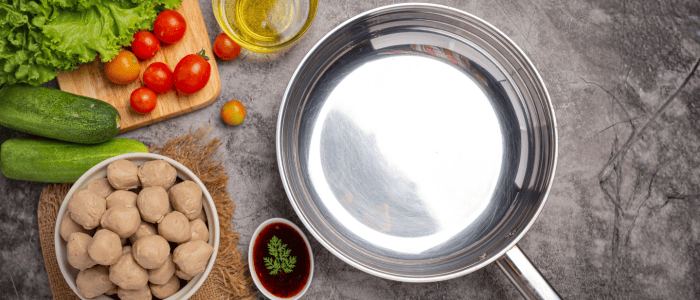
2. Stainless Steel
- Highly durable, scratch-resistant, and non-reactive (won’t leach chemicals)
- Excellent for everything from sautéing to boiling acidic foods like tomato sauce
- Dishwasher safe and low-maintenance
- Needs preheating and adequate oil for optimal performance
3. Ceramic-Coated Cookware
- Modern ceramic-coated pans are free from PFAS, PTFE, and PFOA
- Excellent for low- and medium-heat applications; naturally non-stick and easy to clean
- More resistant to scratching, but lifespan can vary depending on qualit
4. Pure Ceramic or Glass Cookware
- Non-reactive, safe at high temperatures
- Works well for baking, roasting, and slow-cooking
- Some types (like glass) are even microwave safe
5. Stoneware and Silicone (for baking and light cooking)
- Stoneware is naturally non-stick when seasoned, heats evenly, and is highly durable
- Silicone is great for bakeware and food storage—does not withstand direct stovetop heat but is safer at baking temps
“The American Cancer Society states that there are no proven risks to humans from new PFOA-free nonstick cookware. However, opting for ceramic, cast iron, or stainless steel can provide peace of mind if you wish to minimize exposure to even the smallest risk.”
Expert Tips for a Safer Kitchen
- Never overheat non-stick cookware (stay below 260°C/500°F)
- Replace pans at the first sign of scratches, chipping, or flaking
- Proper ventilation in the kitchen while cooking
- Never use abrasive cleaners on non-stick panes
- Switch to stainless steel, cast iron, ceramic, or glass for most cooking needs
The link between nonstick cookware and cancer is supported by accumulating research, particularly PFAS/PFOA exposure. It is not about fear, but about making informed decisions. By converting to cast iron, stainless steel, or quality ceramic-coated cookware, you can significantly reduce your lifetime cancer risk while also protecting your family from hidden threats in your kitchen.
If you've made it this far, you're fully prepared with the most recent science and practical guidance. Let's make our kitchens not only convenient, but also safe.
Questions
FAQ's on Cancer Risk of Non-Stick Cookware
Are low-cost non-stick pans more dangerous for cancer?
Yes, non-stick pans that are low in cost tend to have inferior quality coatings that break down quicker, raising the risk of toxic chemical release and resultant cancer risk.
Do scratched or chipped non-stick pans raise cancer risk?
Yes. Chipped or scratched non-stick surfaces can leach cancer-causing chemicals into your food, raising exposure to dangerous carcinogenic chemicals such as PFOA and PFAS.
What non-stick pan chemicals are associated with cancer?
The main chemicals implicated are PFOA, PTFE (Teflon), and PFAS — characterized by their persistence in the body and environment and carcinogenicity.
Related Blogs