Nutrition5 min read
Spirulina Biotic Powder: Benefits, Nutrition Facts and Its Role in Cancer Nutrition
Dr. Vrundali Kannoth
One of the most common questions people have after an endometrial cancer diagnosis is surprisingly simple: “What should I eat now?” Suddenly, everyday choices, like whether to reach for salad or pasta, tea or soda, start to feel more important than ever.
The reality is that while no single meal can cure cancer, choosing the right balance of nutrients can play a powerful role in healing, energy, and survivorship. Building a sustainable diet plan for endometrial cancer means understanding which foods nourish your body, which ones may hinder progress, and how nutrition supports life beyond treatment.
If you've been searching for guidance on the best food for endometrial cancer, endometrial cancer diet foods to avoid, and what nutrition means for survivorship, you’re in the right place.
Rich in antioxidants and fibre are available at the Everhope store — reviewed for use during cancer care.
Here’s the thing: food can’t cure cancer, but it does make a real difference.
One case-control study found a 66% reduced risk of endometrial cancer with high vegetable intake. As well as a 49% reduced risk among women who followed a Mediterranean-style diet (rich in vegetables, fruits, whole grains, legumes, olive oil, and fish).
But how exactly does nutrition do this? Here are the biggest ways:
For many people, focusing on endometrial cancer foods to eat is part of feeling in control again, supporting recovery, and stacking the odds in favour of long-term health.
Now that we’ve covered why diet matters, let’s talk about the practical side: what goes on your plate.
Here’s a closer look at the endometrial cancer foods to eat:
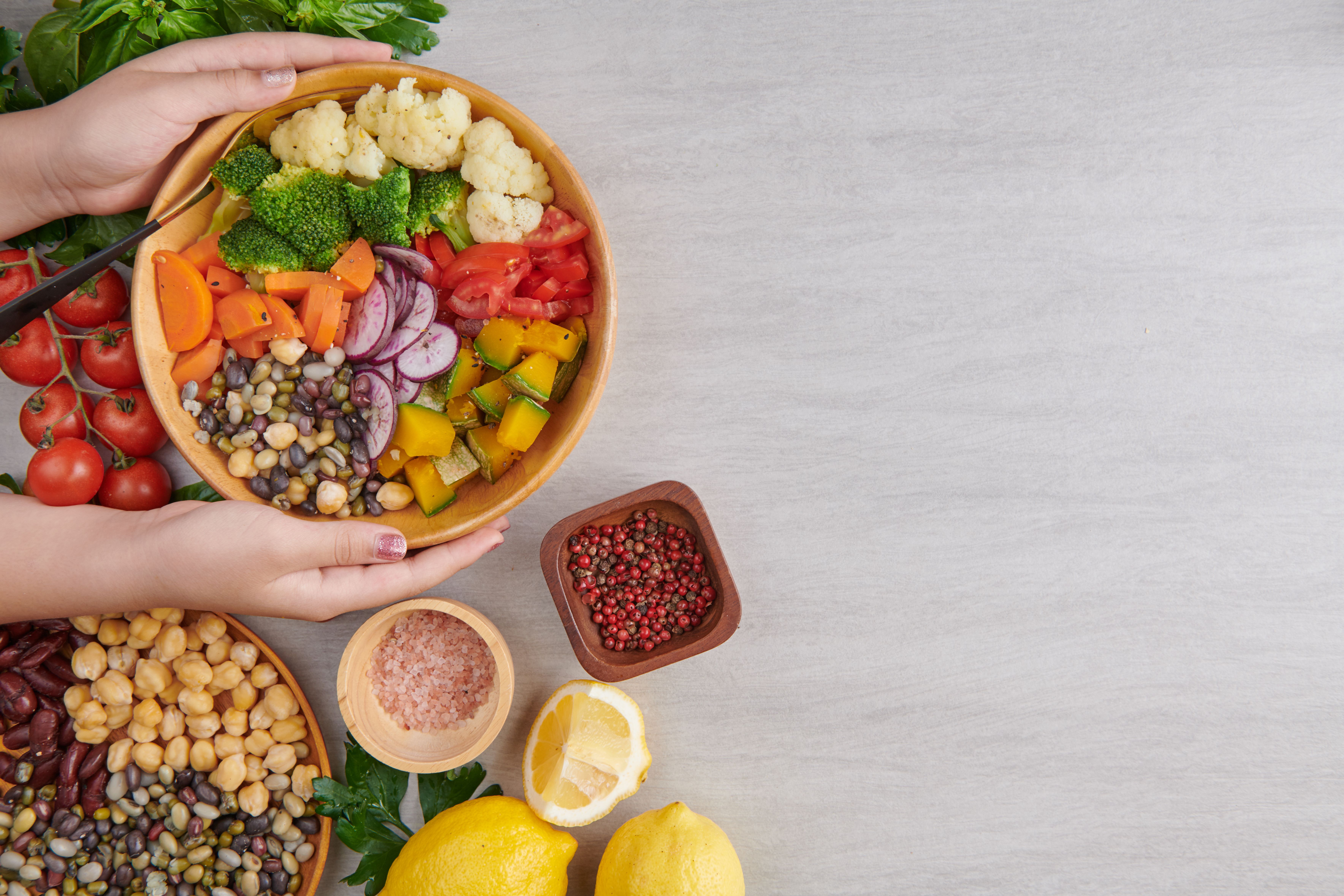
Colourful produce is the backbone of an endometrial cancer diet. These foods are high in antioxidants, which help protect cells from damage, and also contain fibre, which supports digestion and lowers estrogen levels.
Some of the best choices include:
Instead of refined carbs, choose whole grains like oats, quinoa, brown rice, or whole wheat bread. These provide steady energy, regulate blood sugar, and promote satiety. In a diet plan for endometrial cancer, whole grains also help with weight management, an important factor in reducing recurrence risk.
Protein is essential for repair and recovery, particularly if you have just completed treatment or going through it. Lean animal and plant-based sources both have a place here:
These options support strength without the inflammation risks linked to red and processed meats.
You might think fats are something to avoid, but not all of them are bad. In fact, certain healthy fats are an important part of an endometrial cancer diet. They help reduce inflammation, support heart health, and allow your body to absorb fat-soluble vitamins like A, D, E, and K.
Some of the best sources include:
Calcium and vitamin D keep your bones strong, and that becomes even more important if treatment has affected your hormones or left your bones a little weaker.
Including sources like low-fat milk, yoghurt, or fortified plant-based alternatives (soy, almond, oat) helps support bone health while keeping saturated fat intake in check.
Hydration is key in any endometrial cancer diet. Water should be your daily go-to, but green tea and coffee can also play a role.
That said, more isn’t always better. Too much caffeine can disrupt sleep, cause jitters, and affect heart health, so sticking with 1-2 cups per day is a safe sweet spot.
Just as the right foods can support recovery and survivorship, some can work against your goals. Keeping these out, or in minimal amounts, can strengthen your diet plan for endometrial cancer efforts.
A 2021 meta-analysis reported that higher red meat intake was associated with a greater risk of endometrial cancer, while processed meats also raised overall cancer risk.
For an endometrial cancer survivor diet, it’s best to limit these and swap in lean proteins or plant-based alternatives instead, as many oncology doctors recommend.
Processed snacks, candies, and ready-to-eat meals often pack added sugars, unhealthy fats, and few nutrients. Over time, these foods can make cancer symptoms like fatigue, blood sugar, chronic inflammation, and weight gain worse.
Alcohol, especially liquor, may raise estrogen levels, something you want to manage carefully in an endometrial cancer nutrition strategy.
Also, avoid sweetened beverage like sodas, sweet tea, and flavored coffees. These add empty calories and sugar that can fuel weight gain and inflammation.
During and after treatment, your immune system can be more vulnerable. For a practical diet plan for endometrial cancer, it’s safer to avoid:
Foods like fried snacks, fatty cuts, and salty processed items are classic cancer foods to avoid, since they contribute to weight gain, high blood pressure, and long-term health risks.
In the context of an endometrial cancer diet foods to avoid mindset, dialing these back supports hormonal balance and long-term health.

Women’s Cancer Bundles - Omega-3 with Hemp Seed Oil, Vitamin D3, Probiotics for Gut Health
Bundle: omega-3, vitamin D3 and probiotics
₹2,426.70
We all know food plays a major role, but lifestyle matters just as much with endometrial cancer. Balancing both gives your body the best chance to heal, stay strong, and keep this disease at bay.
Here’s how diet and lifestyle work hand in hand:
At the end of the day, an endometrial cancer diet isn’t about strict rules or eating perfectly. It’s about small, steady changes that support healing, balance hormones, and give you strength for the long run.
Many of these same principles apply across different types of cancer, but every journey is unique. What makes sense for one person may look different for another, depending on treatment, recovery, and personal preferences.
That’s why it’s helpful to see your diet as part of a bigger picture: lifestyle habits, emotional wellbeing, and survivorship.
Yes, following a balanced endometrial cancer survivor diet rich in plants, whole grains, and healthy fats while avoiding processed foods has been linked to lower recurrence risk.
Focus on fibre-rich vegetables, fruits, whole grains, beans, lean proteins, and healthy fats. These endometrial cancer foods to eat support hormones, weight, and healing.
While no single food “kills” cancer, antioxidant-rich berries, cruciferous vegetables, and soy foods are considered foods that fight endometrial cancer by supporting healthy cell repair.
Food good for endometrial cancer include leafy greens, beans, nuts, seeds, and olive oil. Together, these create a strong foundation for diet plan for endometrial cancer.