
Symptoms5 min read
What Is Enlarged Prostate (BPH)? Signs, Diagnosis and Treatment
Dr. Vrundali Kannoth
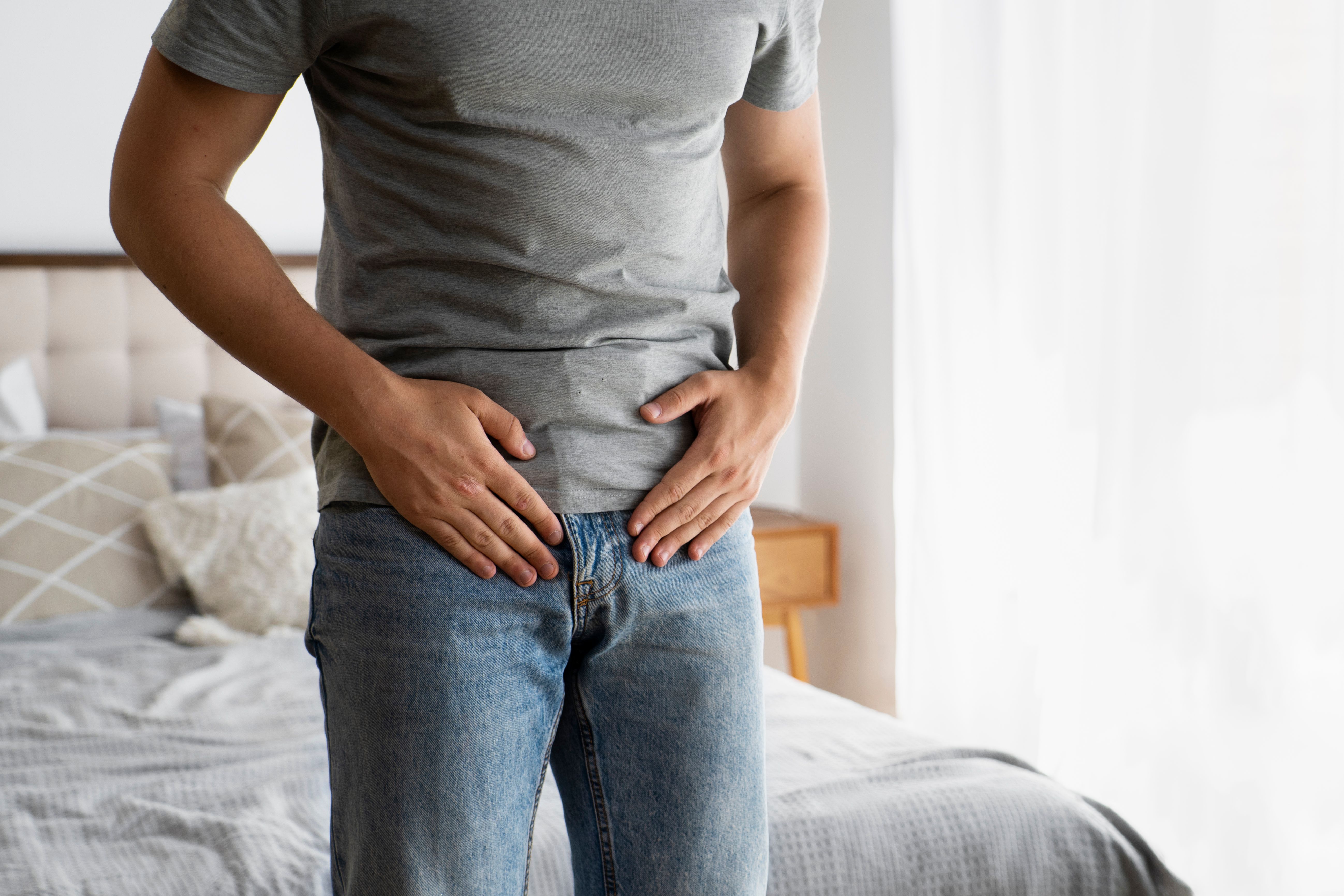
If trips to the bathroom are becoming more frequent, nights are interrupted by urgent wake-ups, or urination feels different than it used to, it’s natural to feel concerned. For many men, the answer lies in an enlarged prostate.
The prostate, a small gland that supports reproductive health, can grow larger over time, sometimes earlier than expected. This growth can lead to enlarged prostate symptoms such as urgency, a weak stream, or lingering discomfort. In this guide, we’ll explain enlarged prostate causes at different ages, how it affects daily life, and when to seek help, so you can feel informed and reassured.
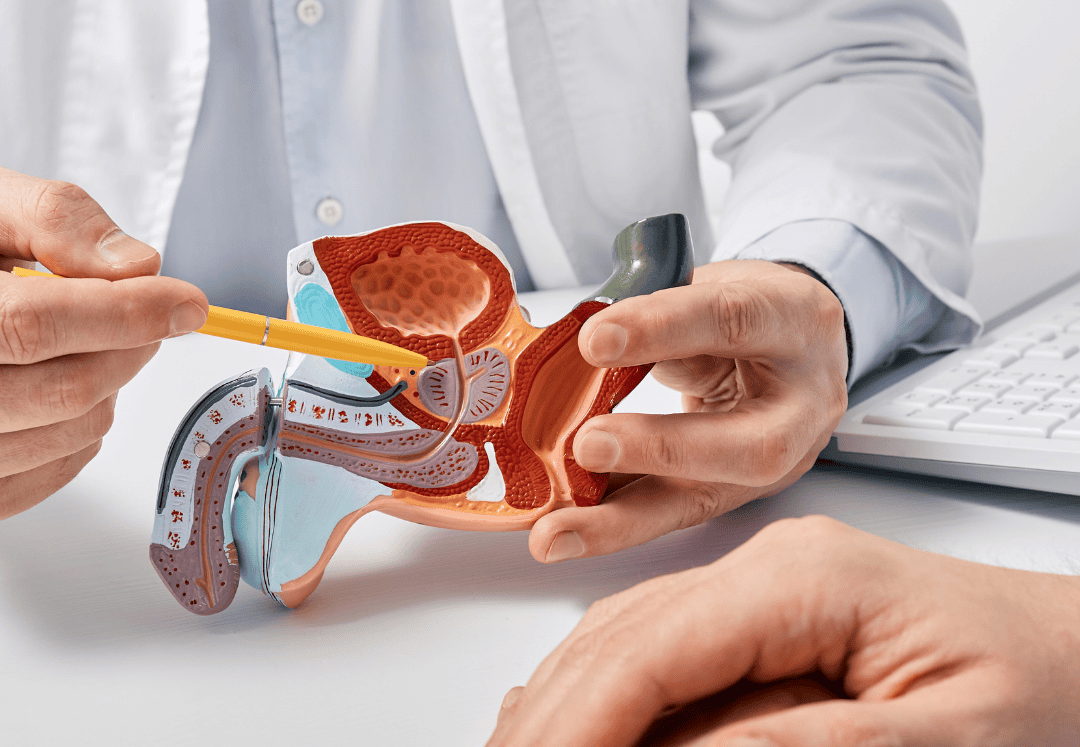
The prostate may be small, about the size of a walnut, but it plays a big role in men’s health. Sitting just below the bladder, its main job is to make seminal fluid: the liquid that mixes with sperm to protect it, give it nutrients, and help it move more easily.
Over time, the prostate can grow, a change called prostate gland enlargement. When this growth isn’t cancer, it’s known as Benign Prostatic Hyperplasia (BPH). It’s one of the most common causes of an enlarged prostate in men.
While not life-threatening, it can bring uncomfortable changes like more frequent bathroom trips, a weaker urine stream, or that constant feeling you can’t fully empty your bladder. Knowing what causes an enlarged prostate and how BPH develops can make the whole situation feel a lot less worrisome and a lot more manageable.
An enlarged prostate, or prostate gland enlargement, can be triggered by different factors, some natural with age, others related to health or lifestyle. Understanding enlarged prostate causes helps you know what’s normal, what’s preventable, and when to get checked.
Knowing the enlarged prostate symptoms and causes makes it easier to discuss options with your doctor and find the right plan for relief.
An enlarged prostate isn’t only an issue for men later in life; it can happen at any age, though the reasons often differ. Are you wondering, “what causes enlarged prostate in older men?”
In older men, changes are usually tied to the natural ageing process and long-term health patterns, while in younger men, the cause may be linked to inflammation, injury, or inherited factors.
| Causes of enlarged prostate in older men | Causes of enlarged prostate in young males |
|---|---|
| Natural hormonal changes with aging | Hormonal imbalance or early testosterone changes |
| Benign Prostatic Hyperplasia (BPH) | Prostatitis (inflammation of the prostate) |
| Changes in testosterone-to-estrogen ratio | Urinary tract infections (UTIs) |
| Long-term health conditions (diabetes, heart disease) | Pelvic injury or trauma |
| Sedentary lifestyle and poor diet | Genetic predisposition |
| Family history of prostate problems | Lifestyle factors such as obesity or a poor diet |
In both age groups, prostate gland enlargement can bring similar challenges, but the path to diagnosis and treatment often starts by understanding what’s driving it for you.
An enlarged prostate can quietly impact daily routines, sometimes in ways you wouldn’t immediately connect to prostate health. These symptoms often appear slowly, but noticing them early can make a real difference.
These enlarged prostate symptoms and causes can sometimes even be accompanied by discomfort. Many men wonder, does an enlarged prostate cause pain? While BPH itself isn’t always painful, it can cause pelvic pressure or lower abdominal discomfort. Pain during urination may also occur if infection or inflammation is present.
Living with enlarged prostate symptoms doesn’t always mean jumping straight to medication or surgery. Small, consistent changes in daily habits can often make a big difference in comfort and quality of life.
Making these adjustments early can slow symptom progression and help you feel more in control.
If lifestyle and diet changes aren’t enough to ease the symptoms of an enlarged prostate, the next step is exploring medical treatments. This is often necessary when the prostate continues to grow or when urinary problems start affecting daily life. The goal is to reduce pressure on the bladder and improve urine flow, while addressing the underlying prostate gland enlargement causes.
Treatment options may include:
An enlarged prostate is common as men age, but knowing the enlarged prostate cause and recognising symptoms early can make a big difference in long-term health. While factors like hormonal changes, genetics, and lifestyle play a role, understanding the root of the condition helps guide better choices for prevention and management.
Mild enlarged prostate symptoms, like frequent urination, difficulty starting or stopping, or pelvic discomfort, can often be managed through diet, exercise, and small daily adjustments. When these steps aren’t enough, medical treatments ranging from medications to minimally invasive therapies offer relief and restore quality of life.
The main cause of prostate gland enlargement is age-related hormonal changes, particularly shifts in testosterone and dihydrotestosterone (DHT) levels. These changes trigger cell growth in the gland over time.
Causes of enlarged prostate in young males often include hormonal imbalances, genetic factors, or underlying conditions affecting the urinary tract or reproductive system.
An enlarged prostate doesn’t directly cause cancer. However, enlarged prostate symptoms and causes can overlap with early prostate cancer signs, so screening is important.
Mild cases may improve naturally, but most causes of enlarged prostate in men require lifestyle changes or treatment to shrink the gland and ease symptoms.
While ageing is the biggest factor, what causes an enlarged prostate in men can also include obesity, family history, or other medical conditions.
Stress doesn’t directly cause prostate gland enlargement, but it can worsen inflammation and urinary symptoms, making the condition more noticeable.
Growth rates vary, but most causes of enlarged prostate in older men lead to slow changes over the years, becoming noticeable after age 50.
Yes, pelvic floor exercises, walking, and light aerobic activity can help ease symptoms of an enlarged prostate by improving bladder control and circulation.