
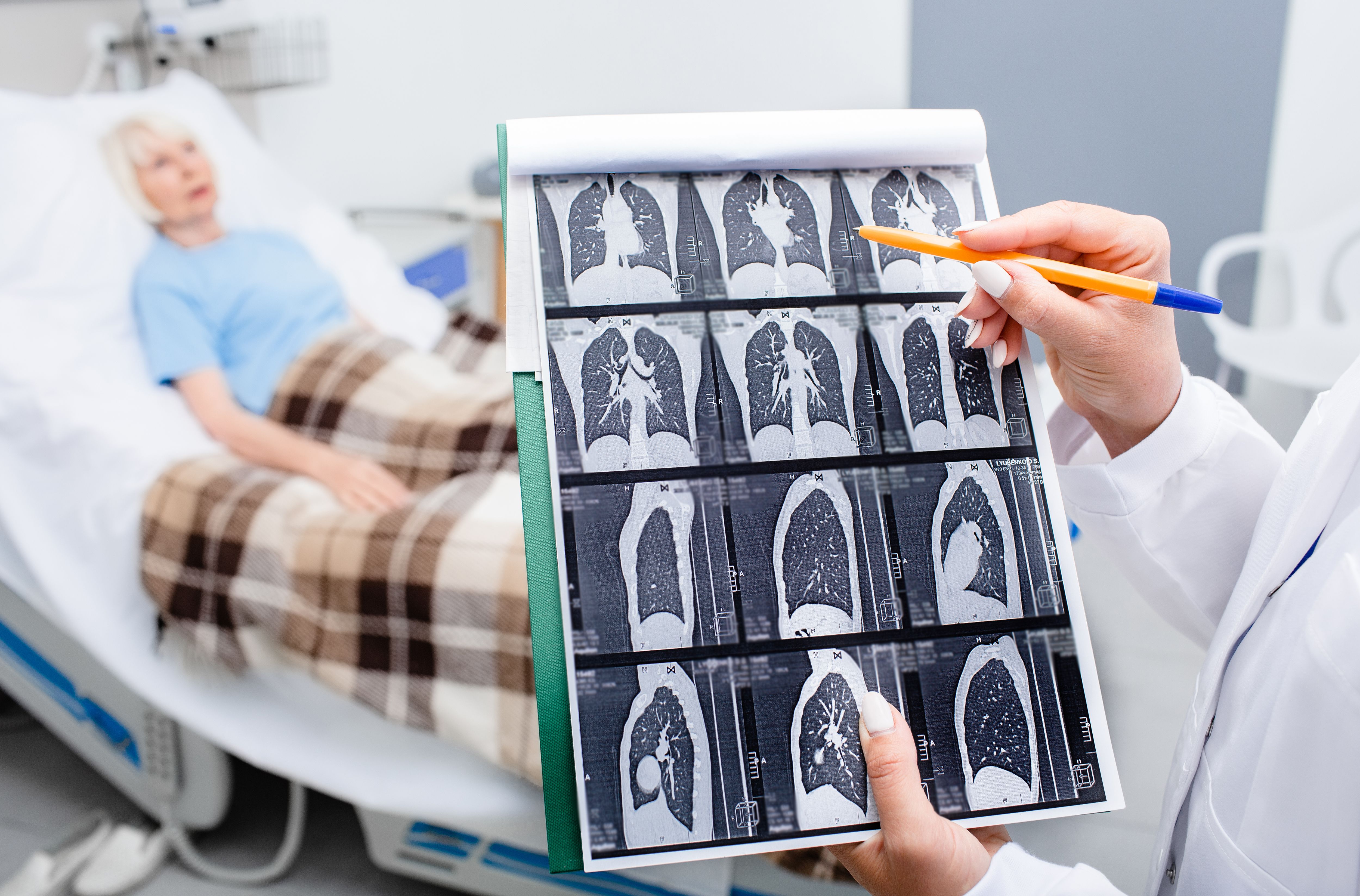
Lung Cancer Phlegm: Black vs White Meaning Guide for Patients
Dr. Vrundali Kannoth|5 min read|
Coughing up phlegm is common. Most of us don't think twice about it during a cold or allergy season.
Understanding lung cancer phlegm helps you distinguish between ordinary respiratory symptoms and signs that warrant medical attention. This guide explains what different phlegm colours mean, when changes become concerning, and what to discuss with your doctor.
Let's be clear upfront: phlegm colour alone doesn't diagnose cancer. But persistent changes, especially alongside other lung cancer symptoms , should never be ignored.
What is phlegm and why does it change colour?
Phlegm is thick mucus produced by your respiratory system.
Your lungs, airways, and throat constantly produce mucus to trap dust, bacteria, and other particles, protecting your lungs from harm.
Healthy phlegm is typically clear or white and thin. You swallow most of it without noticing. When something irritates or infects your respiratory system, phlegm production increases and its characteristics change.
Why does phlegm change colour?
Phlegm colour reflects what's happening in your lungs and airways:
- •White/clearNormal mucus or mild irritation
- •Yellow/greenUsually indicates bacterial infection; white blood cells fighting infection create these colours
- •Brown/rustOld blood, often from resolved infection or minor bleeding
- •Red/pinkFresh blood from coughing or lung damage
- •BlackMay indicate inhaled particles (smoke, dust, pollution), old blood, or certain fungal infections
The phlegm colour changes occur due to cellular content, bacteria, blood products, or environmental particles becoming trapped in mucus.
Phlegm in lung cancer – What you should know
Phlegm from lung cancer occurs for specific reasons related to tumour growth and its effects on lung tissue.
How does lung cancer* affect phlegm?
Lung cancer tumours can:
- •Block airwayscausing mucus to accumulate
- •Irritate lung tissueincreasing mucus production
- •Damage blood vesselsadding blood to phlegm
- •Create infection-prone areaswhere bacteria thrive
- •Cause inflammationthat changes mucus consistency
Early sign vs progressing symptom:
In early-stage lung cancer, phlegm changes may be subtle or absent entirely. Many patients have no respiratory symptoms initially. According to the American Lung Association , approximately 25% of lung cancers are discovered incidentally through imaging done for other reasons.
As cancer progresses, lung cancer phlegm changes often become more noticeable:
- •Increased volume of phlegm
- •Persistent coughproducing phlegm daily
- •Blood-tinged or rust-coloured mucus
- •Darker coloursif bleeding or necrosis occurs
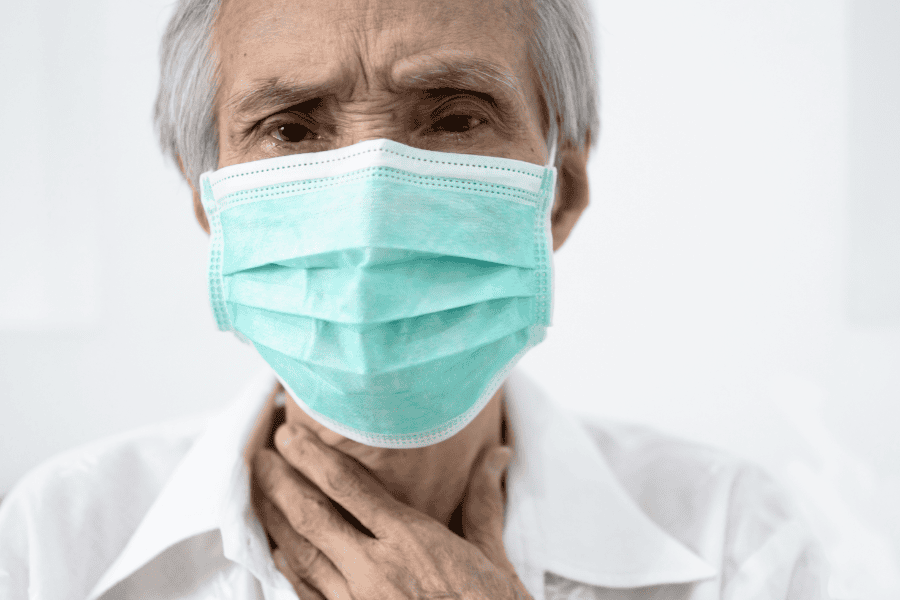
When phlegm becomes concerning:
Lung cancer phlegm warrants medical evaluation when:
- •Coughing up phlegm dailyfor more than 3 weeks without improvement
- •Phlegm contains blood(even small streaks)
- •Colour changes persistwithout explanation
- •You're a smoker or former smokerover age 50
- •Phlegm changes accompanyunexplained weight loss, persistent cough, or breathing difficulty
- •Notice significant changesin phlegm amount or consistency
Research emphasises that persistent haemoptysis (coughing up blood) in high-risk individuals should prompt urgent investigation, even when amounts are small.
Black vs. white phlegm in lung cancer
The contrast between lung cancer black phlegm and white phlegm lung cancer presentations raises important questions about what each colour signifies.
Lung cancer black phlegm - what it means
Black phlegm from lungs in cancer patients may indicate several things:
- •Old bloodWhen blood sits in the lungs before being coughed up, it oxidises and turns dark brown or black. This suggests bleeding occurred hours or days earlier.
- •Tumour necrosisLarge tumours sometimes outgrow their blood supply. Dead tissue (necrosis) can appear dark when expelled in phlegm.
- •Coal/smoke inhalationHeavy smokers or those with occupational dust exposure may cough up black-tinged phlegm due to accumulated particles, regardless of cancer presence.
- •Fungal infectionsCertain fungal infections (aspergillosis) more common in immunocompromised cancer patients can cause dark phlegm.
A study found that black or very dark phlegm in lung cancer patients often correlates with advanced disease, tumour necrosis, or concurrent infections requiring prompt evaluation.
White phlegm lung cancer – what it means
White or clear phlegm is generally less alarming but shouldn't be dismissed in the right context.
White phlegm may indicate:
- •Normal mucus production(common in early-stage disease)
- •Airway irritationwithout infection
- •Excess mucusfrom tumour blocking normal drainage
- •Certain lung cancer typesthat produce mucin (adenocarcinoma)
Mucin-producing cancers:
Some adenocarcinomas produce significant amounts of mucin, causing copious white phlegm lung cancer production.
Patients may cough up large volumes of thin, frothy white sputum. This condition, called bronchorrhoea, while relatively rare, is a recognised lung cancer presentation.
According to research, bronchorrhoea occurs in approximately 2-4% of lung adenocarcinomas, particularly certain subtypes, and can significantly impact quality of life.
Lung cancer phlegm: Colour chart & what each shade indicates
Understanding lung cancer phlegm colour variations helps you communicate effectively with your healthcare team.
| Phlegm colour | Possible causes in lung cancer context | Level of concern |
|---|---|---|
| Clear/white | Normal mucus, mild irritation, early disease, mucin-producing adenocarcinoma | Low to moderate - monitor for changes |
| Yellow | Bacterial infection, inflammatory response to tumour | Moderate - may indicate infection requiring treatment |
| Green | Bacterial infection, chronic bronchitis | Moderate - evaluate for respiratory infection |
| Rust/brown | Old blood, resolved minor bleeding, chronic irritation | Moderate to high - investigate source |
| Red/pink | Fresh blood from tumour, blood vessel erosion, severe coughing | High - seek prompt evaluation |
| Black/dark brown | Old blood, tumour necrosis, heavy smoking residue, fungal infection | High - requires medical assessment |
Important notes about lung cancer phlegm colour:
- •Colour alone doesn't diagnose cancer or determine stage
- •Multiple colours may appear over time or even within the same day
- •Changes from your normal baseline matter more than specific colours
- •Persistent changes warrant investigation regardless of specific shade
Conditions other than cancer, such as Interstitial Lung Disease, chronic bronchitis, pneumonia, and tuberculosis, can also cause phlegm colour changes. This is why medical evaluation is essential.
Important notes about lung cancer phlegm colour:
Conditions other than cancer, such as Interstitial Lung Disease, chronic bronchitis, pneumonia, and tuberculosis, can also cause phlegm colour changes. This is why medical evaluation is essential.
Other symptoms that may accompany phlegm in lung cancer*
Lung cancer phlegm rarely appears in isolation. Watch for accompanying symptoms that strengthen concern:
Respiratory symptoms:
- •Persistent coughlasting more than 3 weeks
- •Shortness of breathespecially if worsening
- •Wheezing or noisy breathing
- •Chest painthat worsens with breathing or coughing
- •Recurrent respiratory infections(pneumonia, bronchitis)
Systemic symptoms:
- •Unexplained weight loss(5kg or more without trying)
- •Persistent fatiguenot relieved by rest
- •Loss of appetite
- •Hoarseness or voice changes
- •Difficulty swallowing
Signs suggesting advanced disease:
- •Bone pain(if cancer has spread)
- •Headaches or neurological symptoms
- •Swelling in face or neck(superior vena cava obstruction)
- •Finger clubbing(enlarged fingertips)
Patients presenting with multiple symptoms, particularly cough, haemoptysis, and weight loss together, have a significantly higher likelihood of lung cancer diagnosis.
If you experience phlegm from lung cancer concerns alongside any of these symptoms, seek medical evaluation promptly.
Treatment and prevention - lung cancer phlegm
Managing lung cancer phlegm involves both treating the underlying cancer and addressing symptom relief.
Cancer-directed treatment:
Lung cancer treatment targeting the primary disease often improves phlegm symptoms:
- •SurgeryRemoving tumours eliminates the source of bleeding or obstruction
- •RadiationCan shrink tumours blocking airways
- •Chemotherapy/immunotherapySystemic treatments reduce tumour burden
- •BronchoscopyCan clear blocked airways and stop bleeding from tumour sites
Effective cancer treatment typically reduces lung cancer phlegm volume and improves phlegm colour within weeks of response.
Symptom management:
Regardless of cancer treatment status, these strategies help manage phlegm:
- •Stay hydratedAdequate fluid intake keeps mucus thin and easier to clear. Aim for 2-3 litres daily unless restricted for other reasons.
- •HumidificationUsing a humidifier or inhaling steam helps loosen thick phlegm.
- •Controlled coughing techniquesPhysiotherapists can teach effective coughing methods that clear airways without exhausting you.
- •Chest physiotherapyPostural drainage and percussion techniques help clear stubborn mucus.
- •Nebulised salineInhaling saline solution via nebuliser loosens phlegm. Mucolytic medications (like acetylcysteine) may help some patients.
- •Avoid irritantsStop smoking immediately. Avoid secondhand smoke, strong fumes, and air pollution when possible.
Prevention:
While you cannot always prevent lung cancer phlegm, reducing risk factors matters:
- •Don't smokeThe single most important prevention measure
- •Avoid secondhand smokeSignificant risk even without smoking yourself
- •Reduce occupational exposuresUse protective equipment around dust, chemicals, asbestos
- •Test for radonHome radon exposure increases lung cancer risk
- •Regular check-upsIf you're high-risk, discuss screening with your doctor
Questions
FAQs on phlegm from lung cancer
Does the colour of phlegm indicate the stage of lung cancer?
No, phlegm colour alone doesn't reliably indicate cancer stage. However, certain patterns may correlate with disease characteristics. Black or bloody phlegm may suggest more advanced local disease with necrosis or blood vessel involvement, while clear/white phlegm can occur at any stage.
Should lung cancer patients avoid dairy to manage phlegm?
The belief that dairy increases phlegm is largely a myth. Research found no significant increase in mucus production from dairy consumption.
Can white phlegm turn black as lung cancer progresses?
Yes, phlegm colour can change as lung cancer progresses. White phlegm lung cancer patients may later develop lung cancer black phlegm if tumour necrosis occurs, if bleeding develops, or if secondary infections arise.
Related Blogs
Prevention5 min read
Air Pollution and Lung Cancer: Risks, Progression, and What Patients Should Do
Dr. Vrundali Kannoth