
Guide to Lymph Nodes in the Breast and Their Functions

On this page
Lymph nodes in the breast aren’t something most people think about until one day they notice a new lump, tenderness, or a sudden worry they didn’t expect.
These lymph nodes filter lymph fluid, catch infections, and support immunity in the background. When swollen lymph nodes in the underarm or breast appear, it can feel alarming, but most of the time, the cause is far more routine than dangerous.
Find out what lymph nodes in breast tissue actually do, why lymph node enlargement happens, when they need medical attention, and how breast cancer and lymph nodes are connected.
The goal is simple: to replace fear with clarity, so you can understand what’s happening in your body and what steps come next.
What is a lymph node in the breasts?
Lymph nodes around the breast are small immune filters connected to lymphatic vessels running through breast tissue and the chest wall. These vessels carry lymph fluid, packed with immune cells, so the nodes can trap infections, abnormal cells, and debris.
When someone asks, “What are lymph nodes in breasts?”, they’re usually trying to understand this built-in defense system.
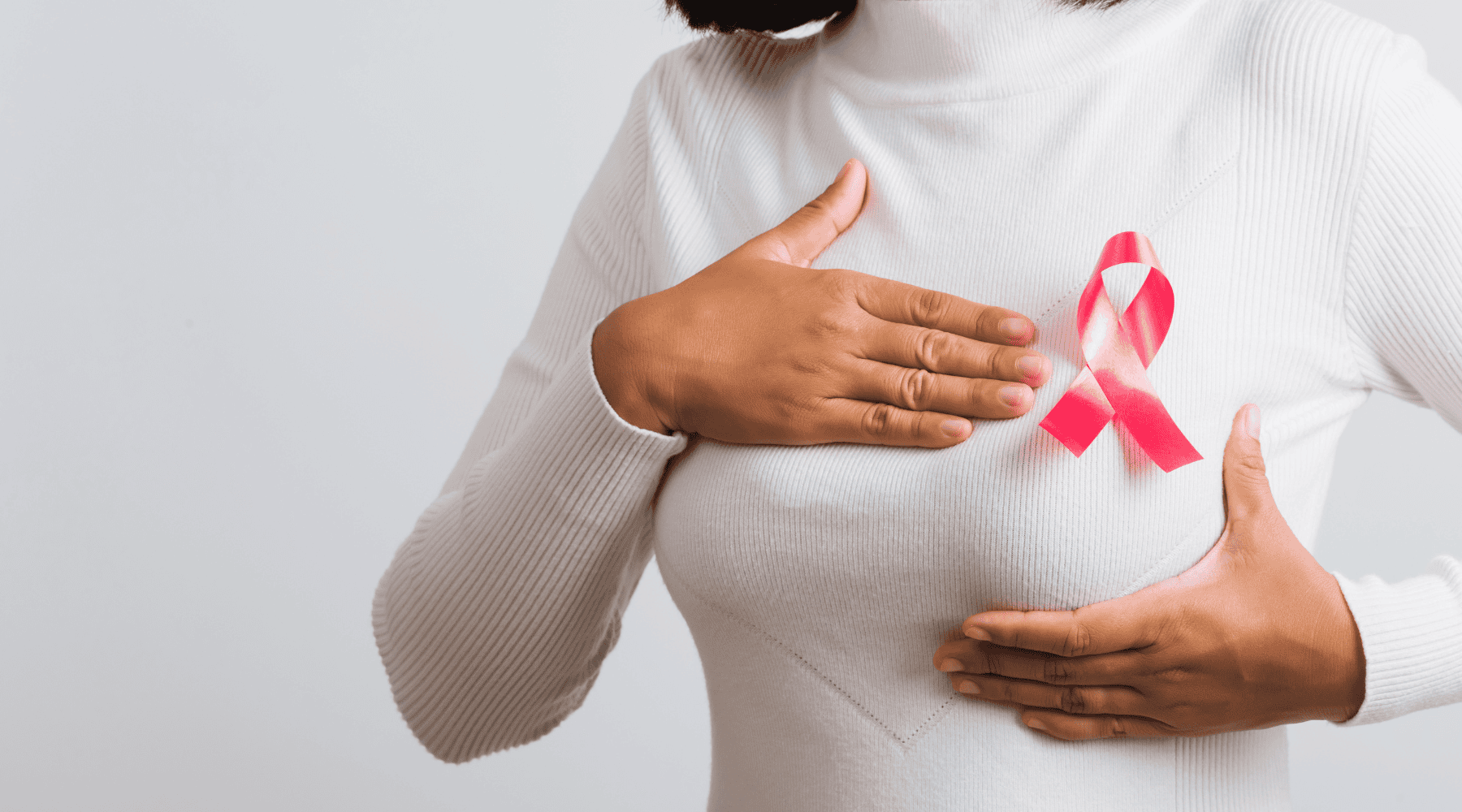
How they function
Can you feel lymph nodes in breast tissue? At times, especially when they react to an infection or irritation. Swollen lymph nodes often appear because the immune system is handling something routine, not dangerous.
Their daily job includes:
- filtering lymph fluid,
- identifying harmful cells,
- coordinating immune responses, and
- protecting the breast and chest wall.
How lymphatic flow connects to breast health
Research on breast lymphatic drainage shows that most lymph fluid drains toward the axillary and internal mammary lymph nodes. This is why doctors focus on these areas when checking for breast cancer or investigating lymph node enlargement.
In simple terms, the breast drains in predictable directions, and those drainage routes determine where lymph node changes show up first.
Location of lymph nodes in the breast area
The lymphatic system around the breast forms a network that drains fluid toward several major clusters. Understanding these regions helps explain what causes swollen lymph nodes in the breast tissue or the underarm to happen and how doctors assess breast cancer lymph nodes during diagnosis
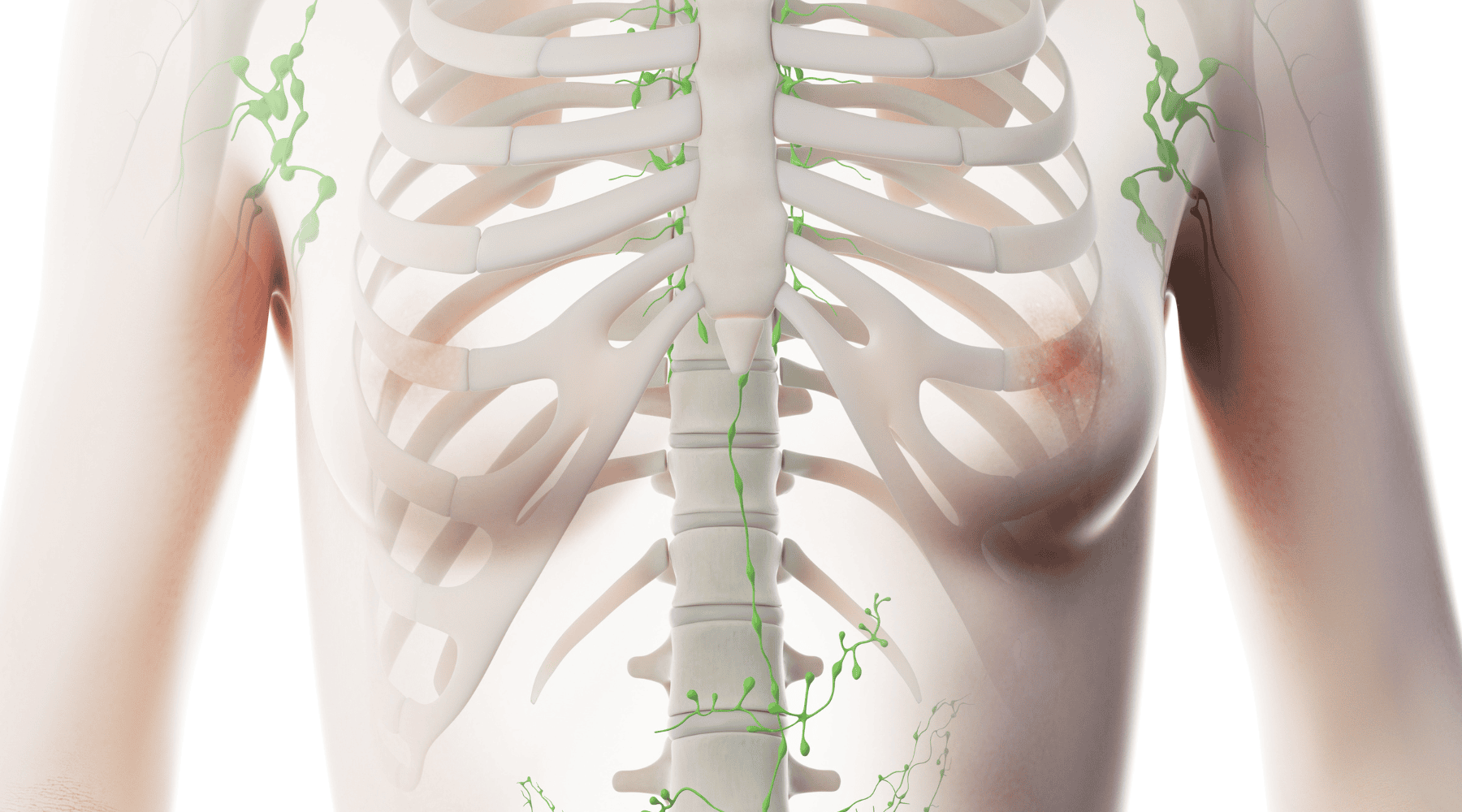
Axillary lymph nodes (levels I, II, III)
These are the most important lymph nodes around the breast tissue. They sit in the underarm and are grouped by “levels” based on their depth.
- Level Ilowest and outermost nodes, closest to the arm
- Level IIdeeper nodes behind the pectoral muscle
- Level IIIhighest nodes, near the collarbone
Most drainage from lymph nodes in breast tissue flows here first. This is why lymph node enlargement in breast cases often shows up as tenderness or a lump under the arm.
Internal mammary lymph nodes
These nodes are just behind the breastbone. Even though you cannot feel lymph nodes in the breast in this area, they play a major role in how breast tissue drains. They matter in staging breast cancer in lymph nodes, especially when tumours sit closer to the inner side of the breast.
Supraclavicular lymph nodes
Located above the collarbone, these nodes handle drainage from deeper chest structures. When enlarged, they may suggest more advanced lymph node changes, including possible spread.
Inframammary lymph nodes
These are smaller lymph nodes under the breast. They can become enlarged lymph nodes in breast cases involving infections, inflammation, or occasionally breast cancer and swollen lymph nodes, depending on drainage pathways.
Why do lymph nodes in the breast enlarge?
When you notice enlarged lymph nodes like a lump, pressure, or tenderness, it’s normal for your mind to run to the worst place first.
But most of the time, lymph node enlargement in tissue has causes that are far more common, far more treatable, and not related to cancer at all. Your lymph nodes react because they’re trying to protect you, not because something is already wrong.
Let’s walk through the possibilities with clarity, not fear.
1. Infections (mastitis, skin infections)
Infections are one of the most frequent reasons people develop swollen lymph nodes.
This includes:
- mastitis during breastfeeding,
- skin infections near the chest or armpit, or
- fungal infections under the breast fold.
When this happens, lymph nodes around breast tissue swell because they’re filtering out bacteria and calming inflammation.
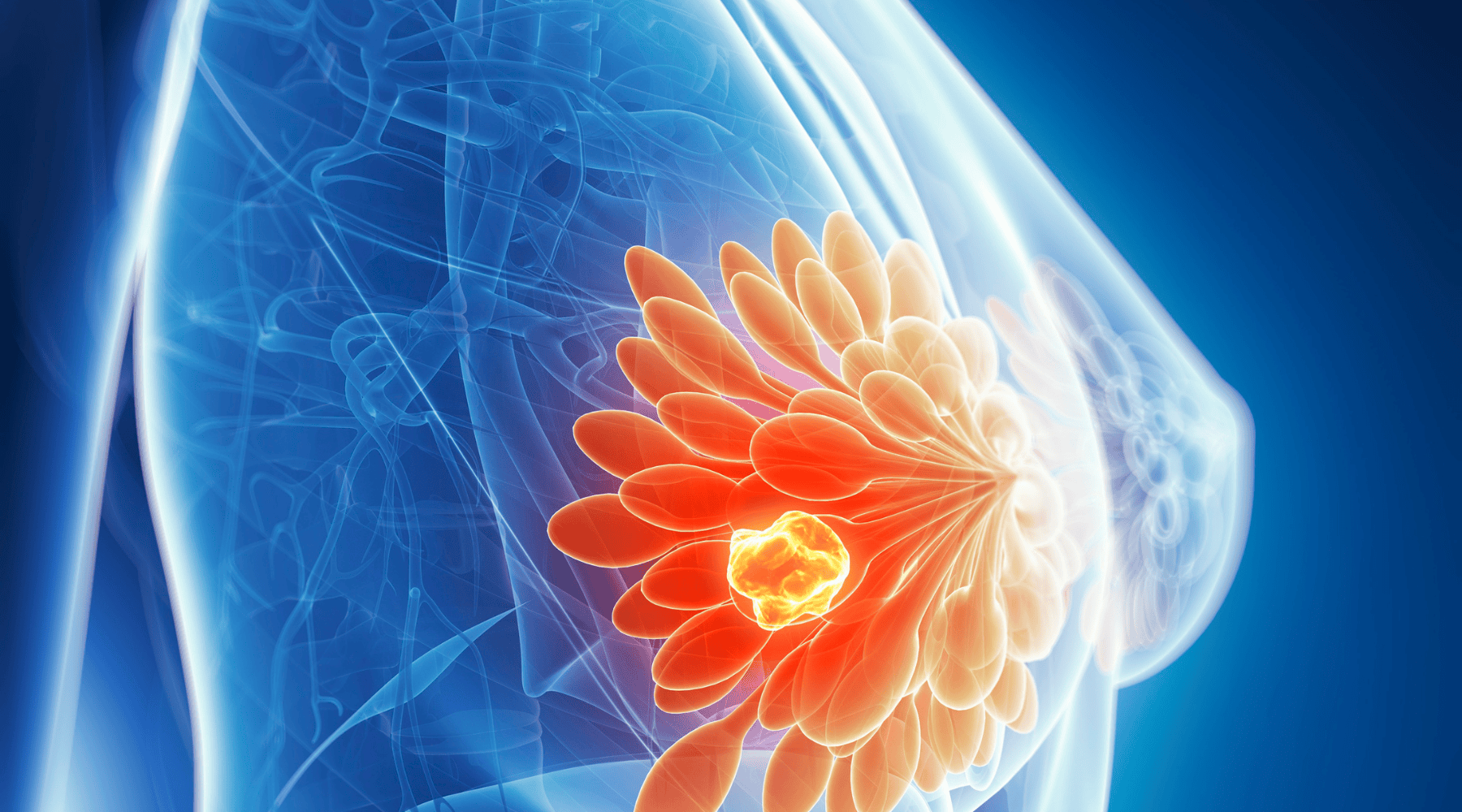
2. Inflammation & autoimmune disorders
Sometimes the immune system becomes more active than usual. Conditions like lupus or rheumatoid arthritis can cause lymph node changes without pain.
It doesn’t mean something dangerous is spreading; it simply means your body is in a heightened state of defense.
3. Benign breast conditions
Harmless breast changes like cysts, fibroadenomas, or even hormonal shifts can irritate the surrounding tissue and trigger mild breast lymph nodes pain or swelling. These reactions are temporary and usually settle down naturally.
4. Breast cancer has spread to the lymph nodes
There are situations where breast cancer becomes connected with lymph nodes. If cancer cells begin to move through lymph vessels, you might notice:
- firm or hard lymph nodes in the breast or underarm areas
- swelling that doesn’t go away
- a node that feels fixed rather than movable
Doctors focus on axillary and internal mammary nodes because breast tissue drains there first.
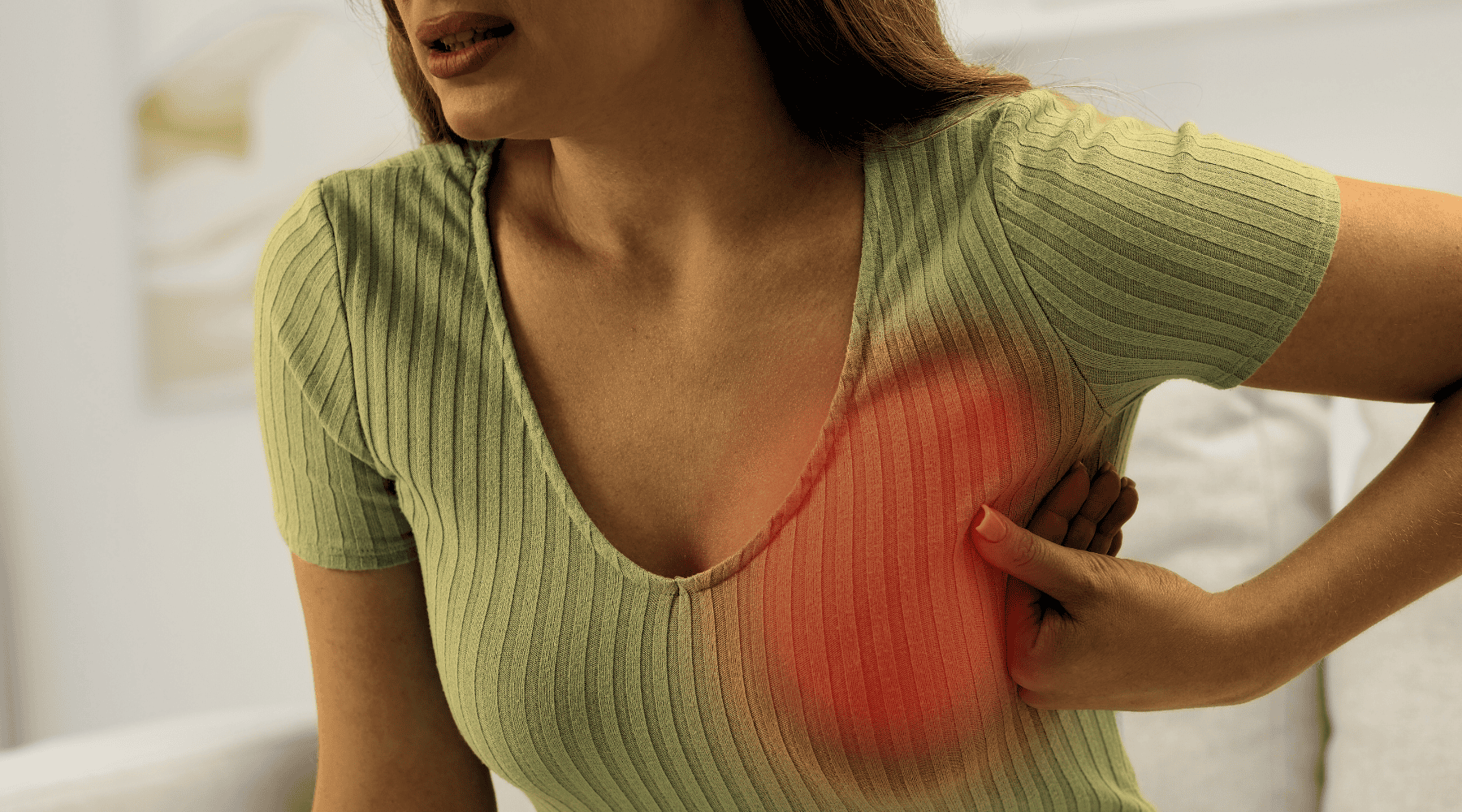
Symptoms of enlarged or swollen lymph nodes
When lymph nodes in the breast area react, they often send small signals before anything serious develops. These don’t automatically mean they’re breast cancer symptoms . They simply mean your body is responding to something.
Here’s what you might notice:
- Pain or tendernessin the underarm or breast
- A hard lump near the breast or armpit
- Swelling under the breast, especially in the inframammary fold
- Restricted arm movement if the swelling is higher in the axilla
- Restricted arm movement if the swelling is higher in the axilla
- Redness or warmth over the area
These signs are your body’s way of asking you to pay attention, not panic. Most causes of swollen lymph nodes are temporary and treatable if you show them to a trusted doctor in time.
When are lymph nodes a sign of breast cancer
Lymph node enlargement comes from routine causes. Certain patterns can be early signs of cancer:
- If a lymph node feels hard, fixed, or stays swollen for several weeks
- Persistent underarm fullness or changes that feel unlike past infections also fall into breast cancer lymph nodes symptoms that doctors watch for
Inflammatory breast cancer (IBC)
IBC is rare but accounts for 7% of breast cancer mortality. It is fast-moving, and lymph nodes can react early. Instead of a lump in breast, IBC shows:
- rapid redness, swelling, or warmth,
- skin that looks thick or pitted,
- changes spreading across a large area of the breast.
Because breast tissue drains toward the axillary nodes, these nodes may swell quickly when IBC is present. If you notice sudden breast skin changes along with a firm node, it’s worth getting checked.
Types of lymph node changes in breast cancer
When doctors examine the lymph node enlargement area, they look at how the node feels and why it may have changed. These are the three common patterns:
How to cure lymph nodes in the breast
Treatment depends on why the lymph node changed. Most swollen or enlarged lymph nodes improve once the underlying cause is handled. Let’s see different treatment options based on the type of medical issue:
1. Treating infections
If swelling is due to mastitis or a skin infection:
- antibiotics or antifungals may be prescribed
- warm compresses can help with tenderness
- the node usually shrinks as the infection clears
2. Anti-inflammatory care
For irritation, autoimmune flare-ups, or benign breast conditions, doctors may recommend:
- short-term anti-inflammatory medications
- rest and monitoring until the node settles
- follow-up if breast cancer lymph nodes pain persists
3. Breast cancer in lymph nodes treatment
When testing shows breast cancer is connected to lymph nodes, treatment focuses on both the tumor and affected nodes. Depending on the breast cancer in the lymph node stages, this may include:
- surgery (such as breast cancer lymph node removal)
- chemotherapy or targeted therapy
- radiation to the lymph node areas
Your doctor will tailor the plan based on breast cancer lymph node levels, tumour size, and overall health.
When cancer reaches the lymph nodes, the breast cancer lymph nodes survival rate at 5 years is still at 87% at the regional stage . This shows breast cancer treatment is effective, and most people respond well to timely care.
Key takeaways: A clear path ahead for your breast health
Lymph nodes work as filters, so swelling often means they’re doing exactly what they’re designed to do. Changes that persist, feel unusually firm, or appear alongside skin changes deserve a medical check, especially when evaluating lymph nodes for breast cancer.
If you notice a change, a quick exam or scan can give clarity, calm your mind, and guide the right treatment early, even if the cause turns out to be harmless.
If breast cancer is the reason behind swollen nodes, you won’t face it without guidance. Modern treatments, clear staging based on lymph node levels, and targeted therapies mean people receive structured, compassionate, and effective care from day one.
You will not be left guessing; your cancer treatment medical team will walk you through every step with precision and support.
FAQs on Lymph Nodes in the Breast and Their Functions
1. Can lymph nodes in the breast be felt?
Yes, you can sometimes feel lymph nodes in the breast or underarm, especially if they’re swollen or reacting to an infection. Small, normal nodes are usually not noticeable.
2. What are the levels of lymph nodes in the breast?
The levels describe how far cancer may have reached into the axillary lymph nodes. Level 1 is the outer underarm, Level 2 is deeper behind the muscle, Level 3 is near the collarbone.
3. Can stress cause swollen breast lymph nodes?
Stress doesn’t directly cause swollen breast lymph nodes, but it can weaken immunity, making infections or inflammation, the real triggers, more likely.