
Call Us

Metastatic lung cancer: Symptoms, diagnosis, and treatment

title image

Dr. Vrundali Kannoth5 minutes10 Oct 2025

Metastatic Lung Cancer – What It Means and How It’s Treated

Hearing that you or someone you love has metastatic lung cancer (also known as stage 4 or advanced lung cancer) can feel like the ground just shifted.

It often comes with a hundred questions and zero clear answers. What does this actually mean? How far has it spread? What happens next?

But despite how heavy the word "metastatic" sounds, it doesn't mean all hope is lost. Treatments have come a long way, and every case is different.

This blog is here to walk you through it all: what metastatic lung cancer means, where it spreads, what the metastatic lung cancer symptoms are, and what the treatment options look like. Whether reading for yourself or someone you care about, this is a place to find a bit of clarity during a difficult time.

Metastatic lung cancer: What it is and where it goes

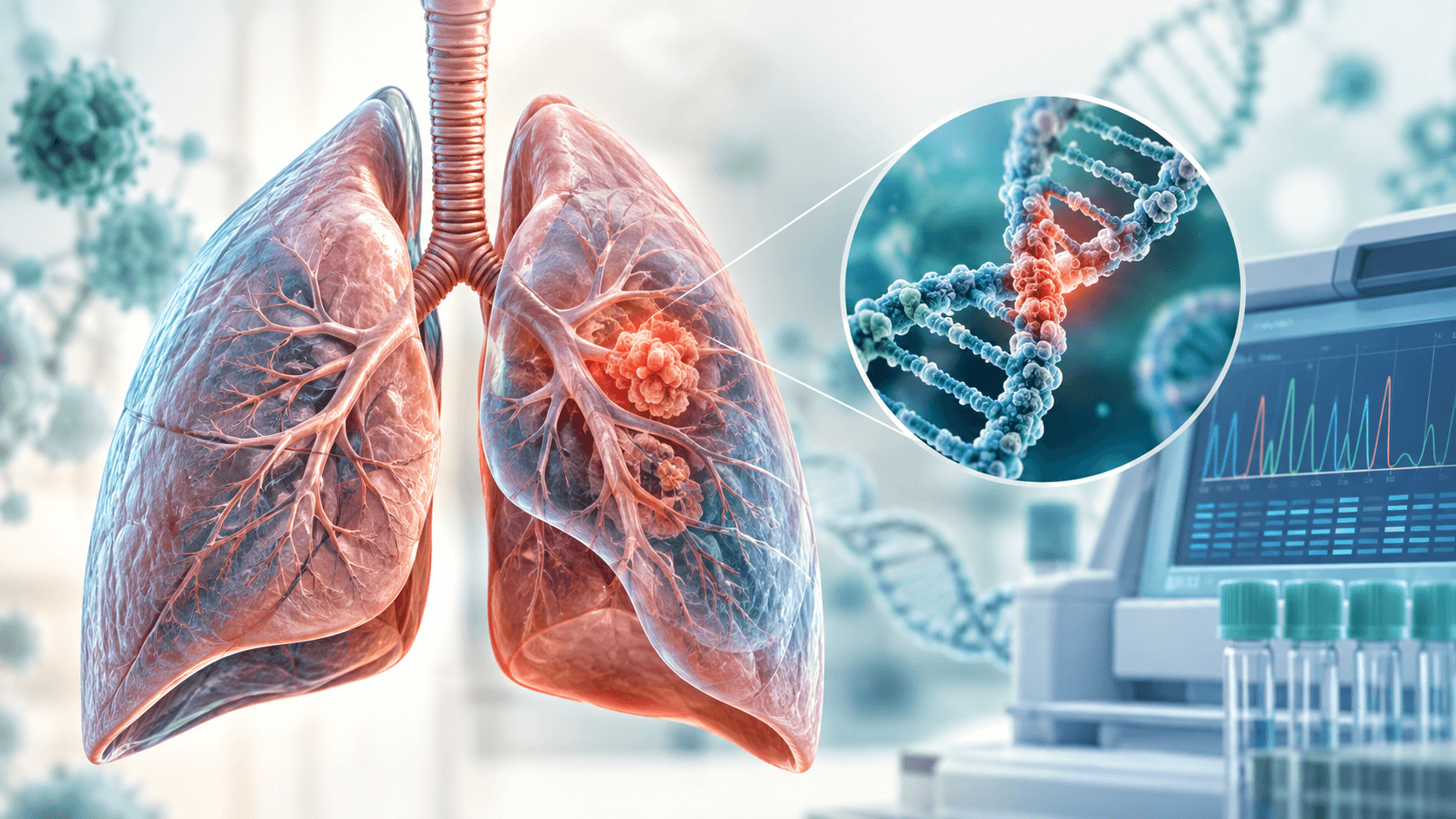
Lung cancer doesn't always stay where it starts. When it spreads beyond its original site, it's known as metastatic lung cancer, and this can happen in two ways.

In some cases, cancer cells grow into nearby tissues in the chest, like the lining around the lungs or other nearby lobes; this is known as local metastasis.

In advanced cases, the cancer moves farther out, spreading through the lymphatic system or bloodstream to reach other parts of the body. That's called distant metastasis.

Once the cancer has spread, it often affects the following areas, each with its own set of symptoms:

  • Bones
    May cause persistent pain, especially in the back, hips, or ribs
  • Brain
    Can lead to headaches, confusion, dizziness, or changes in mood or memory
  • Liver
    Might cause fatigue, weight loss, or a feeling of fullness in the belly
  • Adrenal glands
    Often doesn't cause obvious symptoms but may be found through scans

These are just a few examples of possible metastatic lung cancer symptoms, which can vary widely based on where the cancer has spread and how much it’s progressed.

image

However, do note though that no matter where the cancer spreads, it's still considered lung cancer. So, if it reaches the liver, it's not reclassified as liver cancer; it's metastatic lung cancer in the liver. That distinction matters because metastatic lung cancer treatment is based on the original cancer type, not the new location.

Either way, understanding how advanced lung cancer spreads and where it tends to go can make the process feel a little less overwhelming. It gives doctors a clearer picture, and it helps everyone involved prepare for what might come next.

How metastatic lung cancer is diagnosed

It's completely okay to feel anxious if you think the cancer has spread. But walking through how doctors confirm metastatic lung cancer can help bring some clarity and ease a bit of the fear.

This process also determines the metastatic lung cancer stages, which can help the doctor understand how extensively the cancer has spread and guide what kind of care plan is needed. These next steps are how doctors start to get that clarity.

  • Imaging scans
    Scans are often the first tool doctors use when something looks or feels off. This helps spot where the cancer is and whether it has spread beyond the lungs. CT scans can show detailed images of the chest and other areas. PET scans help highlight active cancer cells throughout the body. MRI scans are especially useful if there are concerns about the brain or spine. Bone scans are done when there's unexplained pain or signs that it may have reached there.
  • Biopsy
    To further confirm the diagnosis, a biopsy is taken, where a sample of tissue is extracted from the suspicious area. If the cancer has spread, the test may be done from a distant site like the liver, bones, or lymph nodes. The sample is then checked under a microscope to see if it's still lung cancer cells, even if found in another part of the body.
  • Molecular testing
    Once the doctors are sure it's lung cancer, the next step often involves testing the tumour for specific mutations or markers. If the cancer has certain genetic changes (like EGFR, ALK, or ROS1), there might be targeted therapies that work better than traditional chemo.
  • Bloodwork and health checks
    Blood work doesn't diagnose metastatic cancer on its own, but it does give important information about overall health, organ function, and how the body might handle treatment. All of this matters when deciding which treatments are safe and realistic. Doctors may also do a physical exam and ask about energy levels, pain, appetite, and day-to-day routines, just to better understand which metastatic lung cancer treatment plan would be the best for you.

Treatment options for metastatic lung cancer

By the time metastatic lung cancer is diagnosed, doctors have key details: where it’s spread, how aggressive it is, and whether certain mutations are driving it. These insights help shape a treatment plan that's specific to the person, not just the disease.

Based on those factors, doctors may recommend one or a combination of the following metastatic lung cancer treatment options:

  • Systemic therapy
    These are treatments that go through the whole body, not just one area. Chemotherapy: Uses medication to kill fast-growing cancer cells. It can help shrink tumours and slow the spread, though it often comes with side effects like fatigue or nausea. Immunotherapy: Helps the body's immune system recognize and attack cancer. It's especially useful for cancers that express certain markers like PD-L1 and may work well on its own or in combination with chemo. Targeted therapy: Used when the cancer has specific genetic mutations (like EGFR, ALK, or ROS1). These drugs are designed to block the growth of cancer cells without harming healthy ones as much.
  • Radiation therapy
    Radiation is often used to treat specific areas where the cancer has spread, like the brain or bones, especially if it's causing pain or other symptoms. It's local, meaning it targets just that area without affecting the whole body. However, it does come along with its fair share of complications, such as hair loss, exhaustion, and headaches.
  • Surgery (sometimes)
    Surgery isn't common for metastatic lung cancer. But in rare cases, it may be considered, like when there are only one or two tumours in another part of the body, and the rest of the cancer is stable. It's usually not the first option, but it can play a role in certain treatment plans when doctors think it could help with symptom control or long-term outcomes.
  • Clinical trials
    There are always new treatments being tested, and clinical trials can give access to therapies that aren't widely available yet. For instance, a recent global trial found that combining the drugs amivantamab and lazertinib helped people with advanced non-small cell lung cancer live longer. This new combo outperformed the current standard treatment, Osimertinib, by several months. So, it's always worth asking the care team if there are any trials available that are a good fit.
  • Supportive and palliative care
    This part of care is just as important as anything else. It helps with managing symptoms like pain, fatigue, or shortness of breath and supporting emotional well-being. Depending on the person, it could include things like pain medication, oxygen therapy, nutrition support, counselling, physical therapy, or even massage to help with sleep and stress. It's not just end-of-life care; it's for anyone living with advanced lung cancer who wants relief from symptoms and a better quality of life, no matter what stage of treatment they're in.

Metastatic lung cancer: There's still a road forward

While metastatic lung cancer brings a lot of unknowns, it doesn't mean all doors are closed. New treatments, personalized therapies, and better support systems have changed what living with stage 4 lung cancer can look like. The key is working with a care team that understands not just the disease but the person behind it.

If you're in the middle of this, as a patient or a caregiver, it helps you to focus on one step at a time: asking the right questions, exploring treatment options, and making space for emotional and physical support.

It's also okay to seek second opinions, bring someone to appointments, and take time to process the information. There's no perfect way to navigate this, but there are tools, resources, and people ready to help.

The road may be hard, but it's not one you have to walk alone.

FAQs on metastatic lung cancer

Metastatic lung cancer is tough, and the survival rates reflect that. On average, the 5-year metastatic lung cancer survival rate is around 3% for small cell lung cancer and 8% for non-small cell lung cancer (NSCLC). But it's also true that some people respond well to newer treatments and live longer than expected. Every case is different.

In most cases, it isn't curable, but that doesn't mean there's nothing that can be done. Many people live longer and feel better with treatments that help manage cancer and control symptoms. The focus shifts to what matters most to the person going through it.

It can be, especially if it spreads to places like bones or nerves. But there are strong treatments to help manage pain, and doctors now prioritize comfort just as much as treating advanced lung cancer itself.

When doctors say metastatic lung cancer, they're usually talking about stage 4 lung cancer. That means the cancer has spread beyond the lungs to other parts of the body, like the brain, bones, or liver.

Related Blogs

View More