Nutrition5 min read
Creatine and Glutamine: A Clear Guide for Cancer Nutrition and Recovery
Dr. Vrundali Kannoth

You must have come across the term MSG or monosodium glutamate if you enjoy Chinese food or love dishes with a strong umami kick. You’ve likely also heard warnings about how “bad” it can be for your health, with some people even connecting it to MSG cancer claims.
These ideas have circulated for years and often make MSG sound far more dangerous than it is. The reality is more balanced.
Eating well through treatment is hard. Get a personalised onco-nutrition plan from Everhope's dietitians.
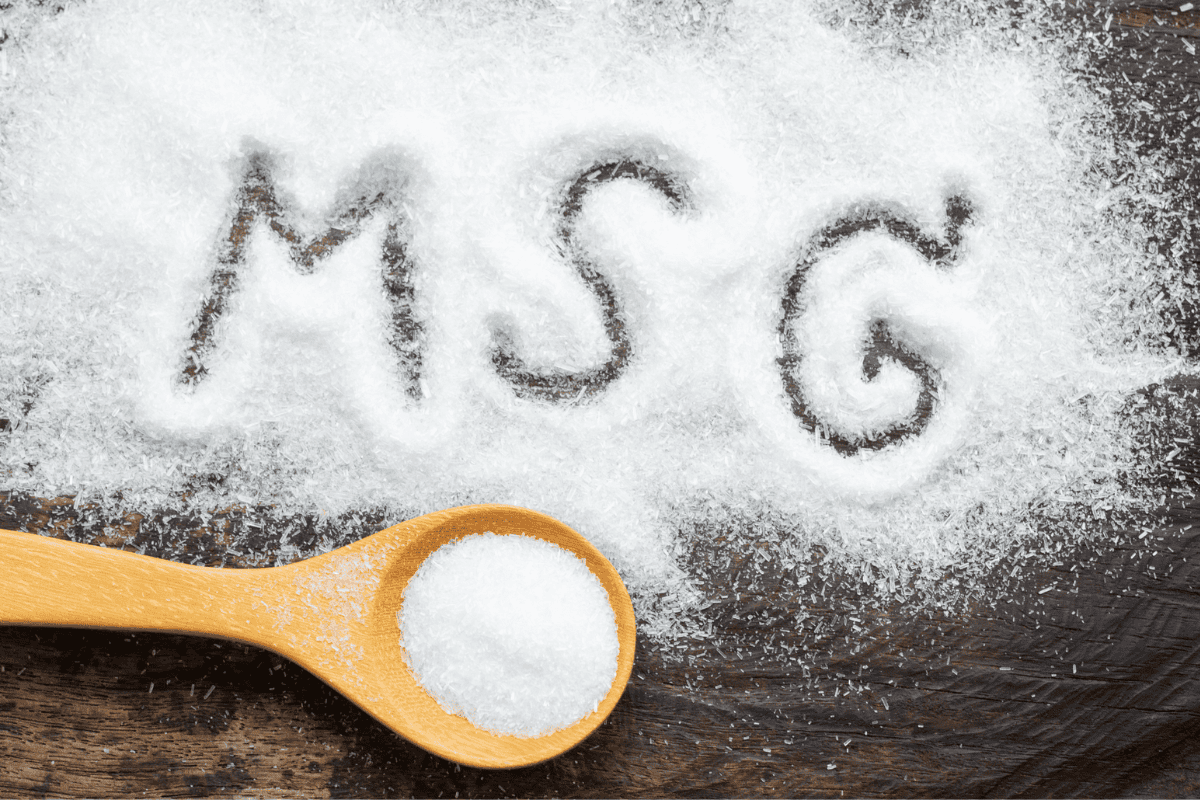
Monosodium glutamate, or MSG, is a simple combination of sodium and glutamic acid. Glutamic acid is an amino acid that occurs naturally in foods like tomatoes, mushrooms, Parmesan cheese, and even in your own body.
When paired with sodium, it becomes MSG: a crystal-like powder that dissolves quickly and instantly enhances flavour.
MSG is popular in processed foods and restaurants because it brings out a deep, savoury umami taste without needing too much salt or extra spices.
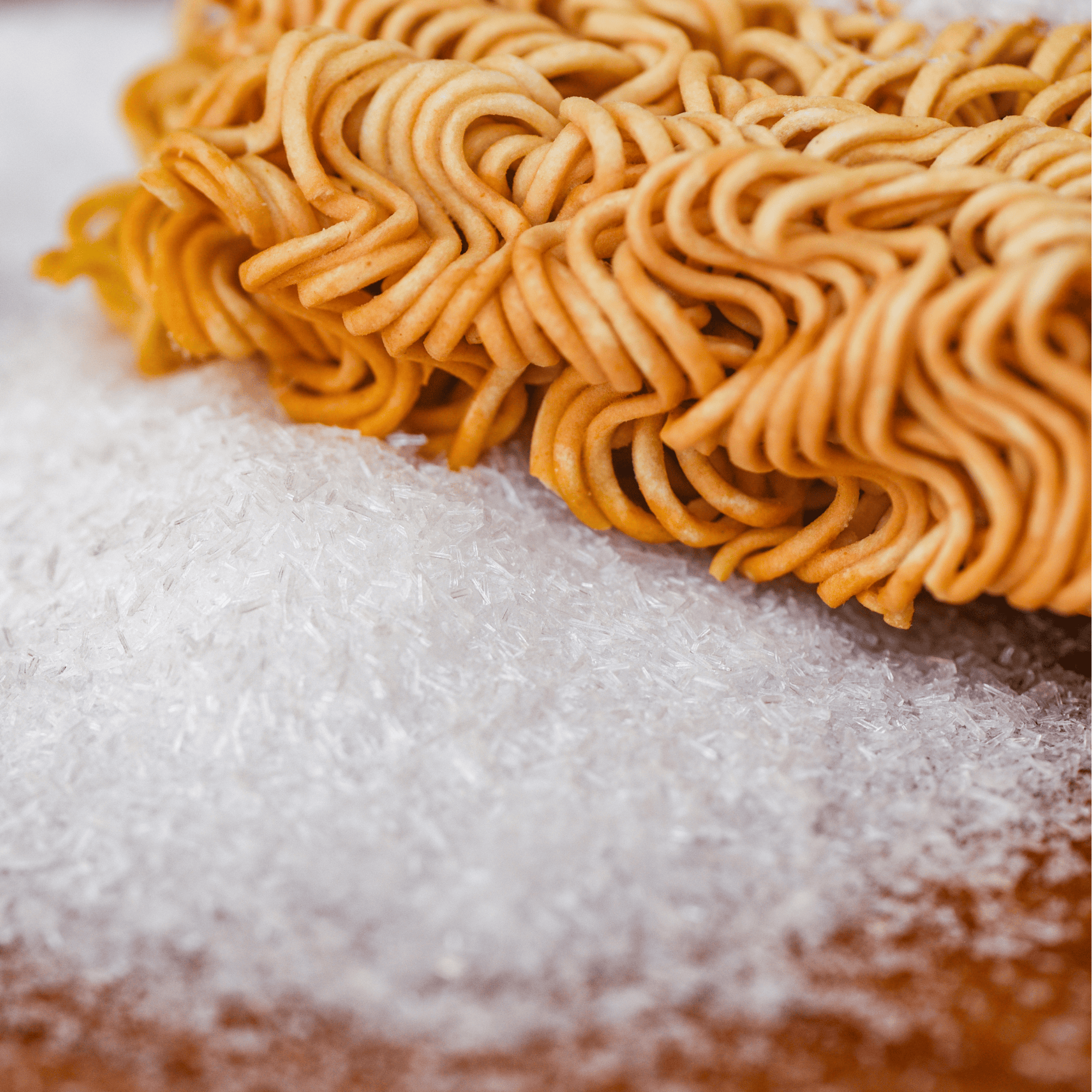
It helps soups taste fuller, snacks taste richer, and restaurant dishes feel more satisfying. This is why you’ll find it in instant noodles, chips, seasoning mixes, canned soups, and many Asian recipes.
It’s essentially a quick way to add depth and balance to food without overloading it with salt.
The fear around msg and cancer did not start with solid human data. It began with a mix of old reports on “Chinese Restaurant Syndrome,” where people blamed headaches or dizziness on MSG-heavy meals like Chinese food and early lab studies that sounded alarming.
Later, some cell and animal studies suggested that MSG could increase oxidative stress, DNA damage, or changes in cells that, in theory, might support cancer formation. These papers helped fuel online MSG cancer fears and headlines about whether it causes cancer.
That is why modern reviews separate these experimental findings from the real-world monosodium glutamate cancer risk, which we will examine next.
Now that we have decades of monosodium glutamate cancer research, the picture is much clearer. We are no longer guessing from small, early experiments. So let’s look at what current evidence actually says about “does MSG cause cancer.”
Overall, current science does not support a clear link between monosodium glutamate cancer risk and normal dietary use of MSG.
While much of the focus is on monosodium glutamate cancer, many people wonder about other side-effects. Let’s look at what research shows about whether msg causes cancer, and what non-cancer reactions may occur.
Now, if you’re still apprehensive about nutrition and cancer, and want to avoid this ingredient, that’s completely understandable.
To help you do that, here are simple ways to spot MSG on labels, especially if concerns about monosodium glutamate cancer, are on your mind.
Even though monosodium glutamate side effects cancer claims remain unproven, checking labels can give you more control over what you eat.
Look for these terms:
Deciding whether to avoid MSG often starts with concerns around monosodium glutamate cancer, or repeated claims like “is msg causing cancer”, or “can msg cause cancer”. These questions circulate widely, but current research has not shown a direct cancer link.
It’s also a common area of confusion for those exploring a diet for cancer patients, where ingredient safety often feels more sensitive.
So if the question is does monosodium glutamate cause cancer, research shows your body treats glutamate from MSG the same way it treats glutamate from these everyday foods.
If you feel sensitive to MSG or experience headaches, you can reduce your intake and track how your body responds. Also, if cancer worries or medical conditions influence your diet, speaking with an oncologist is always the safest approach.
For most people, balanced consumption is enough; complete avoidance isn’t necessary.
The debate around monosodium glutamate cancer has grown louder over the years, especially as people search for clarity on foods that prevent cancer and ingredients they should be careful about.
But when we look at updated research, the evidence is far more reassuring. Studies exploring “does monosodium glutamate cause cancer” have not found a direct link, and major health bodies continue to consider MSG safe in normal amounts.