Education7 min read
Resistance Mutations in Lung Cancer: Causes and the Importance of Testing
Dr. Vrundali Kannoth
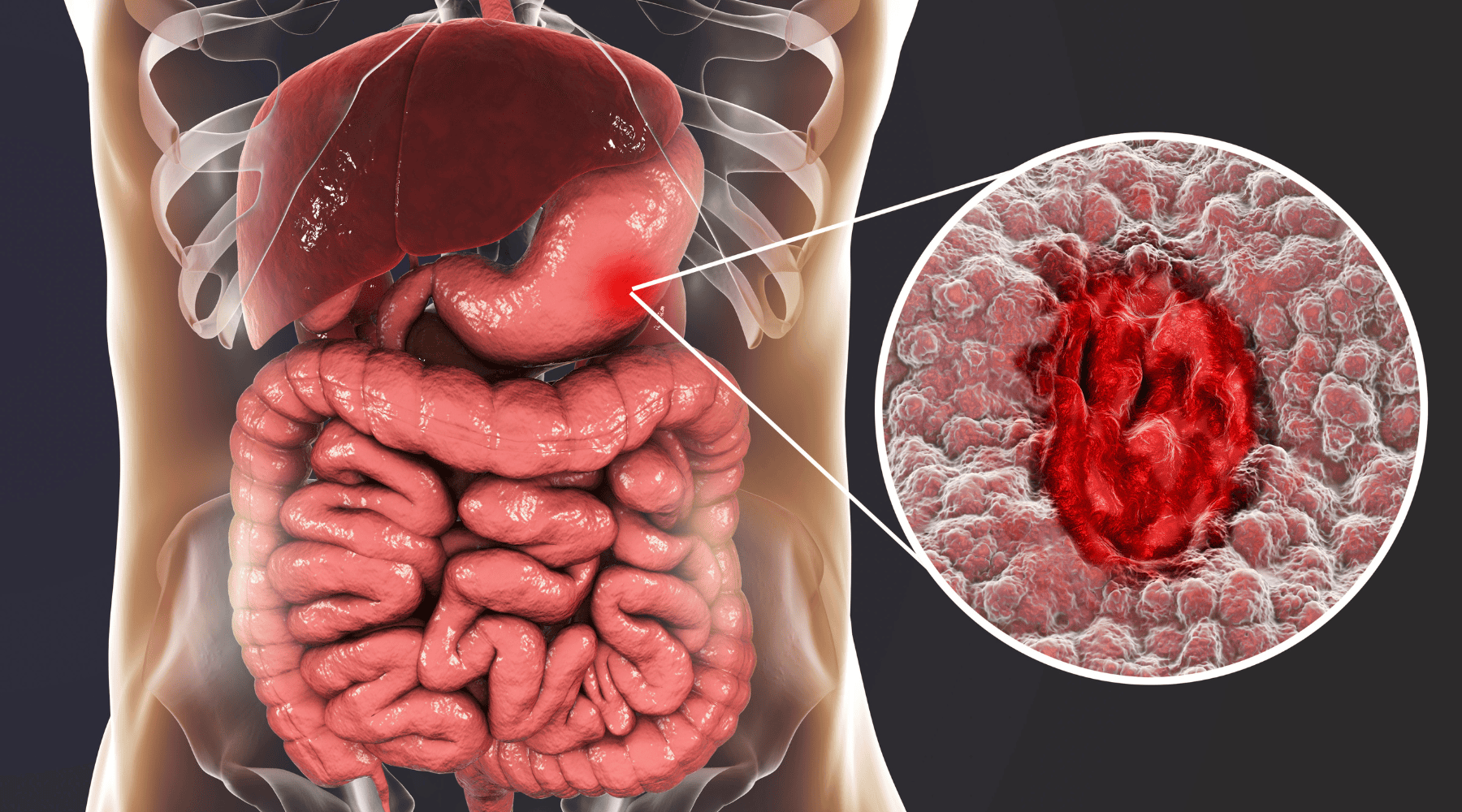
Many people don’t realise they have stomach cancer until it’s advanced. That’s why knowing the pathophysiology of stomach cancer is vital for awareness and early detection.
Behind every diagnosis lies a history of subtle changes on the cellular level, such as alterations in genes, chronic irritation from infections like Helicobacter pylori, or long-standing inflammation of the stomach lining.
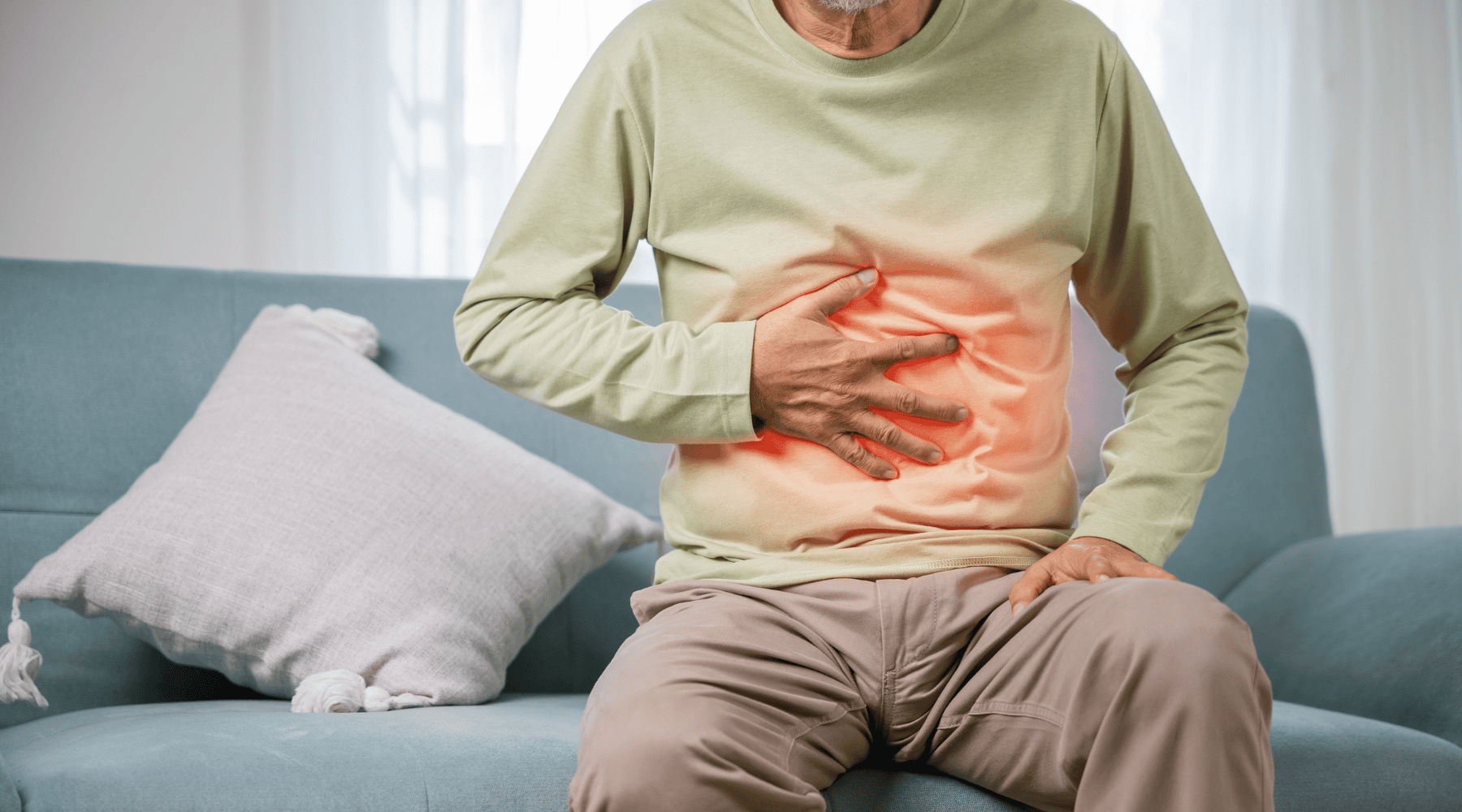
These hidden processes determine how the disease (and eventually the cancer) affects the body and how doctors choose the right treatment.
While it might sound overwhelming and overly scientific, by exploring the pathophysiology of gastric cancer, we can make sense of its progression. Let’s turn a complex subject into knowledge that guides awareness, early detection, and hope.
Gastric cancer does not appear suddenly. It develops through a gradual process where healthy stomach cells undergo a series of changes (pathophysiology of gastric cancer) before turning cancerous.
In many patients, this journey begins with damage to the stomach lining, usually from chronic irritation or infection. Over time, these repeated injuries can alter the way cells grow, repair themselves, and communicate.
Pathophysiology simply means the “story of how disease develops”. In this case, the chain of biological events leads from a normal stomach environment to cancer.
This progression is often explained using a pathophysiology of stomach cancer in flow chart format, showing the Correa cascade step by step. The pathophysiology of gastric cancer shows that this transformation is not sudden but follows predictable steps that doctors can track.
Gastritis → atrophy → intestinal metaplasia → dysplasia → and finally invasive cancer.
Let’s understand this in simpler language.
Gastric cancer begins with small changes inside stomach cells. Genetic mutations and long-term irritation from infections like Helicobacter pylori are two main factors that drive this process.
Looking at the pathophysiology of gastric cancer at the cell level shows how gene changes and long-term inflammation slowly turn healthy stomach tissue into cancer.
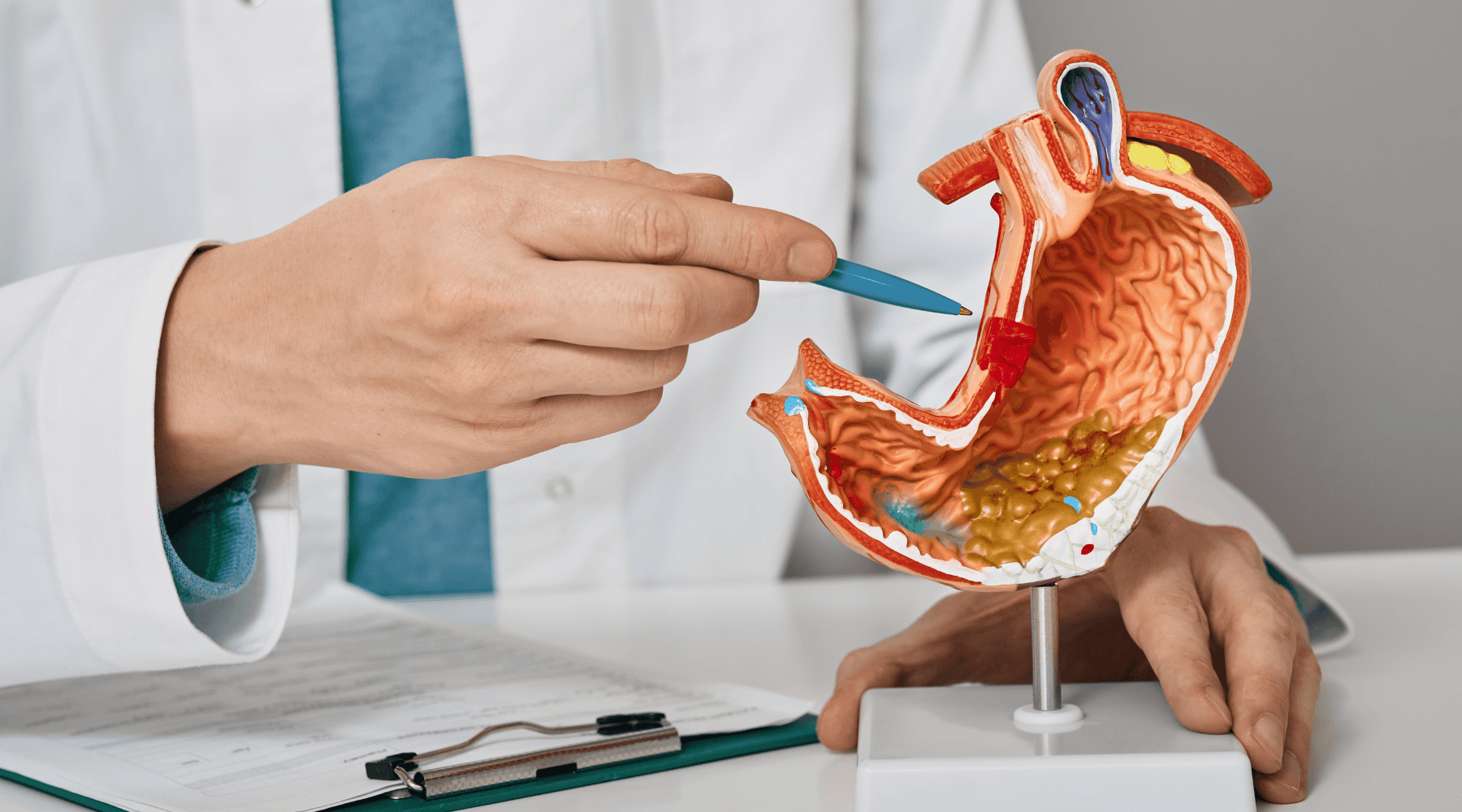
Here’s a look at how the two factors affect the body:
Gastric cancer develops when critical genes that control growth are damaged. Among high-frequency drivers, TP53 is the most commonly affected, with mutations found in about 50% of cases.
Another gene affected is CDH1, which normally helps stomach cells stick together. When these genes are altered, cells lose control over growth and spread.
A stomach cancer pathophysiology diagram often illustrates how genetic mutations and inflammation work together.
Damaged genes → uncontrolled growth → cancer risk.
Helicobacter pylori infection is one of the strongest risk factors. It causes long-term irritation of the stomach lining, which over time:
Treating H. pylori can significantly reduce this risk
The pathophysiology of stomach cancer explains both local and systemic effects, from bleeding to fatigue. Let’s take a look at the different effects that come with them:
The anatomy and pathophysiology of stomach cancer explain why tumours cause local effects like bleeding or obstruction. As cancer grows, it can erode blood vessels, block food passage, or press on nearby nerves, leading to local effects such as bleeding, obstruction, and pain.
If you or your loved one is dealing with these side effects, it is important to have a care team that knows how to take care of gastric cancer symptoms and make the healing journey comfortable.
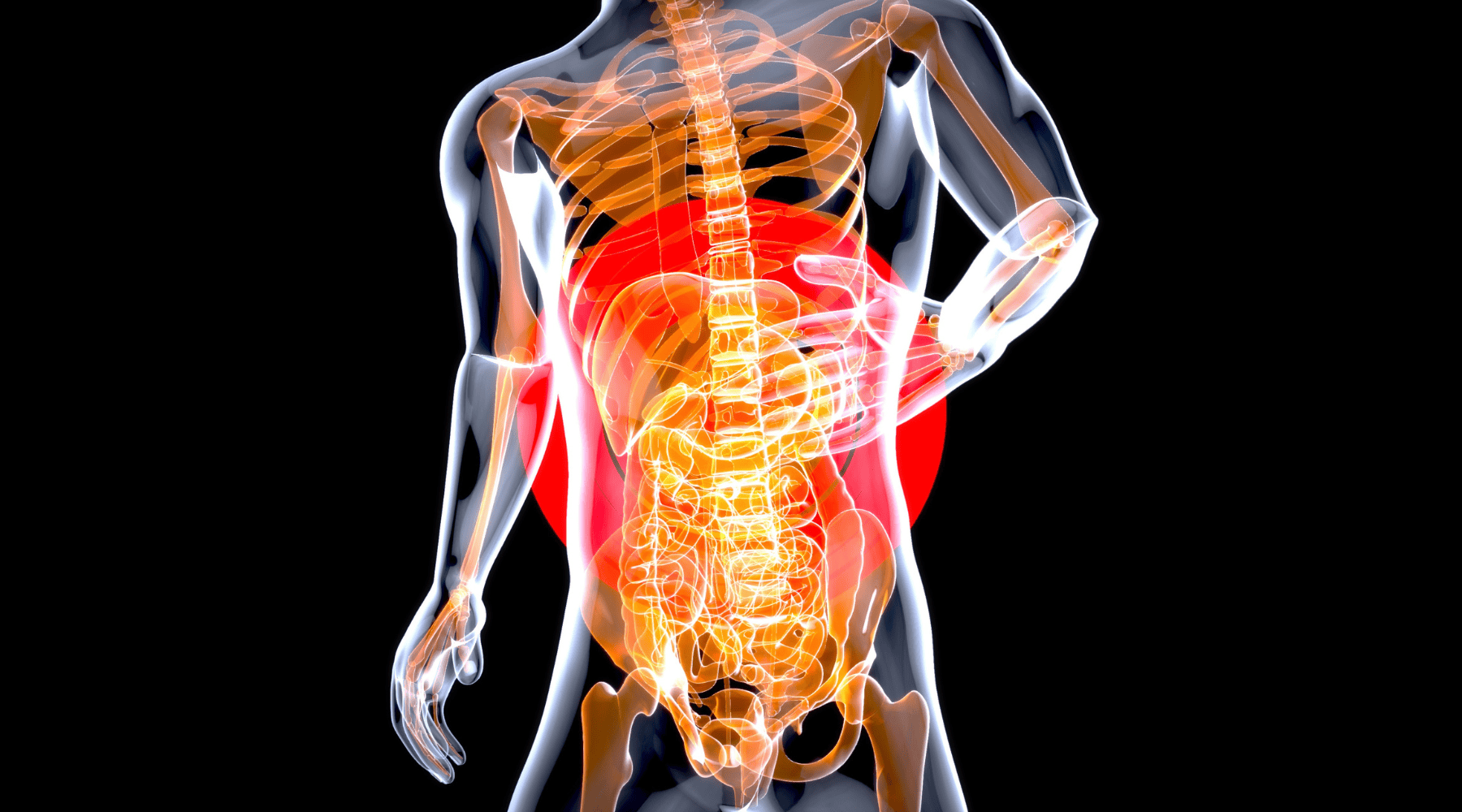
The anatomy and pathophysiology of stomach cancer also explain why tumours cause whole-body symptoms like weight loss, anemia, and fatigue.
Because symptoms of stomach cancer often don’t appear until the disease has spread, 62.2% gastric cancer patients in a study had diffuse-type disease, and 89.8% were diagnosed late, with 60% of them already metastatic.
This makes understanding how the disease progresses especially important. Studying the pathophysiology of stomach cancer shows why most patients are diagnosed late and highlights the value of screening.
Recognising the stepwise changes of the Correa pathway helps identify patients at higher risk (e.g., chronic gastritis or intestinal metaplasia).
Endoscopy, biopsies, and imaging are used to detect early lesions and determine how far the cancer has spread, which is important for accurate staging.
Knowledge of the pathophysiology of gastric cancer helps doctors choose whether surgery, systemic therapy, or targeted drugs are most effective for each patient.
For example, localised tumours may be surgically removed, while advanced cases often require systemic therapy.
Tests can also look at specific markers on the cancer cells, like HER2 or PD-L1. If these are present, doctors can use targeted drugs that work better for those patients.

Gastric cancer is not just a sudden illness but the result of years of hidden cellular changes. By understanding the anatomy and pathophysiology of stomach cancer, your loved ones and doctors can work together toward earlier detection and more effective care.
For experienced oncologists, this knowledge shapes better diagnosis, accurate staging, and personalised treatments.
And for patients, it turns a complex medical subject into something empowering: knowledge that can guide decisions, encourage timely screening, and offer hope even in a difficult journey.
The Correa cascade is a stepwise process where normal stomach lining changes into chronic gastritis, atrophy, intestinal metaplasia, dysplasia, and eventually cancer. Recognising this sequence helps in early detection and monitoring. This sequence is sometimes shown in a stomach cancer pathophysiology diagram to help patients visualise disease progression.
H. pylori triggers long-term inflammation that damages cells and increases mutations. Over time, this process is central to the pathophysiology of stomach cancer, moving patients closer to tumour development.
The most frequent is TP53, altered in about half of cases. Others include CDH1 and growth-related genes, all key to the anatomy and pathophysiology of stomach cancer.
A stomach cancer pathophysiology diagram simplifies complex changes, from healthy lining to chronic gastritis, to precancerous lesions, and finally cancer, making disease progression easier to understand.
The anatomy and pathophysiology of stomach cancer together explain why tumours affect both structure and function, causing local symptoms like bleeding and systemic effects like weight loss or fatigue.