
Can PCOS Cause Ovarian Cancer? Learn About the Connection
Dr. Vrundali Kannoth|5 min read|
If you're a woman, chances are you’ve heard of PCOS, maybe from your doctor, your mom, or that one friend who’s been dealing with it for years. It’s one of the most common hormonal disorders affecting women today, with 1 in 8 women being afflicted with this illness globally.

But beyond the irregular cycles and hormonal ups and downs, there’s a bigger concern that often sparks fear - can PCOS cause ovarian cancer? While PCOS itself isn’t a type of cancer , studies have explored its possible connection to ovarian cancer risk.
To clear the confusion, this article breaks down the link between PCOS and ovarian cancer and can PCOS lead to ovarian cancer. We’ll also share ways you can protect your health through early awareness and preventive care.
What is PCOS?
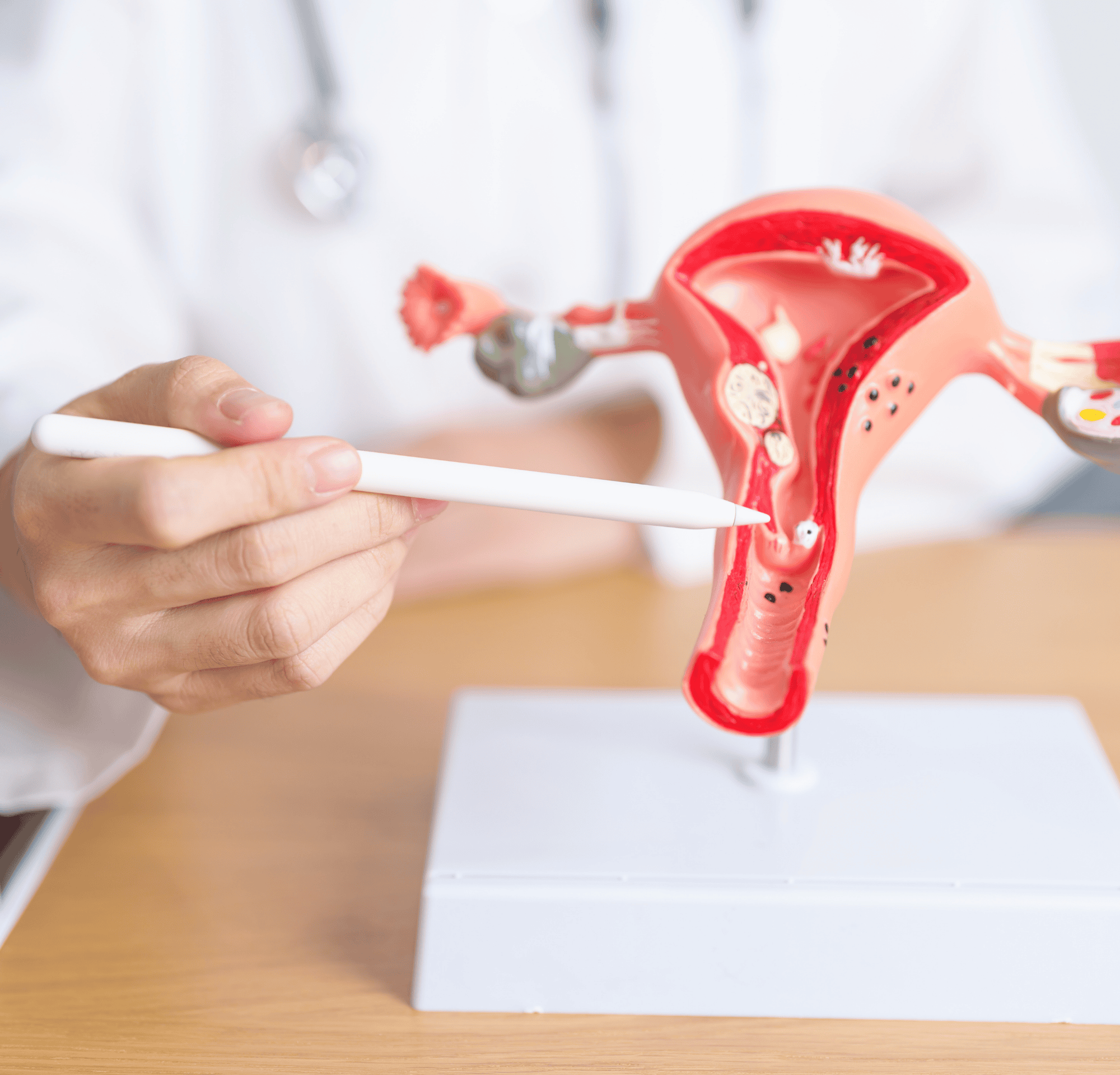
PCOS, or Polycystic Ovary Syndrome, is a common hormonal disorder that affects how a woman’s ovaries work. It happens when the body produces higher-than-normal levels of male hormones (androgens), which can interfere with ovulation and cause irregular periods.
Tiny fluid-filled sacs called follicles may also form in the ovaries, leading to hormonal imbalances and fertility issues.
When we talk about PCOS and ^ovarian cancer^https://everhope.care/ovarian-cancer , understanding the condition itself is key. PCOS isn’t just about missed periods; it also affects metabolism, skin, mood, and overall health.
Here are some common symptoms to look out for:
- •Irregular or missed periods
- •Excess hair growth on the face or body
- •Acne or oily skin
- •Weight gain or trouble losing weight
- •Thinning hair or hair loss on the scalp
- •Difficulty getting pregnant
Recognising these symptoms matters as it allows early diagnosis, better hormonal control, and helps avoid confusion between PCOS and ovarian cancer.
Causes of PCOS
Other than high androgen levels, several other factors contribute to the development of PCOS. It’s rarely caused by a single issue alone; usually, a combination of hormones, genes, and lifestyle factors work together to trigger this condition.
Here are some of them:
- •Insulin resistanceWhen the body becomes less responsive to insulin, blood sugar levels rise. To compensate, the pancreas produces more insulin, which in turn stimulates the production of excess androgens. This cycle disrupts ovulation and worsens PCOS symptoms over time.
- •Genetic factorsIf your mother or sister has PCOS, your chances of developing it increases - about 20% to 40% of women with PCOS have an affected first-degree relative. Family-linked hormonal patterns and metabolic traits often influence how the condition presents and progresses.
- •Low-grade inflammationMany women with PCOS show signs of mild, ongoing inflammation, meaning the immune system is slightly more active than normal, even without illness. This can interfere with the ovaries' function and may impact long-term hormonal balance and ovarian health.
How does PCOS lead to ovarian cancer
While we’ve discussed the root causes of Polycystic Ovary Syndrome (PCOS), those same mechanisms may help explain the answer to can PCOS cause ovarian cancer, even if it doesn’t guarantee it.
1. High estrogen levels
Women with PCOS often don’t ovulate regularly, which means the body stays exposed to estrogen for longer periods. This “unopposed estrogen” can sometimes cause abnormal cell growth in the ovaries.
Research suggests that women with long-term estrogen exposure have a higher chance of ovarian cancer, though the evidence for PCOS specifically is still limited.
2. Insulin resistance
In PCOS, the body becomes less sensitive to insulin, so the pancreas produces more of it to keep blood sugar levels stable. This excess insulin can overstimulate the ovaries, causing them to produce more androgens.
Over time, this hormonal imbalance, driven by persistently high insulin, can promote abnormal cell activity and increase ovarian cancer risk in some women.
3. Chronic inflammation
With the body’s immune system remaining mildly active in PCOS, it releases inflammatory chemicals, such as cytokines and CRP. These chemicals can then damage healthy ovarian cells and create oxidative stress (a process where unstable molecules harm DNA)
These small, repeated injuries can lead to abnormal cell repair and growth. Also, why researchers believe chronic inflammation may play a role in can PCOS lead to ovarian cancer.
4. Obesity
Obesity often co-exists with PCOS; adipose tissue amplifies estrogen production, raises insulin levels, and triggers inflammation. Each of those in turn is a known risk factor for ovarian cancer.
One study even found that obese women with ovarian cancer had 17% worse survival compared with those of normal weight. This shows how obesity not only heightens PCOS and ovarian cancer risk but can also affect outcomes after diagnosis.
Preventive steps for PCOS and ovarian cancer risk
So, can PCOS cause ovarian cancer? Although research hasn’t proven this, certain PCOS-related changes can increase the risk. Taking preventive steps early can make a major difference.
Here’s what helps most:
1. Healthy diet and weight management
A balanced diet and healthy weight are key to controlling PCOS symptoms and lowering ovarian cancer risk. Excess weight increases insulin resistance and estrogen levels, both of which can contribute to hormonal imbalances.
- •Limit processed sugars and refined carbs.
- •Include lean proteins and healthy fats (like fish, nuts, and olive oil).
- •Exercise regularly - even 30 minutes a day can make a difference.
- •Stay hydrated and maintain a consistent sleep schedule.
Along with these habits, incorporating foods that help prevent cancer into your meals, such as berries, tomatoes, and leafy greens, can add further protection and support long-term ovarian health.
2. Regular gynaecological check-ups
Routine visits to your gynaecologist are essential for early detection. Regular pelvic exams, ultrasounds, and hormone tests can track PCOS progression and spot any ovarian changes early.
If you experience bloating, persistent pelvic pain, or irregular bleeding, it’s important to get evaluated promptly. Early diagnosis doesn’t just lower risk but also improves treatment success rates, and many early-stage ovarian cancer cases are curable today with timely medical care.
3. Managing hormones and insulin levels
Keeping your hormones and insulin levels balanced reduces the PCOS and ovarian cancer risk. Your doctor may recommend lifestyle changes, metformin for insulin resistance, or birth control pills to regulate hormones.
Monitoring blood sugar and hormone levels regularly helps prevent imbalances from developing into chronic issues.
4. Awareness of symptoms and timely screening
Lastly, understanding your body is the first step toward prevention. Stay alert for signs like irregular periods, abdominal bloating, unexplained weight gain, or fatigue. If ovarian cancer symptoms persist or change suddenly, consult a healthcare professional.
Being aware of your risk and acting early can make a significant difference in preventing complications related to both PCOS and ovarian cancer.
Your next steps if you're worried - can PCOS cause ovarian cancer?
If you’ve ever wondered about whether POS can cause ovarian cancer, the short answer is, not directly. But the hormonal, metabolic, and inflammatory changes that come with PCOS may slightly increase the ovarian cancer risk over time. The key is early management.
Keep your weight, hormones, and insulin levels in check through a healthy lifestyle and regular medical care. Schedule routine gynaecological exams and report symptoms like bloating, pelvic pain, or irregular bleeding.
Understanding the difference between PCOS and ovarian cancer also helps, since ovarian cancer is mistaken for PCOS due to overlapping symptoms. However, if you’re still doubtful, consult an expert, and they might start you on an ovarian cancer treatment , if needed.
So, can PCOS cause ovarian cancer? No, but staying informed helps you take control of your health.
If you’re unsure about your symptoms or want a proper evaluation, reach out to a trusted women’s health or cancer centre for personalised guidance and early screening.
Questions
FAQs on can PCOS cause ovarian cancer
Are ovarian cysts from PCOS cancerous?
No, the cysts in PCOS are not cancerous. They are immature follicles, unlike the abnormal growths seen in ovarian cancer.
Can PCOS and ovarian cancer have similar symptoms?
Yes, symptoms like bloating, irregular periods, or pelvic pain can overlap, which is why ovarian cancer is mistaken for PCOS.
Explain PCOS vs ovarian cancer
PCOS is a hormonal disorder causing irregular cycles and cyst formation, while ovarian cancer involves uncontrolled cell growth in the ovaries.
Can PCOS turn into ovarian cancer?
While it’s inaccurate to say PCOS causes ovarian cancer, research shows that the hormonal and metabolic changes linked to PCOS may increase ovarian cancer risk slightly.
Related Blogs
Diagnosis8 min read
Tumor Profiling for Head and Neck Cancer: Unlocking Precision Treatment
Dr. Vrundali Kannoth