SmokingCausesCancer: Symptoms, Health Effects & Prevention
Dr. Vrundali Kannoth|5 min read|
We all know the line: smoking causes cancer, smoking kills. However, what it really does is far more complex than that.
Behind every puff lies a mix of toxic chemicals that quietly rewire your body’s cells, alter your DNA, and strain your lungs, heart, and immunity.
As doctors, we often see people regret their first cigarette only after years of damage. Yet, understanding smoking causes cancer isn’t just about guilt; it’s about awareness, compassion, and giving your body a second chance.
This article explains
what happens inside your body when you smoke, how your risk changes with time, and how to spot warning signs early. If you’ve ever wondered does smoking actually cause cancer, the science leaves no room for doubt.
How smokingcauses cancer
To understand how smoking causes cancer, imagine your body as a well-organised system where each cell knows its job.
Cigarette smoke, unfortunately, sends chaos through that system. It contains more than 7,000 chemicals: around 70 of which are carcinogens. These enter your bloodstream and spread everywhere, from your pancreas to your brain.
Carcinogens like benzene and formaldehyde damage your DNA: the code that keeps your cells healthy and balanced. When this code breaks, cells begin to grow uncontrollably. That’s how does smoking cause cancer: by mutating the body’s natural repair system.
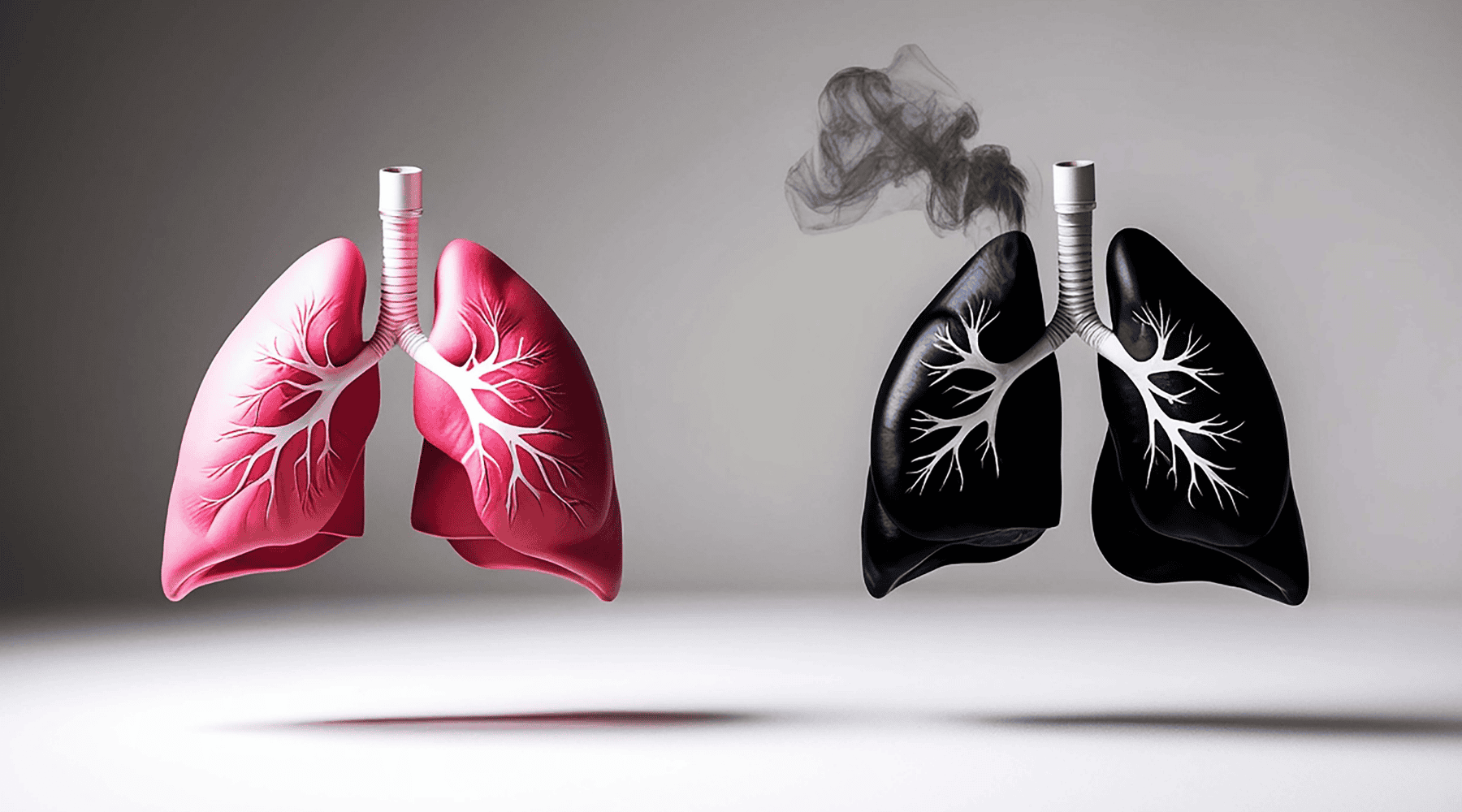
Your lungs, being the first to face the smoke, take the hardest hit.
Over time, the tissue becomes scarred, oxygen exchange weakens, and cell mutations begin: eventually leading to lung cancer . What starts as mild coughing or breathlessness may later signal something far more serious.
This ongoing internal assault doesn’t stop there. The toxins travel through your bloodstream, damaging blood vessels and organs, creating a ripple effect across your body.
That’s how can smoking cause cancer in parts of the body far from the lungs.
How many years of smoking causes cancer
There’s no magic number that guarantees when cancer begins.
The real answer is: the risk builds silently.
How many years of smoking causes cancer depends on how long and how deeply your body has been exposed to these toxins.
Research shows that cell mutations can start forming after just five years of regular smoking. After 10 years, the risk of developing lung or throat cancer is about ten times higher than that of a non-smoker.
The good news?
Quitting at any point starts to reverse that risk. Within five years of quitting, your chance of mouth and throat cancers drops by half. Within 10 years, your risk of lung cancer falls to nearly half that of a continuing smoker.
Increase in risk over time
Smoking is like quietly stacking risk upon risk in your body. The longer you smoke, the more your DNA suffers tiny, cumulative damage, and the higher your chance of developing cancer.
According to the National Cancer Institute, a smoker’s risk of cancer can be 2 to 10 times higher than a non-smoker, depending on how long and how much they’ve smoked.
The body can repair itself to some extent, but persistent exposure wears down that healing ability.
How many cigarettesperday increases risk of cancer?
Even one cigarette a day increases your cancer risk: there’s truly no safe threshold.
It is said that smoking 5 or more cigarettes per day already raises the risk of lung cancer by around 50% compared to non-smokers, while those who smoke a full pack (20 cigarettes) daily can have up to 20–25 times higher risk over their lifetime.
Types of cancer due to smoking
When it comes to types of cancer due to smoking, it’s not just the lungs in danger.
Tobacco smoke affects almost every organ, creating what doctors call smoking related cancers.
•Lung Cancer
The most common result of prolonged smoking. Almost 9 out of 10 cases stem from cigarette use, particularly adenocarcinoma lung, a type that grows deep in the lung tissue.
Cigarette smoke irritates delicate tissues, leading to mouth, throat, and voice box tumours. Persistent cough or change in voice can be early head and neck cancer symptoms .
•Oesophageal Cancer:
The lining of the oesophagus is sensitive. Smoke particles and tar accumulate here, often leading to oesophageal cancer , one of the most aggressive forms.
•Other Organs:
The pancreas, bladder, kidneys, and cervix are also vulnerable: all parts of types of cancer linked to tobacco.
This wide reach shows what kind of cancer does smoking cause: a long list that can begin anywhere the blood flows.
Cancer symptoms due to smoking
The early smoking cancer symptoms can be subtle, often mistaken for common issues like allergies or fatigue.
•Persistent cough or chest pain (one of the possible lung %cancer%https://everhope.care/breast-cancer/symptoms-causes/ symptoms )
If you notice these signs, don’t wait - get checked early.
Remember, recognising symptoms early can make treatment more effective.
Can occasional or social smoking cause cancer?
Many believe that smoking “only on weekends” or “just at parties” is harmless. Sadly, that’s a myth. Even limited exposure introduces carcinogens that your body struggles to flush out.
Can occasional smoking cause cancer? Yes, while the risk is lower than daily smoking, it’s never zero.
Every puff sends a toxic surge through your bloodstream. Your DNA doesn’t distinguish between a “social” cigarette and a regular one: damage accumulates either way.
Over time, this can lead to cancer because of smoking, even if you never considered yourself a smoker.
Smokingcancer statistics and risk
Smoking cancer statistics and risk
In the UK alone, around 70% of cancer due to cigarette smoking could have been prevented.
Smoking cancer statistics reveal that smokers are up to 25 times more likely to develop cancer due to smoking than non-smokers.
Even exposure to second-hand smoke raises risk: clearing the doubt that ‘can passive smoking cause cancer?’ isn’t just theory, it’s reality.
And yes, does passive smoking cause cancer? It absolutely does. People who live or work around smokers breathe in the same carcinogens and face similar dangers.
That’s why protecting others is just as important as protecting yourself.
Prevention and lowering the risk
It’s never too late to reclaim your health. Quitting smoking, even after decades, can cut your risk of smoking effects cancer dramatically.
Within weeks, your oxygen levels rise; within months, your lungs start repairing.
To lower risk:
•Quit smoking completely, not just cutting down.
•Stay away from smoky environments.
•Eat antioxidant-rich foods (fruits, vegetables, green tea).
•Exercise regularly to improve circulation and immunity.
•Get screened if you’ve smoked for over 10 years.
The earlier you quit, the greater your chances of avoiding chances of cancer by smoking. Remember, your body has remarkable healing potential - but it needs your help to begin.
Doctor’s note
You can’t change the years behind you, but you can control what happens next. If you’ve smoked for years, don’t think it’s too late: your body starts healing the very day you stop. Breathing feels lighter, blood flow improves, and your immune system begins rebuilding.
Understanding that smoking causes cancer isn’t about shame, it’s about hope. Talk to oncology doctors , they’ll guide you towards safe quitting options and regular screenings.
One small choice today can save years of life ahead.
FAQs on smoking causes cancer
Nearly one-third of lifelong smokers develop some form of cigarette smoking and cancer, and many others face chronic respiratory illnesses.
Not at the same rate, but vaping still delivers chemicals that harm DNA. So while it’s different, does smoking cause cancer remains the bigger risk.
Yes. Even short exposure increases risk for lung and throat cancers. Can smoking cause cancer in people who don’t smoke? Sadly, yes.