
+918929672099
Call Us
Stomach Cancer Lump - Key Causes, Common Symptoms & Diagnosis
Dr. Vrundali Kannoth|5 min read|
Finding a lump anywhere on your body triggers immediate worry. When you feel a hard mass in your abdomen, questions flood your mind: Is this serious? Could it be cancer? What should I do?
A stomach cancer lump isn't something you typically hear about as often as breast or skin lumps. But abdominal masses can occur, and understanding what they mean is crucial for your health.
The thing is, not every abdominal lump indicates cancer. Many are completely benign. But some do require immediate medical attention, and recognising the difference can be life-saving.
This guide explains
what a stomach cancer lump in abdomen actually is, how to identify concerning signs, when to see a doctor, and what happens next if cancer is suspected.
What is a stomach cancer lump?
Let's start with clarity: what is stomach cancer lump in medical terms?
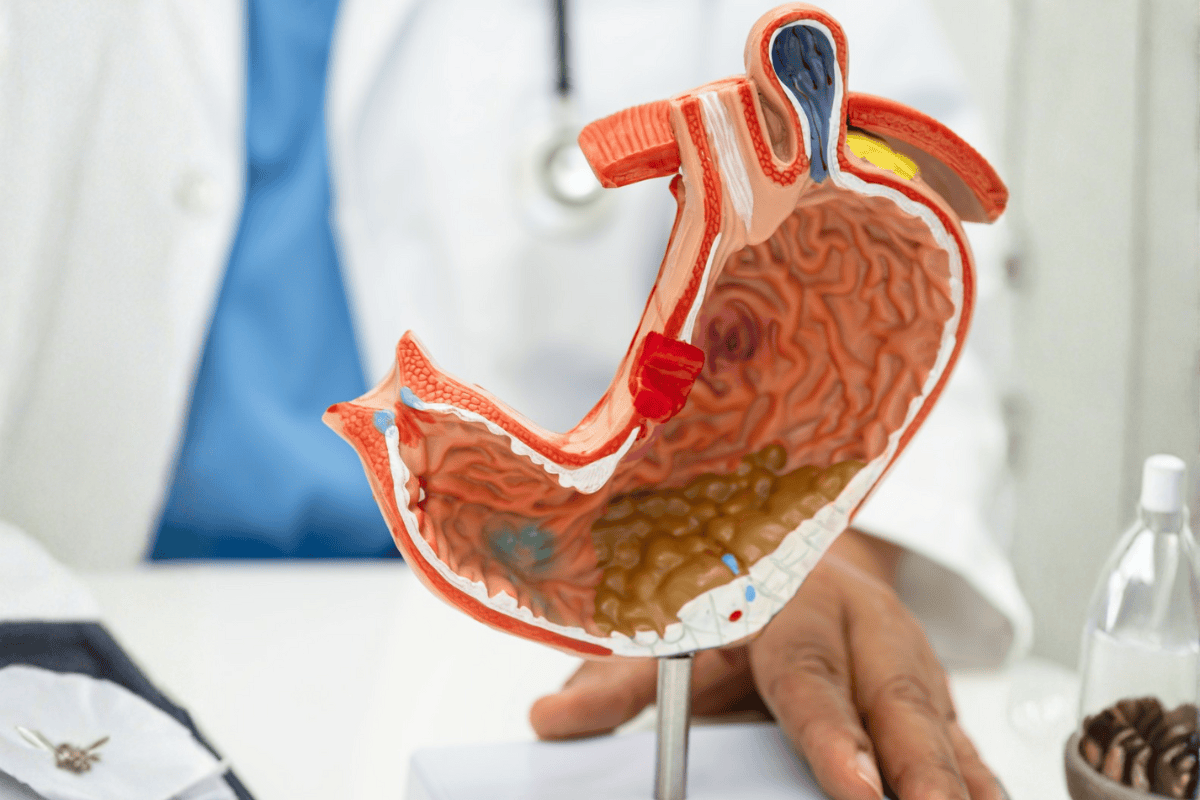
A stomach cancer lump refers to a palpable mass in your upper abdomen that results from a malignant tumour growing in the stomach wall.

How does a stomach cancer lump develop?
Stomach cancer (gastric cancer) typically begins in the inner lining of the stomach. According to the American Cancer Society, most stomach cancers are adenocarcinomas - cancers that start in the glandular cells lining the stomach.
The process happens gradually:
- •Normal stomach cells undergo DNA changes (mutations)
- •These mutated cells begin growing abnormally
- •They form a tumour that thickens the stomach wall
- •As the tumour grows, it may eventually protrude enough to be felt externally
- •Advanced tumours may spread beyond the stomach to nearby organs
By the time a stomach cancer lump is palpable externally, the cancer is often in an advanced stage. Early-stage stomach cancer rarely creates a lump you can feel because tumours are still small and contained within the stomach wall.
This is why awareness of other stomach cancer symptoms matters tremendously - waiting until you can feel a lump means valuable time may have passed.
Are stomach lumps cancerous?
"Are stomach lumps cancerous?" It's the first question everyone asks. The reassuring answer: most abdominal lumps are not cancerous.
Common benign causes of abdominal lumps include:
- •Hernias (tissue pushing through the abdominal wall weakness)
- •Lipomas (fatty tissue growths)
- •Enlarged organs (liver, spleen)
- •Abdominal aortic aneurysm
- •Kidney problems
- •Ovarian cysts (in women)
- •Constipation or faecal impaction
- •Muscle tissue abnormalities
When could a lump indicate stomach cancer?
Certain characteristics suggest a lump for cancer in stomach rather than benign causes. According to research published in the Journal of Gastric Cancer , concerning features include:
- •LocationUpper central or left upper abdomen where the stomach sits
- •TextureFirm, hard, or rock-like rather than soft or movable
- •GrowthProgressively increasing in size over weeks or months
Associated symptoms:
The lump appears alongside:
- •The lump appears alongside:
- •Unexplained weight loss (5+ kg without trying)
- •Loss of appetite or feeling full quickly
- •Difficulty swallowing
- •Persistent nausea or vomiting
- •Blood in stool (appearing dark or tarry)
- •Severe fatigue
Key difference: Normal lump vs cancerous lump
A benign abdominal lump typically:
- •Appears suddenly
- •Is soft and movable
- •Doesn't grow or grows very slowly
- •Isn't accompanied by systemic symptoms
- •May be painful but doesn't cause progressive symptoms
Cancerous lump in stomach symptoms typically include:
- •Gradual appearance with progressive growth
- •Firm, fixed texture
- •Accompanied by multiple concerning symptoms
- •Associated with unexplained weight loss
- •Causes persistent or worsening stomach cancer pain
If you notice any suspicious abdominal mass, seek medical evaluation promptly. Early stomach ancer diagnosis significantly improves treatment outcomes.
Stomach cancer lump causes & risk factors
Understanding stomach cancer lump causes helps identify if you're at increased risk and need more vigilant monitoring.
Primary causes:
Several factors contribute to stomach cancer development:
- •H. pylori infectionThe bacteria Helicobacter pylori causes chronic stomach inflammation, significantly increasing cancer risk. Studies show H.pylori infection raises stomach cancer risk 2-6 times. In India, H. pylori infection rates are particularly high.
- •Dietary factorsHigh salt intake, smoked foods, processed meats, and low fruit/vegetable consumption all contribute. Traditional preservation methods using heavy salt (pickles, dried fish) increase risk.
- •Chronic gastritisLong-term stomach inflammation from any cause creates conditions for cancer development.
- •Smoking and alcoholBoth damage stomach lining cells and increase mutation risk.
- •Genetic factorsFamily history of stomach cancer increases risk. Certain inherited conditions, like hereditary diffuse gastric cancer syndrome, significantly elevate risk.
Stomach cancer lump risk factors include:
- •Age over 55 (risk increases with age)
- •Male sex (twice as common in men)
- •Previous stomach surgery or polyps
- •Pernicious anaemia (vitamin B12 deficiency)
- •Occupational exposure to certain chemicals
- •Blood type A (slightly higher risk)
- •Epstein-Barr virus infection
- •Obesity
In India specifically, research dentifies tobacco use (smoking and chewing), betel nut consumption, and dietary patterns as major contributors.
Stomach cancer lump symptoms
Stomach cancer lump signs often appear alongside other symptoms. Recognising these combinations helps prompt earlier diagnosis.
Early symptoms are often mistaken for common digestive issues:
- •Persistent indigestion or heartburn
- •Mild stomach discomfort
- •Bloating after meals
- •Slight loss of appetite
Unfortunately, these vague symptoms mean stomach cancer is often diagnosed late.
Advanced symptoms indicating side effects of cancer lump in stomach:
- •Palpable abdominal massA firm lump in the upper abdomen, often irregular in shape and fixed in position
- •Significant weight lossUnintentional loss of 5+ kg over a few months
- •Severe loss of appetiteFeeling full after eating very little (early satiety)
- •Persistent nausea and vomitingEspecially if vomiting contains blood or looks like coffee grounds
- •Abdominal painDull, persistent ache in the upper abdomen that may radiate to the back
- •Difficulty swallowingIf cancer is near the junction of the stomach and oesophagus
- •Fatigue and weaknessFrom anaemia caused by slow bleeding
- •Black, tarry stoolsIndicating bleeding in the stomach or upper digestive tract
- •JaundiceYellowing of skin/eyes if cancer spreads to the liver
- •Fluid buildupAbdominal swelling (ascites) in advanced stages
A combination of symptoms, especially weight loss plus abdominal mass, warrants urgent investigation through stomach cancer screening .
Stomach cancer lump treatment
Stomach cancer lump treatment depends on cancer stage, tumour size, location, spread, and overall health.

Diagnosis first:
Before treatment, a proper stomach cancer diagnosis establishes cancer presence, type, and stage through:
- •Upper endoscopy with biopsy
- •CT, MRI, or PET scans
- •Blood tests for tumour markers
- •Laparoscopy to assess spread
Treatment options:
1. Surgery:
The primary stomach cancer treatment for localised disease. Options include:
- •Subtotal gastrectomy: Removing part of stomach plus nearby lymph nodes
- •Total gastrectomy:Removing the entire stomach, connecting the oesophagus directly to small intestine
- •Surgery aims to remove the tumour completely with clear margins
Surgery offers the best chance for a cure when cancer hasn't spread beyond the stomach.
2. Chemotherapy:
Uses drugs to kill cancer cells. May be given:
- •Before surgery (neoadjuvant) to shrink tumours
- •After surgery (adjuvant) to eliminate remaining cells
- •As primary treatment for advanced cancer
3. Radiation therapy:
High-energy beams target and destroy cancer cells. Often combined with chemotherapy (chemoradiation).
4. Targeted therapy
For cancers with specific molecular features (HER2-positive), drugs like trastuzumab target cancer cells specifically.
5. Immunotherapy:
Newer stomach cancer therapy that helps your immune system fight cancer. Pembrolizumab is approved for certain stomach cancers.
6. Palliative care:
For advanced disease, treatment focuses on symptom relief and quality of life - managing pain, nutrition support, and relieving obstruction.
Research published in The Lancet Oncology shows that multimodal treatment (combining surgery, chemotherapy, and radiation) improves survival in resectable stomach cancer compared to surgery alone.
Stomach Cancer Lump Prevention & Lifestyle Tips
Can you prevent stomach cancer? Stomach cancer lump prevention involves reducing risk factors within your control.
1. Treat H. pylori infection:
2. Adopt a healthy diet:
- •Eat more fresh fruits and vegetables (5+ servings daily)
- •Limit salt intake (avoid heavily salted, pickled, or smoked foods)
- •Reduce processed and red meat consumption
- •Include whole grains, legumes, and healthy proteins
3. Quit tobacco:
Smoking doubles stomach cancer risk. Quitting at any age provides benefits.
4. Limit alcohol:
Excessive drinking damages the stomach lining and increases risk.
5. Maintain a healthy weight
Obesity, especially upper body obesity, increases risk.
6. Regular screening if high risk:
If you have a family history, previous stomach conditions, or a genetic predisposition, discuss screening options with your doctor.
Conclusion on stomach cancer lump in abdomen
A stomach cancer lump is a serious finding that requires prompt medical evaluation. While not every abdominal mass indicates cancer, the combination of a palpable lump with concerning symptoms should never be ignored.
Early detection through awareness of stomach cancer lump signs and risk factors gives you the best chance for successful treatment.
If you notice a persistent abdominal mass, unexplained weight loss, ongoing digestive symptoms, or any concerning changes, see a doctor immediately.
For comprehensive evaluation, accurate diagnosis, and expert treatment planning, consult experienced gastric cancer specialists who can guide you through every step
FAQs
A stomach cancer lump typically feels firm or hard, often irregular in shape, and fixed in position rather than movable. It's usually located in the upper central or left upper abdomen and may feel like a solid mass beneath the abdominal wall.
Related Blogs


Diagnosis5 min read
Ultrasound Kya Hota Hai? (अल्ट्रासाउंड): प्रक्रिया, रिपोर्ट और उपयोग
Dr. Vrundali Kannoth