
Understanding Neuroendocrine Tumor: Symptoms, Causes, Types & Treatment
Dr. Vrundali Kannoth| min read|
When you first come across the term neuroendocrine tumour, it can sound unfamiliar and even intimidating. The name feels scientific, and the idea of abnormal cell growth can stir anxiety.
Many people discover it by chance, during a routine check-up or an unrelated test, often feeling perfectly healthy until that moment. At times like these, understanding what’s happening inside your body matters.
A neuroendocrine tumour (NET) is a rare type of growth that begins in the neuroendocrine cells: special cells that act like both nerve cells and hormone-producing glands.
In this guide,
we’ll break down why these tumours develop, what signs to look for, how doctors diagnose them, and the treatment options that bring hope and control.
What is a neuroendocrine tumour?
A neuroendocrine tumour (NET) is a rare type of growth that starts in the body’s neuroendocrine cells. These cells act as a bridge between your nerves and hormones; they help control many body functions such as digestion, metabolism, and blood flow.
In simple terms, a neuroendocrine tumour develops when these cells grow and divide abnormally. Some NETs grow slowly and may not cause symptoms for years, while others can be more aggressive and spread to other organs.
Understanding the nature and pace of the tumour helps doctors choose the most effective treatment.
Neuroendocrine tumour cells: how they work
Neuroendocrine cells have two key roles: they act like nerve cells that receive signals and like glands that release hormones into the bloodstream. These hormones help your body regulate processes like digestion, metabolism, and even mood.
In a healthy body, these cells carefully control hormone release based on what the body needs. But when these cells turn cancerous and form a neuroendocrine tumour (NET), they can lose this control and start producing hormones excessively or at the wrong times.
This hormone imbalance can cause a wide range of symptoms: from sudden episodes of sweating to digestive problems like diarrhoea or constipation, and even issues with blood sugar levels.
Not all NETs behave the same way. Some grow slowly and cause only mild symptoms, while others can grow faster and be more aggressive. Certain NETs might not produce hormones at all, which means symptoms only appear once the tumour grows large enough to cause problems physically.
Neuroendocrine tumour symptoms, causes and risk factors
Neuroendocrine tumours (NETs) can quietly develop over many years without obvious signs. Many symptoms are vague, like fatigue or mild stomach pain, and can be mistaken for other conditions.
Understanding the possible signs can make early detection easier.
Neuroendocrine tumour symptoms and signs
Neuroendocrine tumour symptoms can vary widely depending on where the tumour forms and the hormones it releases. Common signs include:
- •Unexplained weight loss (Cachexia) or loss of appetite
- •Persistent abdominal or stomach cancer pain
- •Diarrhoea or changes in bowel habits
- •Facial flushing or sudden skin redness
- •Wheezing or shortness of breath
- •Fatigue or loss of immunity
- •Palpitations or rapid heartbeat
Because NETs produce hormones that travel throughout the body, signs of neuroendocrine tumour can be seen in multiple systems, which makes diagnosis challenging but not impossible when these patterns are recognised.
Neuroendocrine tumour causes
Scientists are still studying neuroendocrine tumour causes, but several patterns have emerged:
- •Genetic mutations in neuroendocrine cells
- •Family history of endocrine disorders
- •Long-term inflammation of digestive organs
- •Hormonal imbalance or overactivity
- •Rare inherited syndromes such as multiple endocrine neoplasia or von hippel lindau syndrome
If you’ve ever wondered what causes neuroendocrine tumours or what is the cause of neuroendocrine tumours, the answer lies in these genetic and environmental triggers acting together.
Certain conditions and lifestyle elements increase NET risk:
- •Age, particularly over 50 years
- •Family history of related genetic syndromes like neurofibromatosis type 1, tuberous sclerosis, or Cowden syndrome
- •Smoking and alcohol use
- •Chronic digestive diseases or long-term inflammation
- •Exposure to specific chemicals or toxins
Types of neuroendocrine tumours
Neuroendocrine tumours can arise anywhere neuroendocrine cells exist, from the lungs to the pancreas. The types of neuroendocrine tumours are classified based on where they start.
Pancreatic neuroendocrine tumours
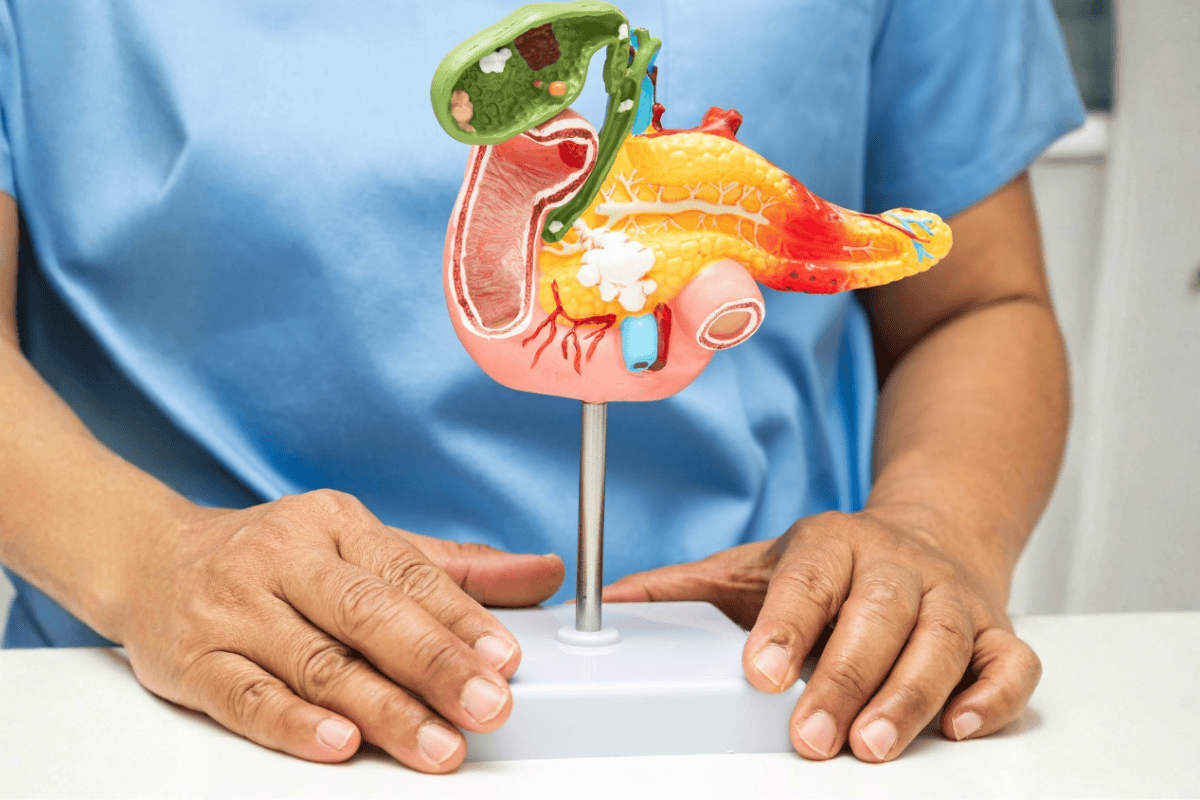
A pancreatic neuroendocrine tumour begins in hormone-producing cells of the pancreas. It can cause symptoms like low blood sugar (insulinoma) or stomach ulcers (gastrinoma), depending on which hormone it secretes.

Some grow slowly, while others behave like a malignant neoplasm.
Lung neuroendocrine tumours
Lung neuroendocrine tumours originate in hormone-secreting cells within the airways. They can cause coughing, wheezing, or chest pain.
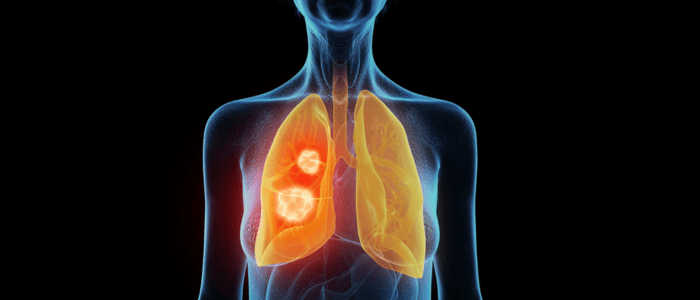
A small percentage are linked to smoking, but many occur without any clear cause.
Gastrointestinal neuroendocrine tumours
Gastrointestinal neuroendocrine tumours start in the stomach, intestines, or rectum. They are among the most common examples of neuroendocrine tumours.

They may lead to bloating, cramps, or bowel habit changes, symptoms often confused with common digestive disorders.
Neuroendocrine tumour diagnosis, classification and staging
Detecting a NET involves several steps. Since symptoms can be subtle, diagnosis often happens incidentally during tests for other conditions.
How neuroendocrine tumours are diagnosed
Here’s a simplified process flow:
- •Step 1:Medical history and physical examination
- •Step 2:Blood and urine tests to measure hormone levels
- •Step 3:Imaging scans to locate and size the tumour
- •Step 4:Biopsy to confirm neuroendocrine tumour cancer
- •Step 5:Staging and treatment planning
Tests and imaging for neuroendocrine tumour
Diagnosing a neuroendocrine tumour requires a combination of laboratory tests and imaging scans that help detect hormone activity, locate the tumour, and assess whether it has spread.
| Test/Imaging | Purpose |
|---|---|
| Blood tests (Chromogranin A, serotonin) | To detect hormone overproduction |
| CT or MRI scan | To locate and assess tumour size |
| PET scan | To check if cancer has spread |
| Endoscopy or colonoscopy | To view tumours in digestive tract |
| Biopsy | To confirm diagnosis through tissue sample |
Neuroendocrine tumour classification and guidelines
Doctors follow specific neuroendocrine tumour guidelines and classification systems for consistency:
Grade 1 to grade 3:
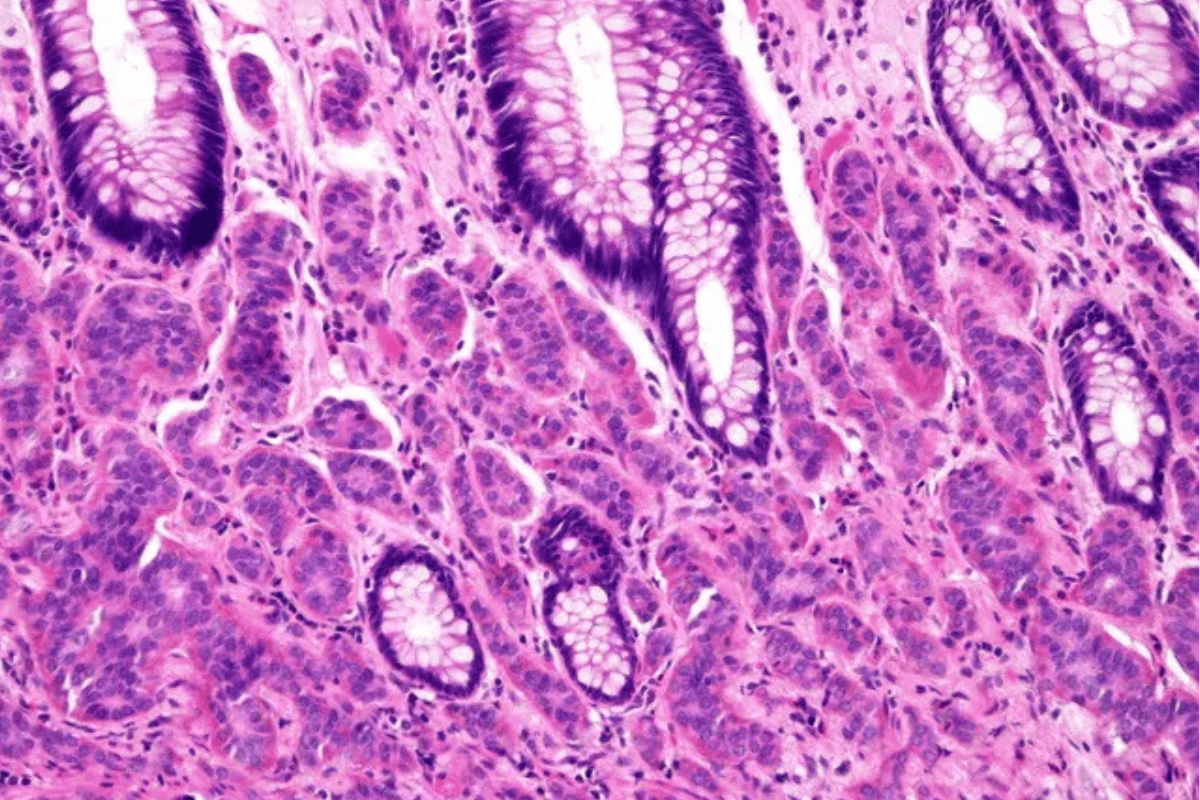
This grading is based on how fast the tumour cells are growing when viewed under a microscope.
- •Grade 1tumours grow slowly and tend to be less aggressive.
- •Grade 2tumours show moderate growth patterns.
- •Grade 3tumours grow quickly and are more aggressive, requiring more intensive treatment.
Functioning vs. non-functioning tumours:
- Functioning tumours release excess hormones, leading to specific hormone-related symptoms.
- Non-functioning tumours do not produce hormones and often don’t cause symptoms until they grow large or spread.
Tumour spread:
- Localised means the tumour is confined to its original place.
- Regional indicates the tumour has spread to nearby tissues or lymph nodes.
- Metastatic means the tumour has spread to distant parts of the body.
Neuroendocrine tumour staging
Staging describes how advanced the cancer is:
- •Stage I:Tumour is small and confined to its origin
- •Stage II:Tumour has grown locally but not spread
- •Stage III:Nearby lymph nodes are affected
- •Stage IV:Tumour has metastasised to distant organs such as the liver or lungs
Neuroendocrine tumour treatments and management
Treatment for neuroendocrine tumours is highly personalised. The aim is to control tumour growth, reduce symptoms, and maintain quality of life.
- •Surgery:If detected early, surgery can completely remove the tumour. This offers the best chance of cure for small, localised growths.
- •Medication therapy:Drugs may help manage hormone-related symptoms or slow tumour progression. These include somatostatin analogues and targeted medicines.
- •Chemotherapy:Used mainly for aggressive or metastatic NETs, Chemotherapy helps destroy rapidly dividing cells and shrink tumours.
- •Targeted therapy:Modern targeted therapy acts on specific molecules involved in tumour growth. It often causes fewer side effects compared to traditional chemotherapy.
- •Radiation therapy:For certain cases, radiation therapy or peptide receptor radionuclide therapy (PRRT) delivers radiation directly to cancer cells while sparing healthy tissue.
- •Ongoing monitoring:Since some NETs grow slowly, regular imaging and blood tests help track changes over time.
Together, these neuroendocrine tumour treatments form a comprehensive approach: balancing effectiveness with minimal disruption to daily life. The choice depends on tumour location, stage, and overall health.
Neuroendocrine tumour prevention and lifestyle tips
Even though NETs cannot always be prevented, healthy lifestyle choices can reduce risk and support recovery.
Can neuroendocrine tumours be prevented?
Unfortunately, there’s no proven way to prevent all NETs. However, avoiding tobacco, managing chronic inflammation, and early screening for high-risk families can make a difference.
Lifestyle tips to reduce neuroendocrine tumour risk
- 1. Eat a balanced diet rich in fruits, vegetables, and lean protein
- 2. Limit alcohol and processed foods Maintain a healthy weight
- 3. Exercise regularly to support hormone balance
- 4. Manage stress and get adequate sleep
- 5. Attend regular health check-ups, especially if you have a family history of endocrine disorders
Following these habits not only lowers cancer risks but also supports treatment recovery.
Steps that make a difference
Understanding a neuroendocrine tumour can feel overwhelming at first, but knowledge truly eases anxiety. With early diagnosis, expert care, and well-chosen neuroendocrine tumour treatments, many people live long and healthy lives with this condition.
Pro tip:
If you’ve recently been diagnosed, consider asking your oncologist about genetic testing; it helps identify inherited causes and guides family members’ screening.
If you or someone you know is navigating a neuroendocrine tumour, reach out to experienced oncology doctors. Compassionate specialists can help you explore treatment options, manage symptoms, and regain confidence in your health journey.
Questions
FAQs on neuroendocrine tumour
1. Which organs are most affected by neuroendocrine tumours?
Neuroendocrine tumours most often affect the gastrointestinal tract (stomach, small intestine, rectum), lungs, and pancreas. However, they can also occur in less common sites like the thyroid, adrenal glands, or ovaries.
2. Are neuroendocrine tumours hereditary?
Most neuroendocrine tumours are not inherited, but a small number are linked to genetic conditions such as multiple endocrine neoplasia, von Hippel Lindau syndrome, or neurofibromatosis type 1.
3. How fast do neuroendocrine tumours grow?
The growth rate varies widely. Some neuroendocrine tumours remain slow-growing for years, while others can progress rapidly, especially high-grade or poorly differentiated types.
Related Blogs

Education7 min read
Resistance Mutations in Lung Cancer: Causes and the Importance of Testing
Dr. Vrundali Kannoth

Diagnosis8 min read
Tumor Profiling for Head and Neck Cancer: Unlocking Precision Treatment
Dr. Vrundali Kannoth