+918929672099
Call Us
Understanding Ovarian Germ Cell Tumor: Causes, Symptoms, Treatment
Dr. Vrundali Kannoth|5 min read|
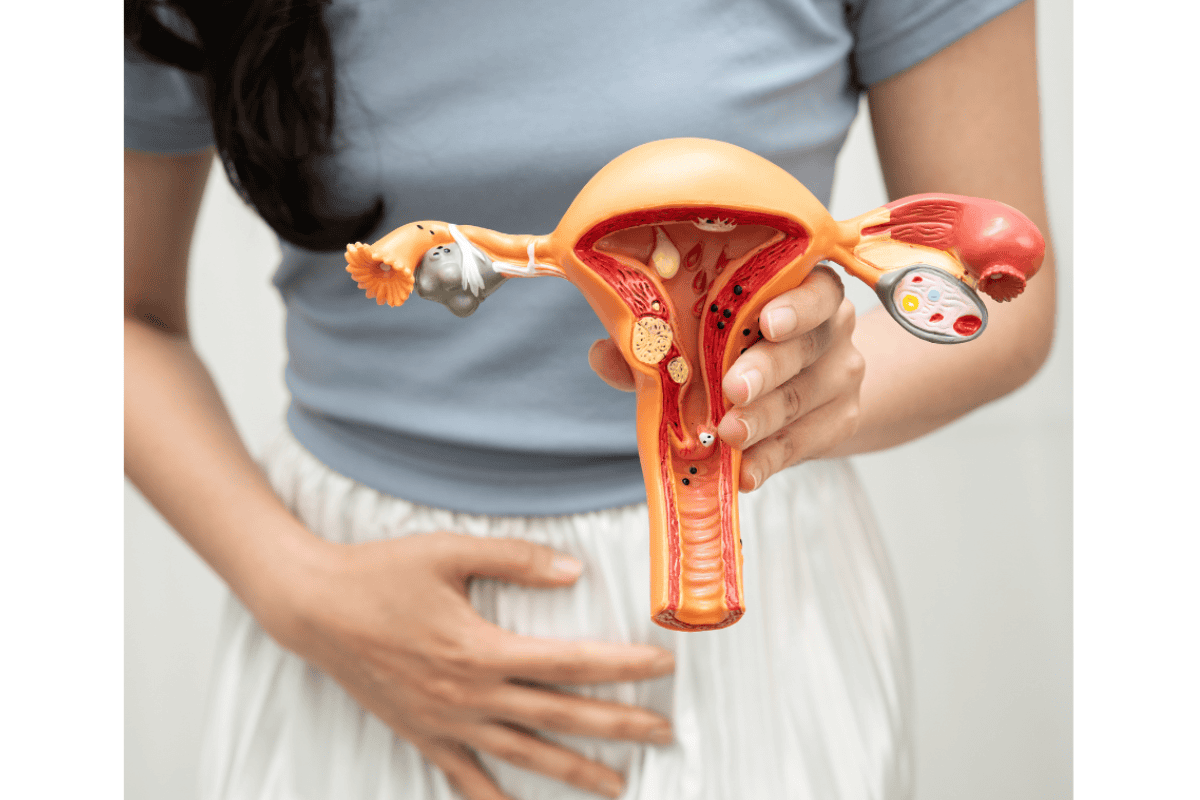
You might remember noticing small changes: bloating that didn’t go away, pain that kept showing up. After checkups and scans, you hear something unfamiliar: ovarian germ cell tumour. It’s okay to still process the words, replaying them in your head, wondering what comes next. We understand what goes on in the mind at such times, and that’s why we’ve brought you this small but information-packed guide to help you know your condition fully. To be clear, these germ cell tumours grow from the cells meant to form eggs. Though uncommon, they have treatment outcomes that give real hope. In this blog, we’ll sit with your questions and slowly unpack what this condition means, from symptoms to ovarian germ cell tumour treatment options and beyond.
What is an ovarian germ cell tumour?
An ovarian germ cell tumour begins in the germ cells, the special cells in a woman’s ovaries that are meant to develop into eggs. Sometimes, instead of maturing normally, these cells grow abnormally and form a tumour. Not all tumours are dangerous. They can be broadly categorised into:
Benign tumours:
They don’t spread and can often be removed with surgery.
Malignant tumours:
They are cancerous and need more aggressive care.
How common are ovarian germ cell tumours?
Types of ovarian germ cell tumours
Doctors classify them into different categories based on how the cells behave. Understanding the ovarian germ cell tumour types helps in deciding the best treatment approach.
Dysgerminoma
This is the most common germ cell ovarian tumour, accounting for about one-third of all germ cell tumours. Dysgerminomas are usually malignant, but they respond very well to treatment, even if detected at an advanced stage. They grow slowly compared to other germ cell tumours and rarely spread outside the pelvis in the early stages. Because of their predictable behaviour, surgery followed by chemotherapy often leads to excellent outcomes, and fertility-sparing surgery is possible in many young patients.
Yolk sac (endodermal sinus) tumour
Yolk sac tumours grow quickly and are most often seen in children and young women. They are malignant but highly sensitive to chemotherapy. One of their distinctive features is the production of alpha-fetoprotein (AFP), a protein that doctors can measure in the blood to help with diagnosis and monitor treatment response. Symptoms can develop rapidly due to the tumour’s fast growth, which is why early detection is important. Despite their aggressive nature, modern treatment regimens offer very high cure rates.
Immature and mature teratoma
Teratomas are tumours made up of different types of tissue, sometimes including hair, teeth, or fat.
- •Mature teratoma:Usually benign and often referred to as a dermoid cyst[a], these rarely become cancerous. They may cause symptoms like abdominal pain or swelling if they grow large, but simple surgical removal is typically curative.
- •Immature teratoma:These are malignant and contain embryonic or less-differentiated tissue. They can grow rapidly and may spread to nearby tissues, making early detection and chemotherapy crucial. Fertility preservation is usually considered during treatment whenever possible.
Mixed germ cell tumours
As the name suggests, mixed germ cell tumours contain more than one type of germ cell component - for example, a combination of dysgerminoma and yolk sac tumour. Because of this diversity, they can behave differently depending on which cell type is dominant. Diagnosis requires careful pathology evaluation, and treatment is tailored to target the most aggressive component. Early detection, accurate staging, and a personalised approach give patients the best chance at successful recovery.
Embryonal carcinoma
Embryonal carcinoma is a rare, aggressive type of ovarian germ cell tumour that grows quickly and can spread outside the ovary. It responds well to chemotherapy, making early treatment highly effective.
Ovarian germ cell tumour symptoms and signs
Recognising ovarian germ cell tumour signs early can be tricky because the symptoms overlap with common health issues like digestive problems. But listening to your body is important.
Common symptoms
- •Abdominal bloating or swelling
- •Pain or a feeling of pressure in the lower abdomen
- •A noticeable pelvic mass or lump
- •Irregular periods
- •A high temperature (fever)
These are the germ cell ovarian cancer symptoms most women report.
Rare symptoms

In some cases, tumours may cause early puberty in young girls due to hormone production. Another rare but urgent ovarian germ cell tumour symptom is sudden severe pain, which may signal an acute torsion: when the ovary twists on itself.
Ovarian germ cell tumour causes and risk factors
The exact ovarian germ cell tumour causes are not fully understood, but it occurs when germ cells develop DNA changes that cause them to grow and multiply out of control, forming tumours. This is different from epithelial ovarian cancers, which develop from the cells lining the surface of the ovary. In epithelial cancers, factors like age, family history, and genetic mutations (for example, BRCA1 or BRCA2) play a clearer role in increasing risk. For germ cell tumours, the risk factors are less well-defined.
Some known associations and risk factors for ovarian germ cell tumours include:
- •Age:Most often diagnosed in teenagers and young women under 30.
- •Genetic or developmental conditions:Certain rare conditions, such as gonadal dysgenesis (abnormal development of the ovaries), increase the risk.
- •History of abnormal cell growth in the ovaries:If you’ve had other ovarian growths in the past, monitoring is recommended.
Because these tumours are rare, there are no proven lifestyle or environmental causes. That said, awareness of early ovarian germ cell tumour signs and timely medical checkups can make a significant difference in diagnosis and treatment outcomes.
Diagnosis of ovarian germ cell tumours
Getting a clear diagnosis often requires several steps. Doctors don’t rely on one test alone. Given below are digestive methods and their purposes.
- •Imaging (Ultrasound, CT, MRI)Shows tumour size, shape, and spread.
- •Tumour markers (AFP, LDH)Detects specific tumour types through blood tests.
- •Surgical staging and biopsyConfirms diagnosis and determines extent of spread.
Ovarian germ cell tumour treatment options
The good news is that most ovarian germ cell tumours respond well to treatment.
Chemotherapy (BEP regimen)
For malignant cases, the BEP regimen (Bleomycin, Etoposide, and Cisplatin) is the standard. Chemotherapy is highly effective for shrinking tumours and preventing recurrence.
Benign tumour treatment
For non-cancerous tumours, surgery alone, usually removing just the tumour while saving the ovary, may be enough.
Malignant tumour treatment
In more advanced cases, doctors may recommend surgery along with chemotherapy. Sometimes, a hysterectomy (removal of the uterus) may be considered, but this is less common in young patients.
Fertility preservation and counselling
Since these tumours affect young women, doctors try to preserve fertility whenever possible. Counselling helps patients prepare emotionally for treatment decisions.
Prognosis and survival rates
Hearing the word “cancer” often feels like a door slamming shut, but with germ cell ovarian cancer, that isn’t the case.
Germ cell ovarian cancer prognosis
The germ cell ovarian cancer prognosis is practically not something to worry about. These tumours respond exceptionally well to treatment, including surgery and chemotherapy, even in cases where the disease has spread beyond the ovary. Many young women can preserve their fertility during treatment, which adds another layer of hope.
While every patient’s situation is unique, the overall outlook for recovery is far better than that of many other ovarian cancer types.
Ovarian germ cell cancer survival rate
The ovarian germ cell cancer survival rate is among the highest for ovarian cancers. Studies and clinical experience show that more than 90% of patients with common germ cell tumours, such as dysgerminomas, survive long-term with proper treatment.
Even less common or more aggressive forms, like yolk sac tumours or immature teratomas, often respond very well to modern chemotherapy regimens.
What comes after your diagnosis
Many women with ovarian germ cell tumours, who often worry if germ cell ovarian cancer is curable, return to normal life, school, or work sooner than they expect.
Staying informed about symptoms and germ cell ovarian cancer treatment options, and working closely with an oncology team, can make recovery smoother and more manageable.
Regular follow-ups and monitoring also help catch any changes early, giving patients greater peace of mind. Remember: Understanding your condition and actively participating in your care can make a real difference in both recovery and long-term health.
FAQs on ovarian germ cell tumour
The most common germ cell ovarian tumour is dysgerminoma, followed by yolk sac tumours and teratomas. Mixed germ cell tumours, containing more than one cell type, are less common but also possible.
Related Blogs

Symptoms5 min read
Folic Acid Supplement: Importance, Benefits and Deficiency Symptoms
Dr. Vrundali Kannoth