
Call Us
*Asbestosis: Causes, Symptoms, Diagnosis & Treatment *Guide

Asbestosis: Causes, Symptoms, Diagnosis & Treatment Guide

title image

Dr. Manjari Chandra5 minutes31 Oct 2025

Asbestosis: Symptoms, Causes, Diagnosis & Effective Treatment

Asbestos once symbolised industrial progress. It was believed to be a durable mineral used to fireproof buildings and ships. But that progress came with a hidden danger. Asbestosis is a chronic lung condition that develops after years of inhaling asbestos fibers.

Asbestosis scars lung tissue, making breathing increasingly difficult over time. Most people don’t realise they’re affected until symptoms like breathlessness or persistent coughing start to interfere with daily life.

Understanding asbestosis meaning isn’t just about learning the asbestosis definition; it’s about knowing the signs, reasons, cure, treatment, and prevention of it.

This guide

breaks down everything you need to know about asbestosis causes and symptoms, diagnosis, treatment, and prevention to help you protect your lung health or support a loved one who’s at risk.

Overview of asbestosis

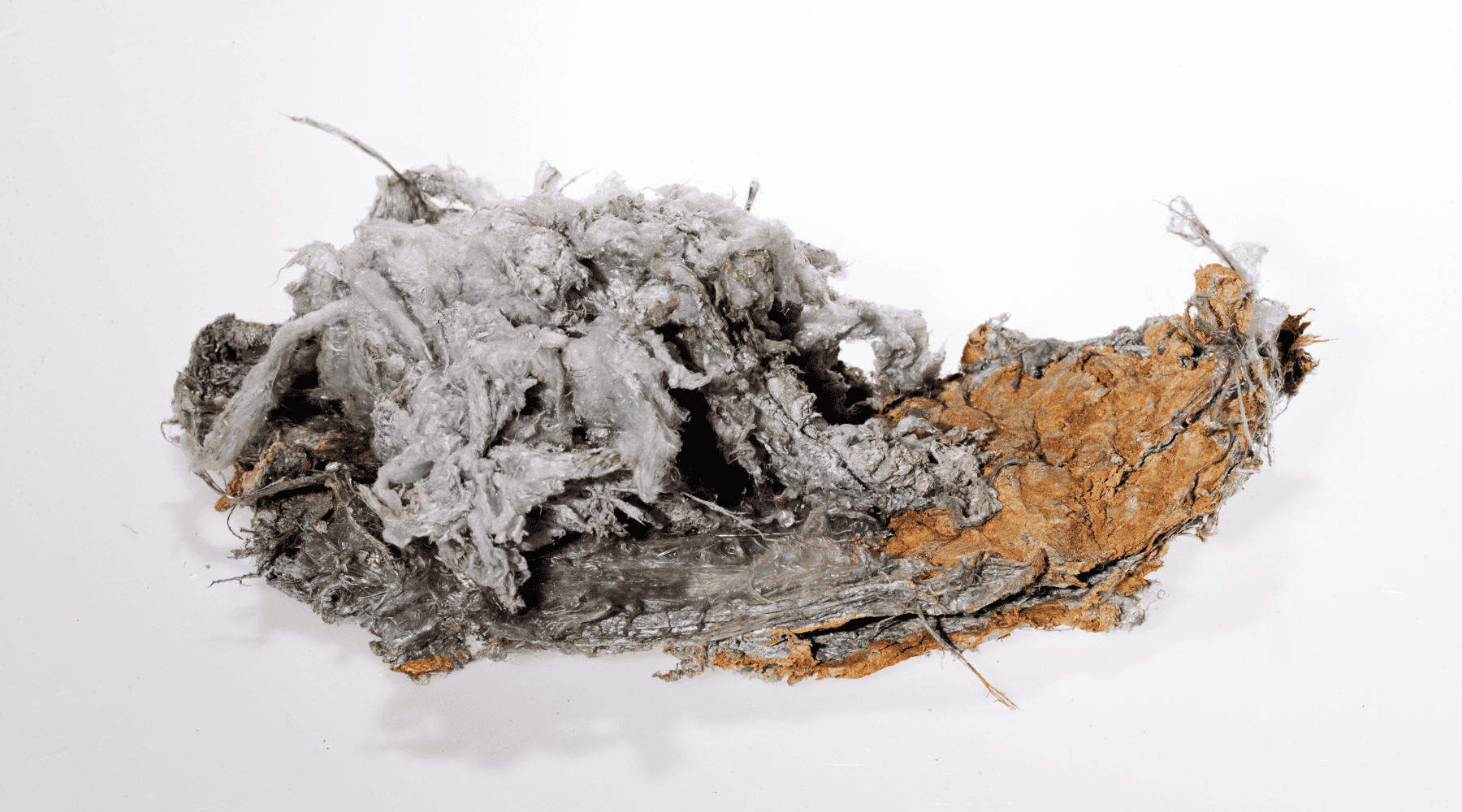
Asbestos is a mineral that occurs in nature. Despite the medical warnings against it, it is still prized for its heat and fire resistance in building materials.
image

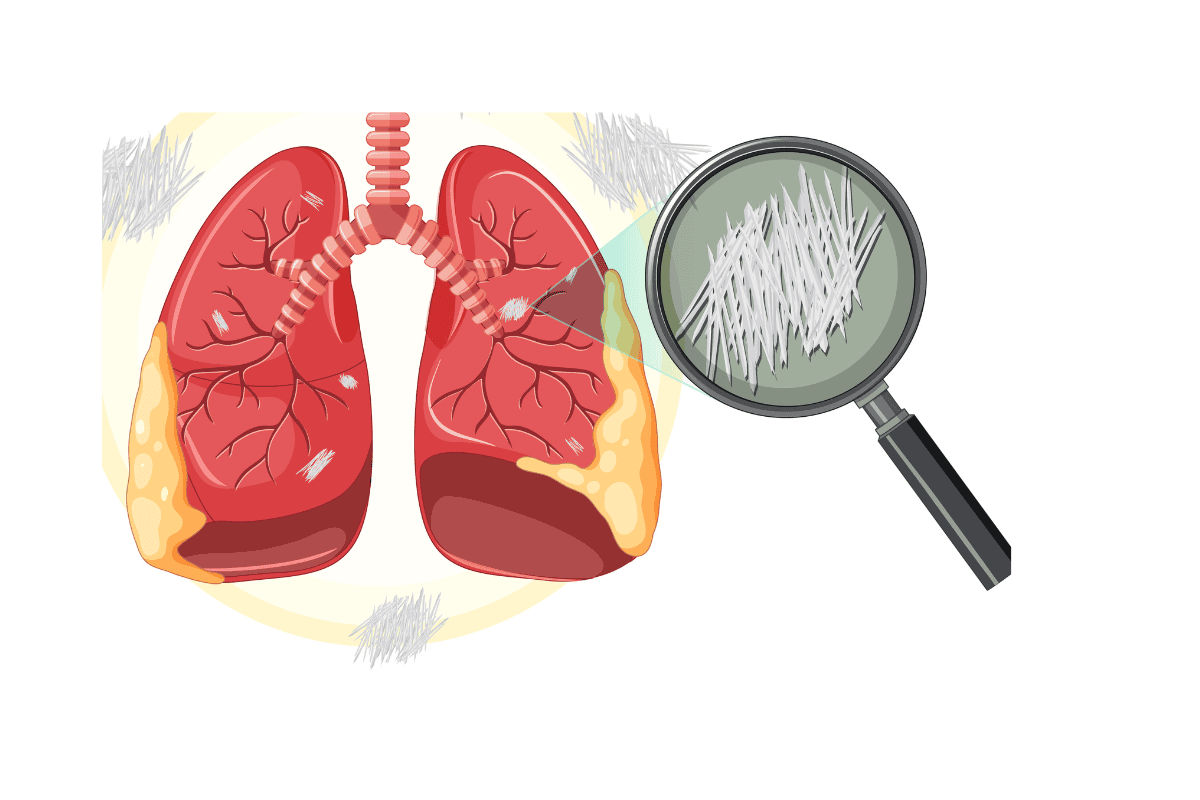
When these fibers are inhaled, they can lodge deep in the lungs, leading to inflammation and scarring over time, the hallmark of asbestosis.

What is asbestos, and how does it affect the lungs?

Asbestos is actually a group of silicate minerals bundled up together as fibres. To define asbestosis medically, it’s a chronic lung condition caused by asbestos exposure that leads to fibrosis (scarring).

These same strong fibres become dangerous when inhaled. The WHO states that all forms of asbestos are dangerous. They embed deep in the lungs, causing irritation and scarring.

Over time, asbestosis medical definition describes it as long-term damage to the lung tissue that makes breathing difficult and increases the risk of lung infections.

How common is asbestosis?

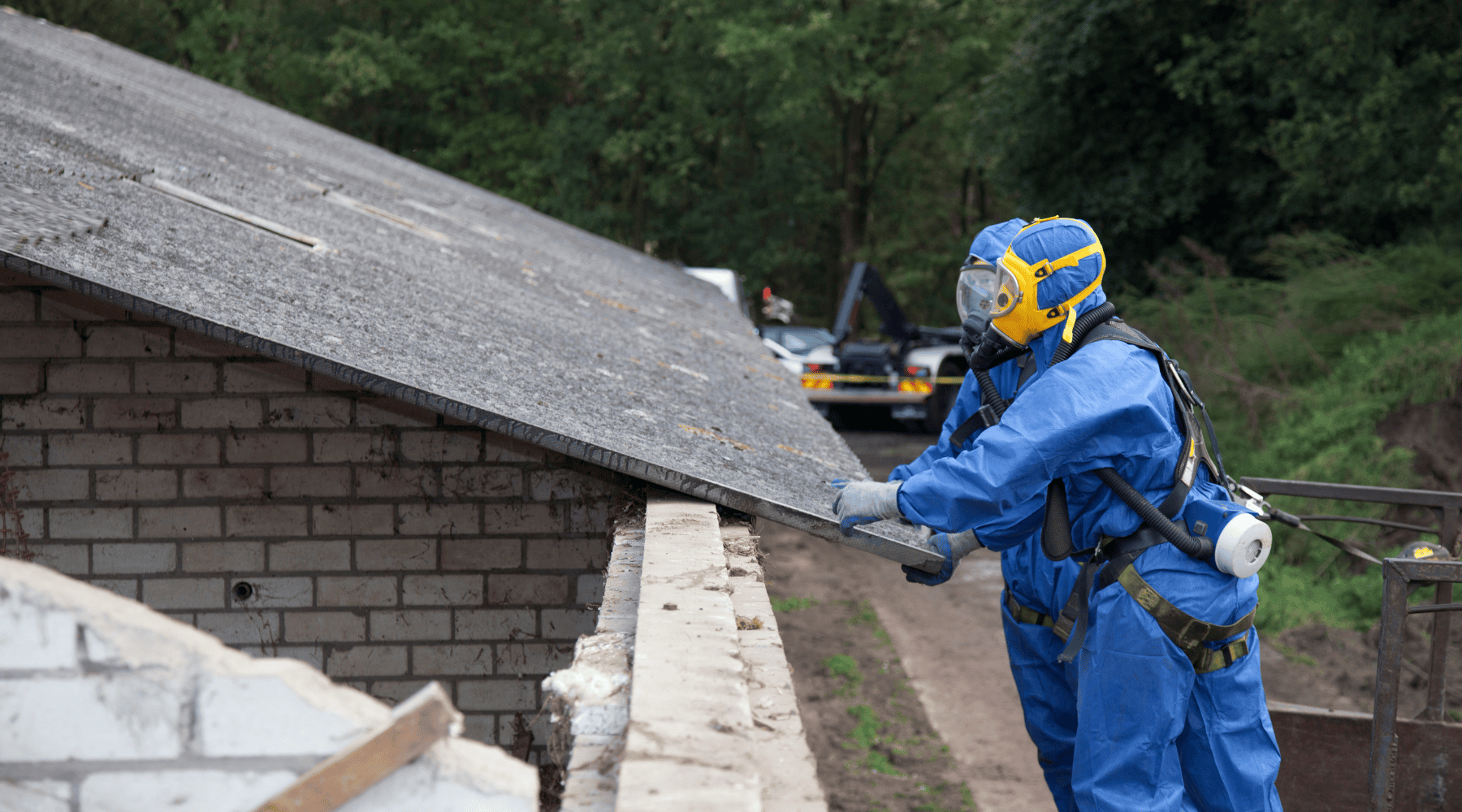
Even though India banned asbestos mining in 1993, the country still imports and processes chrysotile, a type of asbestos used mainly for cement roofing. India currently imports more asbestos than any other country.
image

According to a study by Mumbai’s Tata Institute of ^Socialhttps://pmc.ncbi.nlm.nih.gov/articles/PMC6812430/ Sciences (TISS) , over six million Indians could develop an asbestos-related disease in the coming decades, including more than 600,000 cancer cases.

The incidence of the disease in India varies from 20% to 60% among those exposed, depending on the intensity, duration of exposure, and asbestos type.

Causes and risk factors of asbestosis

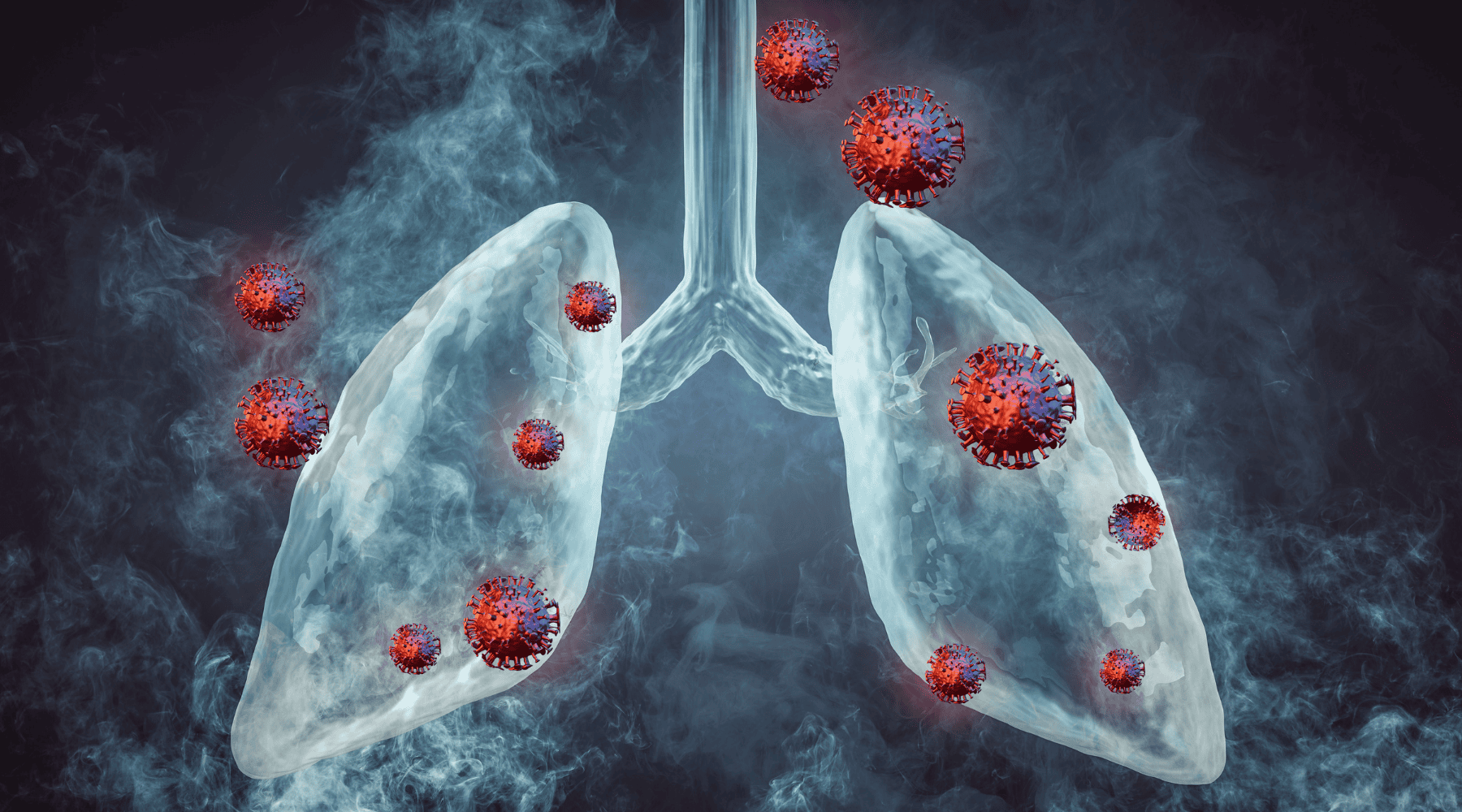
Asbestosis is caused by breathing in asbestos fibres over many years. These tiny fibers get stuck inside the lungs and make the body’s immune system react, which leads to scarring.

Slowly, this scarring, called fibrosis, makes the lungs stiff, so they can’t expand or take in enough oxygen.
image

Once the damage starts, asbestosis can’t be reversed. People begin to feel tired, short of breath, and weak because their lungs aren’t working as they should. Over time, their local lung immunity also drops, making infections and lung cancer more likely.

Who’s at risk?

The disease causes the most harm to people who work with asbestos daily, like those in construction, shipyards, or factories using cement or brake parts.

The longer and heavier the exposure, the higher the risk. Because asbestosis disease progresses slowly, many patients live for years but need ongoing breathing support and care.

Symptoms of asbestosis

Even though it develops slowly, asbestosis causes lasting lung damage and discomfort. Common early signs include:
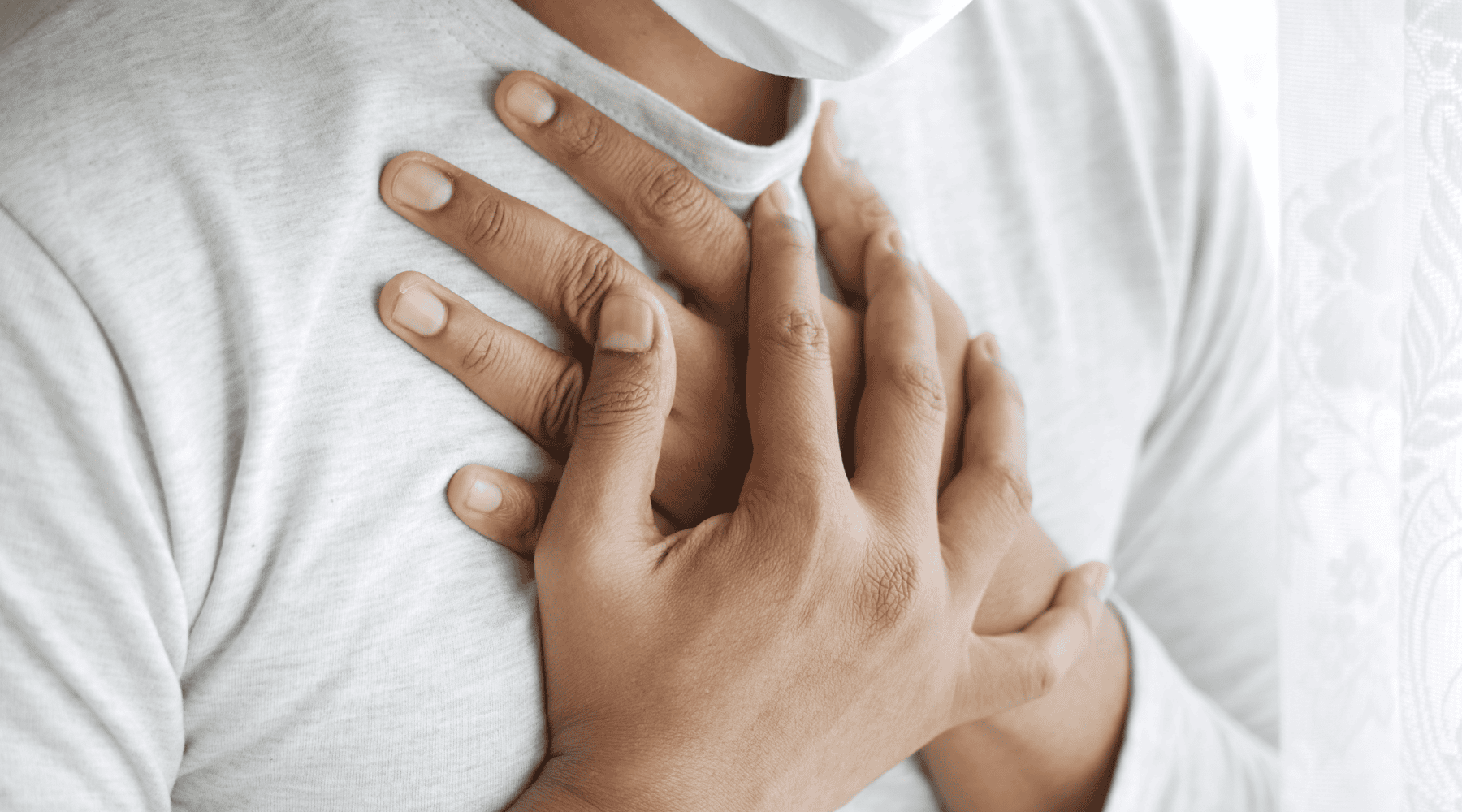
  • Shortness of breath
    especially while climbing stairs or walking fast
  • Dry, persistent cough
    that doesn’t go away
  • Chest tightness or mild pain
  • Constant tiredness or weakness
  • Finger clubbing
    where the tips of the fingers become round and swollen

If you’re wondering “what is asbestosis disease?” and possess these symptoms, visit a healthcare professional as soon as possible.
image

Advanced symptoms

As it worsens, the lungs lose their ability to expand fully. This leads to:

  • Extreme breathlessness
    even at rest
  • Bluish skin or lips
    due to low oxygen levels
  • Swelling in feet or legs
    (caused by poor circulation)
  • Severe fatigue and weight loss
  • Frequent lung infections
    or a higher risk of lung cancer

How is asbestosis diagnosed?

Getting an asbestosis diagnosis early allows doctors to begin treatment sooner, improving quality of life and slowing down further damage. Let’s see how the diagnosis works:

  • Medical history and exposure check
    Doctors ask about jobs or environments where asbestos was used. These details help determine asbestosis risk factors and whether symptoms point to lung conditions.
  • Imaging tests
    When it comes to confirming how asbestosis is diagnosed, imaging plays a big role. A chest X-ray or CT scan helps doctors see the scarring or “honeycomb” pattern typical of asbestosis lung gross findings. These images show how much lung tissue is affected.
  • Lung function tests and biopsy
    Breathing tests measure how well the lungs move air and absorb oxygen. If needed, doctors may take a small tissue sample (biopsy) to confirm the diagnosis and rule out other problems like chronic bronchitis or lung cancer.

Treatment and management

IF your loved one has started showing signs of asbestos poisoning, you might be wondering what the treatment for it is. Let’s answer some questions you might have.

Can asbestosis be cured?

Many people ask, “Is asbestosis curable?”

Unfortunately, asbestosis treatment cannot completely reverse the lung damage once it develops. The goal is to manage symptoms and slow down the progression of the disease. So, while the disease can’t be cured, early care and lifestyle changes can make breathing easier and improve quality of life.

Treatment options to ease symptoms

Common options for asbestosis management include:

  • Inhalers or oxygen therapy
    to improve breathing.
  • Medications
    to reduce inflammation and prevent infections.
  • Pulmonary rehabilitation
    light exercise and breathing techniques to strengthen lungs.
  • Vaccinations for flu and pneumonia
    since asbestosis is a disease that causes low immunity in the lungs.

Managing complications associated with asbestosis

The complications of asbestosis often appear after years of damage. The scarring makes the lungs prone to repeated infections.

Asbestosis causes what cancer most often?

tosis patients is mesothelioma , which starts in the lining of the lungs.

Patients also face chronic fatigue, heart strain from low oxygen levels, and worsening breathlessness, all of which need long-term care. Good asbestosis management focuses on preventing these complications and supporting the patient’s daily comfort.

Get a Personalised Nutrition Consultation!

Start your recovery with our cancer experts.

Dr. Manjari Chandra
27Y+ Exp

Dr. Manjari Chandra

Nutrition Medicine Specialist

Honorary Doctorate (Food & Nutrition), DHA (Hospital Administration), MSc (Nutrition & Dietetics)

Prevention and safety measures

You might think that since asbestosis is a disease of the lungs, it’s difficult to prevent it. The truth is, it is entirely preventable.

Avoiding asbestos exposure at work and home

The key steps in prevention are:

  • Use protective gear
    and follow safety rules when working with materials that may contain asbestos.
  • Renovation sites, old roofs, and brake parts
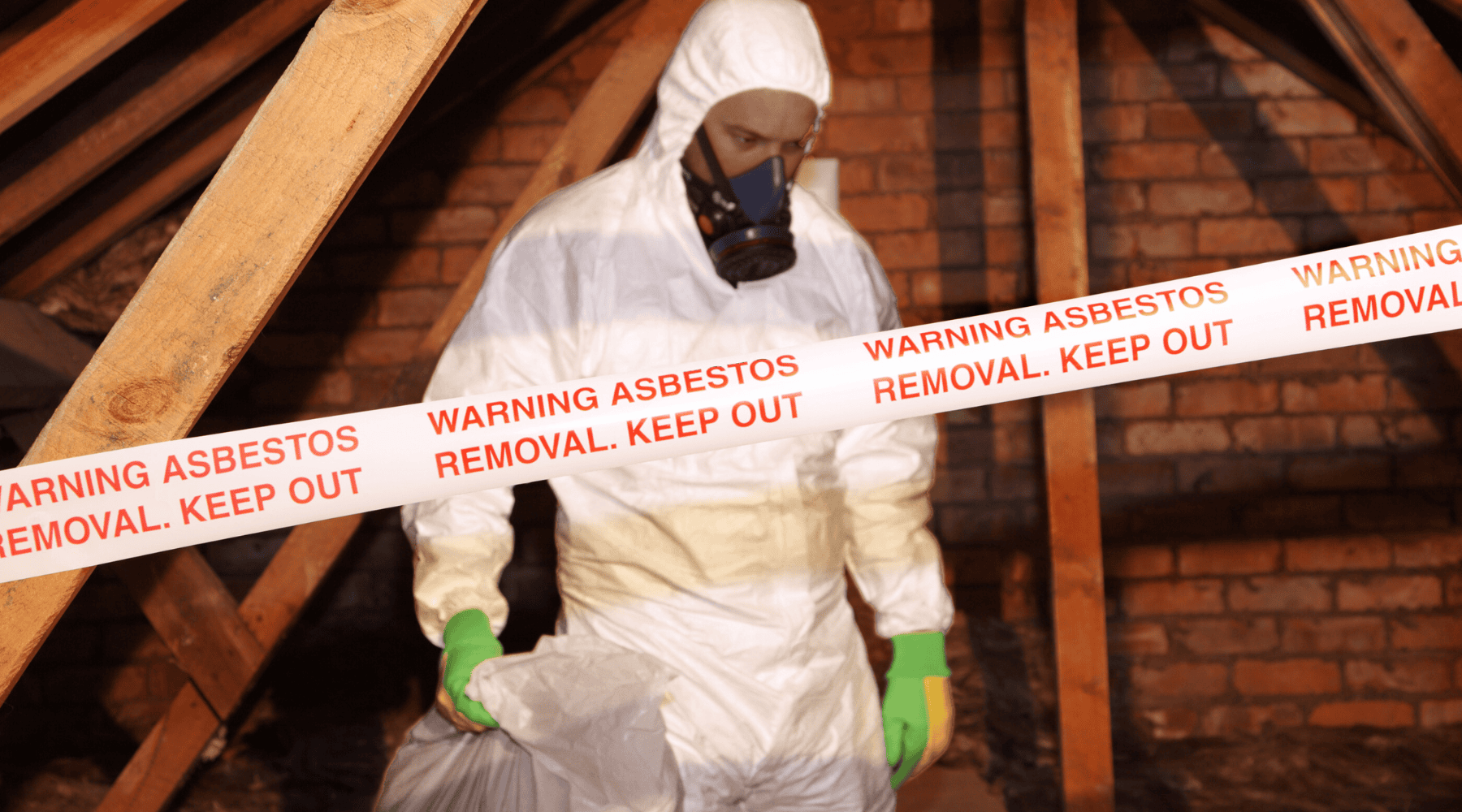
    often carry hidden fibers. Good ventilation and trained removal teams can reduce risk.
image

Importance of PPE and regular health check-ups

Workers should wear proper masks and clothing and get regular chest scans. Early checks can catch lung changes before asbestosis is associated with serious breathing issues or cancer.

Lifestyle tips for lung health

Quit smoking, eat healthy, and stay active to support your lungs. Once exposed, even small habits can help slow the disease and protect long-term lung function.

Awareness and early action: The best defense against asbestosis

In a country like India, where asbestos is still used in roofing, brakes, and construction, complete control may not be possible. But asbestosis prevention starts with awareness.

Knowing where exposure happens and taking simple steps like using protective gear, ensuring ventilation, and getting regular lung check-ups can go a long way in reducing the risk of asbestosis.

Even if you realise you or a loved one already has the disease, it’s not the end of the road. Your healthcare team can help manage symptoms, create a treatment plan, and support you in living a fuller, more comfortable life.

FAQs about asbestosis

Asbestosis is lung scarring caused by asbestos exposure, while mesothelioma is a cancer of the lung lining. Both come from inhaling asbestos fibers.

The stages move from mild scarring and breathlessness to severe lung stiffness and oxygen shortage.

Most people live for decades with care and regular treatment. While the disease leads to lasting damage, early help improves quality of life.
Related Blogs

View More