Symptoms5 min read
Folic Acid Supplement: Importance, Benefits and Deficiency Symptoms
Dr. Vrundali Kannoth
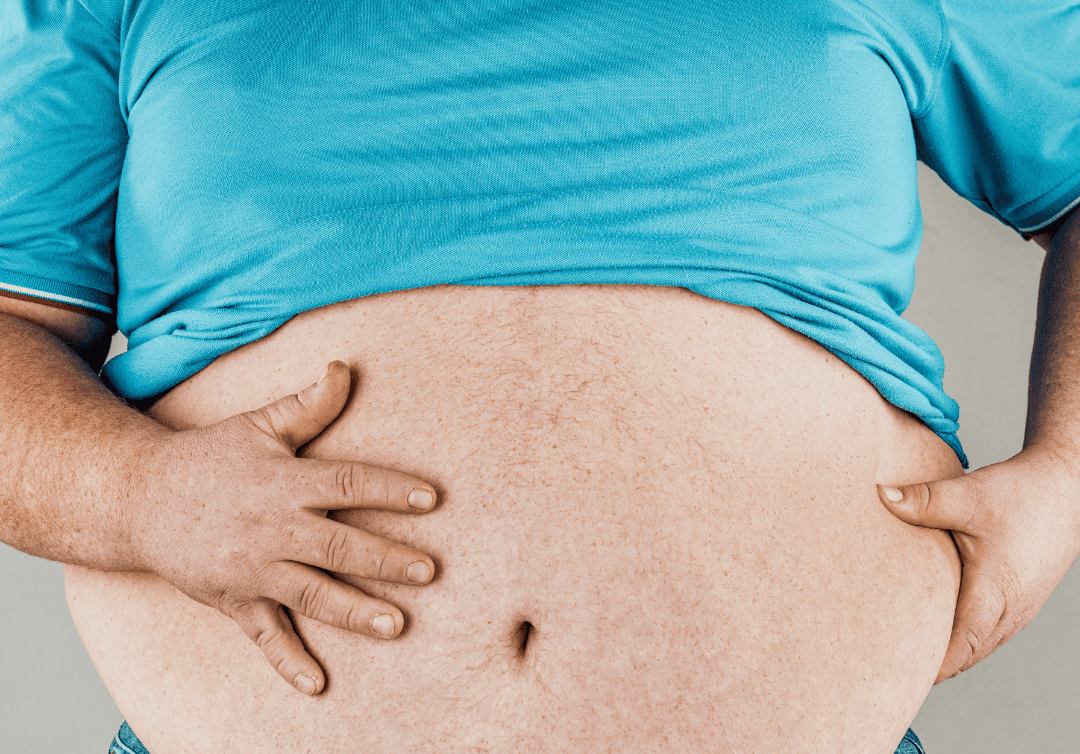
Have you ever noticed unexpected swelling or a feeling of fullness in your abdomen that just doesn’t seem normal? This discomfort could be a sign of a condition called ascites, which involves the buildup of fluid in the belly. Ascites is not a disease in itself but a symptom that reflects an underlying health issue, often related to liver function or other chronic conditions.
Simply put, ascites is a condition where excess fluid collects between the layers of tissue lining your abdomen and the organs inside it. This can cause pressure and make your belly feel bloated or tight.
Ascitic fluid is mostly water that leaks from blood vessels due to high pressure or damage, often caused by liver problems like cirrhosis. When the liver is scarred or damaged, fluid escapes into the abdomen, leading to ascites. The fluid buildup can start off small, sometimes called minimal ascites or mild ascites, and might not cause much discomfort. But if left untreated, it can worsen and lead to moderate ascites or even tense, painful swelling that needs urgent care.
Eating well through treatment is hard. Get a personalised onco-nutrition plan from Everhope's dietitians.
Paying close attention to how your body feels and moves can help catch these symptoms before they become serious.
The most common symptoms are:
Beyond the basics, keep an eye out for:
Early stage ascites symptoms, like mild bloating or slight fullness, can be easy to miss, but they matter.
Knowing what causes ascites is essential. Understanding these helps you or your doctor focus on the right approach to care.
There are four main culprits behind most cases of ascites:
Other less common causes include kidney disease, pancreas inflammation (pancreatitis), and certain autoimmune conditions.
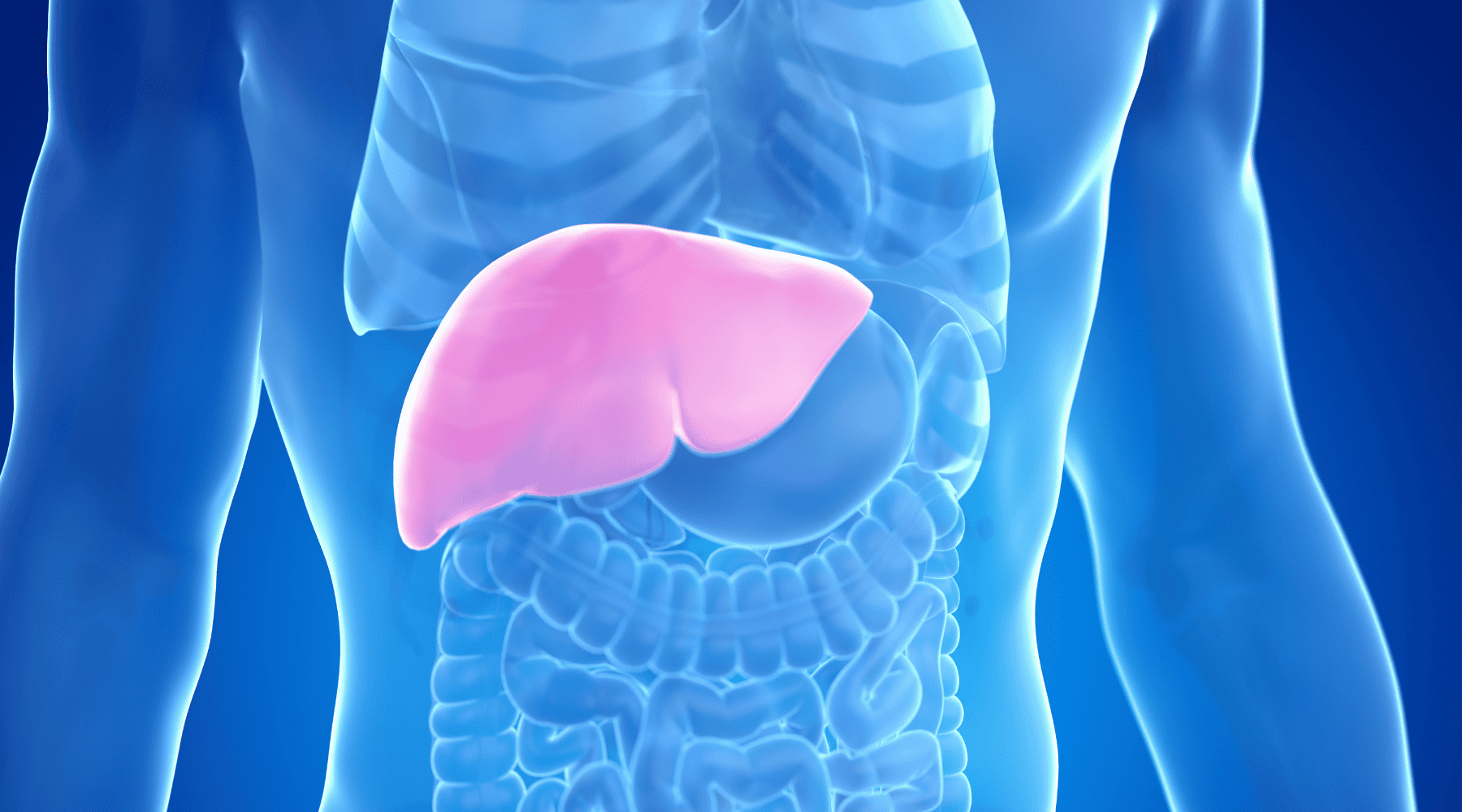
In cirrhosis, scar tissue blocks blood flow through the liver, causing high pressure in liver vessels - called portal hypertension. This pressure makes fluid leak into the abdomen. At the same time, the damaged liver produces less albumin, a protein that normally keeps fluid inside vessels. Without enough albumin, fluid escapes more easily, collecting as the ascitic fluid we often see.
Certain factors increase the likelihood of developing ascites:
Additionally, underlying cancers or infections can raise the risk.
When it comes to ascites, doctors carefully evaluate how much fluid has collected and how severe the condition is.
An assessment of type helps guide the best treatment approach. Below is the list of types of ascites and their descriptions.
Healthcare providers use a grading system to describe the severity of ascites:
The earlier the condition is identified, the better the chances of managing it successfully.
Doctors typically begin with a physical exam to check for swelling or signs of fluid accumulation in the abdomen. Imaging tests like ultrasound or CT scans provide a detailed look inside your belly, confirming the presence, location, and amount of fluid.
During the test, a small amount of fluid is carefully drawn from the abdomen using a needle - a procedure called paracentesis. That fluid is then analysed in the lab to learn more about the cause of the ascites. A key part of this analysis is calculating the SAAG, which compares albumin levels in your blood to those in the ascitic fluid.
In some cases, more advanced procedures like a biopsy or laparoscopy may be needed to get a clearer picture of underlying issues.
Early and appropriate care can slow disease progression and reduce the risk of serious issues like infections and kidney problems.
Most people with mild ascites find relief through a combination of simple lifestyle changes and medication. Key treatments include:
The ascites treatment cost in India can vary widely depending on the severity of the condition, hospital location, and available insurance coverage.
When ascites doesn’t respond well to medical treatment, doctors may suggest other options such as:
While managing ascites is important for comfort and health, it’s equally crucial to be aware of possible complications.
SBP is an infection that occurs in the ascitic fluid, causing symptoms like fever, stomach pain, and tenderness. SBP can develop quickly and often requires urgent treatment with antibiotics. Early diagnosis is critical because untreated infection can be life-threatening.
Another complication is hepatorenal syndrome, a type of kidney failure that happens when advanced liver disease affects kidney function. People with ascites may also experience confusion, severe infections, or other health challenges if their condition worsens.
The long-term outlook for someone with ascites largely depends on the root cause of the fluid buildup and the quality of medical care they receive.
When ascites is caused by cancer, survival rates tend to be lower, often lasting just months. For severe chronic ascites from cirrhosis of the liver, surviving beyond one year becomes difficult. However, with appropriate medical management and lifestyle changes, many people maintain a good quality of life for extended periods.

Living well with ascites means adopting habits that support your overall health and liver function. Focus on a balanced diet, manage your weight, and incorporate gentle exercise. For those dealing with cancer or advanced liver issues, partnering closely with your doctor to create an ongoing ascites treatment plan is vital.
Preventing ascites largely comes down to taking good care of your liver and overall health.
As ascites affect life in many ways, staying informed and proactive is your best ally.
Ascites cannot always be fully cured, especially if caused by advanced liver disease. It can often be managed effectively with treatment and lifestyle changes.
Survival with ascites varies greatly depending on the underlying condition; some patients live months to years with proper care.
Ascites is the condition of fluid buildup in the abdomen, while ascitic fluid is the actual fluid that accumulates between the abdominal tissues and organs.
Products readers use for these side effects
Matched to this article's topics — not bestsellers

Protevyx Albumin Protein Powder — Vanilla (400gm)
Protein supports albumin levels linked to fluid balance
₹1,440₹1,799
View product
PeachX Antioxia Liposomal Glutathione 500mg + Vit C (30 Capsules)
Glutathione supports underlying liver function
₹1,599₹1,999
View product← swipe for more →
Available at the Everhope store · always consult your care team before starting any supplement