
Nutrition5 min read
Spirulina Biotic Powder: Benefits, Nutrition Facts and Its Role in Cancer Nutrition
Dr. Vrundali Kannoth
Medical words can sound heavy until someone explains them simply. ‘Carcinoma’ is one such word.
Most people encounter this term during a health check-up or a biopsy report, and it naturally sparks a flood of questions: What is carcinoma? How serious is it? What happens next?
This guide is here to answer these questions in detail. By the end, you’ll not only understand carcinoma meaning, but also what modern medicine can do about it
Laying out the foundational knowledge of carcinoma helps clarify subsequent discussions about its types, causes, cancer symptoms, and therapies.
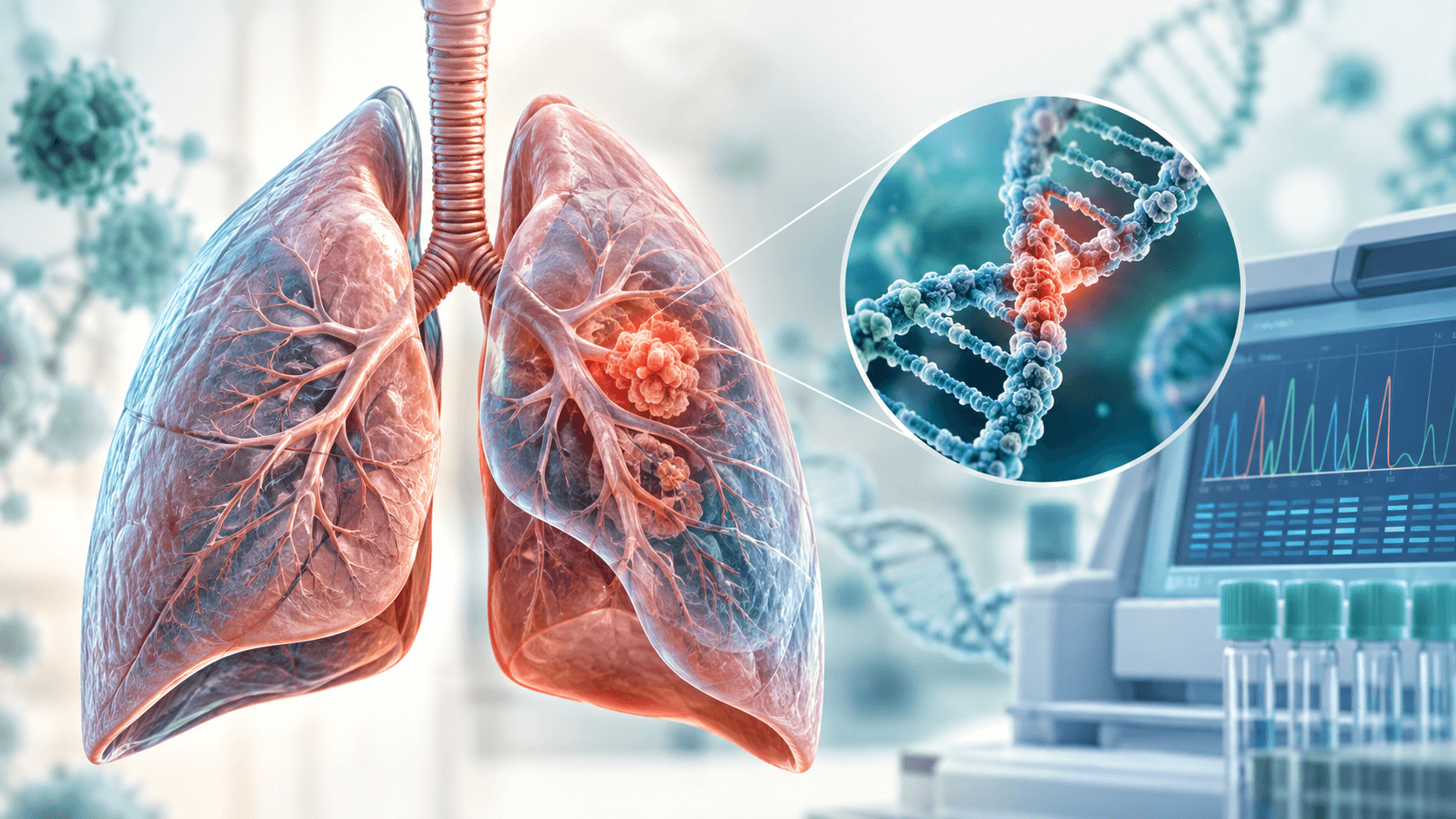
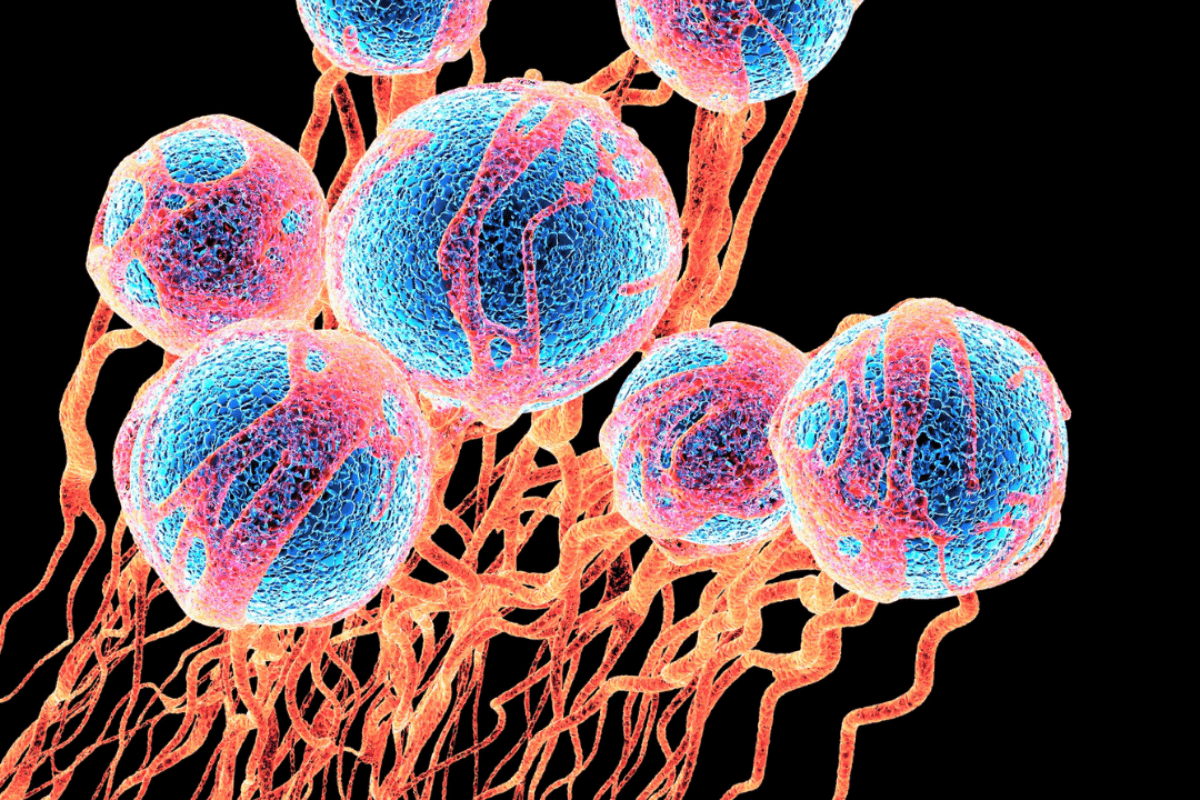
Carcinoma is a type of cancer that begins in epithelial cells, the cells that make up the skin and the lining of internal organs. These carcinoma cells lose control over how they grow and divide, leading to the formation of a carcinoma tumour in that area.
You can picture the process like a step-by-step chain reaction:
Modern screening and treatment catch many of these early, sometimes even before they do real harm.
They include some of the best-known cancers, such as those affecting the lungs, skin, breast, prostate, liver, and kidneys.They include some of the best-known cancers, such as those affecting the lungs, skin, breast, prostate, liver, and kidneys.
While it can affect anyone, some people are at a higher risk than others. The likelihood grows with age and lifestyle habits like smoking or heavy sun exposure.
Long-term exposure to pollutants, certain viruses, or weakened immunity can also increase chances of developing these cell changes.
Carcinomas aren’t just one kind of cancer; they’re a large family, distinguished by where they start and how their cells behave. Doctors use information about the specific carcinoma types and the way tumour cells look under a microscope to select the most suitable treatments.
Adenocarcinoma is a common form of carcinoma, beginning in mucus-secreting glandular cells.
Squamous cell carcinoma[b] arises in flat, scale-like cells that cover the skin and line hollow organs.
It can appear as scaly skin patches, open sores, or lesions that don’t heal.
Basal cell carcinoma forms in the deepest layer of your skin’s outer surface. It grows slowly, with a tendency to look like shiny bumps, scars, or open sores. While rarely spreading elsewhere, prompt treatment usually means an easy recovery with minimal scarring.
This variety starts in cells that can stretch as organs expand, mostly affecting the urinary system: bladder, ureters, or kidneys. When these cells in the kidney go awry, it’s known as renal cell carcinoma[d].
Understanding what triggers carcinoma cancer can help you make real choices to lower your risk or catch issues earlier.

While symptoms differ based on where the cancer starts, the most typical carcinoma symptoms include:
Doctors use several methods to confirm carcinoma diagnosis and determine its extent.
A biopsy, the removal of a small tissue sample, gives the clearest answer. Under a microscope, specialists can observe what is carcinoma cell structure and confirm whether it’s malignant.
Modern testing examines genes and molecular markers within tumour cells. This helps identify mutations driving cancer growth and guides personalised treatments, improving chances for targeted carcinoma treatment.
Understanding carcinoma stages helps you and your care team know how far the disease has progressed and what to expect.
The TNM system is used worldwide to describe cancer extent:
Survival rates vary widely by carcinoma type and stage at diagnosis. According to the most recent data from the National Cancer Institute and American Cancer Society (2025), the overall 5-year relative survival rate for all cancers combined is approximately 69%. :
Also note that:
Conversely, carcinomas diagnosed at advanced metastatic stages have significantly lower survival rates, sometimes below 30%.
Thanks to medical advances, carcinoma treatment today is more precise, less invasive, and more hopeful than ever.
| Treatment option | Description | Key benefits |
|---|---|---|
| Radiation Therapy | Uses high-energy rays to target and destroy cancer cells, effective for localised or surface tumours. | Non-invasive, localised control |
| Chemotherapy | Powerful drugs that kill fast-growing cancer cells, used alone or with surgery/radiation. | Treats cancer throughout the body |
| Targeted Therapy | Focuses on specific gene mutations or pathways that drive cancer growth, minimising damage to normal cells. | Fewer side effects, personalised |
| Immunotherapy | Boosts the immune system’s ability to recognise and attack cancer cells. | Can produce durable responses |
| Hormonal Therapy | Blocks hormones that certain tumours need to grow, often used in breast and prostate cancer | Effective for hormone-dependent tumours |
Even though not all cancers are preventable, there’s a lot you can do to lower risk and promote healing.
Effective management of carcinoma cell cancer relies on combining timely diagnosis, personalised treatment, and ongoing communication between patients and expert care teams.
Scientific progress has expanded the range of options available, from targeted therapies to immunotherapy, allowing approaches that improve survival and quality of life.
Carcinoma begins specifically in the cells that line or cover the body’s surfaces and organs, while other cancers can start in muscles, bones, or blood. It’s the most common type of cancer but often easier to detect early.
The carcinoma survival rate depends on its type, location, and how early it’s found. With timely diagnosis and treatment, many forms have high recovery and long-term survival outcomes.
Yes, many types of carcinoma are curable, especially when detected early. Modern treatments and personalised care plans have significantly improved recovery rates and quality of life.