Call Us
Understanding Epithelial Ovarian Cancer: Types, Symptoms & Causes

Understanding Epithelial Ovarian Cancer: Types, Symptoms & Causes

*Understanding *Epithelial *Ovarian *Cancer: Types, Symptoms & Causes

Dr. Vrundali Kannoth minutes03 Nov 2025

Hearing the words epithelial ovarian cancer for the first time can bring a flood of questions and fears. You might wonder - what is epithelial ovarian cancer, how serious is it, and what does it mean for you or someone you love?

It’s a term no one expects to face, yet epithelial ovarian cancer ranks as the third most common gynaecological cancer in the world.

It’s also known as the deadliest gynaecological malignancy because the symptoms can be subtle or mistaken for common digestive issues, and it is usually diagnosed when the disease has already progressed.

That’s why awareness matters. Knowing the signs and understanding how it develops can help you seek care sooner and make informed decisions.

In this blog,

we’ll walk through epithelial ovarian cancer definition, types, and classification, causes, symptoms, treatment, and survival rate, to help you or your loved ones feel more prepared and less alone in facing this condition.

Understanding epithelial ovarian cancer

To truly understand what’s happening in the body, it helps to start with the basics:

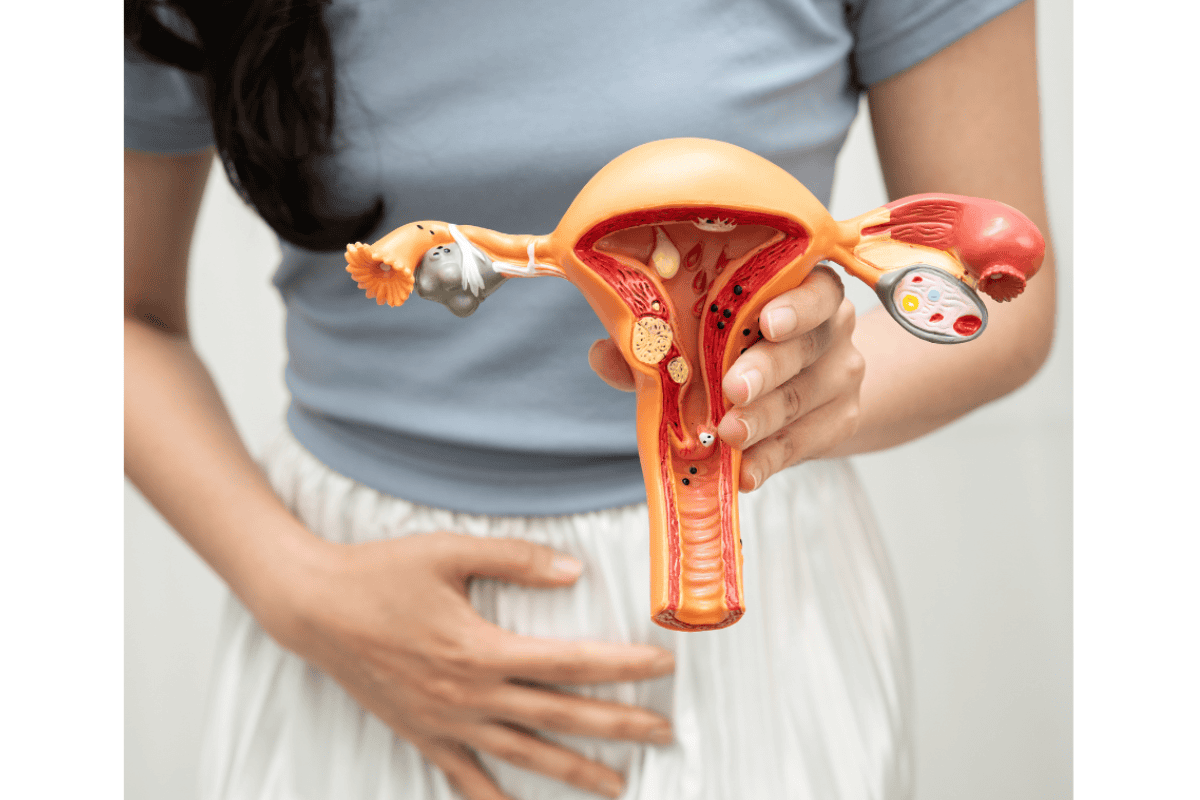
  1. 1. Epithelial ovarian cancer begins in the layer of cells that cover the outer surface of the ovary, called epithelial cells.
  2. 2. Over time, these cells can grow and divide uncontrollably, leading to tumours that may spread to nearby tissues.
  3. 3. Doctors use epithelial ovarian cancer classification to describe how these cells change and how advanced the condition is.

Classification and types of epithelial ovarian cancer

There are several subtypes, each named for how the cells look and behave. Some are slow-growing and easier to manage; others are more aggressive and require immediate care. Let’s take a deeper look at the classification.

image

Epithelial ovarian cancer classification and subtypes

Epithelial ovarian cancer begins in the cells that line the surface of the ovaries. Depending on how these cells look under a microscope, specialists identify epithelial ovarian cancer types, each with its own behaviour and prognosis.

Here are the main epithelial ovarian cancer types under this classification:

  • Serous carcinoma:
    The most common subtype linked to advanced stages.
  • Mucinous carcinoma:
    Typically forms cysts filled with mucus-like fluid and can resemble gastrointestinal cancers.
  • Endometrioid carcinoma:
    Endometrioid carcinoma: Associated with endometriosis and tends to have a better outlook when detected early.
  • Clear cell carcinoma:
    A rarer but more resistant subtype that can appear in women with endometriosis.
  • Transitional cell (Brenner) tumour:
    An uncommon variant that resembles bladder tissue under the microscope.

Recognising these subtypes allows doctors to personalise treatment and predict how the cancer may respond to therapy. It’s a crucial step in creating a management plan that balances effectiveness with quality of life.

Invasive vs noninvasive epithelial ovarian cancer

Both types fall under the umbrella of epithelial ovarian cancer, yet their behaviour and management differ greatly.

Knowing whether your cancer is invasive or not helps you and your healthcare team build a plan that balances effectiveness, recovery, and peace of mind.

Symptoms, early warning signs, and diagnosis

In its earliest stages of ovarian cancer, most women feel perfectly healthy. They might notice only vague discomforts that are easy to mistake for everyday issues like digestion or fatigue. This is why symptoms go unnoticed until the disease has progressed.

image

Common epithelial ovarian cancer symptoms

  • Persistent bloating or abdominal fullness
  • Nausea or indigestion
  • Abdominal or pelvic pain
  • Feeling full quickly while eating (early satiety)
  • Fatigue or unexplained tiredness
  • Changes in bowel habits, such as constipation
  • Frequent or urgent urination
  • Lower back pain or discomfort during intercourse (dyspareunia)
  • Unexplained weight loss

Some rare warning signs are linked to paraneoplastic syndromes (conditions triggered by the immune system reacting to cancer). For instance:

  • Subacute cerebellar degeneration
    may cause dizziness, imbalance, or difficulty speaking.
  • Trousseau syndrome
    can lead to blood clots.
  • High calcium levels (hypercalcemia)
    can cause confusion, constipation, or increased thirst.

Though uncommon, these neurological or metabolic signs can sometimes appear months before the tumour itself is detected.

Early signs that are often mistaken for other conditions

Unlike uterine conditions, abnormal bleeding is not a common symptom of ovarian cancer. \Early-stage cases are often asymptomatic or mild. This makes regular monitoring even more important, especially for women at higher risk.

Diagnosis of ovarian cancer

  1. 1. Procedure:During ovarian cancer diagnosis, doctors perform a detailed physical and pelvic examination. They may include abdominal palpation, checking for lymph node swelling, and checking the cervix and vagina through a bimanual exam.
  2. 2. Advanced methodsIf the disease has grown, doctors might find things like swelling in your stomach area, extra fluid inside your belly, or changes in your breathing that show fluid near your lungs.
image

In rare cases, a small, firm lump near the belly button, called a Sister Mary Joseph nodule, may suggest metastasis.

Causes and risk factors

Understanding the causes and risk factors of epithelial ovarian cancer can go a long way toward improving early detection and prevention.

WhatsApp Cancer Care
Get Your Free Cancer Diet Plan & Report Analysis Now on WhatsApp

Talk to experts. Understand your reports. Get a personalized diet plan — all free to start.

Get My Free Plan on WhatsApp
India's First Cancer Care Management Platform
Free to startSecure & privateNo app download needed

Epithelial ovarian cancer causes

When it comes to epithelial ovarian cancer, one of the first questions many women ask is why it develops. In most cases, epithelial cells begin to grow uncontrollably, forming tumours that can spread nearby.

While doctors can’t always pinpoint one direct cause, the main triggers usually involve genetics, hormones, or lifestyle factors.

Epithelial ovarian cancer risk factors

Some of the most researched epithelial ovarian cancer risk factors include:

  • Age:
    Risk increases as women get older, especially after menopause.
  • Genetic background:
    Mutations in genes like BRCA1 and BRCA2 cause cancer and can also affect the prognosis.
  • Family history:
    .A close relative with ovarian, breast, or colon cancer raises your chances.
  • Early onset of menarche and late onset of menopause:
    Longer reproductive years mean more ovulation cycles, which can slightly raise risk.
  • Nulliparity:
    Women who have never been pregnant may have a higher risk of epithelial cell ovarian cancer.
  • Endometriosis:
    Linked to certain epithelial ovarian cancer subtypes, especially clear cell and endometrioid carcinomas.
  • Hormone replacement therapy (HRT):
    Long-term use after menopause may slightly increase risk.
  • Obesity:
    Extra body fat can affect hormone levels, raising the likelihood of ovarian and other cancers.
  • Perineal talc use:
    Some studies suggest that long-term use of talcum powder in the genital area may increase risk.
  • Smoking:
    Associated with mucinous subtypes of ovarian cancer and poorer treatment outcomes.

If left unchecked, these factors can contribute to advanced cancer, which is harder to treat and may spread beyond the ovaries.

Treatment and management of epithelial ovarian cancer

Epithelial ovarian cancer treatment depends on how advanced the disease is and the patient’s overall health.

image

Surgery

Surgery is usually the first step in treating epithelial ovarian cancer, aiming to remove the tumour and, in some cases, the affected ovary or nearby tissues.

1. Management:

  • Routine follow-ups to check healing and recurrence.
  • Gentle exercise and nutrition for recovery.

2. Chemotherapy

Chemotherapy destroys remaining cance cells or shrinks tumours before surgery. It’s essential for advanced epithelial ovarian cancer cases.

Management:

  • Regular scans to track treatment response.
  • Medications to ease side effects like fatigue or nausea.

3. Targeted therapy

This treatment attacks cancer cell mutations with specialised drugs and is often used when standard treatments are less effective.

Management:

  • Ongoing monitoring for side effects.
  • Genetic counseling for long-term care planning.

4. Hormone and immunotherapy

Used in select cases to slow tumour growth or help the immune system recognise cancer cells.

Management:

  • Regular hormonal and immune function checks.
  • Therapy adjustments based on response.

5. Follow-up and monitoring

After treatment, consistent follow-up is key to maintaining remission and improving long-term outcomes.


Management:

  • Routine imaging and CA-125 blood tests.
  • Healthy lifestyle habits for better recovery and epithelial ovarian cancer prognosis.

Conclusion: Finding strength through awareness

Regular checkups, attention to symptoms, and open discussions about family history can help detect it before it advances. Treatment options continue to improve, giving women more time, better outcomes, and renewed hope.
Even if a diagnosis feels frightening, remember, with the right medical care and support, there is always a path forward toward healing and recovery.

FAQs on epithelial ovarian cancer

Epithelial ovarian cancer starts in the surface layer of the ovary, while non-epithelial ovarian cancer begins in other ovarian tissues like germ or stromal cells.

It varies, but epithelial ovarian cancer can spread quickly once it becomes invasive, often moving to nearby organs like the fallopian tubes or abdomen.

The epithelial ovarian cancer survival rate depends on the stage at diagnosis. Early detection offers over a 93.1% five-year survival rate, while advanced cases have lower outcomes, 30.8%, but are improving with modern treatments.

Related Blogs

View More