Symptoms5 min read
Folic Acid Supplement: Importance, Benefits and Deficiency Symptoms
Dr. Vrundali Kannoth


Living with cancer means carrying so much more than what most people can even imagine. The treatments, the fatigue, the emotional weight of it all - it takes everything you have, and we understand it.
And then you start noticing something else: Tingling in your hands. Unexplained muscle weakness. Skin changes that don't make sense.
When these symptoms show up, most of us immediately think the same thing: the cancer is spreading. This fear is natural, and it's terrifying too.
But it's your immune system reaction to the cancer in ways that affect other parts of your body, and these signs show up. We know it sounds complicated, especially when you're already dealing with so much.
Once you understand what this Paraneoplastic Syndrome condition is and how to manage it, the journey becomes clearer and easier to manage.
Let's walk you through Paraneoplastic Syndrome meaning, signs, risk factors, and treatment available.
Eating well through treatment is hard. Get a personalised onco-nutrition plan from Everhope's dietitians.
Paraneoplastic Syndrome refers to symptoms caused by your immune system's response to cancer, not by the cancer itself spreading. Your body recognizes the tumour as a threat and creates antibodies to fight it. Sometimes, those antibodies mistakenly attack healthy tissues in other parts of your body.
This syndrome shows up even when the cancer hasn't physically spread to those organs. It's your immune system being overprotective in a way that ends up causing unintended harm.
The important thing to note is: these symptoms don't mean your cancer is more advanced. They're a separate reaction that can be managed by medicine and therapy. Typically, the Syndrome affects your nervous system, skin, hormones, kidneys, or blood.

Here are some Paraneoplastic Syndrome examples:
This condition can show up in different ways, depending on the part of the body. Here are the most common Paraneoplastic Syndromes:
Symptoms of Paraneoplastic Syndrome can show up quickly, often over days to weeks. In many cases, they appear even before the cancer symptoms appear.
Your body is giving you signals, and paying attention to them matters.

These signs can feel vague at first. You might brush them off as side effects of cancer or just feeling run down. But when they persist or seem unusual for you, they're worth mentioning to your care team. Here’s what to look for:
Remember, all these common Paraneoplastic Syndromes signs do not mean you’ve the condition. With proper diagnosis from your oncology doctors, you cannot be sure. So, instead of worrying, it’s best to reach out promptly for peace of mind.
Not all types of cancer lead to this condition. It's rare, actually. Only about 8 out of 100 people with cancer develop it, so it's not something everyone faces.

But it helps to know what the Paraneoplastic Syndrome causes are? It comes down to how your immune system responds to the tumor. Your cancer cells sometimes share similar proteins or markers with your healthy tissues, which leads your immune system to attack both.
Some tumors are more likely to trigger this response, especially small cell lung cancer, ovarian cancer, and certain blood cancers. But even within those cancer risk factors, not everyone develops Paraneoplastic Syndrome symptoms.
Paraneoplastic Syndrome diagnosis is a simple process and not something you need to be anxious about.
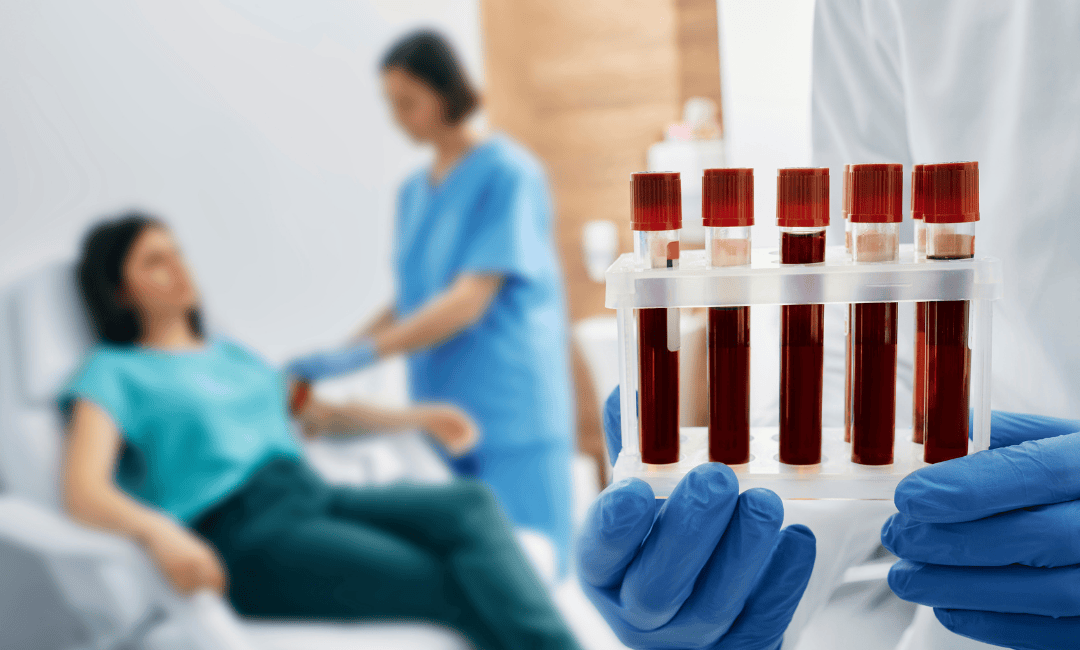
Your care team will ask what you're experiencing and then suggest some tests as part of cancer diagnostics to figure out what's happening.
During your medical examination, your team won't look at just your tumour but will use proper Paraneoplastic Syndrome criteria to decide what symptoms are pointing towards. For instance, symptoms match a known paraneoplastic pattern, or certain antibodies or hormone-related abnormalities appear in bloodwork.
The main goal of Paraneoplastic Syndrome treatment is simple: treat the cancer, and the immune response usually settles down. Once the tumour is under control, many symptoms improve or disappear on their own.
However, your cancer treatment team also works with you to manage its side effects. If Paraneoplastic Syndrome symptoms are severe, medications that suppress your immune response can help. These include steroids, rituximab, or other drugs that reduce inflammation and antibody production

In addition, your healthcare provider might recommend physical therapy to help rebuild strength in nerves or muscles and speech therapy to restore normal speech patterns.
Your outlook with the condition depends on your specific cancer. If you notice unusual symptoms, reach out to your care team right away. It might not be anything serious, but staying alert helps catch issues early.
We know tracking new symptoms on top of everything else feels like too much. But you're not alone in this. Your care team will work with you to find the best way to monitor what's happening and find the right approach.
Even better, you don't need separate, extensive treatment for Paraneoplastic Syndrome treatment either. They're managed alongside your cancer treatment with medications and therapies available to offer you comfort during this tough time.
At Everhope Oncology, our team works with you through every challenge, whether it's the tumor itself or the unexpected symptoms that come with it. You'll have access to specialists, personalized care plans, and support that keeps you in control throughout your journey.
Products readers use for these side effects
Matched to this article's topics — not bestsellers

B'spoke OptimaB12 Forte B12 1500mcg Chewable (10 Tablets)
B12 supports nerve function amid neuropathy
₹189₹210
View product
FM Nutrition Vitamin B Complex (60 Capsules)
B vitamins support nerve and muscle health
₹1,499₹1,645
View product← swipe for more →
Available at the Everhope store · always consult your care team before starting any supplement