

Tumor Profiling for Head and Neck Cancer: Unlocking Precision Treatment
Dr. Vrundali Kannoth|8 min read|
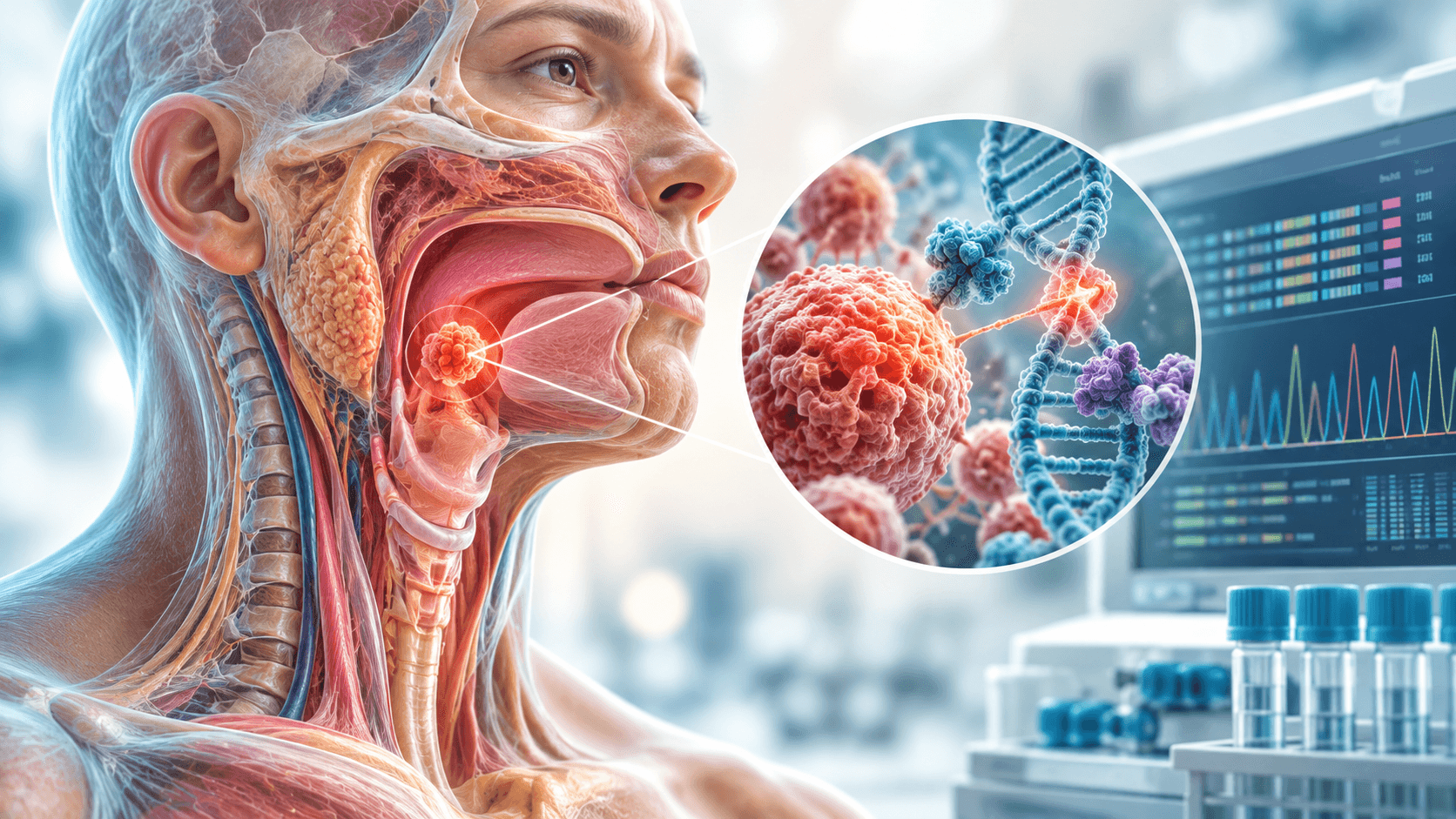
Tumor profiling for head and neck cancer is revolutionizing cancer care by deciphering the genetic and molecular code of tumors. This approach empowers oncology teams to personalize patient care, guiding decisions around targeted therapies, immunotherapies, and access to clinical trials.
What Is Tumor Profiling?
Tumor profiling involves a deep dive into a patient’s tumor sample to uncover genetic mutations, molecular markers, and other characteristics that can shape diagnosis, prognosis, and treatment planning. Also known as molecular or genomic testing, this process captures vital information from the cancer’s DNA, RNA, proteins, and gene-expression patterns—data that standard pathology or imaging can’t provide.
It doesn’t replace traditional diagnosis or staging; instead, it complements them by adding a molecular layer to the overall clinical picture.
What Does Molecular Profiling Cover?
Molecular profiling casts a wide net, assessing not only gene mutations but also protein expressions, gene fusions, copy-number changes, and markers tied to outcomes or therapy responses. This includes:
- Gene mutations (e.g., TP53, CDKN2A, NOTCH, FAT1, PIK3CA)
- Structural changes like gene fusions, amplifications, deletions
- Protein and viral markers (like HPV, p16, PD-L1)
- Tumor mutational burden (TMB)
Each finding helps paint a more complete biological portrait of the tumor.
What Can Tumor Profiling Reveal?
- 1. Genetic Mutations:Highlights alterations driving cancer growth or resistance.
- 2. Gene Fusions & Genomic Changes:Unveils structural DNA changes influencing cancer behavior.
- 3. Biomarkers:Identifies signals predicting prognosis or likelihood of benefiting from treatments such as immunotherapy.
In head and neck cancer, biomarkers like HPV status and PD-L1 expression are especially critical, with each providing unique clinical insight.
How Is Tumor Profiling Performed?
- •Tissue Collection:Begins with a biopsy or surgical sample.
- • Next-Generation Sequencing (NGS):Rapidly scans for multiple mutations and biomarkers in a single test.
- •Additional Methods:Immunohistochemistry (IHC) for proteins, PCR or in situ hybridization for viral markers, and other molecular assays as needed.
How Does Tumor Profiling Influence Treatment?
Tumor profiling can identify actionable mutations—genomic changes that open the door to specific targeted therapies, enrollment in clinical trials, or bespoke immunotherapy strategies. Even when direct treatments aren’t available, profiling helps anticipate prognosis or resistance and steers clinical conversations towards the most promising options.
Actionable and Non-Actionable Findings
Not every mutation or biomarker leads directly to an approved therapy. Some are prognostic, others may highlight a clinical trial fit, and some are yet to be linked to therapy. Interpretation always depends on cancer type, stage, previous treatments, and overall patient context.
The Power and Limits of Tumor Profiling
Benefits
- Reveals genetic and molecular drivers that inform treatment
- Identifies new therapy or clinical trial opportunities
- Supports targeted and immunotherapy strategies
- Deepens understanding of tumor biology
Limitations
- Dependent on sample quality and tumor content
- Cannot capture all tumor heterogeneity
- Many findings have unclear or unproven implications
- Always requires expert interpretation within the broader clinical context
Key Takeaways
Tumor profiling uncovers the molecular fingerprint of head and neck cancers, shaping diagnosis and therapy planning.
It detects mutations, structural changes, key biomarkers (HPV, PD-L1, TMB), and more.
Modern methods like NGS allow a comprehensive view from limited tissue.
HPV/p16 status is especially significant in some tumor types.
Results always require multidisciplinary interpretation—they don’t replace clinical judgment, imaging, or pathology.
Questions
Frequently Asked Questions
How is tumor profiling performed?
Through analysis of tumor tissue collected from a biopsy or surgery using methods like NGS, IHC, PCR, or hybridization.
What can be detected?
Gene mutations, copy-number changes, fusions, protein and viral markers, PD-L1, TMB—depending on the test.
Is molecular profiling the same as genetic testing?
Not exactly. Molecular profiling focuses on the tumor’s DNA/RNA/proteins. Genetic testing may also assess inherited risks.
How does it guide treatment?
Informs therapy and trial options when actionable changes are found, but final choices depend on a range of clinical factors.
Can NGS be used?
Absolutely—NGS is a cornerstone of modern tumor profiling in head and neck cancer, enabling broad biomarker analysis from minimal tissue.
Related Blogs