





















Call Us
Hormonal Therapy TreatmentHormonal Therapy Treatment

Advanced Hormonal Therapy for Cancer Patients

Advanced Hormonal Therapy for Cancer Patients

What is Hormonal Therapy?

What is Hormonal Therapy?

Hormonal therapy explanation

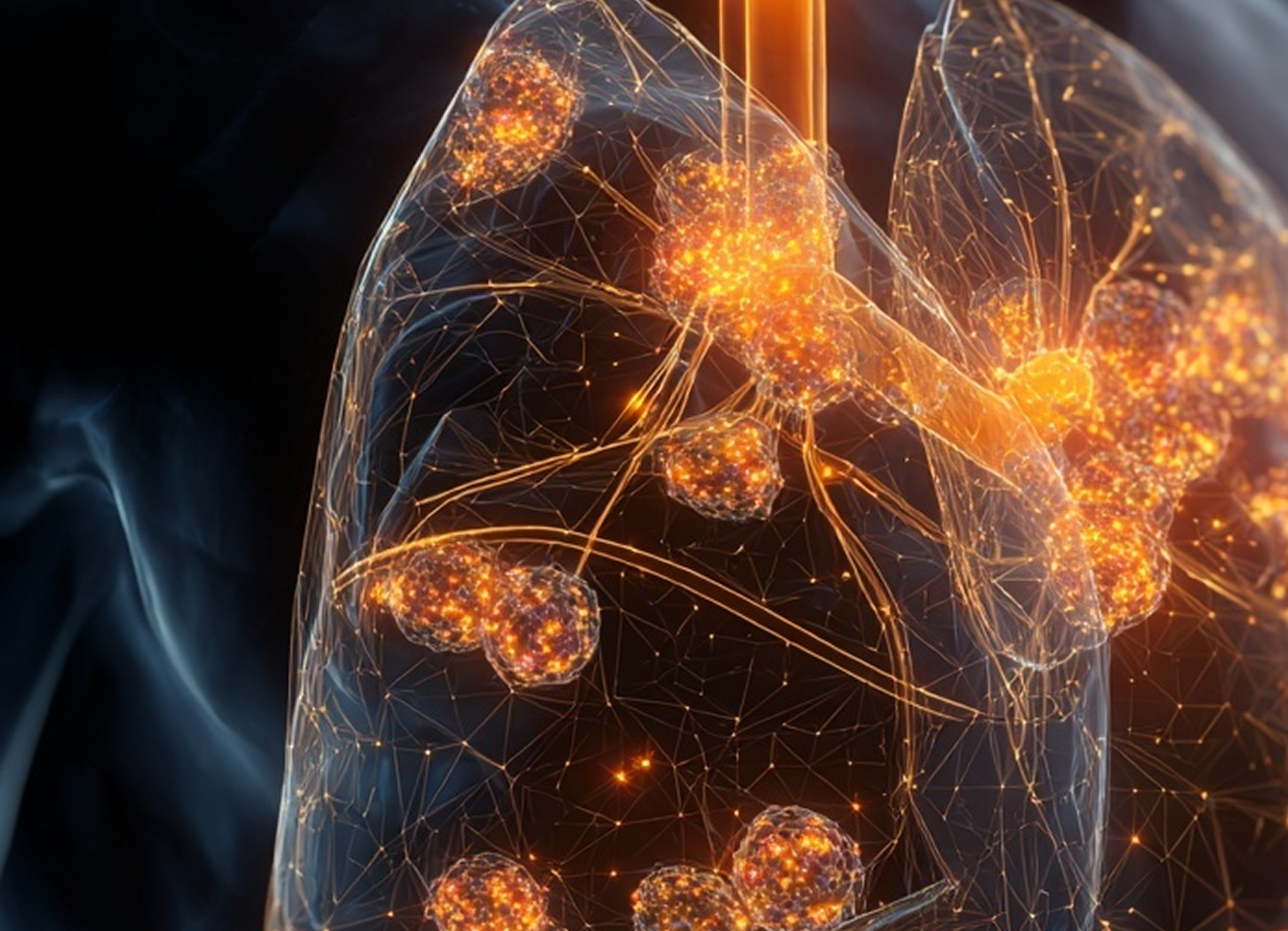
Hormonal therapy is a cancer treatment that slows or stops the growth of hormone-sensitive tumors by interfering with the body's hormone production or blocking hormones from reaching cancer cells. Unlike chemotherapy that attacks all rapidly dividing cells, hormone therapy specifically targets cancers that depend on hormones like estrogen, progesterone, or testosterone to grow.

Hormone therapy for cancer can be used alone or combined with other treatments like surgery, radiation, or chemotherapy to improve outcomes.

Hormonal therapy explanation

Hormonal therapy is a cancer treatment that slows or stops the growth of hormone-sensitive tumors by interfering with the body's hormone production or blocking hormones from reaching cancer cells.

Types of Hormonal Therapy for Cancer

Types of Hormonal Therapy for Cancer

Understanding the different types of hormone therapy helps patients make informed decisions about treatment.

Understanding the different types of hormone therapy helps patients make informed decisions about treatment.

Primarily treats breast cancer in women and some endometrial cancers. Tamoxifen is the most commonly prescribed SERM for both premenopausal and postmenopausal women. It occupies estrogen receptors on cancer cells, preventing actual estrogen from binding and triggering cell growth.

Primarily treats prostate cancer. Most prostate cancers depend on androgens, particularly testosterone, to grow and spread. This therapy reduces testosterone levels or blocks testosterone from reaching cancer cells, slowing cancer progression.

Represent advanced options targeting the hypothalamic–pituitary–gonadal axis controlling hormone production. They modulate signaling to reduce sex hormone production in ovaries and testicles.

Cancers treated with Hormonal Therapy

Cancers treated with Hormonal Therapy

Hormone therapy is most effective for cancers that depend on hormones like estrogen, progesterone, or testosterone to grow.

Hormone therapy is most useful when cancers are driven by hormone signals. Some key examples are listed below.

Breast cancer icon

Breast cancer

Breast cancer hormone therapy is a cornerstone of treatment for hormone receptor-positive disease. Long-term endocrine therapy significantly reduces recurrence risk and improves survival.

Prostate cancer icon

Prostate cancer

Prostate cancer hormone therapy (androgen deprivation) plays a key role in slowing or stopping tumor growth by lowering testosterone or blocking its action on cancer cells.

Endometrial cancer icon

Endometrial cancer

Endometrial cancer may be treated with hormone therapy, especially in patients with hormone receptor-positive tumors or when surgery is not immediately possible.

Ovarian cancer icon

Ovarian cancer

Ovarian cancer with hormone-sensitive biology can benefit from hormone therapy as part of long-term maintenance or recurrence management strategies.

Breast cancer hormone therapy is a cornerstone of treatment for hormone receptor-positive disease. Long-term endocrine therapy significantly reduces recurrence risk and improves survival.

Prostate cancer hormone therapy (androgen deprivation) plays a key role in slowing or stopping tumor growth by lowering testosterone or blocking its action on cancer cells.

Endometrial cancer may be treated with hormone therapy, especially in patients with hormone receptor-positive tumors or when surgery is not immediately possible.

Ovarian cancer with hormone-sensitive biology can benefit from hormone therapy as part of long-term maintenance or recurrence management strategies.

How Hormone Therapy is used with other cancer treatments

Hormone therapy often forms part of a comprehensive treatment plan, working alongside surgery, radiation, chemotherapy, and newer targeted or immune-based therapies.

Hormone therapy with surgery is common in breast and prostate cancers. Treatment usually continues for years after tumor removal to reduce recurrence risk by targeting microscopic hormone-dependent cells.

Hormone therapy with radiation creates synergistic effects in prostate cancer. Men receiving radiation for intermediate or high-risk disease take hormone therapy before, during, and after radiation for better control.

Hormone therapy with chemotherapy may be used sequentially. Many breast cancer patients receive chemotherapy first to quickly reduce tumor burden, then continue long-term hormone therapy for sustained disease control.

Hormone therapy with targeted therapy is used in select patients, such as HER2-positive or BRCA-mutated cancers, where blocking hormone signals and specific molecular pathways together improves outcomes.

Hormone therapy with immunotherapy is being explored in advanced disease. Carefully selected combinations may enhance immune recognition while maintaining hormonal control of tumor growth.

Who Needs Hormonal Therapy?

Hormone receptor testing and clinical factors guide oncologists in deciding who benefits most from hormone-blocking treatment.

Hormone Receptor Testing and Diagnosis

Hormone Receptor Testing and Diagnosis

After biopsy or surgery, pathologists test tumors for estrogen, progesterone, and androgen receptors. Positive receptor status signals hormone-sensitive cancer that may respond to drugs like tamoxifen, aromatase inhibitors, or androgen-deprivation therapy.

When is Hormonal Therapy Recommended?

When is Hormonal Therapy Recommended?

Doctors recommend hormone therapy for several scenarios in hormone-sensitive cancers. Early-stage hormone receptor-positive breast cancer typically requires five to ten years of hormone therapy after surgery and any chemotherapy or radiation.

After biopsy or surgery, pathologists test tumors for estrogen, progesterone, and androgen receptors. Positive receptor status signals hormone-sensitive cancer that may respond to drugs like tamoxifen, aromatase inhibitors, or androgen-deprivation therapy.

Hormone Receptor Testing and Diagnosis

Doctors recommend hormone therapy for several scenarios in hormone-sensitive cancers. Early-stage hormone receptor-positive breast cancer typically requires five to ten years of hormone therapy after surgery and any chemotherapy or radiation.

When is Hormonal Therapy Recommended?

What to Expect During Hormonal Therapy?

Understanding the hormonal therapy process helps patients prepare for long-term treatment, anticipate routine monitoring, and feel more confident about their care plan.

Treatment Duration and Timeline
Hormone therapy duration varies significantly based on cancer type, stage, and treatment goals. Breast cancer hormone therapy typically continues for five to ten years, with extended treatment sometimes recommended for high-risk patients. Prostate cancer hormone therapy length depends on stage and whether it is combined with radiation or used alone.
How Hormonal Therapy is Given
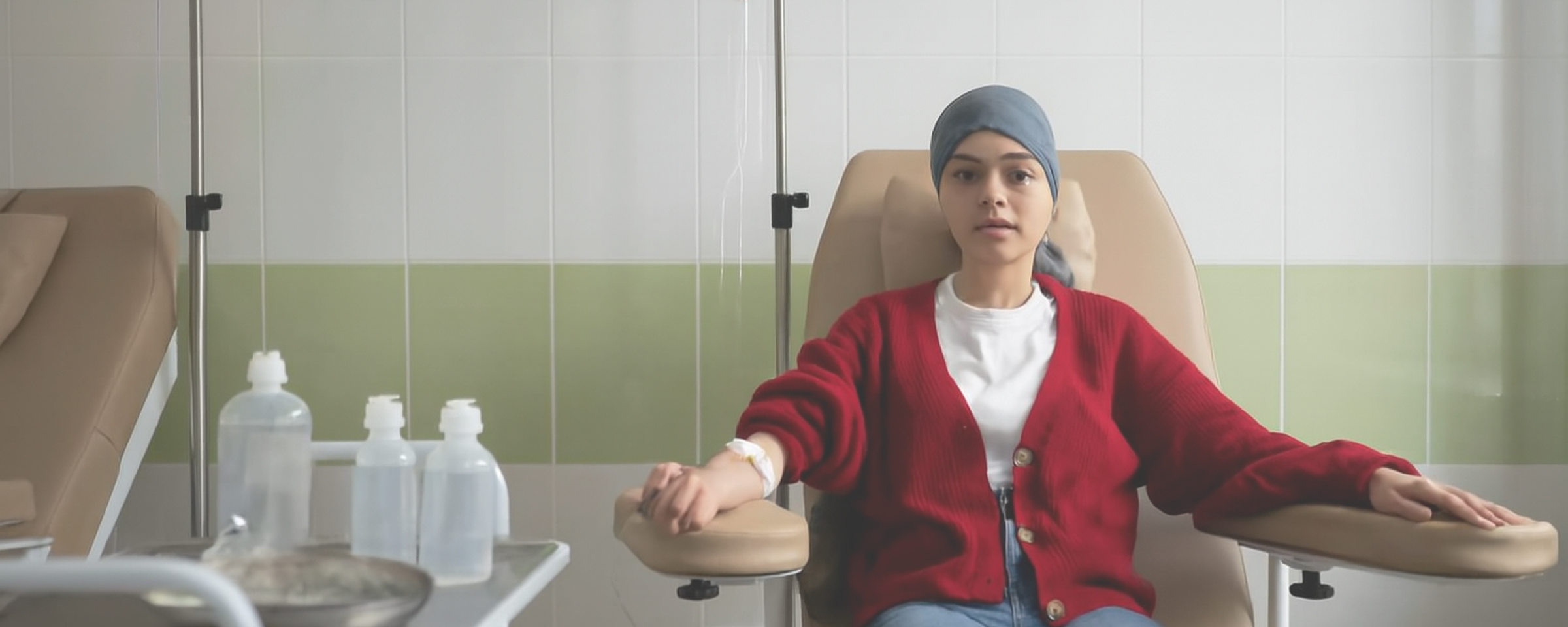
Most hormone therapy medications come as oral pills or tablets taken daily at home (e.g., tamoxifen, aromatase inhibitors, anti-androgens). This convenient administration allows patients to maintain normal routines while receiving treatment, with regular follow-up visits to monitor response and manage side effects.
Monitoring Hormone Levels & Tumor Response
Regular monitoring tracks treatment effectiveness and detects any disease progression. Blood tests measure tumor markers like PSA for prostate cancer or CA 27-29 for breast cancer, while imaging studies assess tumor response. Hormone level checks confirm adequate estrogen or testosterone suppression.

Benefits of Hormonal Therapy

Understanding the benefits of hormonal therapy helps patients evaluate how this targeted treatment can improve outcomes and reduce cancer recurrence.

Effective for Hormone-Receptor Positive Cancers

Effective for Hormone-Receptor Positive Cancers

Hormone therapy specifically targets the biological mechanisms driving hormone-sensitive cancer growth. For hormone receptor-positive breast cancer, studies show five years of tamoxifen reduces breast cancer mortality by about one-third.

Reduces Risk of Cancer Recurrence

Reduces Risk of Cancer Recurrence

Long-term hormone therapy significantly decreases cancer recurrence risk after initial treatment. Women completing surgery and radiation who take hormone therapy for five years reduce their recurrence risk by approximately 40% compared to no hormone therapy.

Often Used Alongside Other Treatments

Often Used Alongside Other Treatments

Hormone therapy's compatibility with other cancer treatments allows comprehensive multimodal approaches. It can be safely combined with surgery, radiation, chemotherapy, targeted therapy, and immunotherapy without significantly increasing toxicity.

Side Effects of Hormonal Therapy

Side Effects of Hormonal Therapy

Understanding hormonal therapy side effects helps patients recognize and manage them effectively.

Hot flashes

Hot flashes

Hot flashes are the most common side effect for both women and men receiving hormone therapy, causing sudden warmth, sweating, and flushing.

Fatigue

Fatigue

Fatigue ranges from mild tiredness to significant exhaustion for many patients on hormone therapy and may affect daily activities.

Sexual side effects

Sexual side effects

Women may experience vaginal dryness and decreased libido; men may have reduced sexual desire and erectile dysfunction during hormone therapy.

Mood changes

Mood changes

Irritability, anxiety, and depression can emerge during hormone therapy as hormonal shifts influence brain neurotransmitters.

Hormonal Therapy at Everhope

Hormonal Therapy at Everhope

Why Choose Everhope for Hormone Therapy?

Why Choose Everhope for Hormone Therapy?

  • Everhope offers comprehensive hormone therapy services led by experienced oncologists at our hormone therapy centre locations. Our team stays current with the latest hormone therapy research and protocols, ensuring patients receive evidence-based treatment tailored to their specific cancer and circumstances.
  • State-of-the-art facilities at our hormone therapy centres in Gurgaon and other locations provide comfortable environments for treatment administration and monitoring. Our infusion and injection suites offer privacy and amenities that make treatment visits more pleasant.

Integrative & Personalized Oncology Team

Integrative & Personalized Oncology Team

  • Our multidisciplinary team approach ensures coordinated care addressing all treatment aspects. Medical oncologists work alongside radiation oncologists, surgeons, nutritionists, and support staff to develop comprehensive treatment plans optimized for each patient.
  • As a leading hormone therapy centre in the region, Everhope maintains same-day appointment availability and flexible scheduling that minimizes treatment delays so patients can begin appropriate treatment promptly.

Related Therapies and Packages

Related Therapies and Packages

  • Everhope provides hormone therapy and complementary therapies in comprehensive packages. Evidence-based regimens combine hormone therapy with chemotherapy, targeted therapy, or immunotherapy when required, with timing and sequencing designed to maximize efficacy and minimize side effects.
  • Supportive programs including nutritional counseling, psychological support, and physical therapy help patients maintain strength and quality of life throughout long-term hormone treatment.

FAQs on Hormonal Therapy

No question is too small when it comes to your care

Treatment duration varies by cancer type and stage. Breast cancer hormone therapy typically continues for five to ten years. Prostate cancer treatment may last several months to years depending on whether it accompanies radiation or treats metastatic disease.
Most hormone therapy involves oral pills that cause no pain. Injection forms may cause brief discomfort at the injection site and are generally well‑tolerated. Side effects are manageable with supportive care.
Hormone therapy can significantly impact fertility, particularly in premenopausal women and younger men. Treatments suppressing ovarian or testicular function can cause temporary or permanent infertility.
Success rates match international standards when used for appropriate hormone‑sensitive cancers. HR‑positive breast cancer shows recurrence reduction of 40–50% with five years of treatment. Prostate cancer often achieves significant disease control.
Generally safe and well‑tolerated. Age alone doesn't preclude hormone therapy use. Pre‑existing health conditions require monitoring and may guide dose or medication selection.
Contact Everhope Oncology via our website or call our centers in Gurgaon and other locations for consultation. We provide prompt appointments, evaluation, and personalized recommendations.