






















Call Us
Immunotherapy TreatmentImmunotherapy Treatment

Advanced Immunotherapy for Cancer Patients

Advanced Immunotherapy for Cancer Patients

What is Immunotherapy?

What is Immunotherapy?

Immunotherapy explanation

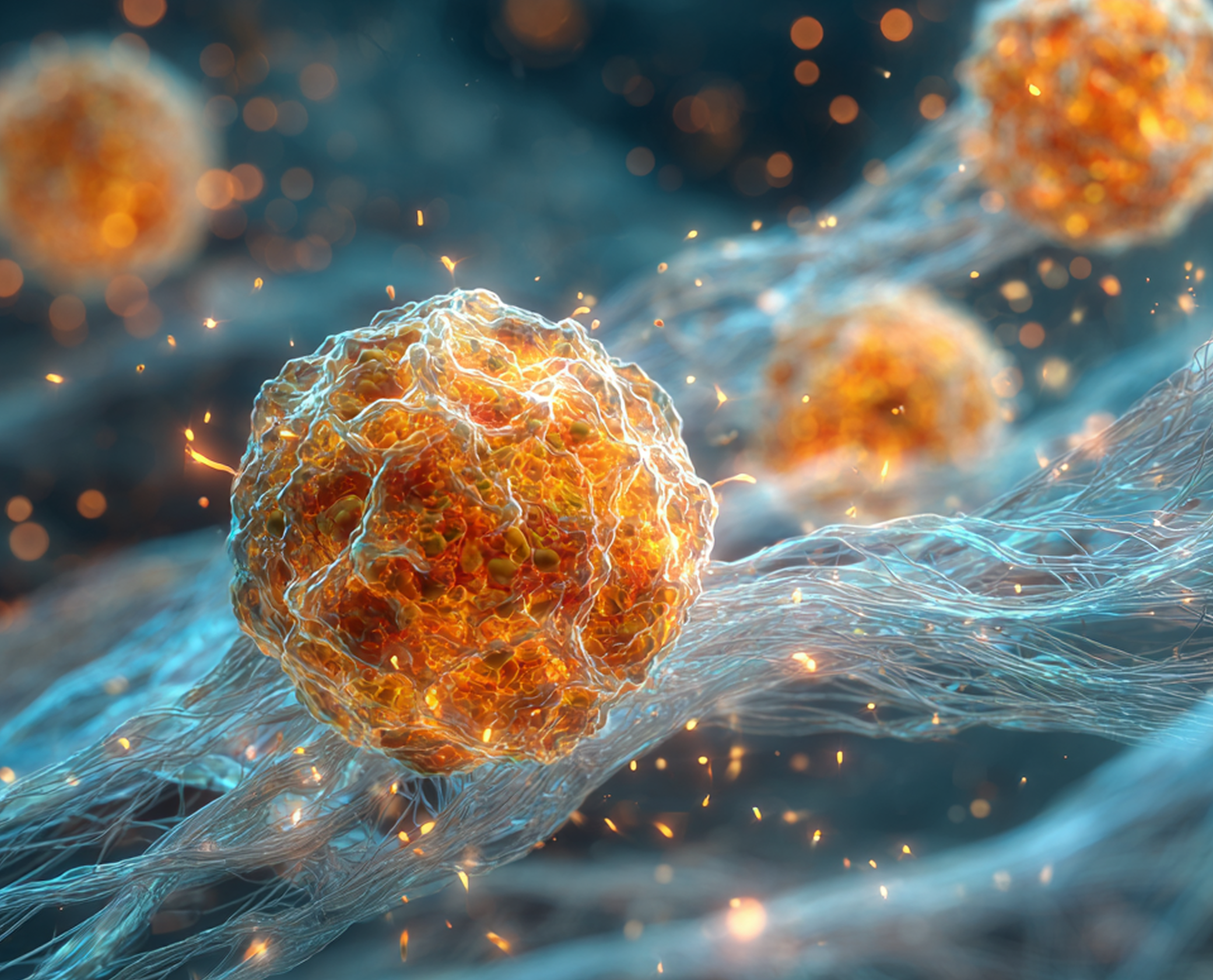
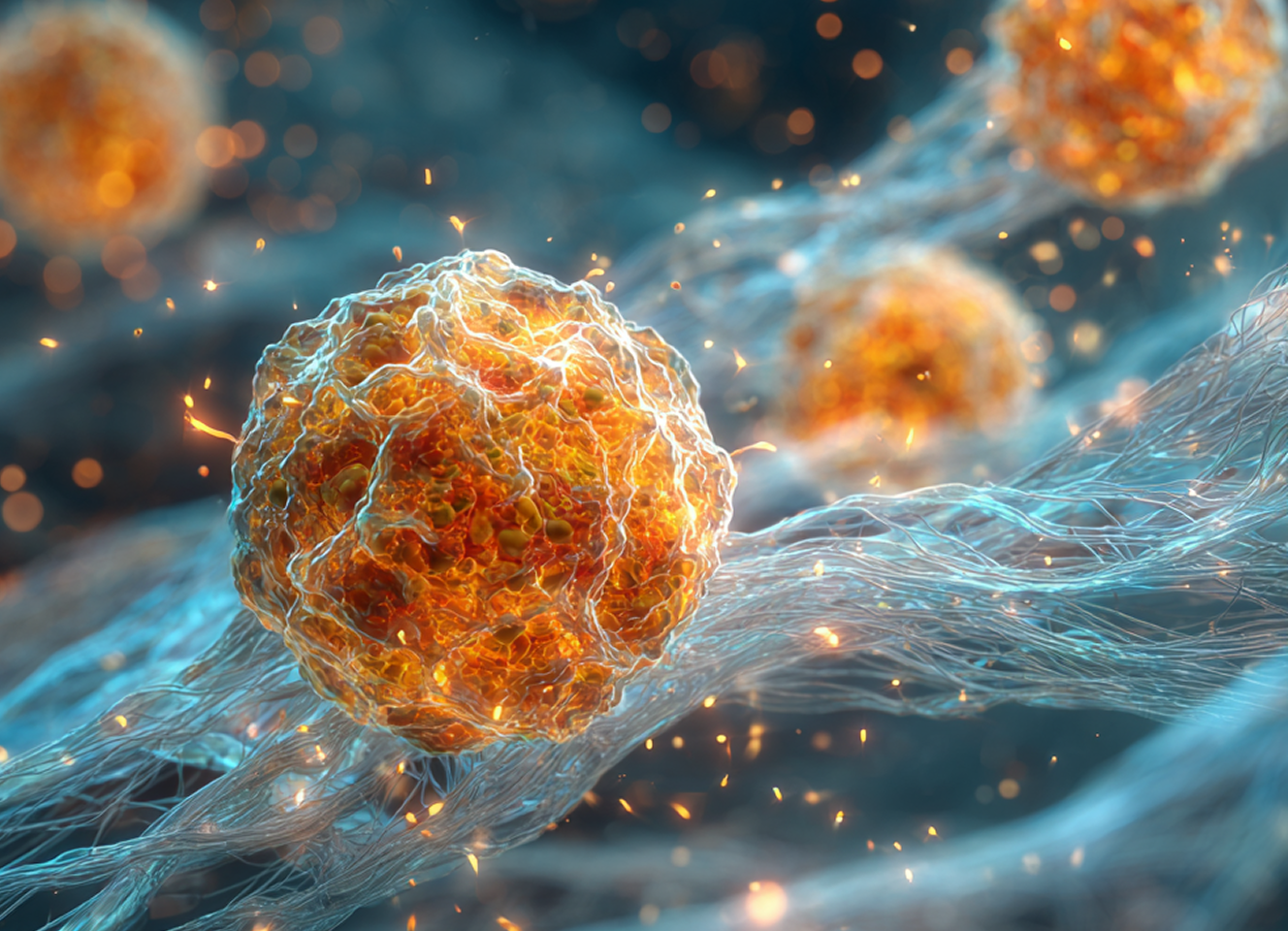
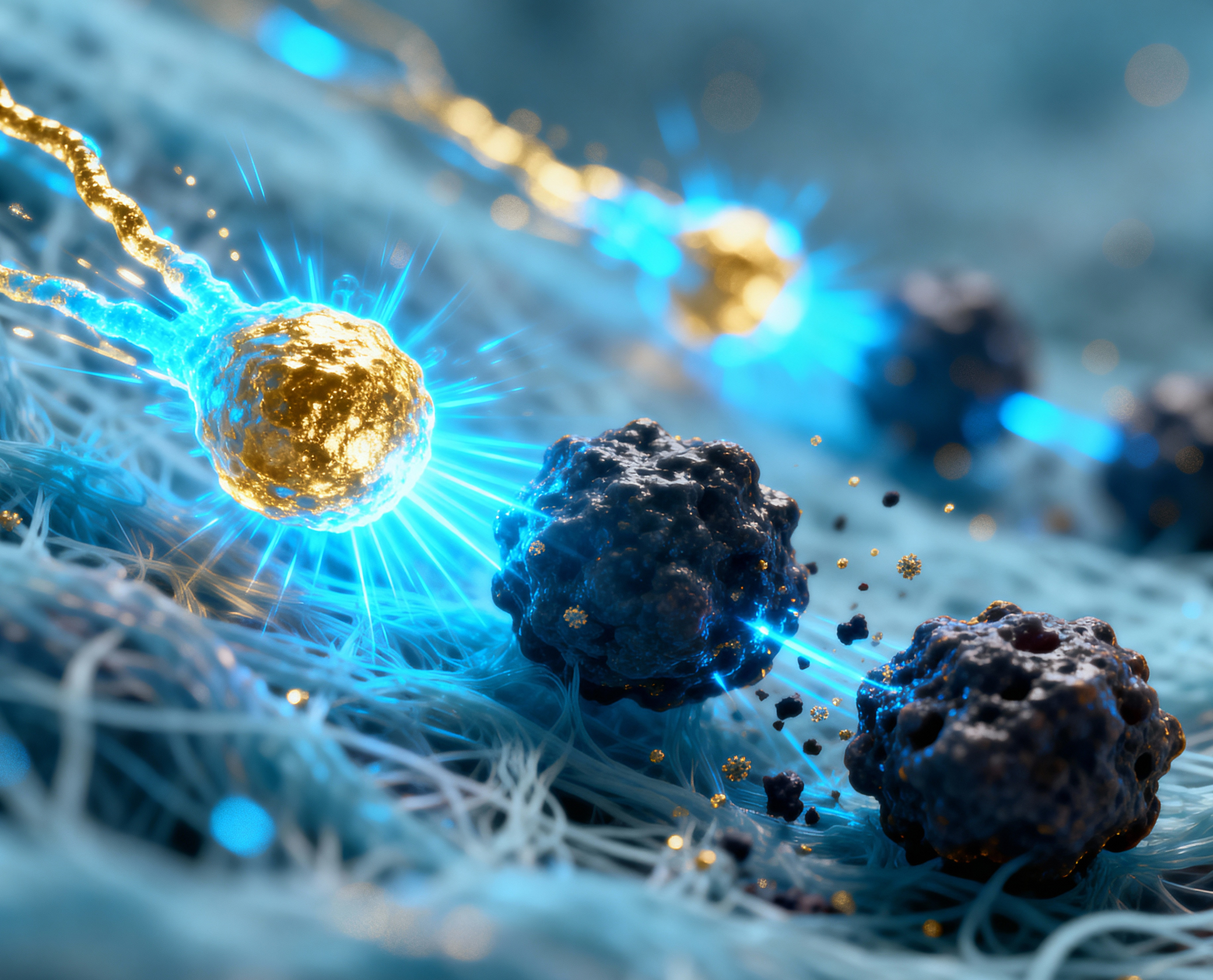
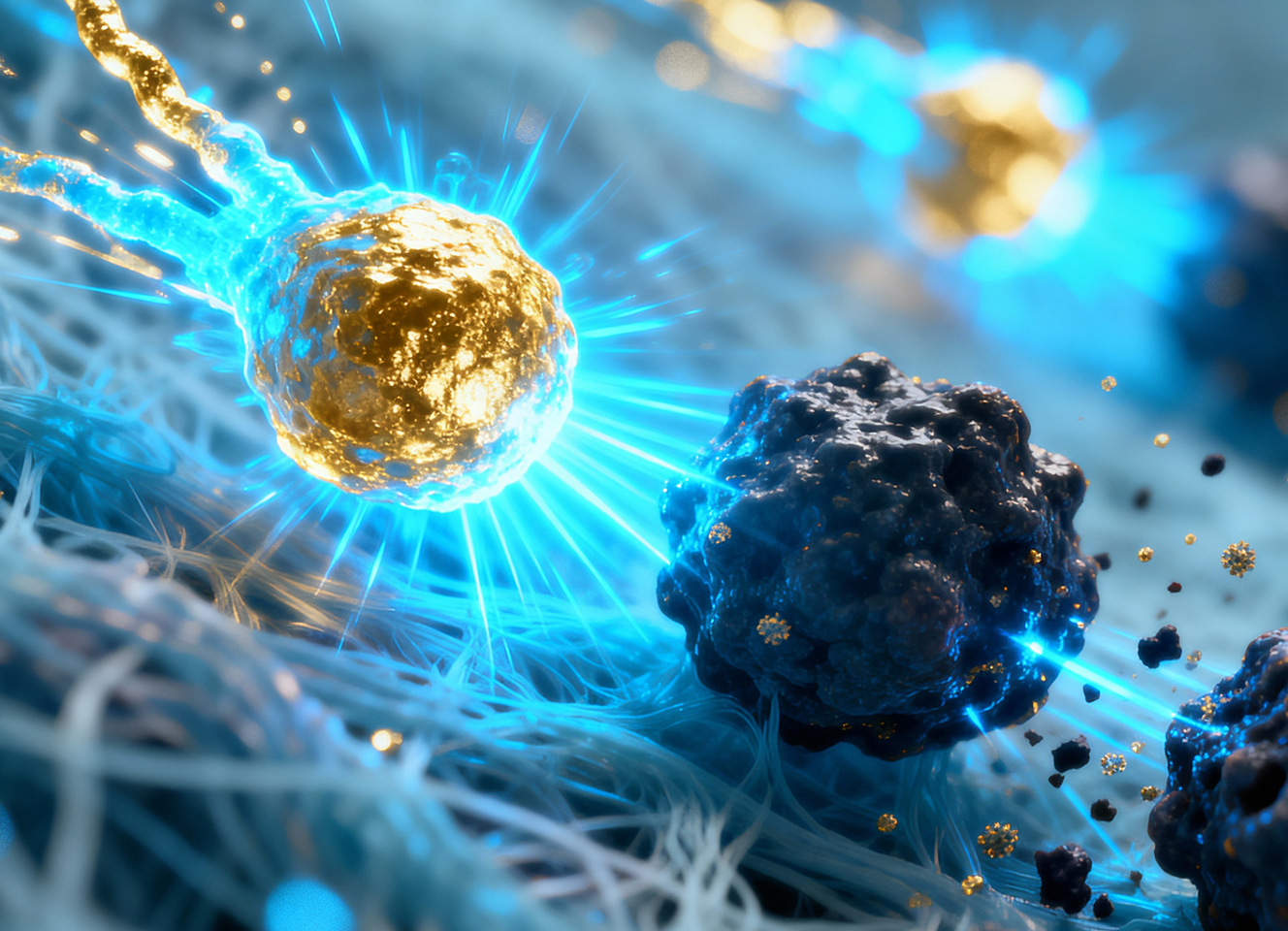
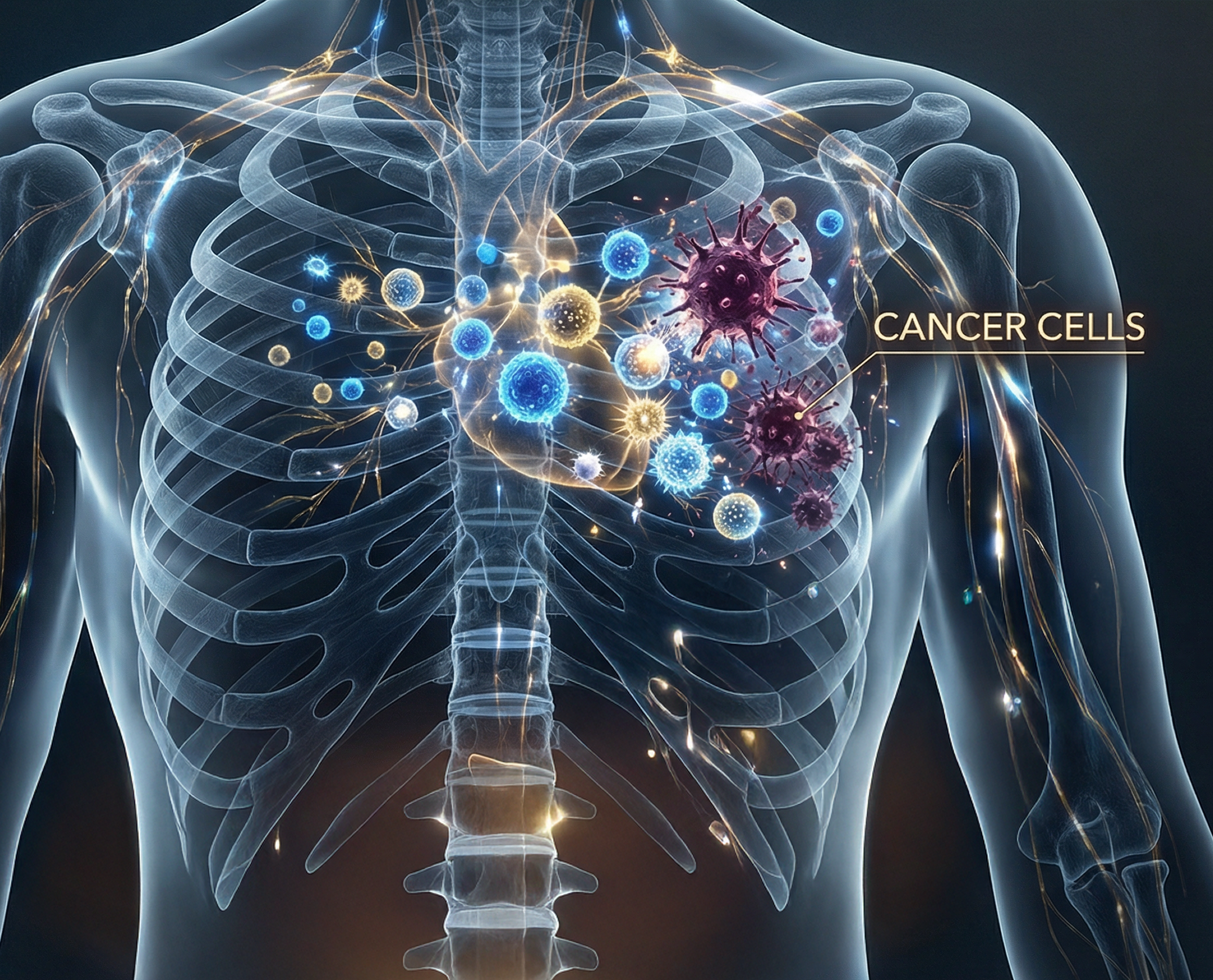
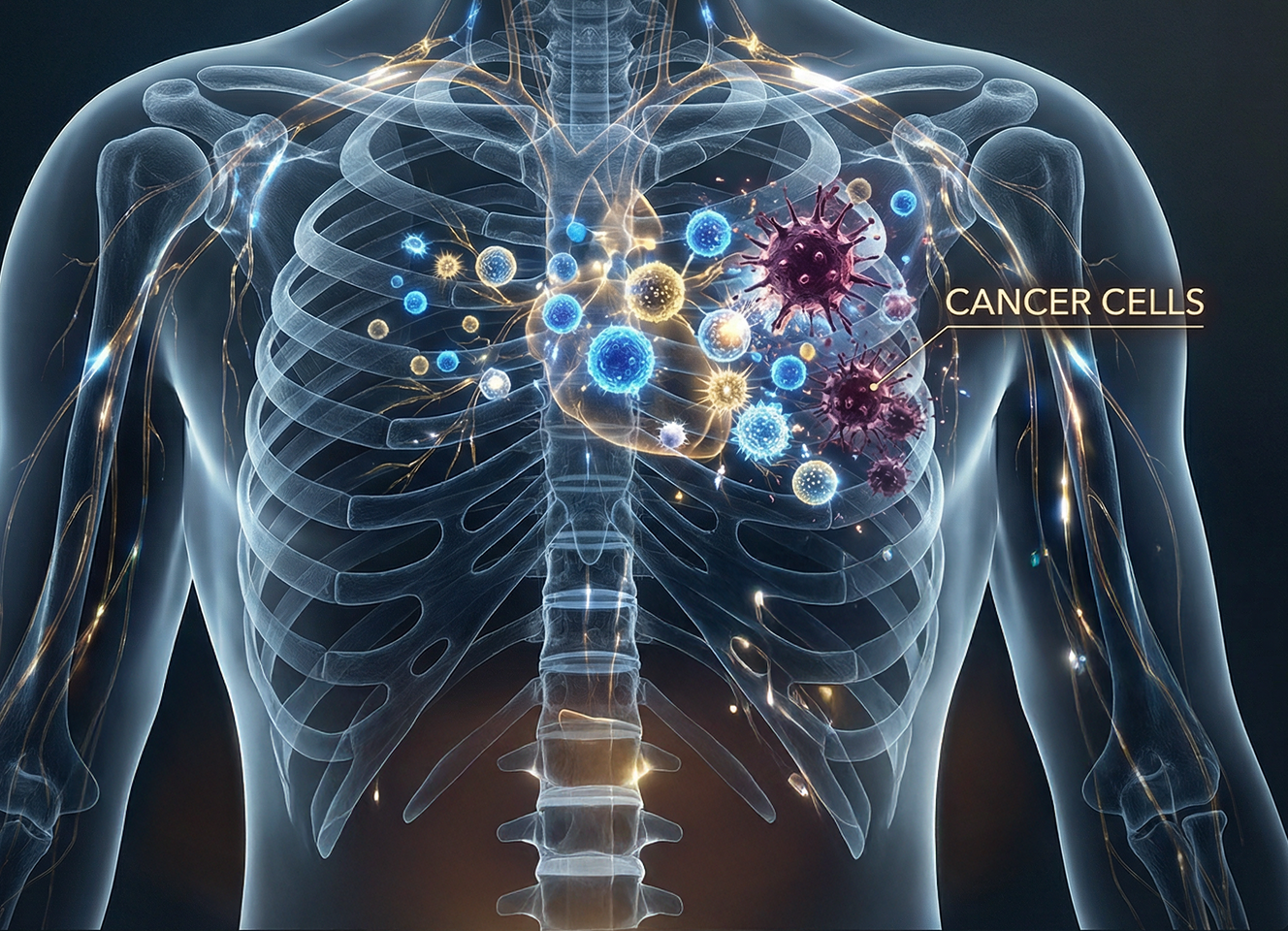
Immunotherapy is a revolutionary cancer treatment that uses the body's immune system to recognize, attack, and destroy cancer cells. Unlike chemotherapy or radiation that directly target cancer cells, immunotherapy works by enhancing the immune system's natural ability to fight cancer.

The immunotherapy meaning encompasses various treatment approaches that share a common goal: empowering the immune system to identify cancer cells as foreign invaders and eliminate them.

Immunotherapy explanation

Immunotherapy is a revolutionary cancer treatment that uses the body's immune system to recognize, attack, and destroy cancer cells. Unlike chemotherapy or radiation that directly target cancer cells, immunotherapy works by enhancing the immune system's natural ability to fight cancer.

Types of Immunotherapy for Cancer

Types of Immunotherapy for Cancer

Understanding the different types of immunotherapy helps patients and families make informed decisions about treatment options.

Understanding the different types of immunotherapy helps patients and families make informed decisions about treatment options.

Immune checkpoint inhibitors represent the most widely used form of immunotherapy in India and globally. These drugs work by blocking proteins that act as 'brakes' on the immune system, allowing T cells to attack cancer more effectively.

CAR-T therapy involves collecting a patient's own T cells, genetically modifying them in a laboratory to recognize cancer-specific proteins, and returning them to the patient where they multiply and attack cancer cells. This highly personalized process creates 'living drugs' that can persist for months or years.

Monoclonal antibodies are laboratory-created proteins designed to bind to specific targets on cancer cells, marking them for destruction by the immune system. Some antibodies directly attack cancer cells, while others deliver toxic substances to tumors or block growth signals.

Immune system modulators include cytokines, vaccines, and other agents that broadly stimulate immune function. Cytokines like interleukin-2 and interferon-alpha boost immune cell production and activity.

Cancers treated with Immunotherapy

Cancers treated with Immunotherapy

Immunotherapy now benefits multiple solid tumors and blood cancers—below are some of the most responsive diagnoses.

Immunotherapy now benefits several solid tumors and blood cancers—some key examples are listed here.

Melanoma icon

Melanoma

Immunotherapy revolutionized melanoma treatment, with checkpoint inhibitors and combination regimens delivering durable responses even in metastatic disease.

Lung cancer icon

Lung cancer

Non-small cell lung cancer patients with PD-L1 expression or specific biomarkers often receive immunotherapy as frontline or maintenance therapy for improved survival.

Blood cancers icon

Blood cancers

Certain leukemias, lymphomas, and multiple myeloma respond well to CAR-T therapy and monoclonal antibodies that reprogram immune cells to attack malignant cells.

Kidney cancer icon

Kidney cancer

Advanced renal cell carcinoma treatment routinely combines immunotherapy with targeted agents to harness immune activation alongside growth-pathway blockade.

Bladder cancer icon

Bladder cancer

Checkpoint inhibitors treat bladder cancers that progress after chemotherapy, helping the immune system recognize cancer cells that previously escaped detection.

Breast cancer icon

Breast cancer

For triple-negative breast cancer and select subtypes, immunotherapy boosts response rates when combined with chemotherapy or used as maintenance therapy.

Immunotherapy revolutionized melanoma treatment, with checkpoint inhibitors and combination regimens delivering durable responses even in metastatic disease.

Non-small cell lung cancer patients with PD-L1 expression or specific biomarkers often receive immunotherapy as frontline or maintenance therapy for improved survival.

Certain leukemias, lymphomas, and multiple myeloma respond well to CAR-T therapy and monoclonal antibodies that reprogram immune cells to attack malignant cells.

Advanced renal cell carcinoma treatment routinely combines immunotherapy with targeted agents to harness immune activation alongside growth-pathway blockade.

Checkpoint inhibitors treat bladder cancers that progress after chemotherapy, helping the immune system recognize cancer cells that previously escaped detection.

For triple-negative breast cancer and select subtypes, immunotherapy boosts response rates when combined with chemotherapy or used as maintenance therapy.

How Immunotherapy is used with other cancer treatments

Multimodal care that combines immunotherapy with traditional treatments helps expose cancer cells to the immune system, sustain responses, and prevent recurrence.

Immunotherapy plus Chemotherapy can be synergistic. Chemotherapy exposes tumor antigens while immunotherapy activates T cells, delivering faster shrinkage with deeper, longer-lasting responses.

Post-surgical immunotherapy eradicates microscopic cells that remain after tumor removal, reducing relapse risk in melanoma, lung, bladder, and other cancers.

Radiation with Immunotherapy leverages the abscopal effect—radiation releases tumor proteins that prime the immune system, so checkpoint inhibitors work more effectively.

Targeted + Immunotherapy regimens attack cancer growth pathways and simultaneously unlock immune surveillance, especially in kidney and lung cancers.

Maintenance strategies continue immunotherapy after initial remission to preserve immune memory, delaying or preventing recurrence for high-risk patients.

Who Needs Immunotherapy?

Doctors personalize immunotherapy recommendations using cancer stage, prior treatment response, and genomic biomarkers that predict sensitivity to immune-based care.

Advanced or recurrent cancers

Advanced or recurrent cancers

Patients with metastatic or relapsed disease often receive immunotherapy because it circulates through the bloodstream and can reach cancer deposits throughout the body.

Cancers resistant to other treatments

Cancers resistant to other treatments

When tumors stop responding to chemotherapy, radiation, or targeted agents, immunotherapy provides an alternate pathway by instructing immune cells to identify resistant cancer cells.

Specific biomarkers like PD-L1

Specific biomarkers like PD-L1

Tumors that express high PD-L1 levels, carry MSI-H/dMMR alterations, or have high tumor mutational burden are strong candidates because these biomarkers predict better response rates to checkpoint inhibitors.

Patients with metastatic or relapsed disease often receive immunotherapy because it circulates through the bloodstream and can reach cancer deposits throughout the body.

Advanced or recurrent cancers

When tumors stop responding to chemotherapy, radiation, or targeted agents, immunotherapy provides an alternate pathway by instructing immune cells to identify resistant cancer cells.

Cancers resistant to other treatments

Tumors that express high PD-L1 levels, carry MSI-H/dMMR alterations, or have high tumor mutational burden are strong candidates because these biomarkers predict better response rates to checkpoint inhibitors.

Specific biomarkers like PD-L1

What to Expect During Immunotherapy?

Understanding how immunotherapy sessions unfold helps patients prepare for their first infusion, set realistic expectations, and feel more in control of care.

Drug administration via IV or injection
Infusion times vary from 30 minutes to several hours depending on the specific medication. Some immunotherapy treatments involve subcutaneous injections, which can be quicker and more convenient.
Varying treatment schedules (weeks/months)
Treatment schedules differ based on the specific regimen and cancer type. Checkpoint inhibitors typically require treatments every 2-4 weeks, continuing for months or even years in some cases. Some patients receive maintenance immunotherapy after achieving initial response to prevent recurrence.
Daycare or outpatient procedures
Top immunotherapy centers increasingly offer daycare facilities where patients receive treatment and return home the same day, minimizing disruption to work, school, and family routines.
Monitoring immune response regularly
Regular monitoring tracks effectiveness and detects potential side effects early. This includes blood tests checking immune function, imaging studies assessing tumor response, and clinical evaluations monitoring overall health.

Benefits of Immunotherapy

Understanding the benefits of immunotherapy helps families evaluate modern treatment approaches that can improve survival and long-term quality of life.

Targets cancer with fewer side effects

Targets cancer with fewer side effects

Unlike chemotherapy that affects all rapidly dividing cells, immunotherapy specifically enhances immune targeting of cancer cells. This precision typically results in fewer and less severe side effects.

Boosts body's natural defence

Boosts body's natural defence

Immunotherapy strengthens and mobilizes the immune system's inherent cancer-fighting capabilities rather than introducing toxic substances.

May offer long-term remission

May offer long-term remission

Some patients achieve durable responses lasting years after completion, thanks to immune memory that continues recognizing and eliminating cancer cells.

Works even in advanced cancers

Works even in advanced cancers

Immunotherapy has transformed outcomes for advanced, metastatic cancers previously considered untreatable, improving survival and quality of life.

Side Effects of Immunotherapy

Side Effects of Immunotherapy

Understanding potential immunotherapy side effects helps patients recognize and manage them promptly.

Fatigue and mild fever

Fatigue and mild fever

Fatigue ranges from mild tiredness to significant exhaustion. Low-grade fevers can appear as the immune system activates, typically resolving without intervention but should still be reported.

Skin rashes or inflammation

Skin rashes or inflammation

Skin reactions including itching, rashes, or discoloration affect many patients. These usually respond to topical creams, oral medications, or short steroid tapers when treated early.

Immunotherapy at Everhope

Immunotherapy at Everhope

Why Choose Everhope for Immunotherapy?

Why Choose Everhope for Immunotherapy?

  • Everhope Oncology provides comprehensive immunotherapy programs that blend precise biomarker testing with world-class clinical protocols. Eligibility workups include PD-L1, MSI, and NGS testing so each patient receives the checkpoint inhibitor, monoclonal antibody, or cellular therapy most likely to work.
  • Our infusion centers in Gurgaon deliver a calm, private environment for long treatments, with oncology nurses trained to monitor immune-related events in real time. Same-day appointments and rapid insurance support reduce start times after a new diagnosis, keeping care timelines on track.


Integrative & Personalized Immunotherapy Team

Integrative & Personalized Immunotherapy Team

  • Our multidisciplinary tumor board—medical oncologists, organ specialists, nutritionists, and psychologists—builds tailored plans that pair immune treatments with nutrition, gut health, and stress-management support to keep immunity resilient.
  • Financial counseling clarifies immunotherapy costs, EMI options, and insurance approvals upfront so families can focus on healing instead of paperwork. Our team stays updated on global advances, enabling compassionate access to second opinions and clinical innovations.

Related Therapies and Packages

Related Therapies and Packages

  • Combination packages align immunotherapy with chemotherapy, targeted therapy, or radiation when evidence shows better survival. These protocols include proactive monitoring to catch and reverse immune side effects quickly.
  • Everhope also coordinates supportive therapies—nutrition, physiotherapy, and mental-health coaching—so patients maintain strength across long treatment courses and experience better overall quality of life.

FAQs on Immunotherapy

No question is too small when it comes to your care

Immunotherapy safety and effectiveness vary by cancer type, stage, and individual factors. While approved for many cancers, not all malignancies respond to currently available options. Comprehensive evaluation determines appropriateness for specific situations.
Eligibility depends on cancer type, biomarker status, prior treatments, and overall health. Specific biomarkers like PD-L1 expression or MSI-high status often predict better responses.
Response timing varies considerably. Some patients show improvement within weeks while others require months to demonstrate benefit as the immune system mobilizes against cancer.
Success rates vary by cancer type, stage, and specific treatment used. Some cancers show response rates exceeding 40–50%, while others respond less frequently. Duration of response can be long-lasting for some patients.
Yes. Immunotherapy frequently combines with chemotherapy, targeted therapy, radiation, or surgery to enhance effectiveness. Many combinations are now standard of care for specific cancers.
Contact Everhope Oncology through our website or call our centers in Gurgaon and other locations for consultation. Our team provides prompt appointments, comprehensive evaluation, and personalized treatment recommendations.