+918929672099
Call Us
Hyperbaric Oxygen (HBOT) for Cancer Recovery
“Enhanced healing through pressurized pure oxygen for better recovery and tissue repair.”
Personalized for Women cancer care
What Is
Hyperbaric Oxygen Therapy?
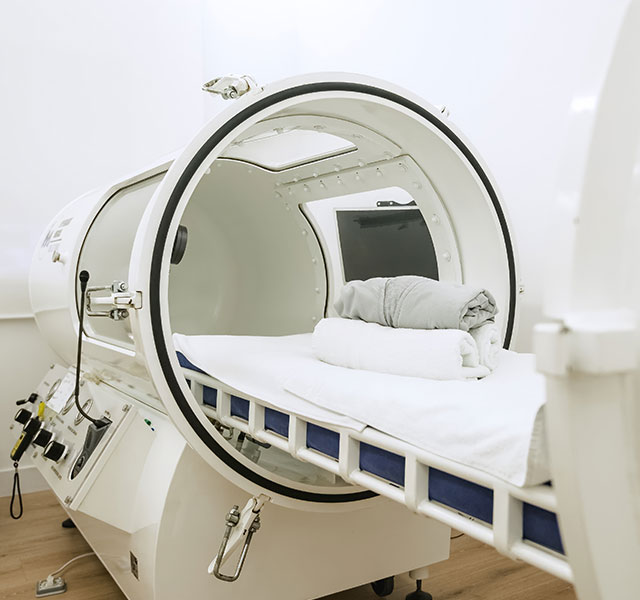
Hyperbaric Oxygen Therapy (HBOT) is a treatment in which a person breathes 100% pure oxygen in a pressurized hyperbaric chamber. This environment increases the amount of dissolved oxygen in the blood, accelerating healing and supporting recovery in conditions where oxygen delivery to tissues is reduced or compromised.
HBOT increases oxygen saturation in blood plasma, enhances tissue repair through angiogenesis and collagen synthesis, and reduces inflammation—particularly beneficial for post-radiation tissue injury.
What Is
How HBOT Helps the Body Heal
Under high pressure, HBOT delivers therapeutic benefits through multiple mechanisms:
Increases oxygen saturation: More oxygen dissolves in plasma, improving delivery to tissues with limited blood supply
Promotes cell repair: Stimulates angiogenesis, collagen synthesis, and stem cell activity
Decreases inflammation: Reduces oxidative stress and inflammatory cytokines, minimizing pain and swelling
Enhances healing: Particularly beneficial for cancer survivors with post-radiation tissue injury
What Is
Approved & Clinical Uses
HBOT is FDA-approved or clinically accepted for several conditions:
Chronic non-healing diabetic wounds
Radiation tissue damage (osteoradionecrosis, radiation cystitis, proctitis)
Carbon monoxide poisoning
Gas gangrene and necrotizing soft tissue infections
Air or gas embolism
Skin grafts and flaps at risk of failure
Severe anemia and tissue crush injuries
What Is
What Conditions HBOT Can Help Treat
HBOT enhances oxygen delivery to tissues deprived of adequate blood flow or damaged by:
Non-healing and diabetic wounds
Radiation-induced soft tissue or bone injury (post-cancer radiation therapy)
Carbon monoxide poisoning
Soft tissue repair and post-surgical healing
Immune enhancement and infection control
Benefits of HBOT
Improves tissue oxygenation and cellular metabolism
Enhances wound healing and post-radiation recovery
Reduces inflammation and infection risk
Stimulates new blood vessel (angiogenesis) formation
Strengthens immune function and accelerates tissue repair
Reduces fatigue and increases overall energy, especially for cancer survivors
Types of HBOT Chambers
Monoplace Hyperbaric Oxygen Unit
Designed for one patient. A transparent acrylic tube that provides pressurization using 100% oxygen in a quiet, controlled environment for individualized sessions.
Multiplace or Mild Hyperbaric Oxygen Unit
Can treat multiple patients simultaneously. Pressurized with air while patients inhale oxygen through masks. Some wellness centers use mild HBOT chambers (around 1.3 ATA pressure).
What Is
Risks, Side Effects & Safety
While HBOT is generally safe when performed by trained professionals, some temporary effects may occur:
Common Side Effects:
Ear discomfort or middle ear barotrauma due to pressure changes
Temporary myopia (nearsightedness)
Mild fatigue or lightheadedness after sessions
Rare complications include oxygen toxicity or lung barotrauma if procedure isn't properly managed. Risks are minimized through slow pressurization, rigorous monitoring, and adherence to safety protocols.
What Is
Who Should Avoid HBOT?
HBOT may be contraindicated for individuals with:
Untreated pneumothorax
Severe chronic obstructive pulmonary disease
Certain active ear or sinus infections
Uncontrolled fever or recent ear surgery
HBOT Results & Success Rate
The success of HBOT depends on the underlying condition and number of sessions prescribed. Most patients report:
Faster wound healing
Reduced swelling and improved tissue oxygenation
Better recovery from radiation-induced tissue damage
Enhanced energy levels and reduced discomfort
Studies show 70–90% success rates for approved indications such as radiation tissue injury and chronic non-healing wounds.
What Is
What Factors Influence HBOT Pricing?
HBOT pricing can vary depending on:
Number of sessions required (typically 10–40)
Condition being treated and individual response to therapy
Type of chamber used (monoplace vs. multiplace)
Session duration and oxygen concentration
Facility infrastructure and level of medical monitoring
What Is
Why Choose Everhope for HBOT?
Safety Protocols & Monitoring
Each session follows international treatment guidelines with comprehensive monitoring to ensure patient comfort and safety throughout therapy.
Advanced HBOT Chambers
Hyperbaric units are equipped with modern pressurization control systems, oxygen purity verification tools, and ergonomic interiors designed for safe, comfortable, and effective treatment.
Frequently Asked Questions
Q1. How long does each HBOT session last?
Each session typically lasts 60 to 90 minutes, depending on the medical protocol.
Q2. How many sessions are needed?
Most patients require 10 to 40 sessions, depending on the condition and treatment response.
Q3. Does HBOT hurt?
No. HBOT is non-invasive and painless. You may feel mild ear pressure similar to what occurs during air travel.
Q4. Can cancer patients receive HBOT?
Yes. Under medical supervision, HBOT can help manage radiation-induced tissue damage, support wound healing, and improve post-therapy recovery.
Q5. Are there precautions after treatment?
Most patients can resume normal activities immediately after each session. Some may feel mild dizziness or fatigue, which resolves quickly.
Get started with this program
+918929672099
Call Us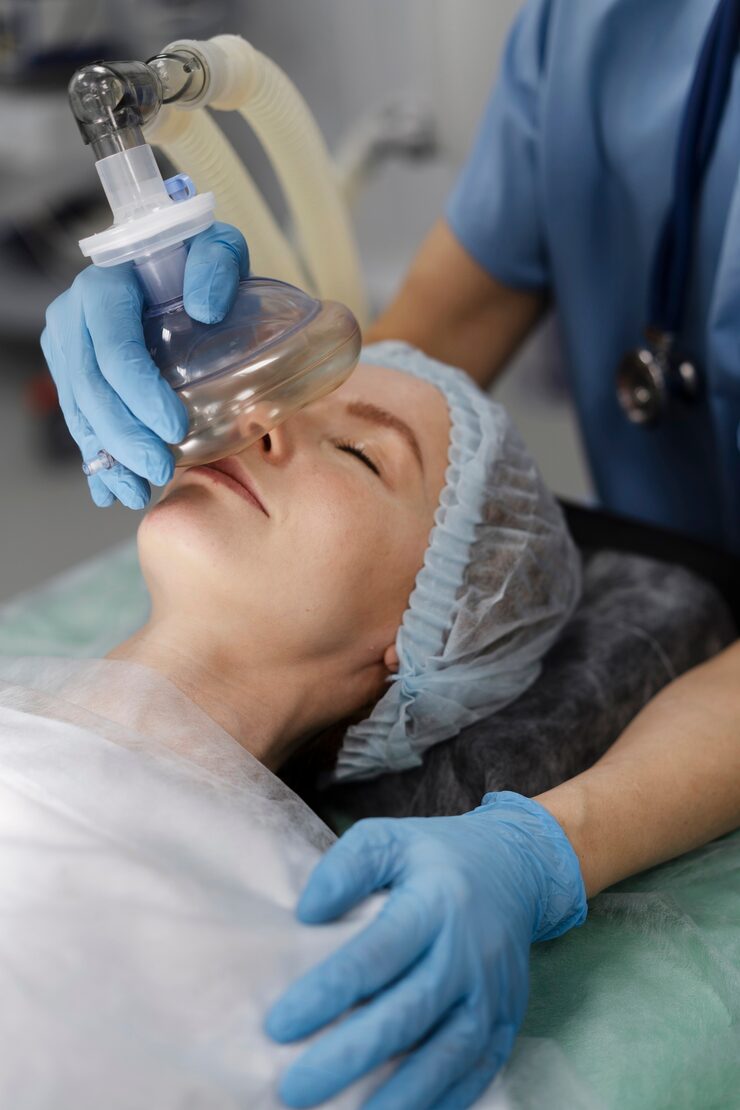
What Is
Hyperbaric Oxygen Therapy?
Hyperbaric Oxygen Therapy (HBOT) is a treatment in which a person breathes 100% pure oxygen in a pressurized hyperbaric chamber. This environment increases the amount of dissolved oxygen in the blood, accelerating healing and supporting recovery in conditions where oxygen delivery to tissues is reduced or compromised.
HBOT increases oxygen saturation in blood plasma, enhances tissue repair through angiogenesis and collagen synthesis, and reduces inflammation—particularly beneficial for post-radiation tissue injury.
What Is
How HBOT Helps the Body Heal
Under high pressure, HBOT delivers therapeutic benefits through multiple mechanisms:
Increases oxygen saturation: More oxygen dissolves in plasma, improving delivery to tissues with limited blood supply
Promotes cell repair: Stimulates angiogenesis, collagen synthesis, and stem cell activity
Decreases inflammation: Reduces oxidative stress and inflammatory cytokines, minimizing pain and swelling
Enhances healing: Particularly beneficial for cancer survivors with post-radiation tissue injury
Approved & Clinical Uses
HBOT is FDA-approved or clinically accepted for several conditions:
Chronic non-healing diabetic wounds
Radiation tissue damage (osteoradionecrosis, radiation cystitis, proctitis)
Carbon monoxide poisoning
Gas gangrene and necrotizing soft tissue infections
Air or gas embolism
Skin grafts and flaps at risk of failure
Severe anemia and tissue crush injuries
What Conditions HBOT Can Help Treat
HBOT enhances oxygen delivery to tissues deprived of adequate blood flow or damaged by:
Non-healing and diabetic wounds
Radiation-induced soft tissue or bone injury (post-cancer radiation therapy)
Carbon monoxide poisoning
Soft tissue repair and post-surgical healing
Immune enhancement and infection control
Benefits of HBOT
Hyperbaric Oxygen Therapy promotes healing by delivering highly concentrated oxygen through several clinical pathways:
Improves tissue oxygenation and cellular metabolism
Enhances wound healing and post-radiation recovery
Reduces inflammation and infection risk
Stimulates new blood vessel (angiogenesis) formation
Strengthens immune function and accelerates tissue repair
Reduces fatigue and increases overall energy, especially for cancer survivors
Types of HBOT Chambers
Monoplace Hyperbaric Oxygen Unit
Designed for one patient. A transparent acrylic tube that provides pressurization using 100% oxygen in a quiet, controlled environment for individualized sessions.
Multiplace or Mild Hyperbaric Oxygen Unit
Can treat multiple patients simultaneously. Pressurized with air while patients inhale oxygen through masks. Some wellness centers use mild HBOT chambers (around 1.3 ATA pressure).
Risks, Side Effects
& Safety
& Safety
While HBOT is generally safe when performed by trained professionals, some temporary effects may occur:
Common Side Effects:
Ear discomfort or middle ear barotrauma due to pressure changes
Temporary myopia (nearsightedness)
Mild fatigue or lightheadedness after sessions
Your safety and medical alignment are always the highest priority.
Who Should Avoid HBOT?
HBOT may be contraindicated for individuals with:
Contraindications:
Untreated pneumothorax
Severe chronic obstructive pulmonary disease
Certain active ear or sinus infections
Uncontrolled fever or recent ear surgery
HBOT Results & Success Rate
The success of HBOT depends on the underlying condition and number of sessions prescribed. Most patients report:
Typical Results:
Faster wound healing
Reduced swelling and improved tissue oxygenation
Better recovery from radiation-induced tissue damage
Enhanced energy levels and reduced discomfort
Studies show 70–90% success rates for approved indications such as radiation tissue injury and chronic non-healing wounds.
What Factors Influence HBOT Pricing?
HBOT pricing can vary depending on:
Number of sessions required (typically 10–40)
Condition being treated and individual response to therapy
Type of chamber used (monoplace vs. multiplace)
Session duration and oxygen concentration
Facility infrastructure and level of medical monitoring
Why Choose Everhope for HBOT?
Safety Protocols & Monitoring
Each session follows international treatment guidelines with comprehensive monitoring to ensure patient comfort and safety throughout therapy.
Advanced HBOT Chambers
Hyperbaric units are equipped with modern pressurization control systems, oxygen purity verification tools, and ergonomic interiors designed for safe, comfortable, and effective treatment.
Frequently Asked Questions
Q1. How long does each HBOT session last?
Each session typically lasts 60 to 90 minutes, depending on the medical protocol.
Q2. How many sessions are needed?
Most patients require 10 to 40 sessions, depending on the condition and treatment response.
Q3. Does HBOT hurt?
No. HBOT is non-invasive and painless. You may feel mild ear pressure similar to what occurs during air travel.
Q4. Can cancer patients receive HBOT?
Yes. Under medical supervision, HBOT can help manage radiation-induced tissue damage, support wound healing, and improve post-therapy recovery.
Q5. Are there precautions after treatment?
Most patients can resume normal activities immediately after each session. Some may feel mild dizziness or fatigue, which resolves quickly.
Ready to take control of your health?
Choose your cancer-specific panel and get started today
Get started with this program