+918929672099
Call Us
Intravenous Nutrition Therapy (IV Nutrition)
"Direct nutrient delivery to restore vitality, enhance recovery, and support immune function."
Get started with this program

Designed Exclusively for Cancer Patients
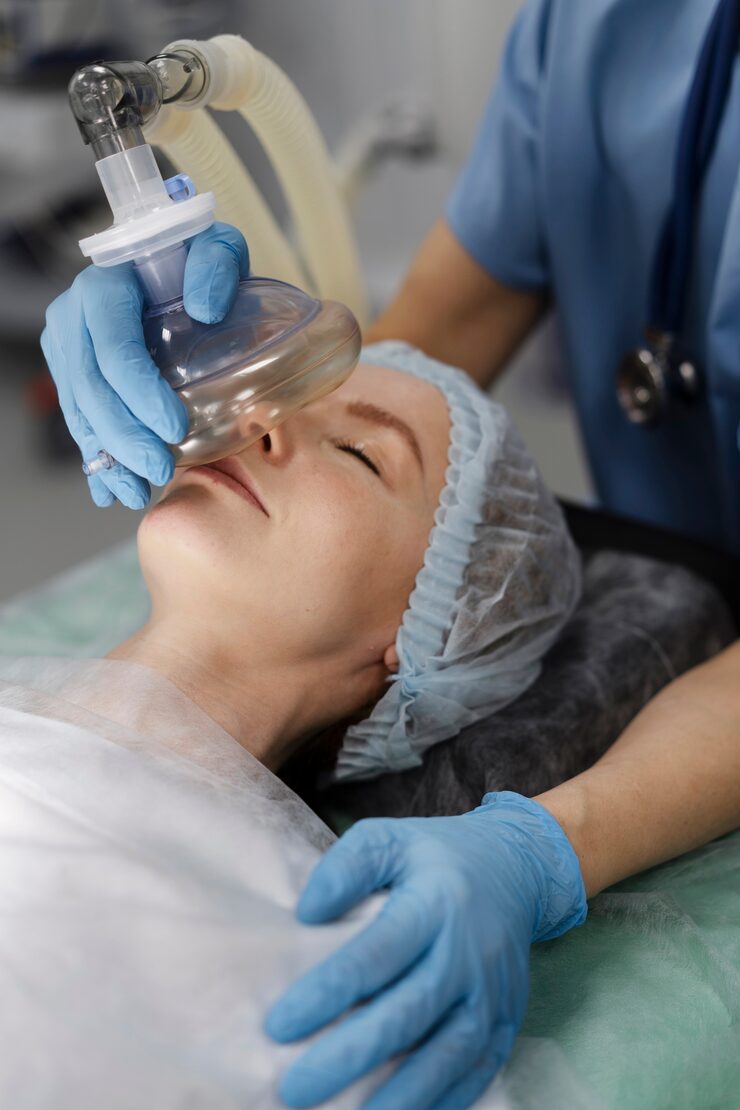
What Is
Intravenous Nutrition Therapy?
Intravenous Nutrition Therapy (IV Nutrition Therapy) is a medical procedure where essential nutrients such as vitamins, minerals, amino acids, and antioxidants are directly administered into the bloodstream via an intravenous (IV) drip. This process bypasses the digestive tract, allowing quick and complete absorption of nutrients that help in hydration, immune modulation, and cellular repair.
IV nutrition therapy delivers a personalized blend of nutrients directly into circulation, where cells can instantly use them for energy production, repair, detoxification, and recovery.
How IV Nutrition Works
IV nutrition therapy delivers a personalized blend of nutrients directly into circulation, where cells can instantly use them for energy production, repair, detoxification, and recovery. Because the digestive system is bypassed, nutrient absorption is optimized—even in patients suffering from poor appetite, nausea, or malabsorption, which are common challenges during cancer treatment.
Intravenous Nutrition Therapy and Cancer Care
Role of IV Nutrition in Oncology Patients
Cancer and its treatments can significantly affect nutrient intake and absorption. IV nutrition therapy helps restore nutritional balance, enhances metabolic efficiency, and reduces treatment-related side effects by replenishing essential nutrients required for recovery and immune defense.
Managing Weakness, Fatigue, and Dehydration
Dehydration and fatigue are common among patients undergoing chemotherapy or radiation. IV nutrition therapy restores fluids, electrolytes, B vitamins, and amino acids, improving hydration, metabolism, and energy levels while reducing post-treatment weakness.
Supporting Recovery During Chemotherapy and Radiation Therapy
Chemotherapy and radiation often cause oxidative stress and nutrient depletion. IV nutrition delivers antioxidants such as vitamin C and glutathione, which help reduce toxicity, support tissue repair, and restore vitality in patients recovering from or undergoing cancer therapy.
Key Uses of Intravenous Nutrition Therapy
Restoring hydration and electrolyte balance
Providing essential vitamins and minerals for tissue repair
Improving energy levels and aiding recovery after treatment or surgery
Enhancing immune defense and antioxidant protection
Supporting metabolic function in oncology and chronic illness patients
Benefits of Intravenous Nutrition Therapy
Immediate Absorption
Since IV therapy bypasses the digestive system, nutrients are available instantly for cellular use. This is particularly beneficial for patients who have poor oral intake due to appetite loss, nausea, or gastrointestinal complications.
Enhanced Energy and Well-Being
IV-infused nutrients replenish cellular energy stores such as B vitamins and amino acids, improving energy metabolism, mental alertness, and overall vitality, especially for cancer patients or those recovering from illness.
Immune System Boost
Intravenous vitamins such as Vitamin C, Zinc, and Selenium enhance immune function by stimulating white blood cells and reducing inflammation. Antioxidant infusions further help protect tissues from oxidative stress caused by illness or cancer treatment.
Faster Recovery From Illness or Fatigue
IV therapy accelerates recovery, wound healing, and tissue regeneration, helping patients overcome weakness or fatigue after surgery, prolonged illness, chemotherapy, or radiation therapy.
Hydration and Electrolyte Balance
IV drips more effectively restore fluid and electrolyte balance than oral rehydration, improving overall circulation and cellular function in patients suffering from dehydration or chronic fatigue.
Risks and Considerations
Although relatively safe when administered by medical professionals in a sterile setting, IV nutrition therapy carries a few potential risks:
Infection at the IV insertion site
Vein irritation or phlebitis
Electrolyte imbalances with improper formulation
Fluid overload in patients with kidney or cardiac conditions
Allergic reactions to specific nutrient components
All IV formulations at Everhope Oncology are individualized and clinically monitored to ensure safety, compatibility, and optimal results in alignment with a patient's treatment plan.
Types of IV Nutrition Therapies Offered at Everhope
At Everhope Oncology, IV nutrition therapies are customized according to each cancer patient's medical needs and recovery goals. Common formulations include:
Available IV Nutrition Formulations:
Hydration and Electrolyte Balancing Infusions – restore hydration and energy levels
Vitamin & Micronutrient Replenishment IVs – deliver personalized combinations of vitamins and minerals
High-Dose Vitamin C Infusion – provides antioxidant support during or after cancer therapy
Amino Acid & Immune Support Infusions – promote tissue healing, muscle repair, and immune strength
Detox & Antioxidant Formulas – reduce oxidative stress and support cellular regeneration
All IV infusions at Everhope are administered under doctor supervision, using pharmaceutical-grade nutrients and calibrated infusion systems that ensure precision, comfort, and safety.
Frequently Asked Questions
Q1. How long does an IV nutrition session take?
An average session lasts 45 to 90 minutes, depending on the specific type of infusion prescribed.
Q2. How many sessions are typically needed?
This depends on the condition and goals. Generally, the treating physician may recommend weekly or bi-weekly sessions for sustained therapeutic benefit.
Q3. Can IV nutrition therapy be used safely in cancer patients?
Yes. Under medical supervision, IV nutrition is safely used alongside cancer treatments to improve hydration, energy, and antioxidant levels without interfering with standard therapies.
Q4. Will I feel results immediately after treatment?
Most patients notice improved hydration and energy within hours, while continued sessions lead to longer-lasting improvements in wellness and strength.
Q5. Does IV therapy replace oral nutrition?
No. IV therapy is a complementary treatment, not a replacement for a balanced diet. It supports recovery and maintains proper nutrient levels when oral intake is limited.
Ready to take control of your health?
Choose your cancer-specific panel and get started today
Get started with this program
+918929672099
Call UsIntravenous Nutrition Therapy (IV Nutrition)
"Direct nutrient delivery to restore vitality, enhance recovery, and support immune function."
Personalized for Women cancer care
What Is
Intravenous Nutrition Therapy?
Intravenous Nutrition Therapy (IV Nutrition Therapy) is a medical procedure where essential nutrients such as vitamins, minerals, amino acids, and antioxidants are directly administered into the bloodstream via an intravenous (IV) drip. This process bypasses the digestive tract, allowing quick and complete absorption of nutrients that help in hydration, immune modulation, and cellular repair.
IV nutrition therapy delivers a personalized blend of nutrients directly into circulation, where cells can instantly use them for energy production, repair, detoxification, and recovery.
How IV Nutrition Works
IV nutrition therapy delivers a personalized blend of nutrients directly into circulation, where cells can instantly use them for energy production, repair, detoxification, and recovery. Because the digestive system is bypassed, nutrient absorption is optimized—even in patients suffering from poor appetite, nausea, or malabsorption, which are common challenges during cancer treatment.
Intravenous Nutrition Therapy and Cancer Care
Role of IV Nutrition in Oncology Patients
Cancer and its treatments can significantly affect nutrient intake and absorption. IV nutrition therapy helps restore nutritional balance, enhances metabolic efficiency, and reduces treatment-related side effects by replenishing essential nutrients required for recovery and immune defense.
Managing Weakness, Fatigue, and Dehydration
Dehydration and fatigue are common among patients undergoing chemotherapy or radiation. IV nutrition therapy restores fluids, electrolytes, B vitamins, and amino acids, improving hydration, metabolism, and energy levels while reducing post-treatment weakness.
Supporting Recovery During Chemotherapy and Radiation Therapy
Chemotherapy and radiation often cause oxidative stress and nutrient depletion. IV nutrition delivers antioxidants such as vitamin C and glutathione, which help reduce toxicity, support tissue repair, and restore vitality in patients recovering from or undergoing cancer therapy.
Key Uses of Intravenous Nutrition Therapy
Restoring hydration and electrolyte balance
Providing essential vitamins and minerals for tissue repair
Improving energy levels and aiding recovery after treatment or surgery
Enhancing immune defense and antioxidant protection
Supporting metabolic function in oncology and chronic illness patients
Benefits of Intravenous Nutrition Therapy
Immediate Absorption
Since IV therapy bypasses the digestive system, nutrients are available instantly for cellular use. This is particularly beneficial for patients who have poor oral intake due to appetite loss, nausea, or gastrointestinal complications.
Enhanced Energy and Well-Being
IV-infused nutrients replenish cellular energy stores such as B vitamins and amino acids, improving energy metabolism, mental alertness, and overall vitality, especially for cancer patients or those recovering from illness.
Immune System Boost
Intravenous vitamins such as Vitamin C, Zinc, and Selenium enhance immune function by stimulating white blood cells and reducing inflammation. Antioxidant infusions further help protect tissues from oxidative stress caused by illness or cancer treatment.
Faster Recovery From Illness or Fatigue
IV therapy accelerates recovery, wound healing, and tissue regeneration, helping patients overcome weakness or fatigue after surgery, prolonged illness, chemotherapy, or radiation therapy.
Hydration and Electrolyte Balance
IV drips more effectively restore fluid and electrolyte balance than oral rehydration, improving overall circulation and cellular function in patients suffering from dehydration or chronic fatigue.
Risks and Considerations
Although relatively safe when administered by medical professionals in a sterile setting, IV nutrition therapy carries a few potential risks:
Infection at the IV insertion site
Vein irritation or phlebitis
Electrolyte imbalances with improper formulation
Fluid overload in patients with kidney or cardiac conditions
Allergic reactions to specific nutrient components
All IV formulations at Everhope Oncology are individualized and clinically monitored to ensure safety, compatibility, and optimal results in alignment with a patient's treatment plan.
Types of IV Nutrition Therapies Offered at Everhope
At Everhope Oncology, IV nutrition therapies are customized according to each cancer patient's medical needs and recovery goals. Common formulations include:
Available IV Nutrition Formulations:
Hydration and Electrolyte Balancing Infusions – restore hydration and energy levels
Vitamin & Micronutrient Replenishment IVs – deliver personalized combinations of vitamins and minerals
High-Dose Vitamin C Infusion – provides antioxidant support during or after cancer therapy
Amino Acid & Immune Support Infusions – promote tissue healing, muscle repair, and immune strength
Detox & Antioxidant Formulas – reduce oxidative stress and support cellular regeneration
All IV infusions at Everhope are administered under doctor supervision, using pharmaceutical-grade nutrients and calibrated infusion systems that ensure precision, comfort, and safety.
FAQs
Q1. How long does an IV nutrition session take?
An average session lasts 45 to 90 minutes, depending on the specific type of infusion prescribed.
Q2. How many sessions are typically needed?
This depends on the condition and goals. Generally, the treating physician may recommend weekly or bi-weekly sessions for sustained therapeutic benefit.
Q3. Can IV nutrition therapy be used safely in cancer patients?
Yes. Under medical supervision, IV nutrition is safely used alongside cancer treatments to improve hydration, energy, and antioxidant levels without interfering with standard therapies.
Q4. Will I feel results immediately after treatment?
Most patients notice improved hydration and energy within hours, while continued sessions lead to longer-lasting improvements in wellness and strength.
Q5. Does IV therapy replace oral nutrition?
No. IV therapy is a complementary treatment, not a replacement for a balanced diet. It supports recovery and maintains proper nutrient levels when oral intake is limited.
Get started with this program