


















Call Us
Targeted Therapy TreatmentTargeted Therapy Treatment

Advanced Targeted Therapy for Cancer Patients

Advanced Targeted Therapy for Cancer Patients

What is Targeted Therapy?

What is Targeted Therapy?

Targeted therapy explanation

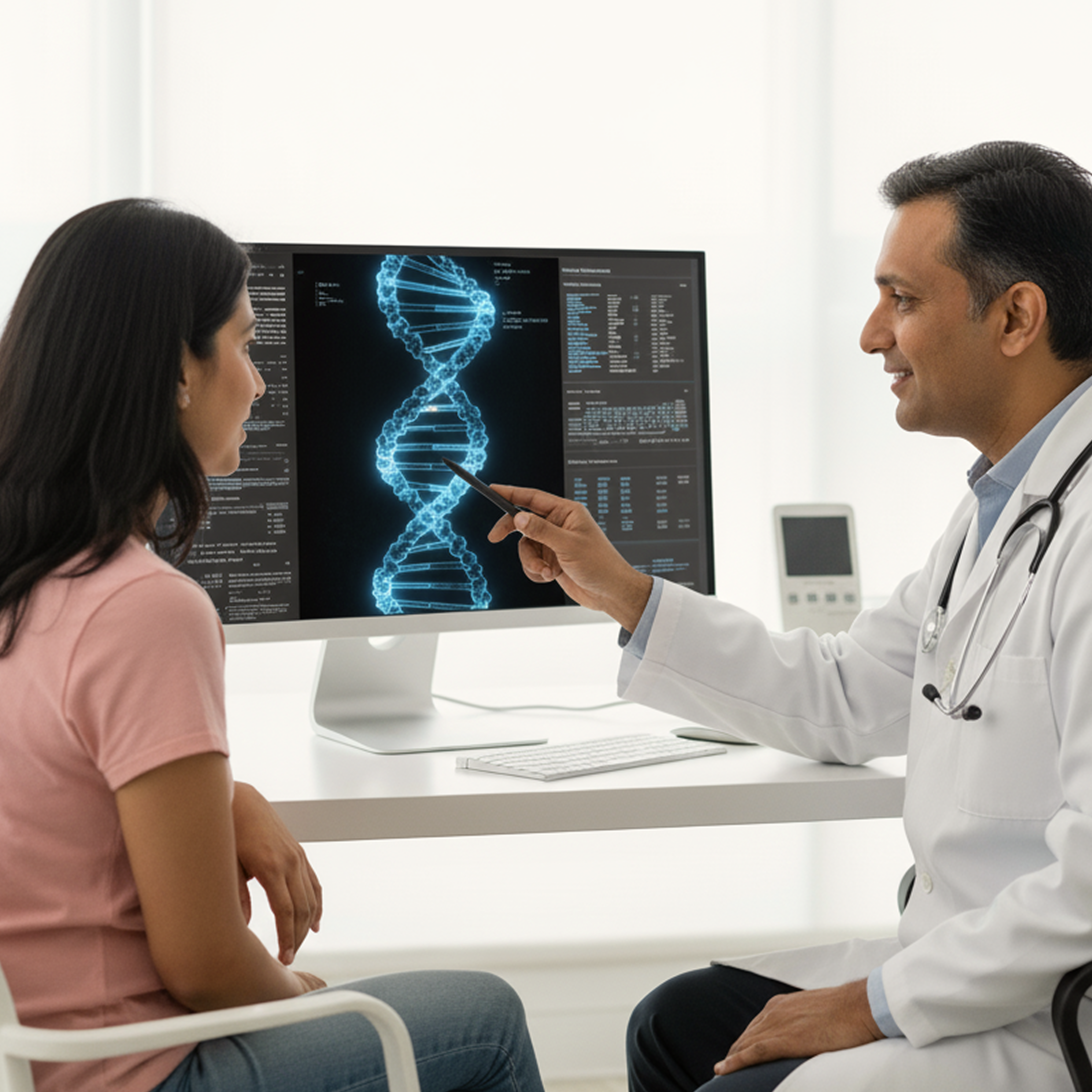
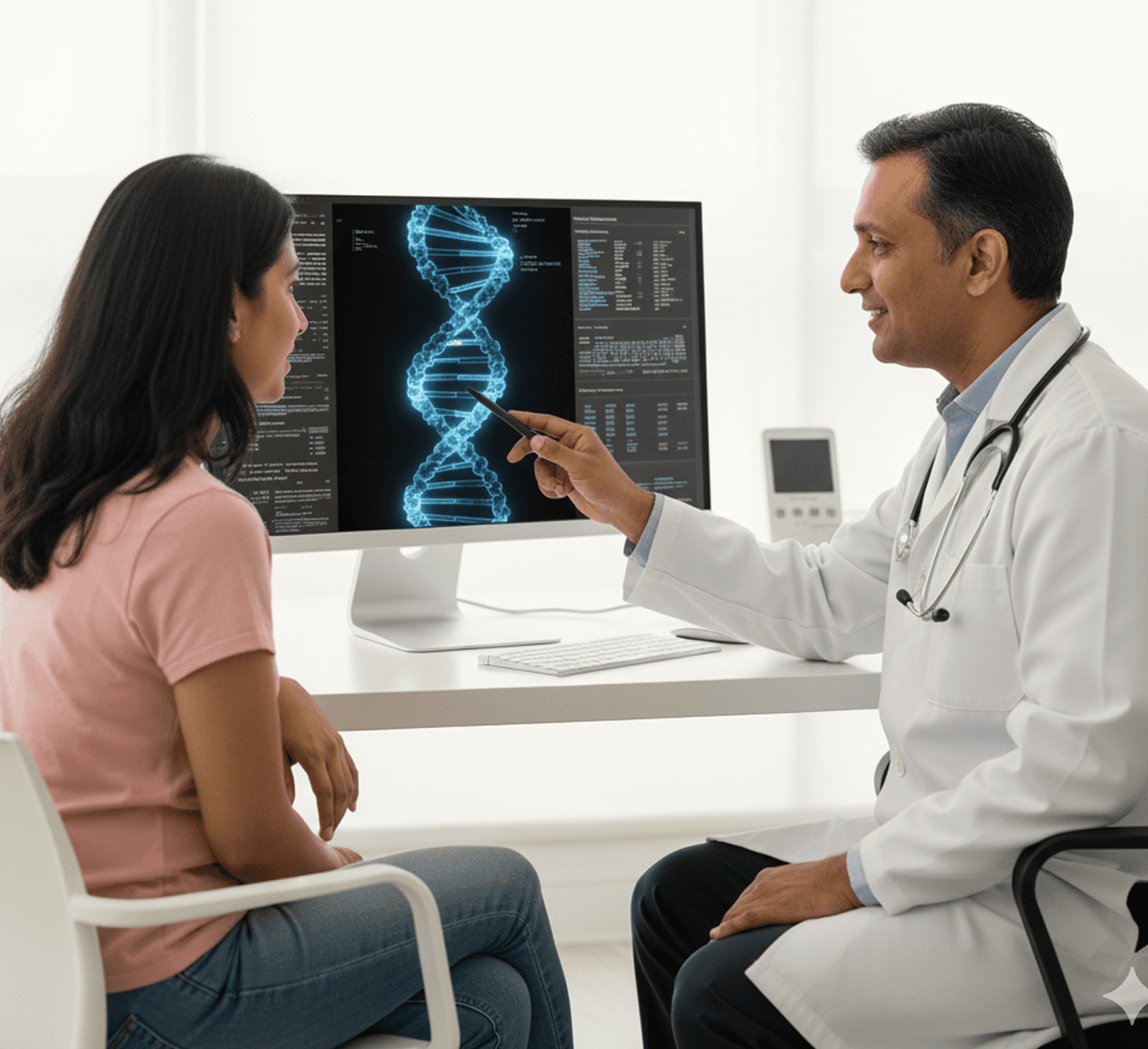
Targeted therapy is precision medicine that uses drugs designed to stop specific molecules from helping cancer grow and spread by focusing on targets found primarily in cancer cells, such as certain proteins or genes.

Targeted therapy meaning - unlike chemotherapy which attacks all rapidly dividing cells, targeted therapy specifically aims at cancer cells carrying particular molecular targets.

The drugs used in targeted therapy for cancer treatment are carefully selected based on molecular testing that identifies specific genetic mutations, protein expressions, or other biomarkers present in the cancer cells.

Targeted therapy explanation

Targeted therapy is precision medicine that uses drugs designed to stop specific molecules from helping cancer grow and spread by focusing on targets found primarily in cancer cells, such as certain proteins or genes.

Types of Targeted Therapy for Cancer

Types of Targeted Therapy for Cancer

Understanding the different types of targeted therapy helps patients make informed treatment decisions.

Understanding the different types of targeted therapy helps patients make informed treatment decisions.

Large protein molecules created in laboratories that work outside cancer cells. They attach to specific targets on cancer cell surfaces, acting like precision-guided missiles (e.g., trastuzumab for HER2+ breast cancer, rituximab for lymphomas, cetuximab for colorectal cancer).

Small molecules that penetrate cell membranes to target cancer cells from within. Tyrosine kinase inhibitors block enzymes signaling cells to divide and grow (e.g., imatinib for CML, erlotinib for lung cancer, vemurafenib for melanoma).

Cancers treated with Targeted Therapy

Cancers treated with Targeted Therapy

Targeted therapy is applicable to many cancers with identifiable molecular targets. Some examples are given below:

Targeted therapy is applicable to many cancers with identifiable molecular targets. Some examples are given below:

Chronic Myeloid Leukemia icon

Chronic Myeloid Leukemia

Chronic myeloid leukemia treatment has been revolutionized by targeted therapy, particularly imatinib and newer tyrosine kinase inhibitors, achieving long-term disease control and near-normal life expectancy for most patients.

Prostate Cancer icon

Prostate Cancer

Prostate cancer targeted therapy includes hormone-targeting agents and PARP inhibitors for patients with specific genetic mutations, offering personalized treatment options for advanced disease.

Thyroid Cancer icon

Thyroid Cancer

Thyroid cancer treatment benefits from targeted therapies that inhibit specific molecular pathways, particularly for advanced or radioactive iodine-resistant disease.

Pancreatic Cancer icon

Pancreatic Cancer

Pancreatic cancer targeted therapy includes treatments for patients with specific genetic alterations, offering hope for improved outcomes in this challenging disease.

Ovarian Cancer icon

Ovarian Cancer

Ovarian cancer treatment incorporates targeted therapies including PARP inhibitors for patients with BRCA mutations and other targeted agents based on molecular profiling.

Gastrointestinal Stromal Tumors (GIST) icon

Gastrointestinal Stromal Tumors (GIST)

GIST treatment represents one of the earliest successes of targeted therapy, with imatinib and other tyrosine kinase inhibitors providing long-term disease control for most patients.

Brain Tumors (Glioblastoma) icon

Brain Tumors (Glioblastoma)

Brain tumor targeted therapy includes treatments targeting specific molecular pathways, offering personalized approaches for glioblastoma and other brain cancers.

Multiple Myeloma icon

Multiple Myeloma

Multiple myeloma treatment has been transformed by targeted therapies including proteasome inhibitors and immunomodulatory drugs, significantly improving survival outcomes.

Non-Hodgkin Lymphoma icon

Non-Hodgkin Lymphoma

Non-Hodgkin lymphoma treatment incorporates targeted therapies including monoclonal antibodies and small molecule inhibitors tailored to specific lymphoma subtypes.

Chronic myeloid leukemia treatment has been revolutionized by targeted therapy, particularly imatinib and newer tyrosine kinase inhibitors, achieving long-term disease control and near-normal life expectancy for most patients.

Prostate cancer targeted therapy includes hormone-targeting agents and PARP inhibitors for patients with specific genetic mutations, offering personalized treatment options for advanced disease.

Thyroid cancer treatment benefits from targeted therapies that inhibit specific molecular pathways, particularly for advanced or radioactive iodine-resistant disease.

Pancreatic cancer targeted therapy includes treatments for patients with specific genetic alterations, offering hope for improved outcomes in this challenging disease.

Ovarian cancer treatment incorporates targeted therapies including PARP inhibitors for patients with BRCA mutations and other targeted agents based on molecular profiling.

GIST treatment represents one of the earliest successes of targeted therapy, with imatinib and other tyrosine kinase inhibitors providing long-term disease control for most patients.

Brain tumor targeted therapy includes treatments targeting specific molecular pathways, offering personalized approaches for glioblastoma and other brain cancers.

Multiple myeloma treatment has been transformed by targeted therapies including proteasome inhibitors and immunomodulatory drugs, significantly improving survival outcomes.

Non-Hodgkin lymphoma treatment incorporates targeted therapies including monoclonal antibodies and small molecule inhibitors tailored to specific lymphoma subtypes.

How Targeted Therapy is used with other cancer treatments

Modern cancer treatment increasingly relies on multimodal approaches that combine targeted therapy with other treatment modalities to maximize effectiveness while minimizing side effects.

Targeted Therapy and Surgery combinations have become standard practice in many cancers. When used before surgery (neoadjuvant), targeted therapy can shrink tumors, making surgical removal easier and potentially allowing for less extensive procedures.

Targeted Therapy with Radiation enhances the effectiveness of both treatments. Targeted therapy can make cancer cells more sensitive to radiation, while radiation can enhance the uptake of targeted therapy drugs by tumors.

Targeted Therapy with Immunotherapy represents one of the most exciting developments in modern oncology. The combination can enhance immune system recognition of cancer cells while directly targeting specific molecular pathways.

Targeted Therapy with Chemotherapy combinations can overcome drug resistance mechanisms and provide synergistic effects, as seen in HER2-positive breast cancer treated with targeted therapy plus chemotherapy.

Sequential Treatment Approaches involve using treatments in a planned sequence, such as induction targeted therapy followed by maintenance therapy or consolidation treatment.

Who Needs Targeted Therapy?

Who Needs Targeted Therapy?

Selection depends on tumor characteristics

Targeted therapy works for cancers carrying specific molecular targets that medications can attack. Presence of these targets predicts likely response and is confirmed through testing.

Patient eligibility and testing

Comprehensive molecular testing analyzes tumor samples for mutations, proteins, or gene rearrangements. Methods include IHC, FISH, and next‑generation sequencing to identify actionable targets.

What to Expect During Targeted Therapy?

Understanding the targeted therapy process helps reduce anxiety and enables patients to prepare effectively for treatment. The experience varies depending on the specific drugs used, treatment schedule, and individual patient factors.

Treatment Scheduling & Duration
Duration varies widely by cancer type and goals—from months to years or indefinitely. Some (e.g., imatinib for CML) are taken long‑term; others (e.g., trastuzumab) for defined courses. Treatment schedules are personalized based on the specific drug, cancer type, and individual response to therapy.
Modes of Administration (IV, Oral)
Most drugs are given intravenously or orally. Monoclonal antibodies typically require IV infusions lasting one to several hours; oral agents are taken at home. The administration method depends on the specific medication and is determined by your oncology team based on the treatment plan.
How We Monitor Your Progress
Monitoring includes blood tests to check organ function and tumor markers, imaging (CT/MRI/PET) to assess response every 2–3 months initially, and regular clinical evaluations. This comprehensive monitoring ensures treatment effectiveness and early detection of any side effects.

Benefits of Targeted Therapy

Understanding the potential benefits of targeted therapy helps patients make informed decisions about precision medicine treatment options.

Higher Precision and Lower Harm

Higher Precision and Lower Harm

Targets specific abnormalities in cancer cells while sparing healthy tissues. Typically fewer complications like severe nausea, hair loss, or immune suppression compared to chemotherapy. This precision approach means patients often experience better quality of life during treatment while maintaining their daily activities.

Improved Survival for Certain Cancers

Improved Survival for Certain Cancers

Transformative outcomes in diseases like CML (imatinib) and HER2‑positive breast cancer (trastuzumab), with significant survival gains in EGFR‑mutated lung cancer and BRAF‑mutated melanoma. These targeted treatments have revolutionized care for specific cancer subtypes, turning previously fatal diseases into manageable chronic conditions.

Side Effects of Targeted Therapy

Side Effects of Targeted Therapy

While typically better tolerated than chemotherapy, targeted therapy has unique side effects related to blocking specific proteins.

Skin problems

Skin problems

EGFR‑targeted drugs often cause acne‑like rashes on face, chest, and back; usually managed with gentle skin care and topical/oral medications.

Diarrhea

Diarrhea

Ranges from mild to severe; hydration, diet changes, and anti‑diarrheals are effective in most cases.

Fatigue

Fatigue

Common but often less severe than chemotherapy‑related fatigue.

High blood pressure & liver changes

High blood pressure & liver changes

Some agents elevate blood pressure; others change liver tests. Routine monitoring enables early management.

Targeted Therapy at Everhope

Targeted Therapy at Everhope

Why Choose Everhope for Targeted Therapy?

Why Choose Everhope for Targeted Therapy?

  • Everhope Oncology delivers comprehensive targeted therapy services that combine advanced molecular testing with precision medicine expertise, positioning itself among providers of the best targeted therapy in India. Our state-of-the-art facilities create a comfortable, safe environment for treatment administration while our personalized approach evaluates each patient's unique situation, including cancer type, molecular profile, and treatment goals.
  • Our experienced medical team, led by Dr. Sunny Garg with over 16 years of oncology experience, ensures expert care based on current evidence and best practices. This expertise makes Everhope a leading choice for patients seeking targeted therapy in Gurgaon. We offer same-day appointments and flexible scheduling to reduce treatment delays, understanding that cancer diagnosis creates urgency and requires prompt, comprehensive care that addresses both medical and emotional needs.


Integrative & Personalized Oncology Team

Integrative & Personalized Oncology Team

  • Our multidisciplinary team combines medical oncologists, and nutritionists to provide coordinated, comprehensive cancer care tailored to each patient's specific needs. Dr. Manjari Chandra brings over 27 years of oncology nutrition expertise, helping patients maintain strength and immune function during treatment.
  • Understanding that targeted therapy price considerations impact treatment decisions, our financial counseling team provides transparent cost information and explores management options including zero-cost EMI and comprehensive insurance support.
  • Our integrative oncology approach combines conventional treatments with evidence-based complementary therapies such as nutritional support and stress management techniques to enhance treatment effectiveness while providing emotional and psychological support throughout the cancer treatment journey.

Related Therapies and Packages

Related Therapies and Packages

  • Chemotherapy options complement targeted therapy by providing broader systemic treatment when needed. These precision medicines can be used alone or in combination with targeted therapy to improve outcomes while potentially reducing side effects. Everhope offers comprehensive molecular testing to identify patients who may benefit from targeted therapies.
  • Immunotherapy treatments harness the body's immune system to fight cancer, representing one of the most exciting advances in modern oncology. These therapies can be combined with targeted therapy in selected patients to enhance treatment effectiveness.
  • Hormonal Therapy uses medicines to block or lower hormone levels, slowing or stopping the growth of hormone-dependent cancers like breast and prostate.

FAQs on Targeted Therapy

No question is too small when it comes to your care

Anywhere from a few months to years or indefinitely depending on cancer type and treatment goals. Some people remain on targeted therapy long‑term; others receive it for a defined time.
A cure is less likely in stage 4 disease, but targeted therapy can significantly improve disease control and survival. Some patients achieve long‑term remissions; many require ongoing therapy.
Yes. Testing identifies specific mutations, proteins, or gene rearrangements indicating which targeted therapies are likely to be effective.
Frequently combined with chemotherapy, immunotherapy, radiation, or surgery to enhance effectiveness. Many protocols now use these combinations as standard practice.
Most targeted therapies cause minimal physical pain. Oral medications involve no discomfort beyond swallowing pills; IV infusions may cause brief discomfort from IV insertion.
Contact Everhope Oncology through our website or call our centers in Gurgaon and other locations for consultation. We provide prompt appointments, comprehensive molecular testing, and personalized recommendations.