



+917795060087
Call Us

Thyroid Cancer
What is Thyroid Cancer?
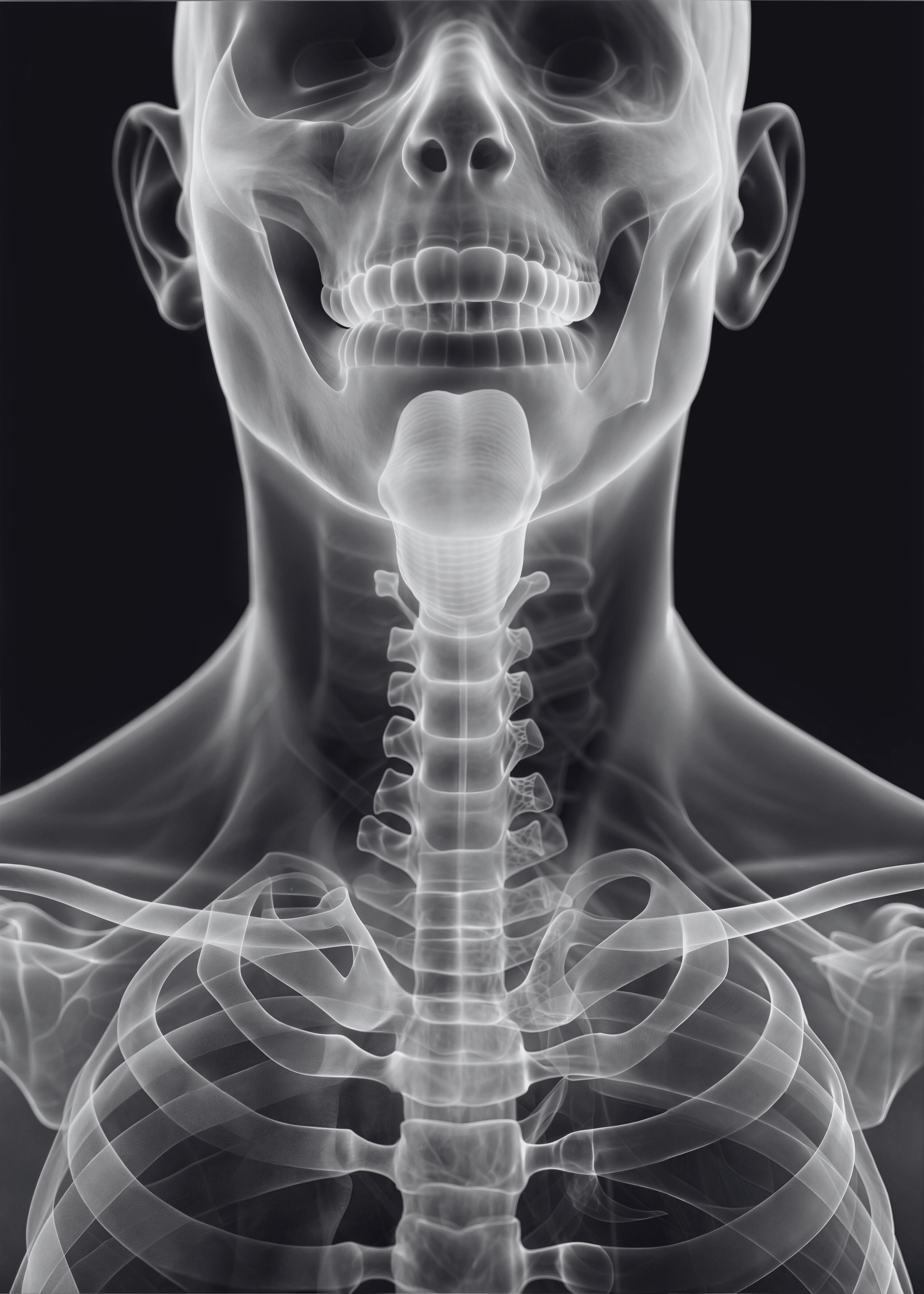
Thyroid cancer begins in the thyroid gland at the base of the neck, which regulates metabolism and hormones. Most types are highly treatable, especially when caught early, with excellent survival rates.
Thyroid Cancer Types
Papillary Thyroid Carcinoma
•More aggressive than papillary, with potential to spread to lungs or bones. Typically occurs in older adults and requires surgery plus radioactive iodine for best outcomes.
Follicular Thyroid Carcinoma
•Occurs in bones or soft tissues around the bones. Frequent in children and young adults. Frequently occurs in the pelvis, legs, and ribs.
Medullary Thyroid Carcinoma
•A rarer type originating from C cells, often linked to inherited genetic mutations. It doesn’t respond to radioactive iodine and needs surgery, genetic testing, and sometimes targeted therapy.
Anaplastic Thyroid Carcinoma
•A rare and aggressive cancer that grows and spreads rapidly. Common in elderly patients and often requires a combination of surgery, radiation, and chemotherapy.
Thyroid Cancer Symptoms
What’s Notable
Over 90% of thyroid cancers are slow-growing and curable.
Women are 3 times more likely to develop thyroid cancer.
Most thyroid nodules are benign.
Early-stage detection has a >95% survival rate.
When to Seek Help
Seek immediate medical help if you experience : Chronic bone pain – especially if it worsens at night or fails to improve with rest or pain medication. Unexplained swelling or lump on or near a bone – particularly if it's increasing in size. Recurring or inexplicable fractures – due to low trauma or with no obvious injury. Unintentional weight loss – a red flag if associated with bone pain or fatigue. Chronic fatigue or limited mobility – especially if affecting daily activities or is not linked to other conditions.
Thyroid Cancer Causes & Risk Factors
Gender
Women are about 3 times more likely to develop thyroid cancer than men.
Age
Commonly occurs in individuals aged 20–55 years.
Radiation exposure
Especially during childhood (e.g. radiotherapy for acne or enlarged tonsils in past decades).
Family history
Increases risk, particularly in medullary thyroid cancer (familial MTC) associated with MEN syndromes.
Iodine imbalance
Both deficiency and excess can influence thyroid cancer risk.
Genetic mutations
Certain inherited genetic syndromes (e.g., MEN 2A and 2B) increase risk.
Obesity
Emerging evidence suggests a possible link between obesity and thyroid cancer.
Thyroid Cancer Diagnosis
Step 1: Initial Symptoms & Check-up
Step 1: Initial Symptoms & Check-up
Symptoms: Painless neck lump, voice change, or difficulty swallowing. Physician performs a physical neck examination and reviews medical history.
Thyroid Cancer Treatment
Chemotherapy
What it does:
Used mainly for anaplastic thyroid cancer or when other treatments fail.
Common drugs:
Doxorubicin, Paclitaxel (especially in advanced or aggressive cases).
Approach:
Intravenous delivery targeting rapidly dividing cancer cells.
Limitation:
Not effective for most differentiated thyroid cancers.
Targeted Therapy
What it does :
Best suited for advanced or RAI-refractory thyroid cancers.
For Medullary Thyroid Cancer (MTC):
Vandetanib and Cabozantinib inhibit RET and VEGF pathways.
For Differentiated Thyroid Cancer (DTC):
Sorafenib and Lenvatinib target angiogenesis and growth signals.
Approach:
Oral medications focused on molecular alterations driving cancer.
Effectiveness:
Slows tumor progression with manageable side effects.
Radioactive Iodine Therapy (RAI)
•A systemic but highly targeted therapy using Iodine-131.
Used in:
Papillary and follicular cancers that absorb iodine.
Mechanism:
Destroys residual thyroid tissue or metastatic cells.
Recovery::
Patients may require isolation temporarily; follow-up scans done.
Management & Prevention
Medication Management
•Lifelong thyroid hormone replacement to maintain metabolism and prevent recurrence.
Regular Monitoring
•Periodic blood tests for TSH, T3, T4 levels and neck ultrasound or scans.
Post-surgical Care
•Wound healing support, calcium level checks, and voice rehabilitation if needed.
Nutrition & Lifestyle
•Balanced diet rich in lean protein, iodine, and antioxidants; avoid smoking and excess soy.
Thyroid Cancer Types
Papillary Thyroid Carcinoma
•More aggressive than papillary, with potential to spread to lungs or bones. Typically occurs in older adults and requires surgery plus radioactive iodine for best outcomes.
Follicular Thyroid Carcinoma
•Occurs in bones or soft tissues around the bones. Frequent in children and young adults. Frequently occurs in the pelvis, legs, and ribs.
Medullary Thyroid Carcinoma
•A rarer type originating from C cells, often linked to inherited genetic mutations. It doesn’t respond to radioactive iodine and needs surgery, genetic testing, and sometimes targeted therapy.
Anaplastic Thyroid Carcinoma
•A rare and aggressive cancer that grows and spreads rapidly. Common in elderly patients and often requires a combination of surgery, radiation, and chemotherapy.
Thyroid Cancer Symptoms
What’s Notable
Over 90% of thyroid cancers are slow-growing and curable.
Women are 3 times more likely to develop thyroid cancer.
Most thyroid nodules are benign.
Early-stage detection has a >95% survival rate.
When to Seek Help
Seek immediate medical help if you experience : Chronic bone pain – especially if it worsens at night or fails to improve with rest or pain medication. Unexplained swelling or lump on or near a bone – particularly if it's increasing in size. Recurring or inexplicable fractures – due to low trauma or with no obvious injury. Unintentional weight loss – a red flag if associated with bone pain or fatigue. Chronic fatigue or limited mobility – especially if affecting daily activities or is not linked to other conditions.
Thyroid Cancer Causes & Risk Factors
Gender
Women are about 3 times more likely to develop thyroid cancer than men.
Age
Commonly occurs in individuals aged 20–55 years.
Radiation exposure
Especially during childhood (e.g. radiotherapy for acne or enlarged tonsils in past decades).
Family history
Increases risk, particularly in medullary thyroid cancer (familial MTC) associated with MEN syndromes.
Iodine imbalance
Both deficiency and excess can influence thyroid cancer risk.
Genetic mutations
Certain inherited genetic syndromes (e.g., MEN 2A and 2B) increase risk.
Obesity
Emerging evidence suggests a possible link between obesity and thyroid cancer.
Thyroid Cancer Diagnosis
Step 1: Initial Symptoms & Check-up
Step 1: Initial Symptoms & Check-up
Symptoms: Painless neck lump, voice change, or difficulty swallowing. Physician performs a physical neck examination and reviews medical history.
Thyroid Cancer Treatment
Chemotherapy
What it does:
Used mainly for anaplastic thyroid cancer or when other treatments fail.
Common drugs:
Doxorubicin, Paclitaxel (especially in advanced or aggressive cases).
Approach:
Intravenous delivery targeting rapidly dividing cancer cells.
Limitation:
Not effective for most differentiated thyroid cancers.
Targeted Therapy
What it does :
Best suited for advanced or RAI-refractory thyroid cancers.
For Medullary Thyroid Cancer (MTC):
Vandetanib and Cabozantinib inhibit RET and VEGF pathways.
For Differentiated Thyroid Cancer (DTC):
Sorafenib and Lenvatinib target angiogenesis and growth signals.
Approach:
Oral medications focused on molecular alterations driving cancer.
Effectiveness:
Slows tumor progression with manageable side effects.
Radioactive Iodine Therapy (RAI)
•A systemic but highly targeted therapy using Iodine-131.
Used in:
Papillary and follicular cancers that absorb iodine.
Mechanism:
Destroys residual thyroid tissue or metastatic cells.
Recovery::
Patients may require isolation temporarily; follow-up scans done.
Management & Prevention
Medication Management
•Lifelong thyroid hormone replacement to maintain metabolism and prevent recurrence.
Regular Monitoring
•Periodic blood tests for TSH, T3, T4 levels and neck ultrasound or scans.
Post-surgical Care
•Wound healing support, calcium level checks, and voice rehabilitation if needed.
Nutrition & Lifestyle
•Balanced diet rich in lean protein, iodine, and antioxidants; avoid smoking and excess soy.
Why Choose Everhope Thyroid Cancer?
At Everhope, our dedicated team supports your journey with advanced care, compassionate guidance, and lasting hope.
44K+
new cases of thyroid cancer
2K+
deaths from thyroid cancer
0.9Million
Number of deaths every year
51
is the average age when it is detected
Explore Our Latest Updates
Insights5 min read
Muh Ke Cancer Ke Lakshan (मुंह के कैंसर लक्षण): कैसे पहचानें?
Dr. Vrundali Kannoth

FAQs on Thyroid Cancer
No question is too small when it comes to your care
Yes, most thyroid cancers—especially papillary and follicular types—have high cure rates with surgery and radioactive iodine therapy.
Find a Centre Near You
Gurgaon EBD 65
EBD 65, Sector 65, Golf Course Extension Road, Gurgaon