+918929672099
Call Us
Understanding Can Asthma Lead to Lung Cancer Risk Factors

Dr. Vrundali Kannoth|5 min read|
Most of us know someone who has asthma - it’s one of the most common chronic respiratory conditions worldwide. Affecting over 260 million people, asthma causes inflammation and narrowing of the airways, making it hard to breathe. While most people see it as a manageable condition with inhalers and medication, few realise it may have deeper health implications.
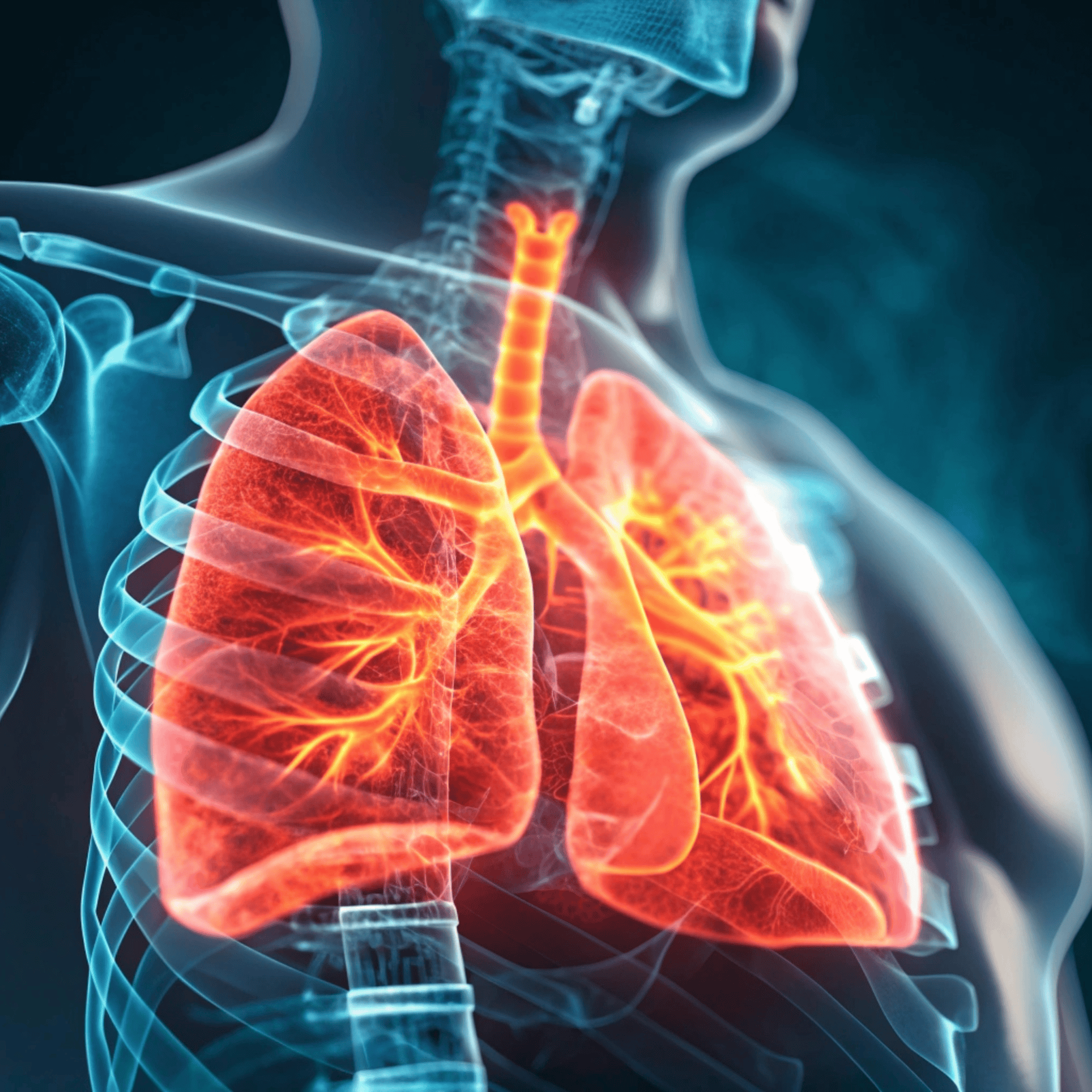
Recent studies suggest a possible connection between asthma and lung cancer, raising important questions like, can asthma cause lung cancer? Understanding this potential link matters, especially since chronic inflammation, smoking history, and environmental factors can increase risk over time.
This blog explores the asthma lung cancer connection, the difference between them, shared risk factors, and how managing asthma may help lower future cancer risk.
Common causes of asthma
Asthma can be caused by a variety of factors, including genetics and environmental triggers. In many cases, it develops due to a mix of both. Here are some of the most common causes:
- •AllergensDust mites, pollen, mould, and pet dander often trigger asthma symptoms.
- •Air pollutionExposure to smoke, fumes, and industrial emissions can irritate airways.
- •Respiratory infectionsFrequent colds or viral infections during childhood can increase risk.
- •ExerciseIntense physical activity can cause shortness of breath and airway tightening.
- •Weather changesCold air or sudden humidity shifts may worsen symptoms.
- •Genetic factorsFamily history of asthma or allergies raises susceptibility.
Recognising what causes asthma is key to preventing flare-ups and lowering the risks of asthma leading to lung cancer in the long run.
Can asthma lead to lung cancer?
Short answer: Asthma doesn’t lead to lung cancer directly. But multiple studies report a modestly higher lung-cancer risk in people with asthma, likely tied to chronic airway inflammation and repeated tissue injury.
Inflammation releases cytokines, drives oxidative stress, and can impair DNA repair - biological processes that, over time, may increase cancer susceptibility.
For instance,
a large review of 22 studies found that people with asthma had about a 44% higher chance of developing lung cancer compared to those without asthma. Another, more recent analysis covering more than one million people found the risk was about 29% higher.
So, can asthma cause lung cancer? The findings don’t prove that, but they do suggest that long-term inflammation in the lungs may increase vulnerability to this illness over time.
Being aware of this link helps people with asthma stay proactive about their lung health, attend regular checkups, and receive timely lung cancer treatment if needed.
Shared risk factors between asthma and lung cancer
So, can asthma lead to lung cancer? Yes, but it’s not just inflammation that connects the two. Some underlying triggers affect both conditions, increasing the chances of developing asthma along with lung cancer.
Here are a few of the most common overlapping factors:
- •Smoking and secondhand smokeThe strongest shared risk. Smoke not only irritates and damages the airways, worsening asthma symptoms, but smoking also raises cancer risk .
- •Air pollution and toxinsLong-term exposure to polluted air, industrial fumes, or chemical toxins can inflame the lungs and contribute to both conditions.
- •Family historyGenetic factors may make certain individuals more prone to both asthma or lung cancer.
- •Chronic respiratory inflammationPersistent airway inflammation can cause tissue damage over time, potentially explaining why researchers explore whether can asthma lead to lung cancer or not.
If you have asthma, it might be wise to be mindful of these triggers as avoiding or managing them can help lower your overall lung cancer risk.
Key differences between asthma and lung cancer
One might still be unsure how to tell the difference between asthma and lung cancer, since both affect breathing and the lungs. That’s why you can check out the table below comparing key distinctions between asthma vs lung cancer:
| Aspect | Asthma | Lung cancer |
|---|---|---|
| Nature of condition | A chronic inflammatory disease that narrows airways and causes breathing difficulty. | A disease where abnormal cells grow uncontrollably in the lungs, forming tumours. |
| Cause | Triggered by allergens, pollution, stress, or genetics. | Caused mainly by smoking, pollution, or genetic mutations. |
| Symptoms | Wheezing, chest tightness, coughing, and shortness of breath that come and go. | Persistent cough, coughing up blood, unexplained weight loss, and chest pain. |
| Onset | Often develops in childhood or early adulthood. | Typically appears later in life, often after long-term exposure to risk factors. |
| Reversibility | Symptoms are usually reversible with the use of inhalers and medication. | Damage is often permanent and progressive if not detected early. |
| Diagnosis | Confirmed through lung function tests. | Diagnosed via imaging (CT scans, X-rays) and biopsy. |
| Treatment | Managed with inhalers, steroids, and trigger control. | Treated with surgery, chemotherapy, or radiation. |
Spotting the difference between asthma and lung cancer early can help you recognise unusual symptoms and get medical attention before complications arise.
Managing asthma and lowering lung cancer risk
If you’re worried, don’t be! There are several ways to manage and prevent lung cancer as well as asthma. By controlling inflammation, avoiding triggers, and staying vigilant to changes, you can protect your lungs in the long term.
Let’s look at some ways to do that:
Smoking is the leading cause of lung cancer, responsible for nearly 80-90% of all cases , according to the Centres for Disease Control and Prevention (CDC). Even secondhand smoke can heighten the risk of both asthma and lung cancer, so it’s best to avoid it completely.
Pollutants such as dust, chemical fumes, and particulate matter can irritate the bronchial tubes, narrowing the airways and triggering asthma flare-ups. These same toxins can damage lung tissue at a cellular level, raising the risk of asthma lung cancer over time.
- •Use an air purifier indoors to reduce airborne irritants.
- •Avoid outdoor activity during high-pollution days.
- •Wear a mask in industrial or smoky environments.
The right food for lung cancer and asthma can help promote strong lungs and a healthy immune system. Here’s what to include:
- •Fruits and vegetablesEspecially leafy greens, berries, and citrus fruits for their high antioxidant content.
- •Healthy fats:Fish, nuts, and olive oil to reduce inflammation.
- •Whole grains:Brown rice, quinoa, and oats for fibre and steady energy.
- •Lean proteins:Chicken, tofu, beans, or lentils for cell repair and strength.
These foods may also lower oxidative stress, one of the links between asthma and cancer of lung.
Consistent medical checkups help detect early signs of both conditions. Watch out for symptoms that may indicate worsening lung cancer or asthma:
- •Persistent cough or wheezing that doesn’t improve.
- •Shortness of breath even during rest.
- •Chest pain or tightness.
- •Coughing up blood.
- •Unexplained fatigue or weight loss.
Ignoring persistent symptoms may worsen asthma or, in rare cases, cause respiratory failure, which can make recovery more difficult if lung cancer is also present.
Understanding the answer: Can asthma lead to lung cancer?
While current evidence doesn’t confirm whether can asthma lead to lung cancer or not, research suggests there may be a connection worth paying attention to.
Chronic inflammation, tissue damage, and prolonged airway irritation can create conditions that make the lungs more vulnerable over time.
So, can asthma lead to lung cancer? Only in rare cases, often when other risk factors, like smoking, pollution, or genetics, are also present. Managing asthma, avoiding smoke exposure, and adhering to treatment consistently can go a long way in protecting your lungs.
Schedule a checkup or visit your nearest cancer centre for timely evaluation and care.
FAQs on does asthma lead to lung cancer
No. There’s no good evidence that inhalers are the answer for “can asthma lead to lung cancer”. Inhaled corticosteroids are not proven to raise risk; some research suggests they may even lower it.
Related Blogs
Education5 min read
Small Cell vs. Non-Small Cell Lung Cancer -What's the Difference?
Dr. Vrundali Kannoth

Diagnosis5 min read
Ultrasound Kya Hota Hai? (अल्ट्रासाउंड): प्रक्रिया, रिपोर्ट और उपयोग
Dr. Vrundali Kannoth