
Breast Anatomy Guide: Structure, Function, and Importance
On this page
Did you know that in a national survey, only about 36% of women knew about their own breast density, and less than 1% understood how it affects cancer detection?
Shocking, right? You’d think we’d know our own breast anatomy, after all, it’s a part of us. But this lack of awareness often means many women miss early warning signs when something feels off.
Learning about female breast anatomy helps you understand how your body works and what’s normal for you. That simple awareness can make a real difference in spotting changes early and staying on top of your health.
Hence, why we’ve created this guide: to break down the breast anatomy, physiology, structure, and common conditions affecting your breasts in everyday language.
What are breasts?
Breasts are glandular organs found in both men and women. In all humans, they develop from the same embryonic tissue, but hormones like estrogen and progesterone cause significant growth and functional differences in women after puberty.
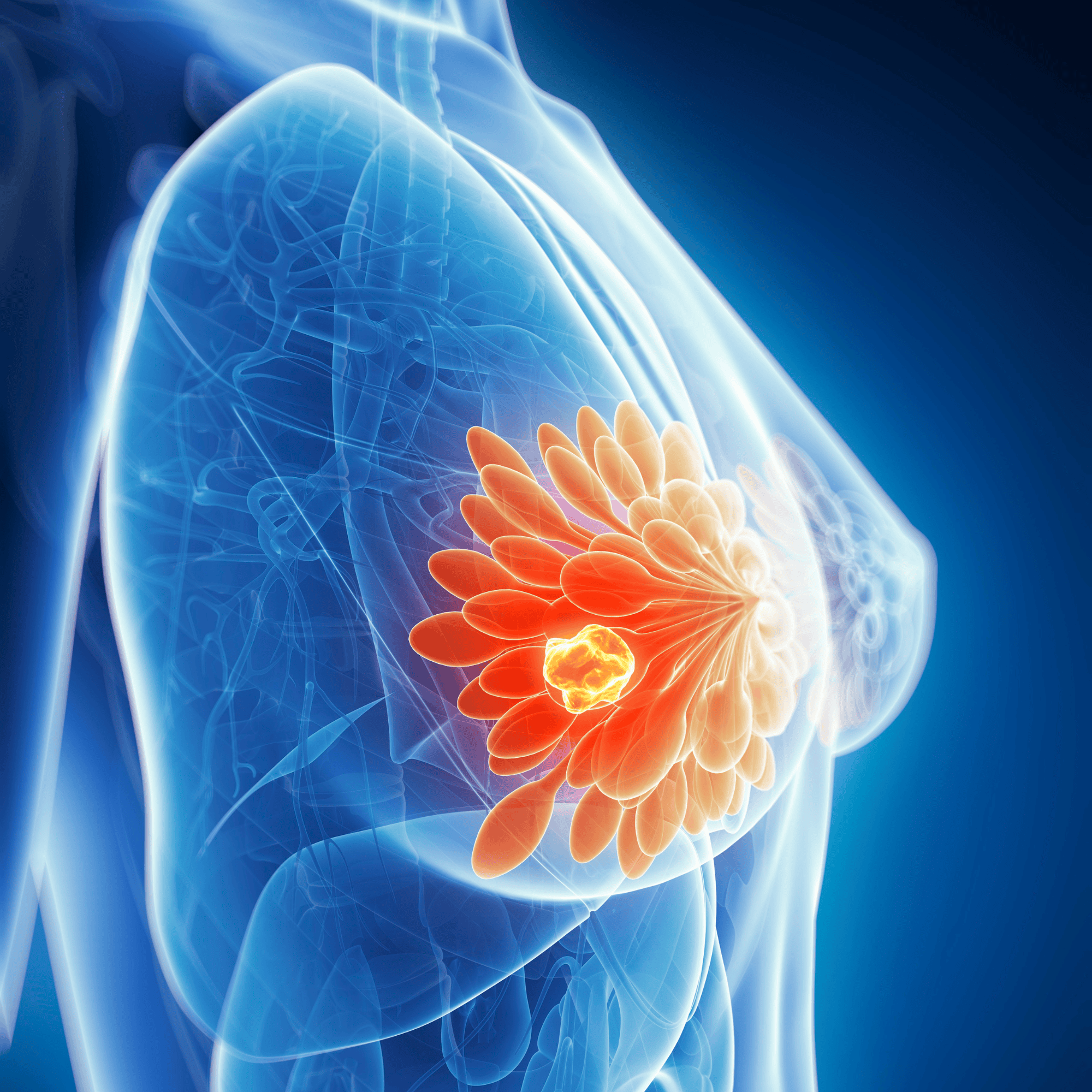
Structurally, human breast anatomy includes fatty tissue, connective tissue, breast ducts, and breast lobules, which together give the breast its form and function. In women, the anatomy of these lobules and breast milk ducts matures to produce and carry milk, serving the biological purpose of nourishing infants.
Men have the same basic breast tissue, nipple, but theirs remain undeveloped. Understanding breast anatomy is essential for everyone, as it helps explain the development, hormonal changes, and common health conditions associated with the breast.
Layers and structure of the breast
The anatomy of our breasts goes beyond what’s visible on the surface. Beneath the skin lies a complex network of tissues, glands, and ducts that work together to regulate hormonal responses, maintain shape, and facilitate milk production.
Knowing how these layers function helps in detecting changes and maintaining breast health. Below is a simple breakdown of the parts of the breast anatomy:
The 3 layers of the breast
- Skin:The outermost layer that covers and protects the breast region anatomy. It contains the nipples and areola, which play key roles in breastfeeding.
- Subcutaneous tissue:A layer of fat and connective tissue that shapes the normal breast anatomy and cushions the underlying glands.
- Glandular tissue:The functional layer of your breasts, made up of lobes and ducts responsible for milk production and secretion.
Parts of the breast and their function
- Lobules:Small sacs within the breast lobule anatomy where milk is produced.
- Ducts:Tubes forming the breast ducts anatomy that carry milk from lobules to the nipple.
- Areola:The pigmented area surrounding the nipple that contains glands to lubricate during breast anatomy breastfeeding.
- Nipple:The outlet of the breast milk ducts anatomy, allowing milk to pass through during feeding.
Together, these structures form the anatomy of the breast, supporting both hormonal and reproductive roles.
Physiology and function of the breast
Being aware of the physiology and function of the women breast anatomy matters more than most people think. It helps you see how your body changes, reacts to hormones, and supports new life.
So let's take a look at how hormones and lactation work together to keep everything in balance:
- Hormonal regulation:Estrogen shapes the breast ducts' anatomy, while progesterone develops the breast lobules, where milk is made. During and after pregnancy, prolactin and oxytocin take charge - prolactin produces milk, and oxytocin helps release it through the breast nipple anatomy.
- Lactation: Once the baby is born, the female breast tissue anatomy activates its full function. Milk flows from the lobules through the milk ducts, reaching the nipple for feeding.
These hormonal actions ensure the breasts can nourish and care for a newborn effectively.
Common conditions affecting breast anatomy
Even with a healthy breast anatomy, structural differences are common and completely normal. Some changes happen with age or hormones, while others can affect how breast tissue looks on a scan.
To understand this better, here’s a quick breakdown of two common patterns you might notice in your own breasts:
Dense breasts
Having dense breasts means there’s more glandular and connective tissue than fat. This density makes the breasts feel firmer and appear whiter on mammograms, which can hide small lumps or early signs of cancer.
Knowing if you have dense breasts is important because it may change how your screenings are done - your oncologist might suggest an ultrasound or MRI for clearer results.
Once you are aware of this, you can take a more active role in your screenings and spot potential issues early.
Other structural changes
Other than dense breast tissue, there can also be structural changes that affect how your breasts feel or appear. These are usually harmless but can sometimes cause discomfort or confusion during self-exams. They are:
- Fibrocystic changes:These occur when hormonal fluctuations, especially before menstruation, cause the breast tissue to become lumpy or tender. Fluid-filled cysts and thickened areas may form, giving the breasts a rope-like texture. Though uncomfortable, these changes are benign and tend to improve after menopause.
- Developmental differences: Some individuals naturally exhibit variations, such as asymmetry or small amounts of extra breast tissue. These are normal and don’t affect breast health.
- Ageing effects:With age, glandular tissue shrinks, while fatty tissue increases, resulting in softer breasts and a change in overall firmness and shape.
Recognising these differences makes it easier to distinguish between normal changes and those that may require medical attention.
Maintaining breast health
Studies show that women who stay consistent with breast care and screening have up to 58% lower mortality rates from breast cancer. That’s a huge difference.
So, let’s take a look at how you can protect your breast health through small, consistent habits:
Self-exam and awareness
Make it a habit to observe your breasts every month. Regular checks help you understand what’s normal for your body, so you can notice even small changes early.

Here’s how you can do it at home:
- Stand in front of a mirror:Look at your breasts with your arms at your sides, then raised. Watch for changes in size, shape, or skin texture.
- Feel with your fingers:Use the pads of your fingers to move in small circles over your breast tissue anatomy, covering the entire breast and underarm area.
- Apply gentle pressure:Check both lightly and firmly; some breast lumps can be deeper in the tissue.
- Examine the nipple and areola:Look for any discharge, inversion, or changes in colour of your nipples.
- Repeat regularly:The best time is a few days after your period, when breasts are least tender.
Knowing your body helps you notice what’s new and act before small changes become bigger concerns.
Health and lifestyle
Eating healthy and staying active also supports the well-being of your breasts. Exercise helps balance hormones, improves blood flow, and reduces the risk of breast-related diseases. Additionally, the right foods can help protect and strengthen your breast tissue from within.

You can eat the following:
- Leafy greens:Spinach, kale, and broccoli are rich in antioxidants that protect cells and support your breast tissues.
- Berries:Blueberries and strawberries help fight inflammation and oxidative stress in your breasts.
- Nuts and seeds:Almonds, walnuts, and flaxseeds provide healthy fats and phytoestrogens that keep hormone levels balanced.
- Fatty fish:Salmon and sardines are loaded with omega-3s that reduce inflammation and support healthy breast anatomy and function.
- Whole grains: Oats,brown rice, and quinoa help stabilise insulin levels, which can positively impact hormonal balance.
The most important thing to remember is to cut back on alcohol and smoking. Both increase the risk of damage to breast tissues and interfere with hormonal balance, affecting your overall breast health.
Regular screenings and professional care
Even if everything appears to be fine, regular screenings are crucial. Mammograms and breast exams help oncologists assess the clinical anatomy of your breast, including tissue density, structure, and any subtle changes that might not be visible or felt
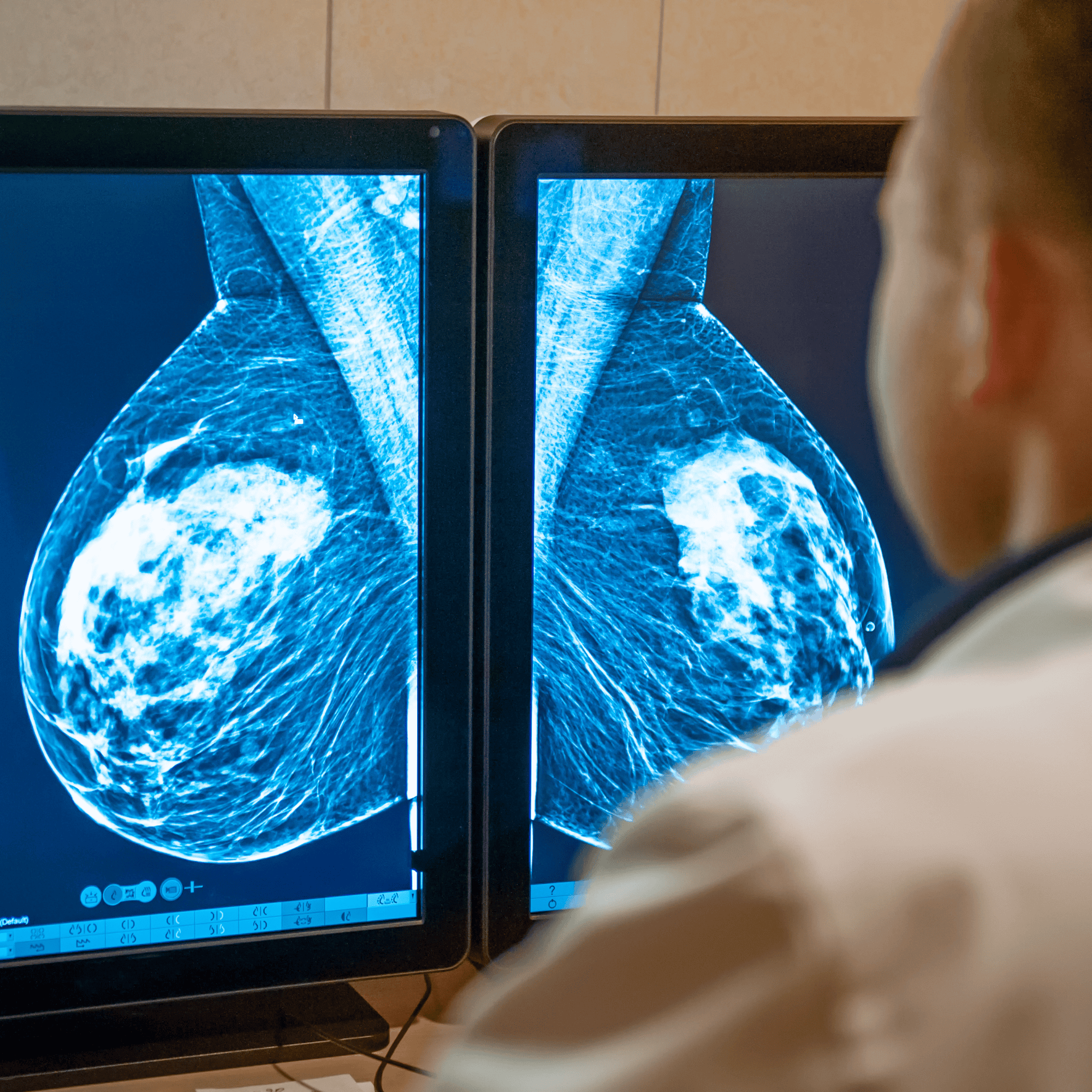
Most experts recommend yearly screenings from age 40, or earlier if you have a family history or dense breast tissue. Detecting these early gives you the best chance for timely treatment and peace of mind.
Take charge of your health through breast anatomy awareness
Your breasts tell you a lot about your health, from hormonal shifts to early signs that something needs attention. Paying attention to them helps you stay in tune with your body and act quickly if something feels different.
From the tiniest breast ducts to the breast milk glands anatomy that nurture new life, every part works together to keep you healthy. Understanding how the breast anatomy and physiology function makes you more mindful of what’s normal and what’s not.
The truth is simple: when you know your body, you protect it better. If you notice any changes, discomfort, or just want to understand the anatomy of your breast in more detail, don’t wait. Reach out to a trusted cancer centre to learn more and stay proactive about your health.
FAQs on breast anatomy
How is the anatomy of male breasts different from females?
Hormones influence the development of breast anatomy differently in both sexes. In females, estrogen promotes the growth of glands and ducts, whereas in males, limited hormone activity keeps the breasts small and nonfunctional.
How are the breast anatomy nerves and muscles connected to breast sensitivity?
The nerves connect with the female breast muscle anatomy beneath the chest wall, working together to provide sensation, touch response, and reflexes. This contributes to overall breast sensitivity.
How does the definition of breast anatomy change with age?
With age, our breasts shift as glandular tissue shrinks and fat increases, resulting in a softer texture and reduced firmness.
How do doctors study and learn about the anatomy of the breast?
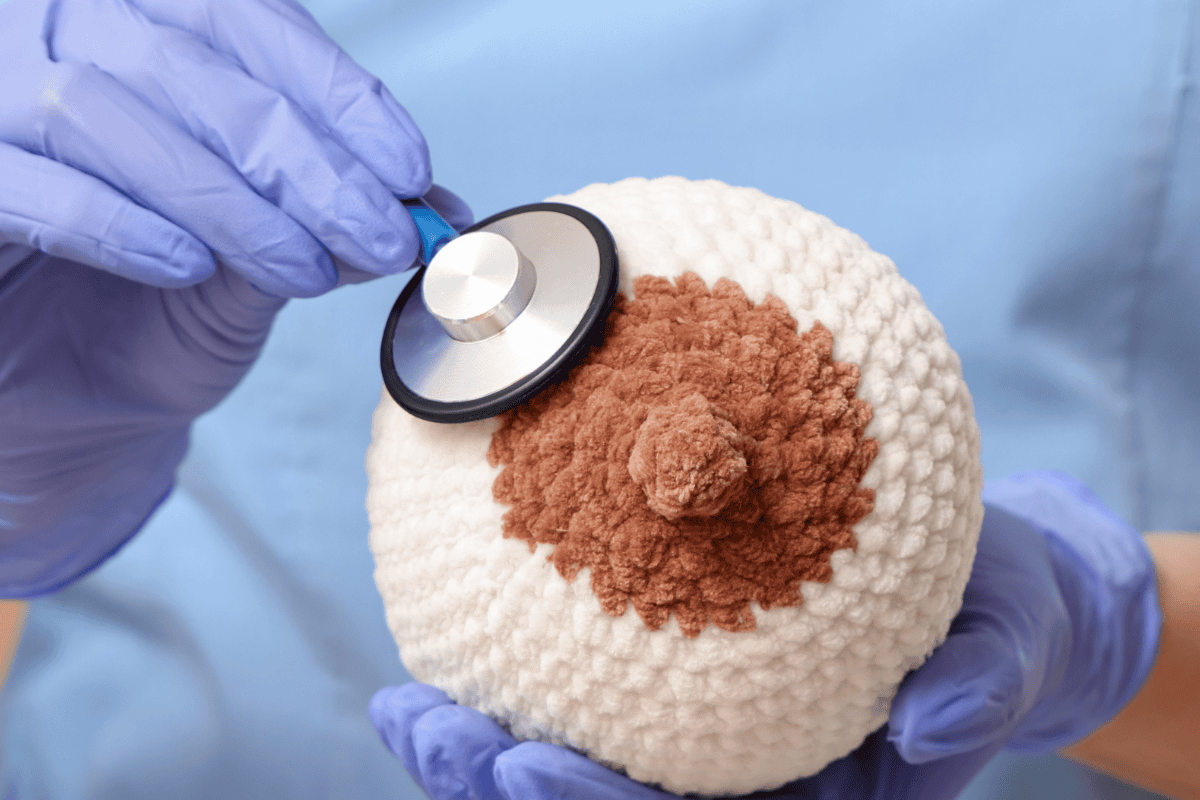
They study using a breast model anatomy, which helps visualise structures and practice identifying normal and abnormal tissue.
What is breast cancer anatomy?
The anatomy and physiology of breast cancer describe how cancer develops and spreads within breast tissues, affecting ducts, lobules, and surrounding structures.