Role Of Exercise For Cancer Patients: Evidence-Based Benefits And Practical Guidance

Dr. Vrundali Kannoth|5 min read|
Treatment exhausts you. Just getting out of bed feels like climbing a mountain some days. Well-meaning friends suggest taking walks or trying gentle yoga. Your oncologist mentions staying active. But when you're battling cancer fatigue that makes lifting your arms difficult, exercise sounds impossible, even ridiculous.
Here's what might surprise you: moving your body, even minimally, could be one of the most powerful things you do for yourself right now. Not despite your fatigue, but because of it.
Appropriate exercise for cancer patients may actually influence treatment effectiveness, reduce side effects, and potentially affect cancer progression itself. Let’s understand the role of exercise for cancer patients.
So, can exercise cure cancer? Let’s understand the effects through multiple interconnected biological pathways.
How physical activity influences cancer biology
Regular movement creates inhospitable environments for cancer growth. When you exercise, several things happen simultaneously at the cellular level.
Your immune system becomes more vigilant. Physical activity increases the circulation of natural killer cells and other immune components that identify and destroy abnormal cells. This enhanced immune surveillance may catch and eliminate cancer cells your body naturally produces.
Inflammation decreases throughout your body. Chronic inflammation fuels cancer development and progression. As a result, exercise produces anti-inflammatory compounds that counteract this process.
The evidence supporting exercise and cancer prevention
Can exercise prevent cancer isn't just hopeful thinking. Substantial research confirms protective effects.
Regular physical activity reduces the risk of:
- •Breast cancer by 20-40%
- •Colon cancer by 30-40%
- •Endometrial cancer by 20-30%
- •Lung cancer by 20-25%
- •Several other cancer types by varying degrees
Exercise prevents cancer through weight management (obesity increases risk for 13 cancer types), improved insulin sensitivity, enhanced immune function, and reduced inflammation.
Cancer fatigue are available at the Everhope store — reviewed for use during cancer care.
Benefits of exercise for cancer patients
Cancer and exercise benefits extend far beyond cancer cells themselves, improving virtually every aspect of treatment experience.
Physical improvements during treatment
Cancer fatigue paradoxically improves with activity rather than rest. Studies show cancer patients who exercise regularly report 40-50% less fatigue than sedentary patients.
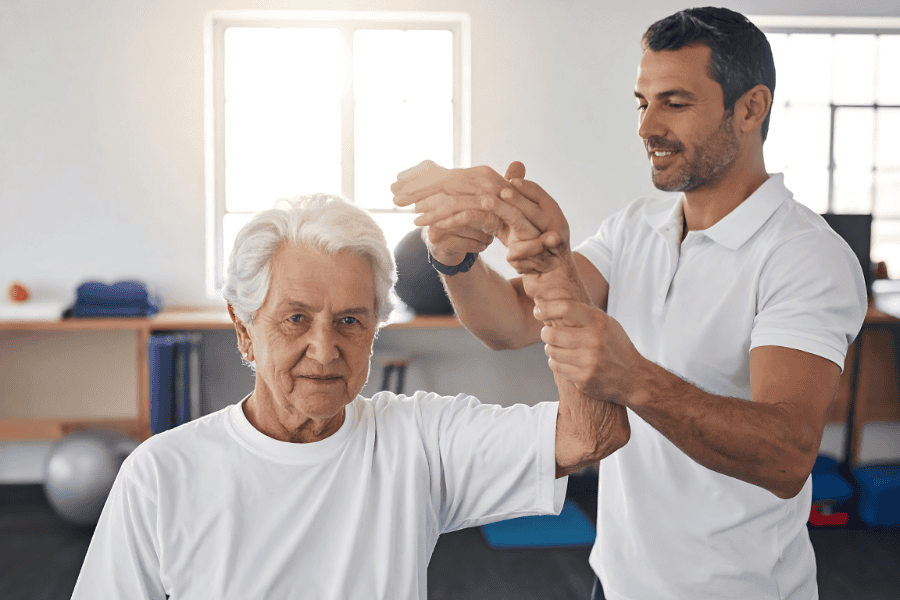
Muscle strength and endurance improve, making daily activities easier. Bone density increases, particularly important if you're taking medications that weaken bones. Cardiovascular fitness enhances, supporting overall health during demanding treatments.
Mental and emotional well-being
Depression and anxiety decrease significantly. A study found regular exercisers experienced 30% less depression and anxiety than non-exercisers during cancer treatment.
In fact, even the sense of control returns. When so much feels beyond your control, choosing to move your body provides empowering agency.
Treatment outcomes and recovery
Exercise during cancer treatment may enhance therapy effectiveness. Preliminary research suggests that physical activity improves chemotherapy delivery to tumours through enhanced blood flow.
Exercise and cancer recovery accelerate post-treatment healing. Moreover, surgical recovery times decrease, radiation side effects may be less severe, and return to normal function happens faster.
Exercise during cancer treatment
Many patients worry about whether exercise and cancer patients mix safely during active treatment. The answer is generally yes, with appropriate modifications.
Activity adjustments for different treatment phases
During chemotherapy: Most patients can continue exercising, though intensity may need to be reduced. Listen to your body's signals. On some chemotherapy days, you'll manage 30-minute walks. On other days, five minutes of gentle stretching is an achievement enough.
Stay well-hydrated. Some chemotherapy drugs increase the risk of dehydration. Avoid public gyms on low white blood cell count days to reduce infection exposure.
During radiation therapy: Lung cancer treatment involving chest radiation requires specific considerations. Breathing exercises for cancer patients become particularly valuable, maintaining lung capacity.
Fatigue accumulates over the radiation course. Start strong, but expect to slow down as treatment progresses. This is normal, not failure.
After surgery: Follow your surgeon's specific restrictions carefully. Typically, walking begins immediately. Lifting restrictions lasts 4-8 weeks, depending on surgery type. Exercise after cancer surgery should resume gradually under medical guidance.
Safe exercise principles during treatment
- •Start slowly and progress gradually
- •Exercise on days you feel capable, rest when needed
- •Avoid extreme temperatures (very hot or cold environments)
- •Stay hydrated before, during, and after activity
- •Report concerning symptoms immediately (chest pain, severe shortness of breath, dizziness)
Types of cancer exercise recommended
We know the answer to - can exercise reduce cancer risk? Exercise encompasses various activity types. Combining several provides comprehensive benefits.
1. Aerobic exercise
Walking remains the most accessible aerobic activity. Start with 5-10 minutes and gradually increase. Swimming provides a joint-friendly full-body workout. Cycling (stationary or outdoor) builds endurance without impact stress.
Aim for 150 minutes of moderate-intensity aerobic activity per week. This could mean 30 minutes five days a week or smaller sessions spread throughout each day.
2. Strength training
Resistance exercises combat muscle loss from treatment and inactivity. Use light weights, resistance bands, or body weight exercises like wall push-ups and chair squats.
Exercise guidelines for cancer survivors recommend strength training all major muscle groups twice weekly. Start with minimal resistance and perfect form before increasing challenge.
3. Flexibility and balance
Stretching maintains range of motion and prevents stiffness. Hold stretches 15-30 seconds without bouncing. Balance exercises prevent falls, which is important if treatment affects coordination.
4. Yoga for cancer
Yoga for cancer patients offers unique combined benefits, such as flexibility, strength, breathing practice, and stress reduction simultaneously.
Gentle, restorative yoga styles suit most cancer patients better than vigorous styles. Chair yoga accommodates those with significant limitations. Many cancer centres now offer specialised cancer yoga classes, understanding treatment-related needs.
Breathing exercises for cancer patients
Breathing exercises for cancer patients provide specific benefits deserving special attention.

Why breathing exercises matter
Chemotherapy and radiation can affect lung function. Surgery, particularly chest surgery, reduces lung capacity temporarily. Anxiety and stress create shallow breathing patterns, limiting oxygen intake.
Proper breathing enhances oxygen delivery to tissues, including healing areas. It activates relaxation responses, reducing stress and anxiety. It maintains or improves lung capacity during and after treatment.
Simple breathing techniques to practice
Diaphragmatic breathing: Place one hand on your chest, the other on your belly. Breathe in slowly through your nose, feeling your belly rise while your chest remains relatively still. Exhale slowly through pursed lips. Repeat 5-10 times.
Pursed-lip breathing: Inhale slowly through your nose for two counts. Exhale slowly through pursed lips (as if blowing out candles) for four counts. This technique particularly helps lung cancer patients and those with breathing difficulties.
Incentive spirometry: If you've had chest or abdominal surgery, your medical team may provide an incentive spirometer. Use it as directed to prevent pneumonia and maintain lung expansion.
Special considerations for lung conditions
Can asthma lead to lung cancer? While asthma itself doesn't cause cancer, chronic lung inflammation may slightly increase risk. Managing asthma effectively through medication and breathing exercises makes sense.
Lung cancer prevention includes maintaining lung health through breathing exercises, avoiding smoking and secondhand smoke, and staying active to preserve lung capacity.
Exercise guidelines for cancer survivors
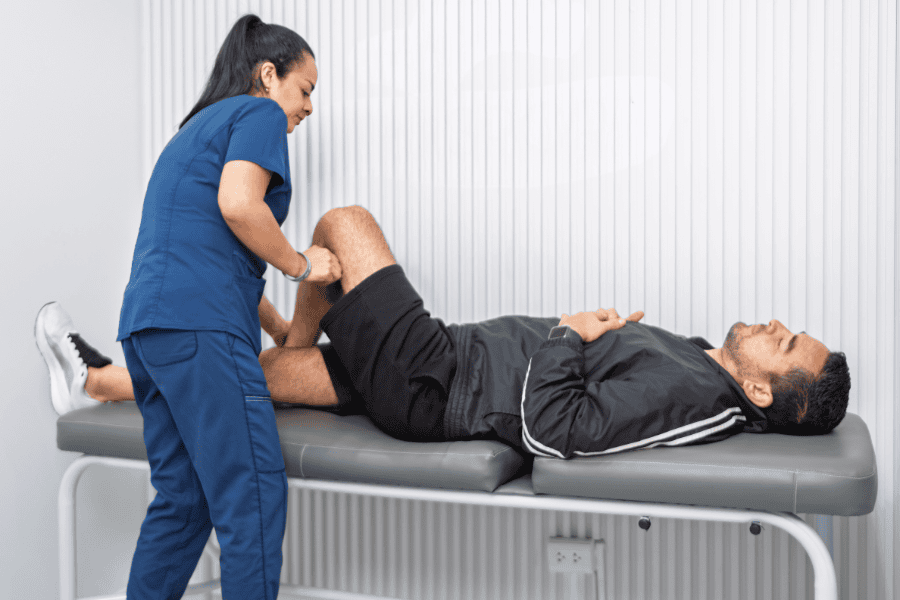
These guidelines provide structured frameworks supporting safe, effective activity.
Frequency and intensity recommendations
Different studies and experts recommend that cancer survivors aim for:
- •Aerobic exercise:150 minutes moderate intensity or 75 minutes vigorous intensity weekly
- •Strength training:Two sessions weekly targeting all major muscle groups
- •Flexibility:Daily stretching and range-of-motion exercises
How to prevent cancer recurrence includes meeting these activity targets. Research shows survivors exercising at recommended levels have 30-50% lower recurrence rates for certain cancer types.
Progression guidelines
Increase duration before intensity. Master consistency before pushing harder.
If currently sedentary, start with 5-10 minute sessions and add 5 minutes weekly until reaching 30-minute sessions.
Then gradually increase intensity. Begin at a pace that allows conversation. Progress to slightly breathless but still able to speak in short sentences.
Special populations
Older survivors or those with comorbidities may need modified goals. Something is always better than nothing. Even 10 minutes daily provides benefits.
Those with stages of cancer IV disease can still exercise safely with appropriate modifications. Focus on maintaining function and quality of life rather than pushing limits.

Fatigue Fighter Essentials for fatigue, weakness & muscle loss - CoQ10, Assimilate Vegan Protein Vitamin D3+K2-7
Bundle: CoQ10, vegan protein and D3 + K2-7
₹2,150
Safety tips and precautions while exercising with cancer
Understanding when exercise and cancer combination requires caution prevents complications. When to avoid or modify exercise:
- •Fever above 38°C
- •Severe anaemia (haemoglobin below 8 g/dL)
- •Low platelet counts (below 50,000) due to bleeding risk
- •Severe nausea or vomiting causing dehydration
- •Unstable bone metastases in weight-bearing bones
- •Acute infection or illness
Modify intensity if experiencing:
- •Unusual fatigue beyond normal post-exercise tiredness
- •Dizziness or lightheadedness
- •Muscle or joint pain
- •Shortness of breath beyond expected exertion
- •Rapid heart rate that doesn't slow with rest
Medical clearance and professional guidance:
Always discuss exercise plans with your oncology team before starting. Get specific clearance if you've had surgery, have bone metastases, or experience treatment-related complications. Consider working with cancer exercise specialists, such as physiotherapists, exercise physiologists, or trainers with oncology certification. Many cancer centres offer specialised exercise programs.
Stop exercising immediately and seek help if experiencing:
- •Chest pain or pressure
- •Severe shortness of breath
- •Irregular heartbeat or palpitations
- •Sudden dizziness or loss of consciousness
- •Unusual bleeding or bruising
- •Swelling in one leg (potential blood clot)
Key takeaways on exercise for cancer patients
Exercise for cancer patients represents an evidence-based intervention improving treatment outcomes, reducing side effects, and enhancing quality of life. Moreover, exercise and cancer recurrence research shows that survivors meeting activity guidelines have substantially lower recurrence risk. Exercise and cancer prevention evidence is equally compelling as regular activity before diagnosis reduces cancer risk significantly.
In fact, exercise kills cancer cells through enhanced immune function, reduced inflammation, and improved hormonal profiles rather than directly destroying tumours. The mechanisms are complex, but the benefits are clear.
Start where you are. Five minutes counts. Consistency matters more than intensity. Progress gradually under medical guidance. Listen to your body's signals.
For personalised exercise programming tailored to your specific cancer type, treatment plan, and physical capabilities, connect with oncology rehabilitation specialists who can design safe, effective activity plans to support your recovery.
Questions
FAQs
Is strength training safe for cancer survivors?
Yes, strength training is safe and beneficial for most cancer survivors under proper guidance. It rebuilds muscle lost during treatment, improves bone density, reduces fatigue, and enhances quality of life.
Can exercise kill cancer cells in the body?
Exercise doesn't directly kill cancer cells but creates unfavourable conditions for cancer growth through enhanced immune function, reduced inflammation, and improved hormonal balance.
What is the effect of exercise on cancer-related fatigue?
Paradoxically, appropriate exercise reduces cancer fatigue more effectively than rest alone. Studies show regular exercisers experience 40-50% less fatigue than sedentary patients. Activity improves energy, sleep quality, and overall stamina despite initial tiredness during movement.
Related Blogs
Nutrition5 min read
Spirulina Biotic Powder: Benefits, Nutrition Facts and Its Role in Cancer Nutrition
Dr. Vrundali Kannoth