Cancer touches nearly every family in some way. In India alone, over 1.4 million new cases are diagnosed each year.
When someone receives a cancer diagnosis, the first question is often: "What causes cancer?" Or more personally, "Why did this happen to me?"
The answer is rarely simple. Cancer causes aren't usually one single factor but rather a combination of genetic, lifestyle, and environmental influences that accumulate over time.
Understanding how is cancer caused helps us make informed choices. It removes fear from the unknown and replaces it with knowledge. This guide explores the major causes of cancer backed by research, helping you understand both what increases risk and what you can control.
Why cancer is caused? Understanding how it develops
Before we explore specific causes, let's understand the basic biology of how is cancer caused at the cellular level.
Your body contains trillions of cells. Each cell has a specific job and follows precise instructions encoded in your DNA. Normally, cells grow, divide, and die in an orderly way.
Cancer begins when something damages a cell's DNA, these are called mutations.
Most DNA damage gets repaired by your body's natural mechanisms. However, when repair systems fail or damage accumulates over time, cells may begin to behave abnormally.
Here's what happens:
Normal, healthy cells have built-in controls. They know when to grow, when to stop, and when to die. Cancer cells lose these controls. They grow uncontrollably, ignore stop signals, and refuse to die when they should.
These abnormal cells divide repeatedly, forming tumours. They can invade nearby tissues and spread to other parts of the body through blood or lymph systems, which is a process called metastasis.
What triggers these DNAmutations?
According to the National Cancer Institute, mutations can happen due to:
•Random errors during normal cell division
(most common)
•Inherited genetic changes from parents
•Exposure to cancer-causing substances (carcinogens)
•Chronic infections that damage cells over time
•Chronic inflammation
The development and causes of cancer typically involve multiple mutations accumulating over years or decades. This is why cancer becomes more common as we age, there's been more time for damage to accumulate.
10major risk factors that can cause cancer
What are the main causes of cancer? Research identifies several major categories. Let's explore the list of things that cause cancer.
Lifestyle-related causes of cancer
Your daily habits significantly influence cancer risk. These are cancer causing habits within your control.
1. Tobacco use:
The single largest preventable cause of cancer worldwide. Smoking and chewing tobacco are among the main causes of cancer in India. According to ICMR, tobacco-related cancers account for nearly 40-50% of all cancers in Indian men .
Tobacco smoke contains over 70 known carcinogens. It's directly linked to lung, mouth, throat, oesophagus, pancreas, bladder, and cervical cancers. In India, gutka and paan masala consumption drive high rates of oral cancers.
2. Alcohol consumption:
Regular alcohol use increases the risk for mouth, throat, oesophagus, liver, breast, and colorectal cancers. The more you drink, the higher your risk. Even moderate drinking (1-2 drinks daily) raises breast cancer risk in women.
3. Poor diet and obesity:
Diets high in processed meats, refined sugars, and unhealthy fats contribute to various causes of cancer. Obesity is linked to at least 13 different types of cancer , including breast (postmenopausal), colon, kidney, and pancreatic cancers.
Excess body fat produces hormones and growth factors that promote cancer cell growth. In India, rising obesity rates parallel increasing cancer incidence.
4. Physical inactivity:
Environmental and occupational causes of cancer
Factors that cause cancer in your environment often go unnoticed but have significant impact.
5. Air pollution
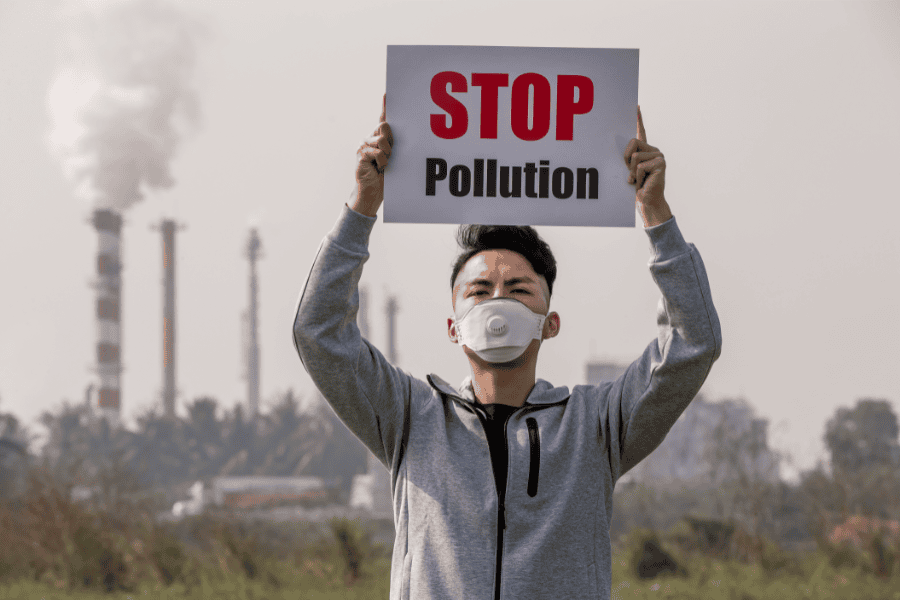
A major concern in Indian cities. The World Health Organization classifies outdoor air pollution and particulate matter as carcinogenic. Delhi, Mumbai, and other metros regularly record hazardous air quality levels.
Long-term exposure to PM2.5 particles increases lung cancer risk even in non-smokers. Causes of cancer in India increasingly include environmental factors as urbanisation expands.
6. Chemical exposure:
Occupational exposure to asbestos, benzene, formaldehyde, and pesticides represents a serious risk. Construction workers, factory employees, and agricultural workers face elevated exposure.
Asbestos causes mesothelioma and lung cancer. Benzene is linked to leukaemia.
7. Radiation exposure:
Both ionising radiation (X-rays, radon gas) and ultraviolet radiation from sun exposure cause DNA damage. Excessive medical imaging, radiation therapy for previous cancers, or occupational exposure all contribute risk.
India sees high rates of skin cancer in states with intense sun exposure, particularly among outdoor workers.
Biological & medical causes of cancer
Natural causes of cancer include biological factors you may not control but can often address.
8. Viral and bacterial infections:
Several infections are established cancer causes:
•Human Papillomavirus (HPV)
Causes virtually all cervical cancers and some throat cancers. The cancer vaccine against HPV significantly reduces risk and is now part of India's immunisation program for girls.
•Hepatitis B and C
Lead to liver cancer, particularly common in parts of India with high infection rates.
•Helicobacter pylori (H. pylori)
Bacterial infection causing stomach inflammation and increasing gastric cancer risk.
•Human Immunodeficiency Virus (HIV)
Weakens immune system, raising risk for several cancers.
9. Hormonal factors:
Extended exposure to certain hormones increases cancer risk. Early menstruation, late menopause, never having children, or hormone replacement therapy all affect breast cancer risk by prolonging estrogen exposure.
10. Chronic inflammation:
Conditions causing long-term inflammation—such as inflammatory bowel disease, chronic pancreatitis, or untreated infections—create environments where cancer can be caused by continuous cellular damage and repair cycles.
Cancer and causes include inherited genetic mutations, though these account for only 5-10% of cancers.
Certain gene mutations passed through families increase susceptibility. The most well-known are BRCA1 and BRCA2 mutations, which significantly raise breast and ovarian cancer risk.
Other inherited conditions include Lynch syndrome (colorectal cancer) and Li-Fraumeni syndrome (various cancers).
Important clarification:
Having a family history or genetic mutation increases risk but doesn't guarantee cancer development. Many people with BRCA mutations never develop cancer, while many without these mutations do.
If multiple close relatives have had cancer, especially at young ages, genetic counselling helps assess your risk and available preventive measures.
Cancancerbeprevented? Tips to reduce your risk
While you cannot control all general causes of cancer, many risk factors are modifiable. Here's how to reduce your risk:
•Don't use tobacco in any form.
If you currently use it, quitting significantly reduces risk even after years of use.
•Limit alcohol consumption.
Women should have no more than one drink daily; men no more than two.
•Maintain healthy weight through balanced diet and regular physical activity.
•Eat more fruits, vegetables, whole grains, and lean proteins.
Limit processed meats and refined sugars.
•Exercise at least 150 minutes weekly, even brisk walking counts.
•Protect skin from excessive sun exposure with sunscreen and protective clothing.
•Get vaccinated.
HPV vaccine prevents cervical and other cancers. Hepatitis B vaccine protects against liver cancer.
•Regular screening detects cancer early when most treatable.
Mammograms, Pap tests, colonoscopies, and low-dose CT scans for high-risk smokers all save lives.
•Treat chronic infections.
Address H. pylori, hepatitis, or HPV infections promptly.
•Minimise exposure to known carcinogens in the workplace and home.
•Use air purifiers in heavily polluted areas.
•Avoid unnecessary radiation exposure from excessive medical imaging.
Understanding what can cause cancer empowers prevention. While not all cancers are preventable, many are.
Mythsvsfacts about what causes cancer
Let's address common misconceptions about what causes cancer cells to grow.
Myth 1: Mobile phones cause brain cancer
Fact:
Despite extensive research, no consistent evidence links mobile phone use to cancer. The National Cancer Institute confirms that radiofrequency energy from phones doesn't damage DNA the way ionising radiation does.
Myth 2: Antiperspirants and deodorants cause breast cancer
Fact:
Multiple studies find no connection. The American Cancer Society states this myth likely arose from a misunderstanding about lymph nodes and toxin elimination, but it's scientifically unfounded.
Myth 3: Sugar feeds cancer, so avoiding it prevents cancer
Fact:
While cancer cells consume glucose, so do all cells. Eliminating sugar from diet doesn't "starve" cancer. However, excess sugar contributes to obesity and diabetes, which are cancer risk factors . So, the causes of cancer cells might be many, but it’s not sugar alone.
Get the best treatment for cancer and causes
What causes cancer?
The answer is complex. Cancer disease causes typically involve multiple factors accumulating over time, such as genetic susceptibility, lifestyle choices, environmental exposures, and sometimes simply biological chance.
The top 10 causes of cancer in the country include tobacco use, infections (HPV, hepatitis), poor diet, alcohol, obesity, physical inactivity, air pollution, occupational hazards, chronic inflammation, and genetic factors.
Understanding the cause and effect of cancer helps you make informed choices. While you can't control genetics or eliminate all environmental risks, you can significantly reduce your overall risk through lifestyle modifications.
Remember:
cancer fatigue, nausea, diarrhoea, and other cancer symptoms deserve prompt medical evaluation. Early detection through screening and attention to signs of cancer dramatically improves outcomes.
If you're concerned about your risk or experiencing symptoms, consult with experienced oncologydoctors who can assess your individual situation and recommend appropriate screening or cancertreatment , if needed.
FAQs on common causes of cancer
No, stress does not directly cause cancer, according to major cancer organisations. However, chronic stress may contribute to unhealthy behaviours like smoking or overeating that increase risk, and may affect immune function over time.
Excessive sugar consumption contributes to obesity and diabetes, which are established cancer risk factors. However, sugar itself doesn't directly cause cancer, moderation in sugar intake as part of a balanced diet is recommended.
Tobacco use (smoking and chewing) is the leading cause in India, accounting for approximately 40% of cancers in men, followed by infections (HPV, hepatitis), air pollution, poor diet, and alcohol consumption.