
Recognising the Signs of Cancer in the body that often go unnoticed
On this page
Sometimes, the body sends us tiny signals: missed clues between the noise of daily life. These subtle shifts might feel like nothing more than ordinary fatigue or an occasional ache, so we often let them pass unnoticed.
In reality, they are your body’s way of asking you to pay attention.
Today, we’ll talk about the signs of cancer that often slip under the radar: the small cues that matter more than we think.
Cancer is one of those words that can make anyone uneasy. But the truth is, catching it early can make a world of difference.
Understanding your body’s signs before cancer and noticing the small shifts early on is one of the most empowering things you can do for your health.
Why recognising the signs of cancer early matters
When detected in the earliest stages, cancer signs treatment are far more promising. Early detection not only improves survival rates but often means simpler treatment plans and better recovery experiences.
According to a 2023 review on early cancer detection, survival rates improve significantly when cancers are found early rather than at an advanced stage.
Doctors say that your body gives you hints long before a diagnosis; the challenge is simply noticing them.
By staying aware of subtle changes and discussing them with your doctor, you give yourself the gift of time.
Time, when it comes to cancer, is powerful.
Common warning signs of cancer in your body
Sometimes the warning signs of cancer in your body can feel ordinary: fatigue, weight changes, or an ulcer that doesn’t heal.
Here are a few that deserve attention if they persist:
Unexplained weight loss
Dropping several kilos without trying can sound like a dream, but if it happens suddenly, it’s worth investigating.
This happens because certain cancers, especially of the pancreas, stomach, or lungs, can alter how your body uses nutrients or suppress your appetite.
Persistent fatigue or weakness
We all feel tired after a long day, but constant, bone-deep fatigue that doesn’t improve with rest could be your body signalling that something isn’t right.
Cancer-related fatigue can stem from anaemia (low red blood cell count), immune system changes, or the body’s energy being redirected to fight abnormal cells.
If fatigue persists even after getting enough rest, hydration, and nutrition, it’s worth bringing up during a checkup.
Non-healing sores or ulcers
Whether in the mouth or on the skin, wounds that don’t heal even after weeks can sometimes indicate abnormal cell growth.
Oral cancer signs may appear as persistent mouth ulcers, especially in people who smoke or chew tobacco.
Similarly, skin cancers like melanoma or basal cell carcinoma can begin as small, scab-like sores that refuse to heal or keep bleeding.
Doctors advise that any sore lasting longer than two weeks can be a sign you have cancer, and deserves a professional look.
Persistent fever or night sweats
Frequent or prolonged fevers without infection can occur when the body is fighting something internally. Sometimes, it’s a sign that the immune system is responding to cancer cells.
Lymphomas and leukaemias are known to cause cyclical fevers and drenching night sweats.
Unusual bleeding or bruising
Bleeding without an obvious cause: in urine, stool, or even between periods, can be one of the more subtle warning signs of cancer that shouldn’t be ignored.
These could signal issues in the colon, cervix, uterus, or bladder.
Easy bruising or frequent nosebleeds also suggest changes in platelet count, sometimes linked to signs of cancer in blood like leukaemia.
The key takeaway?
If you notice any of these signs of cancer persistently, a simple blood test or screening can help rule out serious conditions.
Don’t dismiss what feels “ordinary.” A 2025 Lancet Primary Care study from Oxford showed that 8.8% of people with persistent, non-specific symptoms, such as fatigue or unexplained weight loss, were later diagnosed with cancer.
General early signs of cancer you shouldn’t ignore
Here’s a quick list of 7 warning signs of cancer caution that medical experts often emphasise:
- A lump or thickened area under the skin
- Changes in moles or warts
- Difficulty swallowing or persistent indigestion
- Unexplained pain
- Prolonged cough or voice change
- Unusual discharge or bleeding
- Sudden changes in bladder or bowel habits
Signs of cancer in specific parts of the body
Cancer can appear in various forms: from carcinoma and sarcoma to lymphoma and leukaemia, each with distinct patterns and cancer symptoms.
The types of cancer you may hear about most often include those affecting the breast, lungs, colon, and reproductive organs.
Symptoms for each differ depending on where it begins. Knowing the signs of cancer in the body helps you connect the dots early.
Mouth, throat and voice changes
Persistent hoarseness, sore throat, or mouth ulcers that don’t heal can be linked to head and neck cancer symptoms.
White or red patches inside the mouth or on the tongue may also indicate abnormal cell changes.

If swallowing becomes painful or difficult, it’s important to get evaluated - especially if you smoke, chew tobacco, or have frequent acid reflux
Breast or chest changes
A chronic cough, shortened lump, nipple discharge, or skin dimpling in the breast area are classic breast cancer symptoms that should always be checked.ss of breath, or chest pain could point toward lung cancer symptoms.
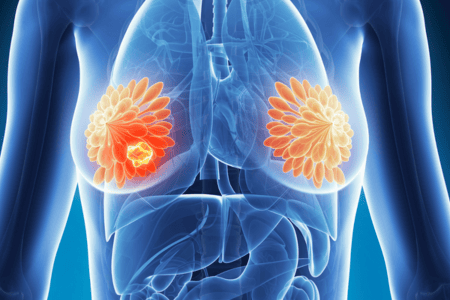
Skin dimpling, nipple discharge, or visible changes in size or texture are also key signs to notice.
Men can experience chest changes too, though it’s less common.
Breathing and lung signs
A chronic cough, shortness of breath, or chest pain could point toward lung cancer symptoms.

Sometimes, these symptoms mimic asthma or infection, but if they persist for more than a few weeks or come with unexplained weight loss or fatigue, it’s best to get them checked.
Abdominal and digestive signs
Bloating, stomach pain, or frequent indigestion might signal colorectal cancer symptoms or stomach cancer symptoms, depending on the area affected.
It includes persistent changes in bowel habits, like long-term constipation, diarrhoea, or blood in stool.
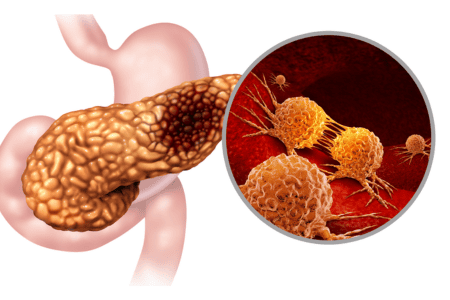
In certain cases, tumours may develop in the oesophagus, causing difficulty swallowing - one of the key caution cancer signs people should not ignore.
Skin changes
New moles, or changes in their size, shape, or colour, can be among the external signs of cancer that doctors watch for closely.
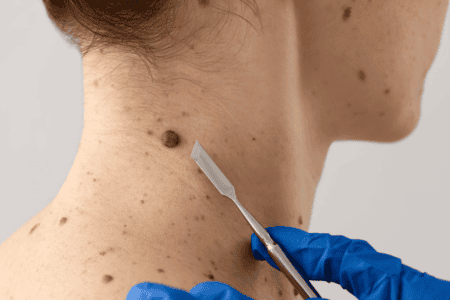
Sores that don’t heal or rough patches that crust or bleed easily deserve medical attention.
Urinary and reproductive signs
Frequent urination, difficulty urinating, or blood in urine can sometimes indicate prostate cancer symptoms or issues in the reproductive system such as ovarian cancer symptoms or cervical cancer symptoms.
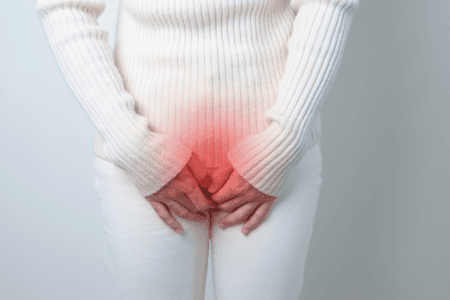
In women, symptoms such as pelvic pain, bloating, or irregular bleeding can sometimes indicate issues in the ovaries or uterus.
Neurological signs
Headaches that become more frequent or severe, sudden dizziness, blurred vision, or weakness in one part of the body are changes that shouldn’t be ignored.

While they’re not always related to the first signs of cancer, persistent neurological symptoms need timely assessment to understand what’s behind them.
Gender-specific early cancer signs
Our biological differences mean that signs of cancer in women and men can vary. Recognising these gender-specific symptoms can lead to faster diagnosis and treatment.
Early signs of cancer in women
Women should pay attention to:
- Irregular vaginal bleeding or spottingoutside of periods or after menopause.
- Pelvic or abdominal painthat persists or feels unusual.
- Bloating, feeling full quickly, or changes in appetitewhich may indicate ovarian or uterine issues.
- Breast changessuch as lumps, skin dimpling, nipple discharge, or noticeable swelling are some of the top signs of cancer.
These may be early signs of cancer in women, particularly related to reproductive organs. Always consult your doctor if something feels off.
Early signs of cancer in men
Men should monitor for:
- Lumps or swelling in the testicleswhich may indicate testicular cancer.
- Persistent back or lower abdominal pain that could point to prostate or kidney issues.
- Urinary changessuch as difficulty starting or stopping, weak flow, or blood in urine.
Noticing these signs of cancer in men early can save lives.
Connecting the dots
Catching early signs of cancer can truly change the story. Awareness is all about noticing when your body feels different and trusting that instinct.
Read this: When diagnosed in the early stages, treatment can be more effective and less intensive. Depending on the type of cancer, options may include chemotherapy , radiation therapy , immunotherapy , or hormone therapy . Some cancers respond especially well to targeted therapy , which acts on cancerous cells while sparing healthy ones.
Thanks to the precision and experience of oncology doctors , patients today receive highly accurate treatments that aim to heal effectively while protecting well-being.
So, if you ever catch yourself wondering about the signs of cancer in the body or notice a subtle shift, take it as your cue for self-care. A timely conversation with your doctor can make all the difference.
FAQs on signs of cancer
What are the warning signs of advanced cancer?
Advanced cancer symptoms may include severe fatigue, unexplained weight loss, persistent pain, or widespread swelling. These signs often indicate the disease has spread to other parts of the body.
Which are the most common 20 signs of cancer?
The most common signs of cancer include fatigue, unexplained weight loss, pain, non-healing sores, unusual bleeding, persistent cough, voice changes, indigestion, bowel changes, skin changes, lumps, fever, night sweats, bone pain, headaches, dizziness, difficulty swallowing, appetite loss, shortness of breath, and swelling in lymph nodes.
Can early signs of cancer be painless?
Yes, many early-stage signs of cancer develop silently without pain. Which is why noticing small, persistent changes in your body is so important for early detection.