Nutrition5 min read
Spirulina Biotic Powder: Benefits, Nutrition Facts and Its Role in Cancer Nutrition
Dr. Vrundali Kannoth
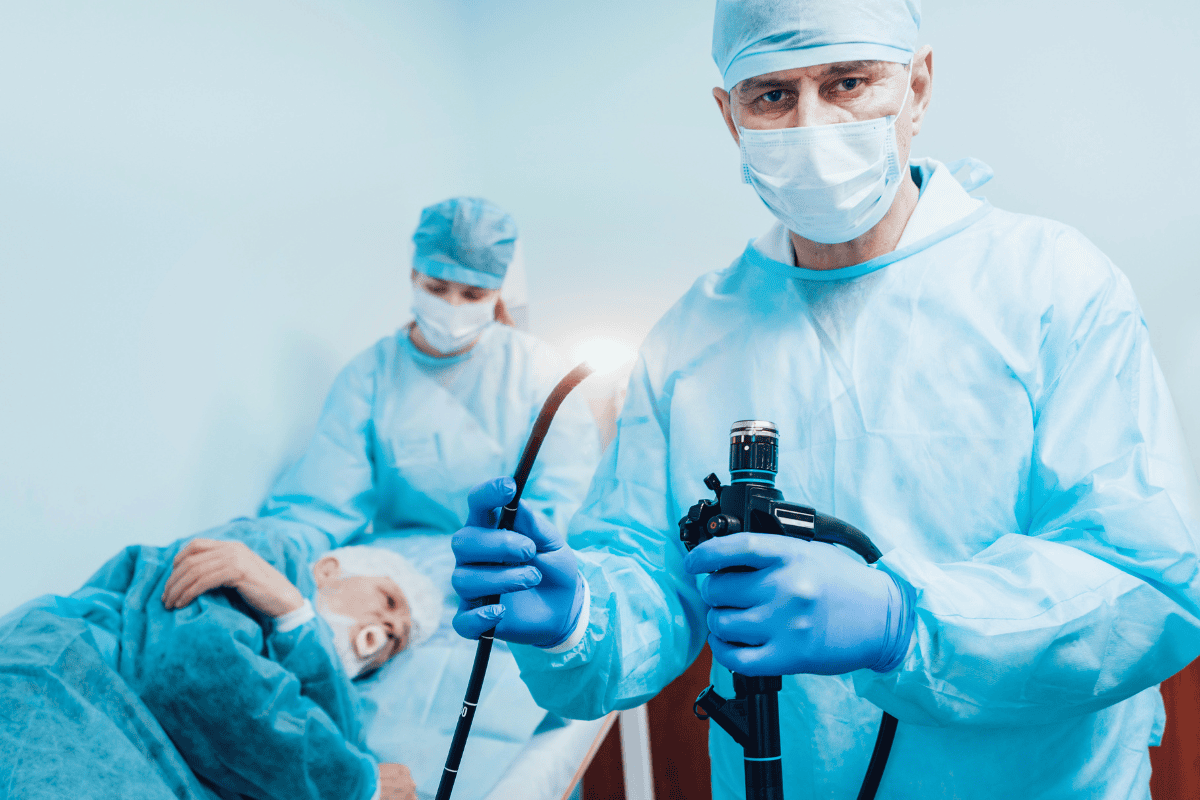
For many people, the word endoscopy sounds intimidating. It brings to mind hospital rooms, tubes, and the unknown. If you’ve been advised to get one by your healthcare advisor, there might be one question looming on your mind: Does endoscopy detect cancer?
Endoscopy allows doctors to view the inner lining of organs instantly. This is one of the main reasons people ask, “does endoscopy detect cancer accurately?”, because it helps doctors see what other scans may overlook.
An endoscopy is a minimally invasive procedure that allows doctors to look inside your body using a thin, flexible tube with a camera and light at the end, called an endoscope. This helps them see areas that ordinary scans or X-rays can’t show as clearly.
Depending on which part of the body needs examination, there are different types of endoscopy:
These procedures not only help diagnose ulcers and infections but also answer the key question many patients have: Does endoscopy detect cancer in its early stages?
Endoscopy helps doctors look closely at the inside of your body - and yes, endoscopy can detect cancer by identifying abnormal tissues and colour changes. Especially in places like the stomach or intestine, a small flexible tube with a camera is used.
It can catch tiny changes - ulcers, abnormal growths, colour or texture shifts - proving that when it comes to early diagnosis, does endoscopy detect cancer? Absolutely, it does.
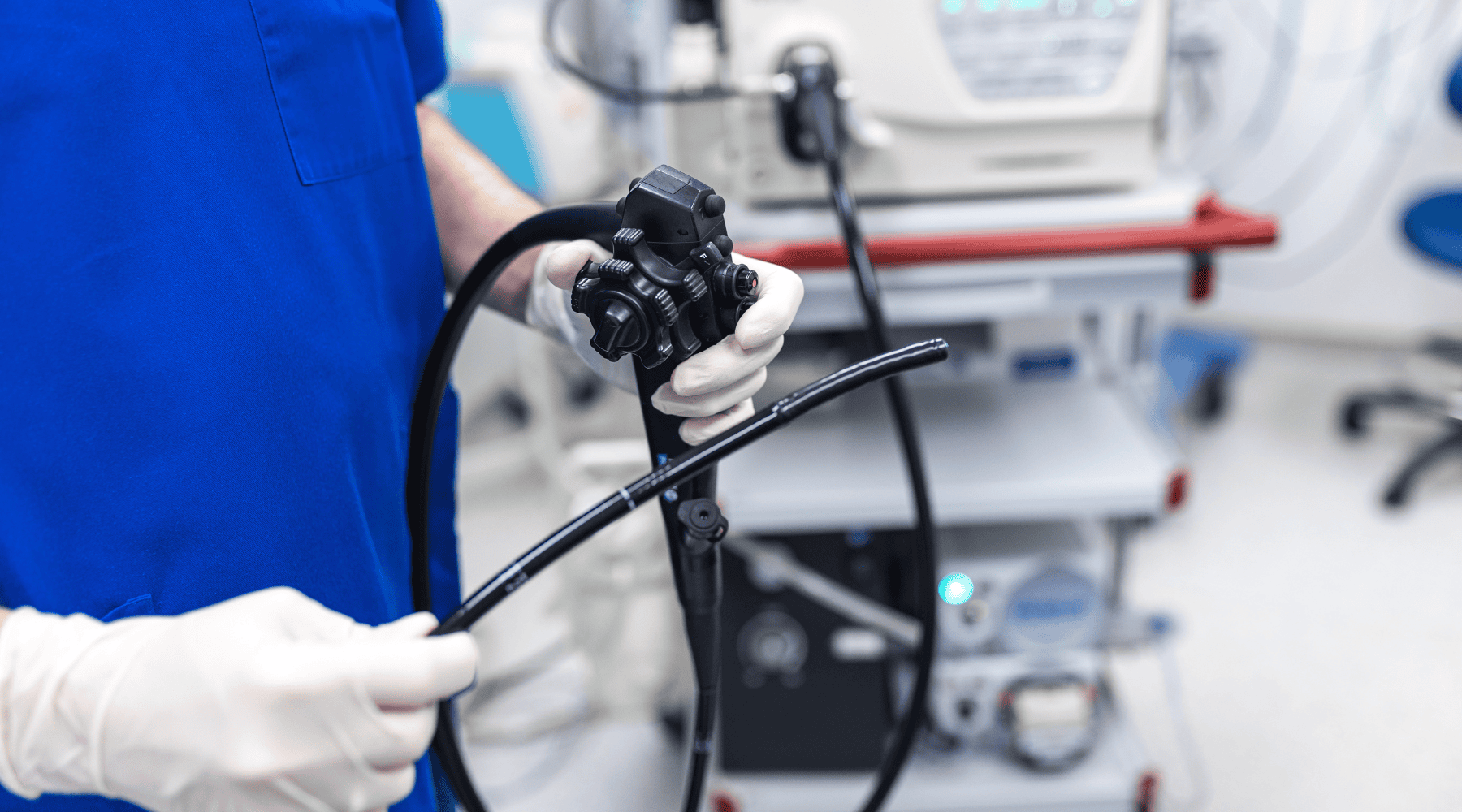
When people ask, “Can stomach cancer be detected by endoscopy?”, the answer is a clear yes. In fact, endoscopy is the medical standard for diagnosing stomach (gastric) cancer.
During a gastroscopy, doctors insert the endoscope through the mouth to reach the stomach. The real-time images show the smallest of changes, like early tumours, ulcers, or thickened tissue. This is how doctors confirm that endoscopy can detect cancer even before major symptoms appear.
If the doctor spots anything unusual, they’ll usually collect a biopsy sample on the spot.
A biopsy is when the doctor removes a tiny piece of tissue for microscopic examination. It’s the most definitive way to confirm whether cancer cells are present.
Pathologists then analyse the sample to identify the type, grade, and spread of cancer, if any.
While endoscopy can detect cancers that are most visible, it has some limits:
Despite its few limitations, countless studies confirm that endoscopy can detect cancer earlier, and it remains one of the most accurate and direct cancer detection tools available today.
Many people wonder not just “does endoscopy detect cancer in the stomach,” but also if it can find cancers in other parts of the body. Doctors use different types of scopes to check other organs, too. Here’s how they work and what each can detect:
| Type of endoscopy | Area examined | Cancers it can help detect | What happens during the procedure |
|---|---|---|---|
| Upper GI Endoscopy (Gastroscopy) | Oesophagus, stomach, upper small intestine | Oesophageal cancer, stomach (gastric) cancer | A thin tube is gently passed through the mouth to view the food pipe and stomach. |
| Colonoscopy | Large intestine and rectum | Colon cancer, rectal cancer | The scope is inserted through the rectum to examine the bowel. |
| Bronchoscopy | Airways and lungs | Lung cancer | The tube goes through the nose or mouth to reach the lungs. |
| Cystoscopy | Bladder and urinary tract | Bladder cancer | An endoscope is inserted through the urethra into the bladder to check for tumours or bleeding. |
| Laparoscopy | Abdomen and pelvis | Ovarian, uterine, liver, or pancreatic cancers | Small cuts are made in the abdomen, and a tiny camera is inserted to view internal organs |
If your doctor recommends an endoscopy test for cancer, here’s what typically happens.
The procedure itself takes about 15-30 minutes, but with the preparation, sedation, and recovery, expect to be at the hospital for 2-3 hours before the doctor gives a go-ahead.
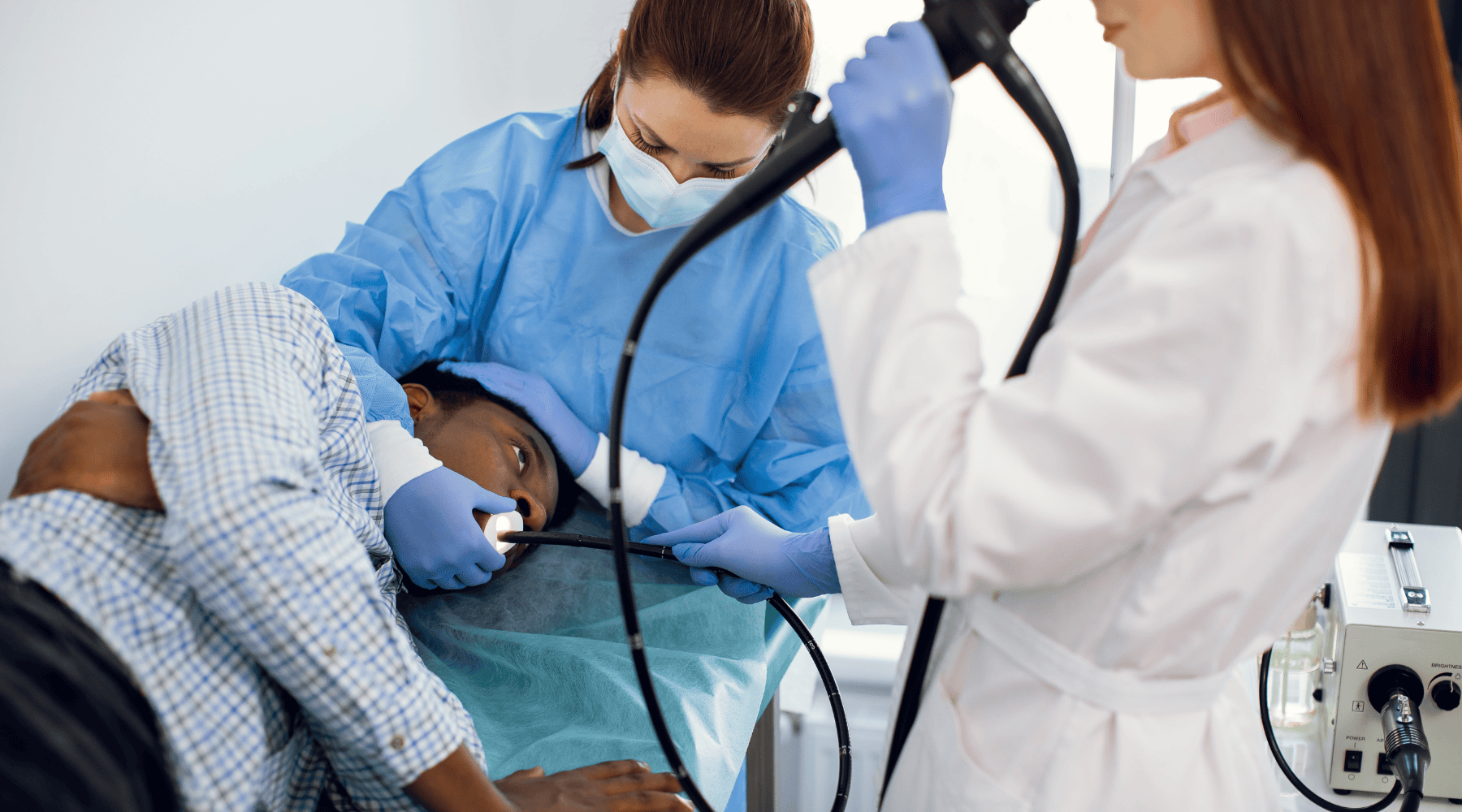
Endoscopy results for cancer are usually shared within a day or two, especially if a biopsy was taken. A doctor will explain what was seen during the test and what it means for you.
If anything unusual was found, such as inflammation, ulcers, or suspicious growths, your doctor can then confirm what patients often ask: does endoscopy detect cancer accurately, or will it need further imaging tests like CT scans?
If everything looks healthy, that’s reassuring news. Depending on your age, symptoms, or family history, your doctor might still suggest a follow-up endoscopy later on, just to stay safe.
When it comes to cancer screening, does endoscopy detect cancer effectively? Research says yes - and often much earlier than imaging alone.
While no test is perfect, the endoscopy test for cancer stands out for its direct visualisation advantage, and every study reinforces the same point: does endoscopy detect cancer? Yes, with remarkable precision.
You may not need routine endoscopy unless symptoms or risk factors suggest it. So if you’re wondering, “Does endoscopy detect cancer, and should I get it?”, doctors often recommend an endoscopy if you have:
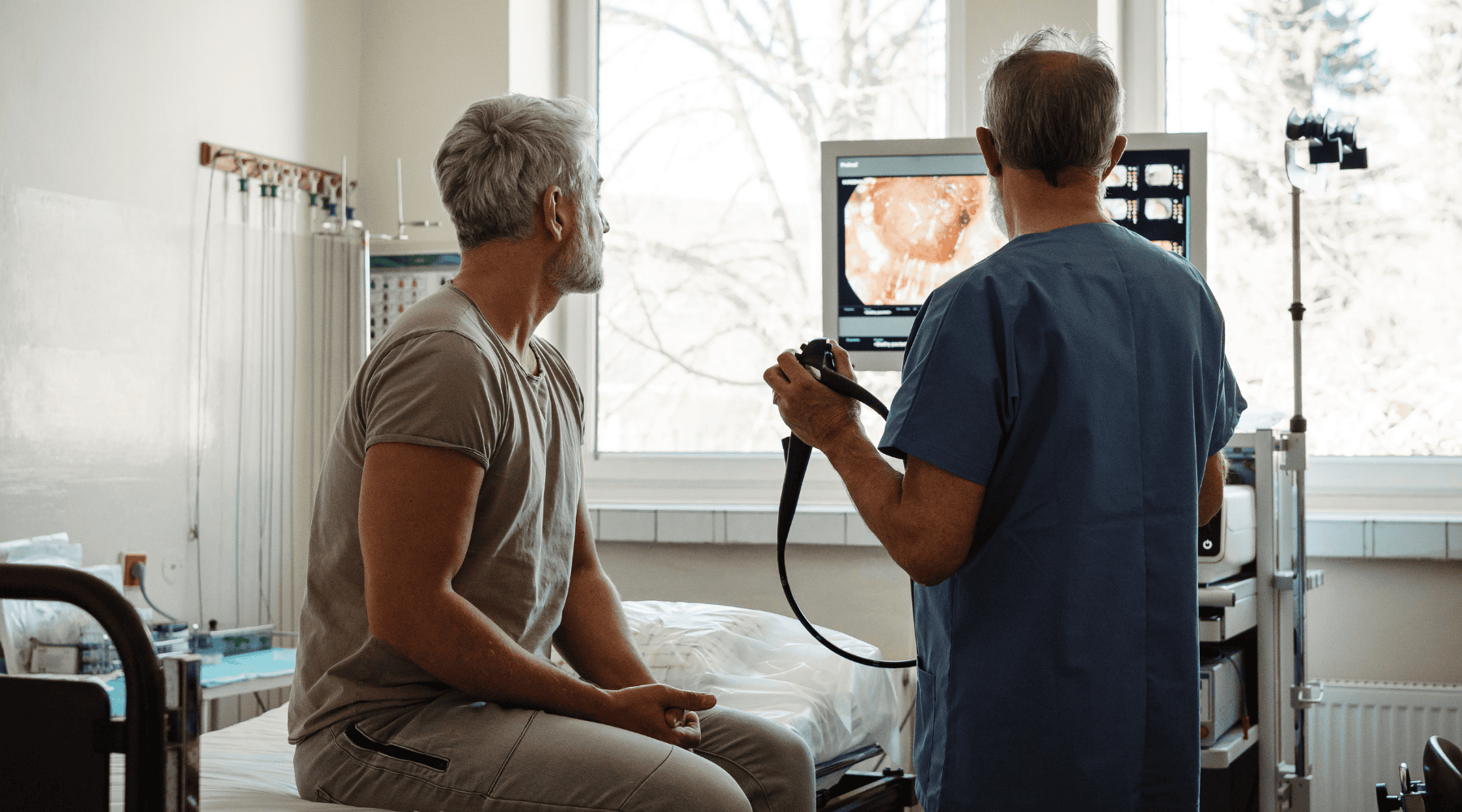
For people over 45 or with multiple risk factors, periodic endoscopic screening can help catch cancers early, before they cause visible symptoms.
Let’s clear up a few common misconceptions:
So, does endoscopy show cancer?
If your doctor recommends an endoscopy for cancer screening, remember: it’s not a punishment, it’s protection. And if results bring uncertainty, you won’t face it alone.
Because knowing early is the first step towards living longer - and better.
Endoscopy can detect most types of stomach cancer by showing visible changes in the stomach lining. However, some rare or deeply buried cancers may not be seen and require additional imaging or biopsy for confirmation.
Endoscopy can often spot small or early tumours that scans might miss, especially when combined with modern imaging techniques. Still, some very tiny or flat lesions can go unnoticed, which is why regular check-ups are important.
Many wonder, does endoscopy detect cancer completely or only its signs? The truth is, it can do both: helping find cancer cells as well as pre-cancerous conditions like gastritis, intestinal metaplasia, or Barrett’s oesophagus.
In most cases, yes. Endoscopy gives doctors a clear view of the affected area, allowing them to see visible changes like ulcers, growths, or discolouration.