Nutrition5 min read
Creatine and Glutamine: A Clear Guide for Cancer Nutrition and Recovery
Dr. Vrundali Kannoth

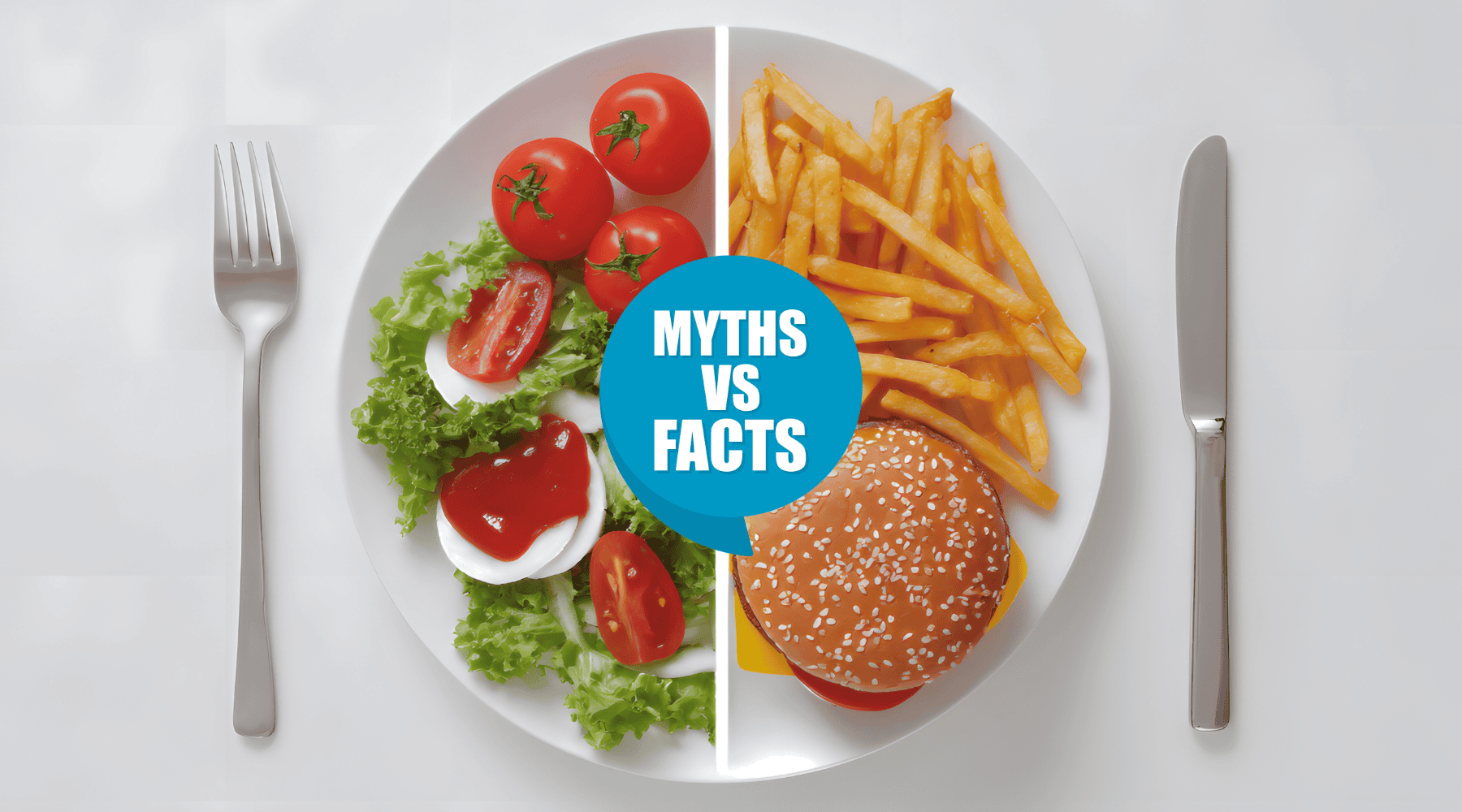
If you’ve ever Googled “foods that cause cancer” after a scary headline, you are not alone. Patients and caregivers ask us about chips, charred tikka, instant noodles, and even soy milk. The truth is gentler and more useful: food rarely acts alone. Cancer risk builds over years and depends on patterns, portions, and how we cook and live.
In this guide, we’ll sort facts from myths: a clear, research-based list of cancer causing foods linked with higher risk. You’ll get India-friendly alternatives (marinate, don’t char; bake or air-fry; nimbu-water over soda) and simple habits that matter more than headlines. If you’re in treatment or recovery, we’ll flag easy-to-make options so eating stays doable, nourishing, and kind to you.
Eating well through treatment is hard. Get a personalised onco-nutrition plan from Everhope's dietitians.
When people say cancer causing foods, they usually mean foods that can cause cancer risk to rise over time, not a single bite that “causes cancer.” Dose and pattern matters: larger portions, frequent intake, and certain cooking methods raise risk more than occasional eating.
What makes some foods higher-risk?
If you are wondering, “what foods cause cancer,” we have curated this list of cancer causing foods, plus what’s uncertain or myth. If you’re in treatment, your oncology nutrition & dietitian can tailor these tips to you.
We review the top 10 foods that cause cancer risk to rise with frequent intake, explain the “why,” and offer options you can actually use today. We focus on foods that can cause cancer risk to rise when eaten often.
What the evidence says: This is one of the strongest diet links in the list of cancer causing foods. Processed meat is classified as carcinogenic to humans and is known to increase colorectal cancer risk.

Smart alternatives: Fresh chicken/fish, rajma/chana, paneer or tofu; save bacon for rare occasions.
What the evidence says: Probably carcinogenic; higher intakes are linked mainly with colorectal cancer. Keep weekly cooked red meat to ≤350–500 g (≤12–18 oz) and avoid processed forms.
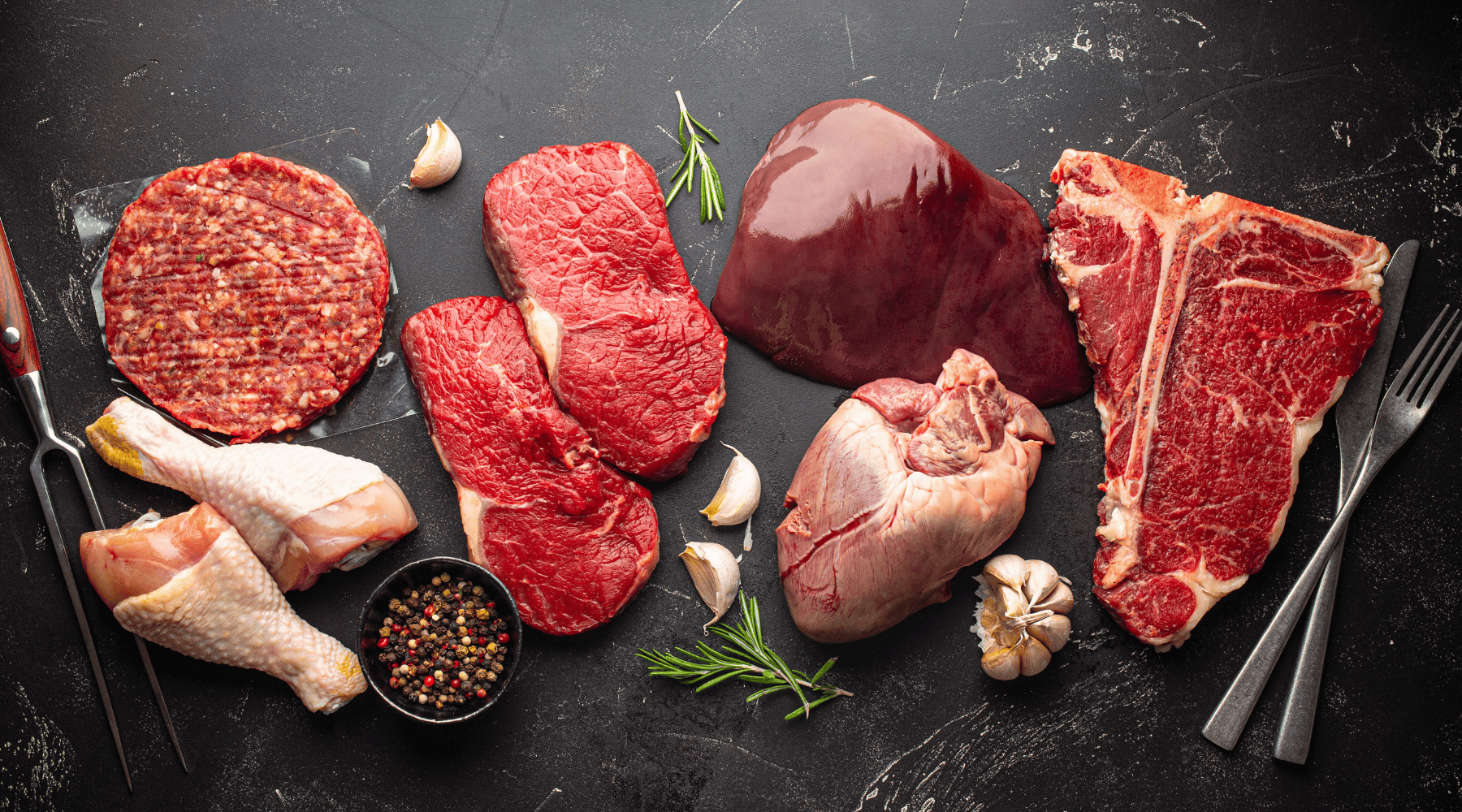
Smart alternatives: Rotate dals, eggs, fish, and poultry; if you eat red meat, choose smaller portions and gentler cooking. Not sure what to watch for? Learn the early colon cancer symptoms you shouldn’t ignore[a].
What the evidence says: High-temperature frying of starchy foods forms acrylamide; animal data show cancer risk, but human studies are not consistent.
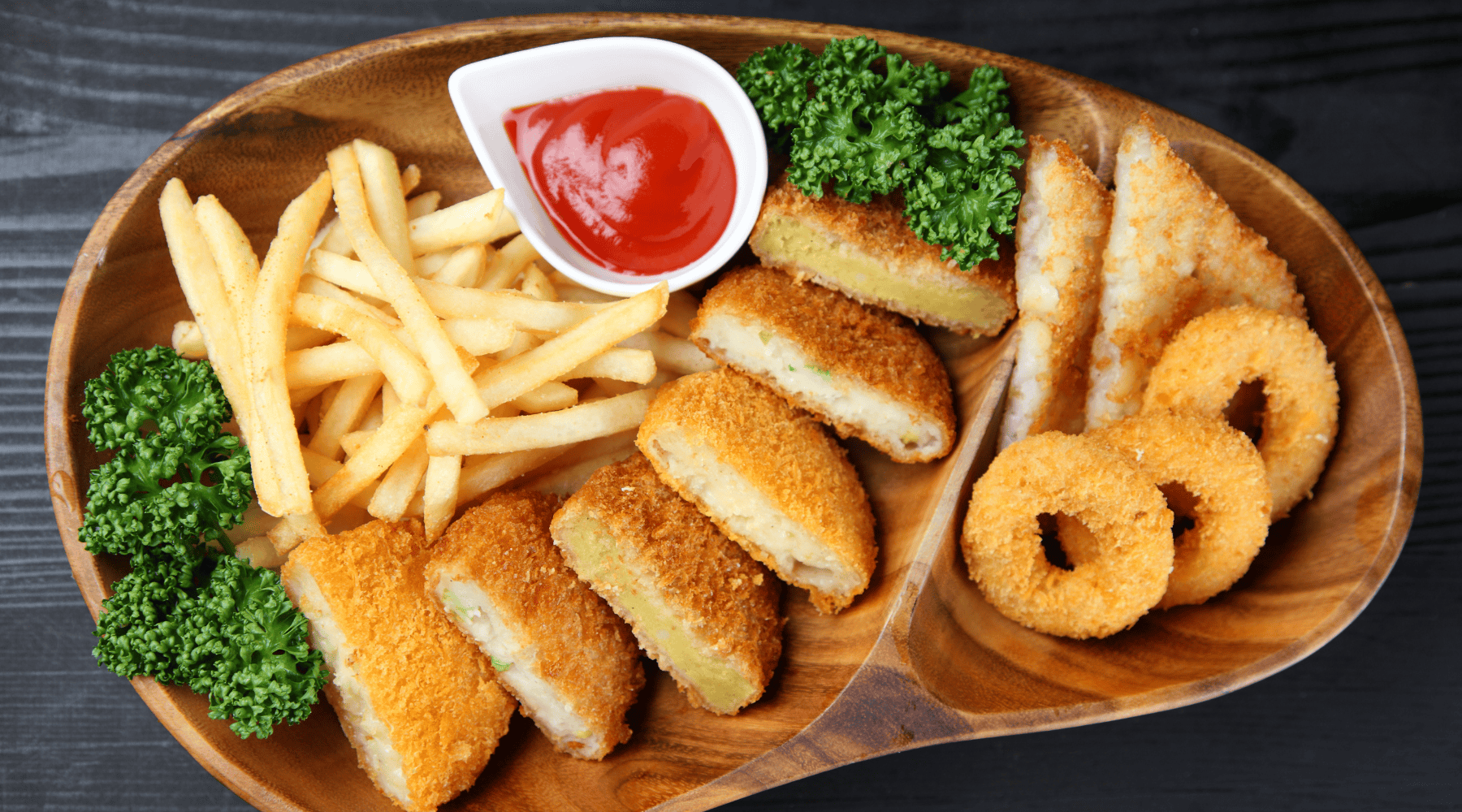
Smart alternatives: Air-fry, bake, or pan-roast; avoid visibly dark/over-browned fries and chips; don’t reuse frying oil at home.
What the evidence says: These don’t directly “cause cancer,” but they drive weight gain/obesity, which raises the risk for multiple cancers. In a large cohort, each 100 ml/day of sugary drinks was linked to higher overall and breast cancer risk. Prefer mostly water and unsweetened drinks.
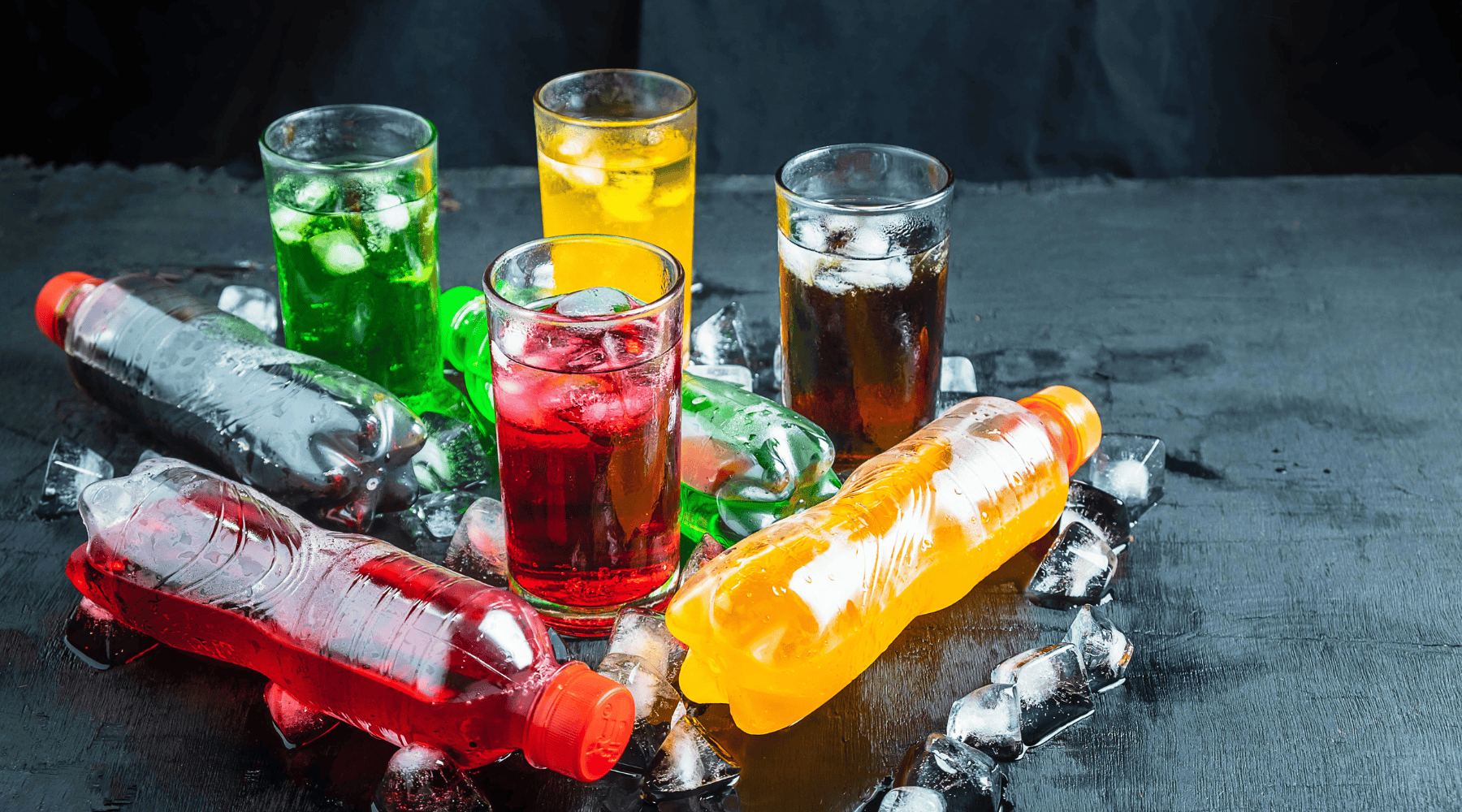
Smart alternatives: Water, soda water with nimbu, chaas without sugar; choose whole grains over refined. For a balanced plan beyond cutting soda, see our cancer and nutrition guide: Foods that could help recovery[b].
What the evidence says: The cancer worry is overstated, and it is actually a myth. Worker lung disease (“popcorn lung”) came from inhaling diacetyl in factories - this is not a cancer risk to consumers.
Smart alternatives: Air-pop at home; season with spices/olive oil; choose low-salt packs.
What the evidence says: Clear, dose-dependent carcinogen (mouth/throat, liver, breast, colorectal). For cancer prevention, not drinking is best; any amount increases risk.
Smart alternatives: Mocktails, sparkling water with fruit; if you drink, keep it rare and minimal. Always be honest with your oncologist about your alcohol intake.
What the evidence says: Often listed online among cancer causing food items, canned foods themselves aren’t the issue; the debate is over BPA in some can linings. Human cancer links are inconclusive; many brands are now BPA-free.
Smart alternatives: Look for “BPA-free” cans; favour glass pouches/jars, fresh or frozen produce.
What the evidence says: Salt-preserved options (certain pickled veg, salted fish) are among common foods that cause cancer, especially stomach cancer risk. Cantonese-style salted fish is linked to nasopharyngeal cancer. Keep salt low and portion pickles small.
Smart alternatives: Fresh pickles with less salt/vinegar, more lemon, herbs, and fridge storage; aim for <5 g salt/day overall. Curious how stomach cancers develop? Here’s how gastric cancer progresses.[c]
Smart alternatives: Water, unsweetened tea/coffee, naturally flavoured water; if you use sweeteners, keep intake low.
What the evidence says: High-heat cooking (grilling, pan-frying) creates HCAs/PAHs; these damage DNA in lab studies and may raise cancer risk with frequent intake. Reduce charring and cook low and slow.
Smart alternatives: Marinate, flip often, trim fat, cook at lower heat; consider steaming, stewing, and baking. Check our guide on the cancer linked food habits that you should be aware of![d]
| Claimed cancer causing foods | Debunking the myths |
|---|---|
| Tomatoes | They contain lycopene, but their consumption does not increase the risk of cancer. In fact, lycopene decreases the risk. |
| Coffee | It is often taken to be a cause of cancer. In contrast, the truth is that its moderate consumption is absolutely safe. |
| GMOs (Genetically Modified Organisms) | There is no link between GMOs and the foods that could cause cancer in humans. |
| Dairy Products | Consumption of dairy products in control poses zero risk. |
| Soy Products | Soy products may have phytoestrogens that are often linked to breast cancer, but eating soy in moderation causes no harm. |
| Frozen Foods | Freezing the food does not result in the development of carcinogens. |
| Reusing Cooked Oil | The risk is associated with excessive re-heating at high temperatures, but a one-time reuse is harmless. |
| Reheated tea | Social media and viral videos claim that reheated tea creates toxic substances that cause cancer. No scientific research seems to support these claims. |
| Acidic Foods | Acidic Foods Claims say that acidic food secretes acid in the body, and can cause cancer. The truth is, food cannot change the body’s pH so easily. |
Now you know the 10 top foods that might be causing cancer and the fact that food isn’t a switch that turns cancer on or off. If you want simple wins, start here: cut back on processed meat and alcohol, go easy on deep-fried or charred foods, keep salt modest, and swap sugary drinks for water or chaas. Choose more whole foods, legumes, vegetables, fruit, and gentler cooking methods. That approach lowers risk far more than fixating on any single item from a list of cancer causing foods.
If you’re in treatment or recovery, your priorities shift to maintaining strength, weight, and comfort. The right plan depends on your diagnosis, medicines, and symptoms.