
Nutrition5 min read
Spirulina Biotic Powder: Benefits, Nutrition Facts and Its Role in Cancer Nutrition
Dr. Vrundali Kannoth
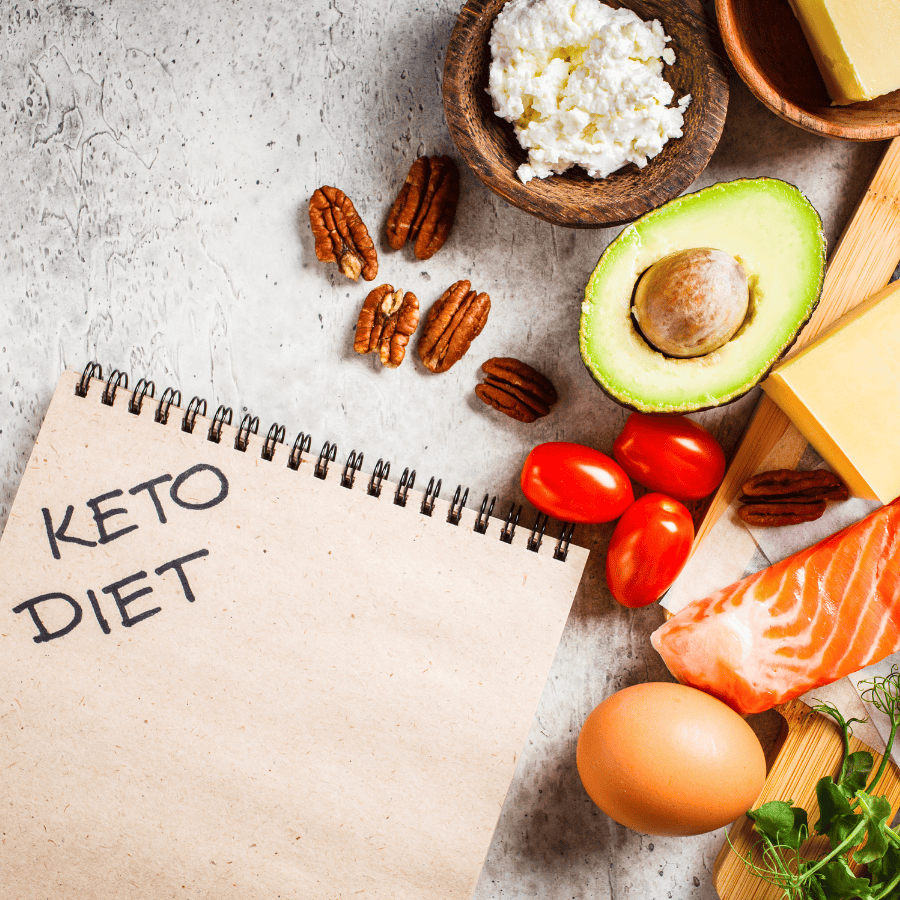
Perhaps your oncologist mentioned dietary changes could support your treatment. Or maybe you've read about the keto diet for cancer patients online and wondered if this approach might help you.
The ketogenic diet has gained attention in cancer care circles. Some studies suggest it might slow tumour growth or enhance treatment effectiveness. Other experts urge caution about potential risks. You want to do everything possible to fight your cancer. Diet feels like something you can control when so much else feels uncertain. But conflicting information makes it hard to know what's actually helpful versus what's just hype.
Let's examine what we genuinely know about the keto diet and cancer based on current research.
Ketogenic diet are available at the Everhope store — reviewed for use during cancer care.
The ketogenic diet is a very low-carbohydrate, high-fat eating approach that shifts your body's primary fuel source from glucose to ketones. Standard macronutrient breakdown includes:
This dramatic carbohydrate reduction forces your body into ketosis, a metabolic state where your liver converts fat into ketone bodies. These ketones become your brain and body's primary energy source instead of glucose.
Historically, the ketogenic diet was developed in the 1920s for epilepsy treatment. Its potential role in cancer treatment is newer and still being researched.
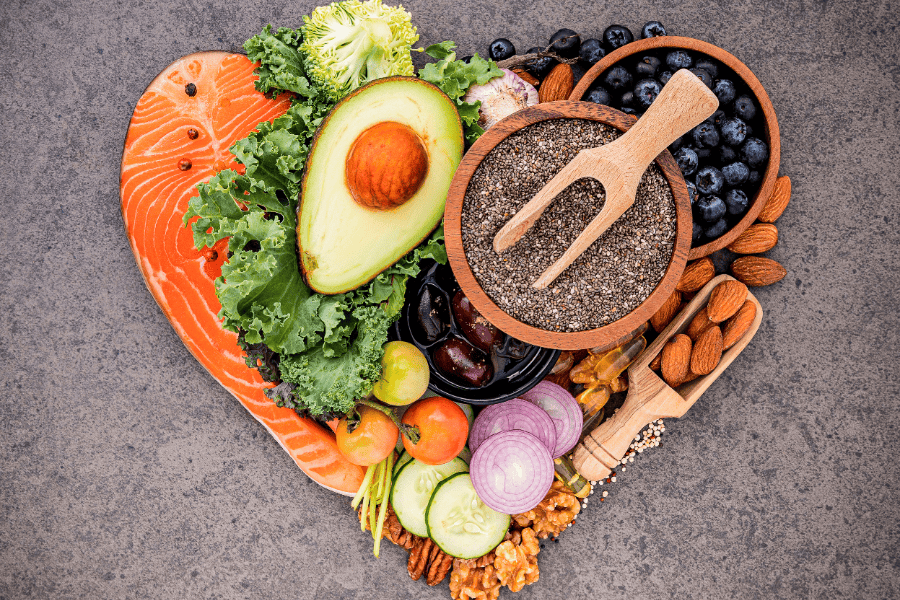
Let’s start with the main question - is keto diet good for cancer patients? This requires a nuanced answer considering both potential benefits and significant risks.
Cancer cells often rely heavily on glucose for energy (Warburg effect). By drastically reducing glucose availability through carbohydrate restriction, some researchers theorise that the keto diet for cancer patients might slow tumour growth.
Ketones may provide cancer patients' healthy cells with energy while potentially starving cancer cells that struggle to metabolise ketones efficiently.
Ketogenic diets reduce insulin and insulin-like growth factor levels. Since these hormones can promote cancer growth, lowering them might be beneficial.
However, most keto diet cancer research involves laboratory studies or animal models. Human clinical trials remain limited with mixed results.
Research found that whilst some small studies showed promise, large-scale human trials haven't definitively proven keto diet for cancer treatment improves survival or outcomes.
Different cancer types may respond differently. Brain tumours (glioblastomas) show the most promise in preliminary research, whilst evidence for other cancer types remains insufficient.
Cachexia (cancer-related weight loss and muscle wasting) makes high-fat, low-protein approaches potentially dangerous. Kidney or liver dysfunction complicates ketone metabolism. Pancreatic insufficiency impairs fat digestion. Keto diet for cancer patients requires individualised assessment, not blanket recommendations.
Some emerging evidence suggests that the keto diet for cancer treatment might complement conventional therapies rather than replace them. Check out these potential synergistic effects:
Critical considerations:
The keto diet for cancer patients should never replace proven cancer treatment approaches. It's potentially complementary at best. Weight maintenance during cancer treatment is crucial. If the keto diet for cancer treatment causes weight loss or poor nutrition, it's counterproductive. Any dietary intervention during active cancer treatment requires oncologist approval and registered dietitian supervision.
Creating a keto diet plan for cancer patients requires careful attention to nutritional adequacy, not just macronutrient ratios. Here are a few factors on the basis of which your diet plan should be personalised:

Sample keto diet plan for cancer structure:
Breakfast:
Mid-morning:
Lunch:
Afternoon:
Evening:
Dinner:
Keto diet plan for cancer patients must be monitored by oncology nutrition professionals, ensuring nutritional adequacy.
Building a nutritious keto diet for cancer patients focuses on nutrient-dense, anti-inflammatory options. Healthy fats (foundation of keto):
Quality proteins:
Low-carb vegetables:
Anti-inflammatory additions:
This aligns with foods that prevent cancer research that emphasises on anti-inflammatory, nutrient-dense options.
Understanding cancer foods to avoid on ketogenic approach prevents sabotaging therapeutic benefits. High-sugar foods (completely eliminated):
Refined carbohydrates:
Starchy vegetables:
Processed and inflammatory foods:
This approach aligns with general diet for cancer patients recommendations, avoiding inflammatory, nutrient-poor foods regardless of whether following the ketogenic approach.
Keto diet for cancer patients carries real risks requiring medical supervision. Short-term side effects (keto flu):
Longer-term concerns:
Research shows that keto diet for cancer patients, attempted without medical supervision, risks serious complications, including severe malnutrition during vulnerable treatment periods.
Does keto diet prevent cancer? Current evidence doesn't support ketogenic diets as cancer prevention strategy for the general population. Research on the keto diet and cancer treatment support shows promise but remains preliminary. The keto diet for cancer patients might benefit select individuals under careful medical supervision, but it's not appropriate for everyone. Cancer type, treatment stage, nutritional status, and individual health factors all influence whether ketogenic approach makes sense.
We know that cancer and food habits matter enormously, but extreme dietary restrictions aren't always beneficial. Sometimes, maintaining weight, strength, and quality of life through flexible, nutritious eating serves patients better than rigid dietary protocols.
If you're considering a keto diet plan for cancer patients, discuss it thoroughly with your oncology team. Never attempt a ketogenic diet during cancer treatment without professional guidance. For personalised nutritional counselling addressing your specific cancer type and treatment plan, connect with experienced oncology dietitians who can provide evidence-based guidance tailored to your needs.
Safety depends on individual factors, including cancer type, nutritional status, and treatment protocols. Some patients tolerate it well while others experience worsened side effects. Medical supervision is essential.
Limited evidence exists specifically for breast cancer. Some small studies show promise but larger trials are needed. Hormone-receptor status and treatment type affect recommendations.
Long-term safety remains unclear. Some survivors maintain modified ketogenic approaches successfully, while others transition to less restrictive healthy eating patterns after treatment. Individual monitoring is crucial.