
Diet for Cancer Patients: Nutritious Foods to Eat in Treatment

Written by Dr. Manjari Chandra, Consulting Clinical & Functional Nutritionist
5 min read
On this page
When you're facing cancer treatment, food becomes more than just fuel. It becomes medicine, comfort, and one of the few things you can control.
Yet eating well during treatment often feels impossible. Nausea, loss of appetite, taste changes, diarrhoea, and fatigue all make eating challenging precisely when your body needs nutrition most.
Understanding what food can cancer patients eat and how to structure a diet for cancer patients makes an enormous difference. Good nutrition helps you maintain strength, fight infection, manage side effects, and potentially improve treatment outcomes.
We'll explore which food is best for cancer patients, provide a realistic meal plan, and answer common questions about diet during treatment.
Why diet for cancer patients matters during treatment
Nutrition for cancer patients isn't just about staying fed. It's about supporting your body through one of the most demanding challenges it will ever face.
Eating well through treatment is hard. Get a personalised onco-nutrition plan from Everhope's dietitians.
How cancer treatment affects nutrition & appetite
Cancer itself and cancer treatment both impact how you eat and absorb nutrition.
- Cancer's effectsTumours can alter metabolism, increase calorie needs, cause early fullness, and trigger inflammatory responses that reduce appetite.
- Chemotherapy effectsNausea, vomiting, taste changes (metallic taste, food aversions), mouth sores, and extreme fatigue all make eating difficult.
- Radiation effectsWhen directed at head, neck, chest, or abdomen, radiation can cause difficulty swallowing, loss of taste, dry mouth, or digestive upset.
- Surgery effectsAbdominal surgeries particularly affect digestion, nutrient absorption, and eating capacity temporarily.
According to research published in the Journal of Clinical Oncology up to 80% of cancer patients experience some form of malnutrition during treatment, which can lead to treatment delays, reduced treatment effectiveness, and slower recovery.
According to research published in the Journal of Clinical Oncology, up to 80% of cancer patients experience some form of malnutrition during treatment, which can lead to treatment delays, reduced treatment effectiveness, and slower recovery.
Benefits of a good diet for cancer patients during treatment
Importance of nutrition in cancer patients cannot be overstated. A healthy diet for cancer patients provides:
- Maintains strengthAdequate calories and protein prevent muscle wasting and weakness, helping you tolerate treatment better.
- Supports immune functionProper nutrition strengthens your immune system, reducing infection risk - crucial when chemotherapy lowers white blood cell counts.
- Enhances healingProtein, vitamins, and minerals speed wound healing after surgery and tissue repair throughout treatment.
- Manages side effectsStrategic food choices can reduce nausea, prevent diarrhoea, or ease constipation.
- Improves quality of lifeEating well helps maintain energy, mood, and a sense of normalcy during difficult times.
- May improve outcomesStudies suggest well-nourished patients often complete treatment as planned and may have better survival rates.
Best food for cancer patients during treatment
Food for cancer patients should prioritise nutrition density, digestibility, and appeal. Here are the top foods for cancer patients, organised by category.
| Food Category | Best Options | Why It Helps |
|---|---|---|
| Protein | Eggs, dal, paneer, chicken, fish, Greek yoghurt | Builds and repairs tissue, maintains muscle |
| Fruits | Berries, papaya, bananas, pomegranate, oranges | Antioxidants, vitamins, easy to digest |
| Vegetables | Spinach, carrots, beetroot, broccoli, sweet potato | Vitamins, minerals, fibre, immune support |
| Grains | Brown rice, oats, whole wheat, quinoa | Sustained energy, B vitamins, fibre |
| Healthy Fats | Ghee, olive oil, nuts, avocado, seeds | Calorie-dense, anti-inflammatory |
| Probiotics | Curd, buttermilk, fermented foods | Gut health, aids digestion |
Protein-rich foods for strength & healing
Protein is the best protein for cancer patients foundation. Aim for 1.2-1.5 grams per kilogram of body weight daily (higher than normal recommendations).
Plant-based sources:
- Dal varieties (moong, masoor, toor, urad) - easily digestible
- Chana, rajma, and other legumes
- Paneer and cottage cheese
- Tofu and soy products
- Quinoa and amaranth
Lean animal sources:
- Eggs (boiled, scrambled, or as omelettes)
- Chicken breast (grilled, boiled, or in light curries)
- Fish (particularly fatty fish like salmon, mackerel for omega-3s)
- Greek yoghurt or hung curd
Quick protein tips:
- Add paneer cubes to vegetables
- Mix protein powder into smoothies if appetite is poor
- Keep boiled eggs handy for quick snacks
- Make dal khichdi for easy-to-digest complete protein
Immunity-boosting fruits & vegetables
Colourful produce provides antioxidants, vitamins, and minerals that support immune function. These are essential foods to eat for cancer patients.
Best fruits:
- Berries: If available, blueberries and strawberries are antioxidant powerhouses
- Papaya: Easy to digest, rich in vitamins A and C
- Bananas: Gentle on stomach, provide potassium
- Pomegranate: Anti-inflammatory properties
- Citrus fruits: Oranges, mosambi for vitamin C
- Apples: Cooked apples are easier to digest
Best vegetables:
- Leafy greens: Spinach, methi, amaranth (rich in folate and iron)
- Carrots and beetroot: Beta-carotene, easily digestible
- Broccoli and cauliflower: Cancer-fighting compounds (cook well for easier digestion)
- Sweet potatoes: Nutrient-dense, gentle on stomach
- Bottle gourd (lauki): Very easy to digest, hydrating
Aim for 5-7 servings daily. Cook vegetables well if raw produce causes discomfort.
Whole grains & healthy carbohydrates for energy
Good food for cancer patients includes complex carbohydrates for sustained energy without blood sugar spikes.
Best choices:
- Brown rice or hand-pounded rice
- Oats (as upma, porridge, or dosa)
- Whole wheat rotis
- Millets (ragi, jowar, bajra)
- Quinoa
Preparation tips:
- Cook grains softer than usual for easier digestion
- Start with smaller portions if experiencing nausea
- Combine with protein for balanced meals
Healthy fats for brain & cell support
Don't fear healthy fats. They're calorie-dense (important when appetite is poor) and support cell function.
Include:
- Include:Ghee (1-2 teaspoons daily)
- Extra virgin olive oil
- Nuts (almonds, walnuts) if tolerated
- Seeds (flaxseeds, chia seeds, pumpkin seeds)
- Avocado if available
Fats help absorb fat-soluble vitamins (A, D, E, K) crucial for healing.
Probiotic & gut-friendly foods
Food suitable for cancer patients includes probiotics supporting gut health, especially important during treatment.
Include:
Probiotics may help prevent diarrhoea from chemotherapy and support overall digestive health.
Diet plan for cancer patients
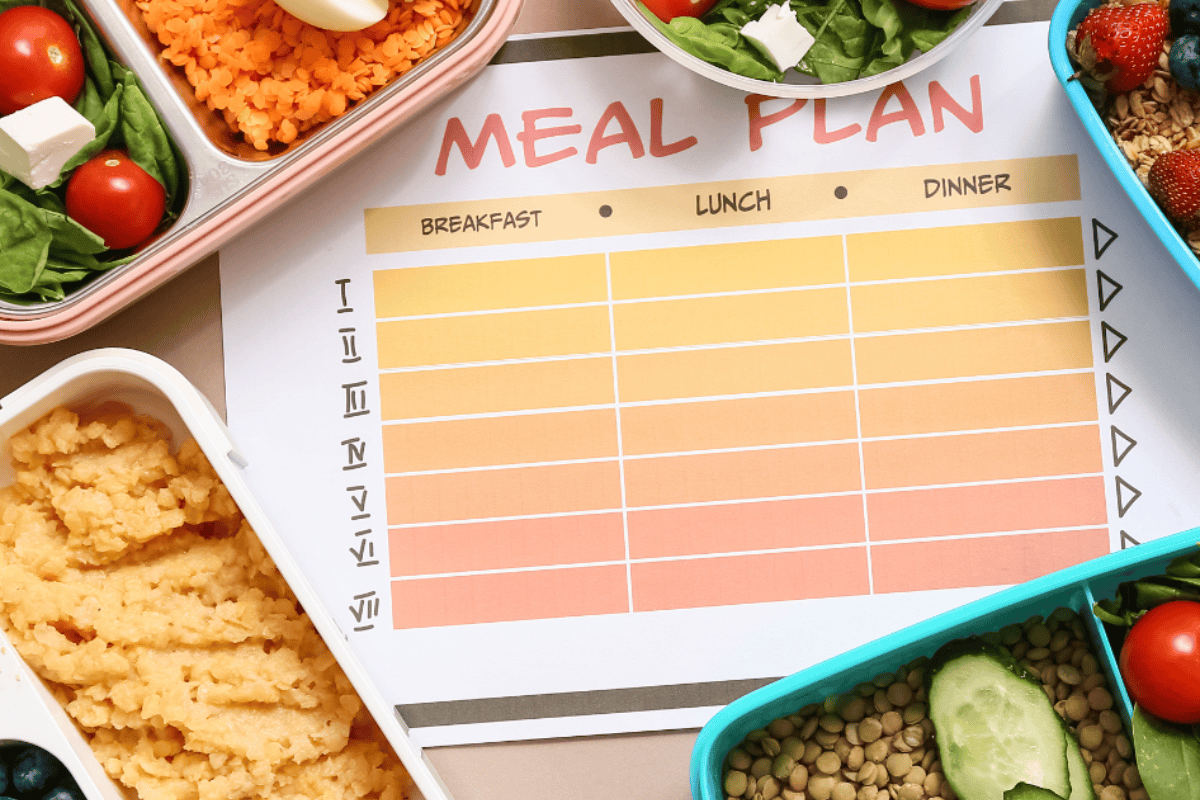
Here's a practical diet chart for cancer patients designed for Indian preferences. This healthy food for cancer patients provides balanced nutrition while being gentle on the digestive system.
Sample food chart for cancer patients
- 1 glass warm water
- 5-6 soaked almonds
Breakfast (8:30 AM)
- 1 bowl oats porridge with milk and banana OR 2 whole wheat parathas with paneer filling OR 2 idlis with sambar
- 1 boiled egg
- Herbal tea or green tea
Mid-Morning (11:00 AM)
1 fruit (papaya, banana, or apple) OR 1 glass fresh fruit smoothie with protein powder
Lunch (1:00 PM)
- 2 rotis or 1 cup brown rice
- 1 bowl dal (any variety, well-cooked)
- 1 bowl vegetable sabzi (well-cooked, minimal oil)
- 1 bowl curd
- Small salad (if tolerated)
Evening Snack (4:00 PM)
- 1 cup herbal tea
- Small handful nuts (if tolerated) OR 1 bowl roasted chana OR vegetable soup
Dinner (7:30 PM)
- 1 bowl khichdi (rice-dal combination)OR 2 rotis with dal and vegetable
- 1 bowl yoghurt or buttermilk
- Steamed vegetables
Before Bed (9:30 PM)
1 glass warm turmeric milk (haldi doodh)
Hydration Throughout Day:
- Plain water
- Coconut water
- Buttermilk
- Herbal teas
- Fresh vegetable juices
- Soups
Adjustments for side effects:
- For nausea: Eat smaller,frequent meals. Try ginger tea, crackers, plain khichdi.
- For diarrhoea:Avoid spicy foods, choose binding foods like bananas, rice, curd.
- For constipation: Increase fibre gradually, drink more fluids, include prunes or papaya.
- For taste changes:Experiment with herbs and mild spices, try cold foods if hot foods taste metallic.
Key takeaways
Creating a balanced diet for cancer patients during treatment involves:
- Prioritising protein at every meal to maintain muscle and aid healing
- Including colourful fruits and vegetables for immune support
- Choosing whole grains for sustained energy
- Adding healthy fats to increase calories and nutrient absorption
- Staying well-hydrated throughout the day
- Eating small, frequent meals if appetite is poor
- Adjusting based on treatment side effects
The natural diet for cancer patients focuses on whole, minimally processed foods that provide maximum nutrition. This special diet for cancer patients isn't about restriction but more about nourishment.
Food habits for cancer patients matter as much as food choices. Eat in calm environments, chew slowly, and listen to your body's signals.
While foods that prevent cancer get attention, during treatment, the focus shifts to nutrition food for cancer patients that supports your body through healing.
For personalised nutrition and cancer guidance to your specific cancer type and cancer treatment plan, consult with an oncology dietitian who can create an individualised food list for cancer patients, addressing your unique needs.
FAQs on food diet for cancerpatients
Should cancer patients take supplements?
Supplements should only be taken under medical supervision. Some supplements can interfere with chemotherapy or radiation effectiveness. However, if blood work shows specific deficiencies (vitamin D, B12, iron), targeted supplementation prescribed by your oncologist can be beneficial.
Are nuts and seeds good for cancer patients?
Yes, nuts and seeds are excellent Indian food for cancer patients providing healthy fats, protein, and minerals. However, avoid them if you have mouth sores (they're abrasive), difficulty swallowing, or digestive upset.
Can cancer patients follow a ketogenic or vegan diet?
This requires careful discussion with your oncology team. Ketogenic diets (very low carb, high fat) have limited evidence during active treatment and may make it harder to meet calorie needs. Well-planned vegan diets can work if protein needs are met through dal, tofu, quinoa, and other plant sources.