
Palm Oil and Cancer Risk: Side Effects & What Does The Science Say?

On this page
Walking through the grocery store, reading ingredient labels has become second nature. You're trying to make healthier choices now, especially after your diagnosis. Then you notice how many products contain palm oil. Biscuits, instant noodles, packaged snacks, and even some cooking oils. Should you be worried? Is this something else you need to avoid? These questions matter because food choices feel like one of the few things you can control right now. Let's look at what we actually know about palm oil and cancer.
Eating well through treatment is hard. Get a personalised onco-nutrition plan from Everhope's dietitians.
Palm oil and cancer: What does research say?
Scientific evidence on palm oil cancer risk presents a nuanced picture rather than simple answers. Multiple studies have investigated palm oil and cancer connections. Current research suggests palm oil itself isn't inherently carcinogenic, but processing methods and cooking practices create concerning compounds.
A European Food Safety Authority report identified potential carcinogens formed during palm oil refining at high temperatures. These include glycidyl fatty acid esters and 3-MCPD esters.
Several studies have examined dietary patterns in Indian cancer patients. While no direct palm oil cancer causation was established, heavily processed palm oil consumption correlated with poorer nutrition and cancer outcomes.
The International Agency for Research on Cancer hasn't classified palm oil as carcinogenic. However, substances formed during processing raise legitimate concerns requiring attention.
Can palm oil cause cancer?
Are you wondering, “can palm oil cause cancer?" The honest answer: probably not directly, but processing contaminants warrants caution. Studies show that unrefined, virgin palm oil doesn't demonstrate carcinogenic properties. It contains beneficial nutrients, including vitamin E and carotenoids with antioxidant properties. However, palm oil causes cancer concerns arise from industrial processing. Refining palm oil at temperatures exceeding 200°C generates glycidol, classified as probably carcinogenic to humans.
Research found that refined palm oil products in Indian markets contained 3-MCPD levels exceeding European safety thresholds by 2-3 times.
So, does palm oil cause cancer directly? Current evidence doesn't support this claim. But contaminants in processed versions create risk requiring consideration, particularly for vulnerable populations like cancer patients.
Does palm oil cause cancer according to WHO and IARC?
Understanding official classifications helps interpret palm oil and cancer risk accurately. The International Agency for Research on Cancer hasn't classified palm oil itself as carcinogenic. It's not listed in Group 1 (carcinogenic), Group 2A (probably carcinogenic), or Group 2B (possibly carcinogenic). However, glycidol (formed during palm oil refining) is classified as Group 2A, probably carcinogenic to humans. This compound forms when palm oil undergoes deodorisation at high temperatures. 3-MCPD (another processing contaminant) isn't classified as carcinogenic but raises other health concerns, including kidney damage at high exposures. The WHO recommends limiting intake of refined palm oil products, particularly for children and vulnerable populations. It emphasises that palm oil cancer risk relates primarily to processing contaminants rather than the oil itself.
How palm oil processing may increase cancer risk
Understanding how palm oil causes cancer risk through processing helps you make informed choices.
- Deodorisation at high heat (200-260°C): This step removes palm oil's natural smell and colour. Unfortunately, extreme temperatures trigger formation of glycidyl fatty acid esters (GE) and 3-MCPD esters.
- Bleaching and neutralisation: These processes remove beneficial nutrients whilst potentially creating additional contaminants. Virgin red palm oil retains antioxidants lost during refining.
- Chemical extraction: Some manufacturers use hexane or other solvents extracting oil from palm fruit. Residual solvents in final products raise additional concerns.
According to research, unrefined palm oil contains negligible contaminant levels while refined versions show 10-15 times higher concentrations.
Effect of repeated heating and cooking methods
How you cook with palm oil significantly affects palm oil and cancer risk beyond the oil's initial quality. Some of the high-heat cooking dangers include:
- Deep frying generates harmful compounds: Heating palm oil above 180°C for extended periods creates acrylamide, polycyclic aromatic hydrocarbons, and aldehydes, all linked to cancer risk.
- Reusing oil multiplies problems: Each heating cycle degrades oil quality further. Street food vendors and restaurants often reuse frying oil multiple times, dramatically increasing toxic compound formation.
- Smoke point considerations: Palm oil's smoke point is approximately 230°C. Heating beyond this creates visible smoke and carcinogenic compounds.
Palmitic acid and cancer growth
Palm oil cancer concerns also involve its high saturated fat content, particularly palmitic acid.
Laboratory studies show palmitic acid may promote certain cancer treatment resistance. It alters cancer cell membranes, potentially affecting chemotherapy effectiveness.
Studies have found that palmitic acid promoted metastasis in oral and melanoma cancers in mice. The mechanism involved changes to gene expression in cancer cells. However, human dietary studies haven't definitively proven palm oil and cancer progression links. Laboratory findings don't always translate directly to real-world outcomes.
Palm oil vs other cooking oils in cancer prevention diet
Comparing palm oil cancer risk with other oils helps guide better choices.
| Oil type | Saturated fat | Processing concerns | Cancer prevention rating |
|---|---|---|---|
| Palm oil (refined) | High (50%) | High contaminants | Avoid |
| Palm oil (virgin) | High (50%) | Low contaminants | Use sparingly |
| Olive oil (extra virgin) | Low (14%) | Minimal processing | Excellent choice |
| Mustard oil | Low (12%) | Generally unrefined | Good choice |
| Rice bran oil | Medium (25%) | Moderate processing | Good choice |
| Sunflower oil | Low (10%) | Variable processing | Moderate choice |
| Coconut oil | Very high (90%) | Minimal processing | Use sparingly |
Oncology nutrition recommendations favour extra virgin olive oil. It offers anti-inflammatory properties and polyphenols supporting nutrition and cancer recovery. It's ideal for low-heat cooking and dressings.
Cold-pressed mustard oil provides omega-3 fatty acids and minimal processing. It's traditionally used across India.
Rice bran oil offers balanced fatty acid profile and handles medium-heat cooking well.
Should cancer patients avoid palm oil?
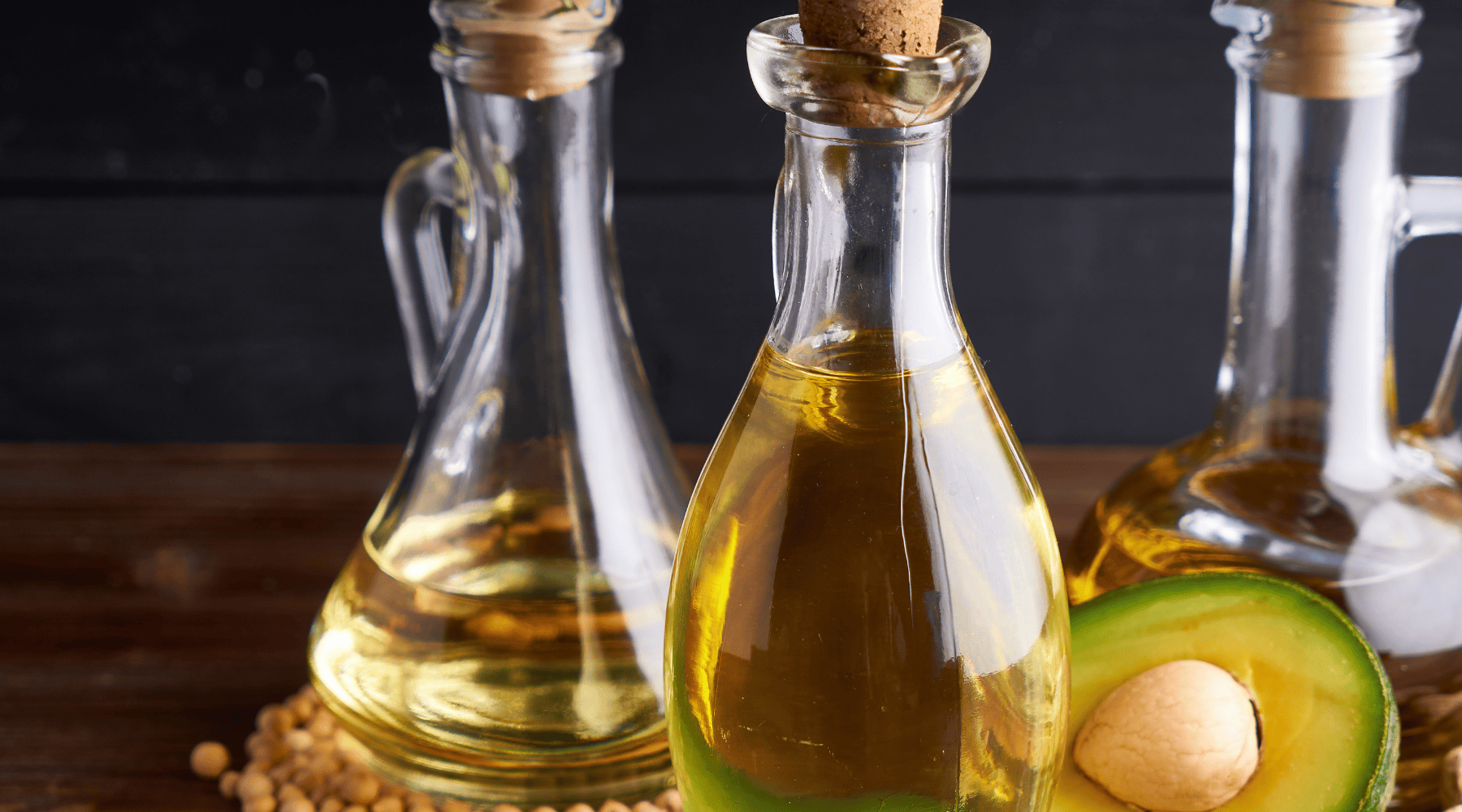
From an oncology nutrition perspective, here's practical guidance for diet for cancer patients.
- Avoid refined palm oil when possible:Check ingredient labels on packaged foods. Choose products using olive, sunflower, or rice bran oil instead.
- Don't stress about trace amounts: Palm oil and cancer concerns shouldn't cause anxiety over tiny amounts in occasional processed foods. Focus on overall dietary patterns rather than perfect avoidance.
- Prioritise unrefined oils:If using palm oil, choose virgin red palm oil. Use it sparingly for medium-heat cooking.
- Never reuse cooking oil: This applies to all oils, not just palm oil. Single-use prevents toxic compound accumulation.
- Emphasise anti-inflammatory foods: Your diet for cancer patients should prioritise vegetables, fruits, whole grains, lean proteins, and anti-inflammatory fats from olive oil, nuts, and fish.
- Cancer foods to avoid include: Heavily fried foods, particularly from street vendors reusing oil. Packaged snacks listing palm oil as the primary ingredient. Ultra-processed foods, regardless of oil type.
Conclusion on palm oil cancer
The relationship between palm oil cancer risk is complex. Palm oil itself isn't classified as carcinogenic, but processing creates concerning compounds. Does palm oil cause cancer? Directly, probably not. But contaminants in refined versions and harmful compounds from high-heat cooking warrant caution, especially for cancer patients. Your best approach: minimise refined palm oil consumption, avoid repeatedly heated oils, and prioritise minimally processed alternatives like extra virgin olive oil or cold-pressed mustard oil. Remember, palm oil and cancer concerns shouldn't overshadow bigger dietary priorities. Focus on eating plenty of vegetables, fruits, and whole foods whilst limiting ultra-processed items. For personalised nutritional guidance during cancer treatment, consult with oncology nutrition specialists who can tailor recommendations to your specific needs.
FAQs on Palm Oil and Cancer Risk
Which oil is cancer free?
No oil is completely "cancer free," but extra virgin olive oil and cold-pressed mustard oil have best evidence for cancer prevention with minimal processing-related contaminants.
Is red palm oil safer than refined palm oil?
Yes, unrefined red palm oil contains negligible processing contaminants whilst retaining beneficial antioxidants, though its high saturated fat content still warrants moderate use.
Is palm oil safe to consume in moderation?
Occasional consumption of virgin palm oil in moderation appears safe, but cancer patients should prioritise oils with better anti-inflammatory profiles like olive or mustard oil.