
Education5 min read
Metastatic Prostate Cancer Guide: Diagnosis, Treatment & Care
Dr. Vrundali Kannoth
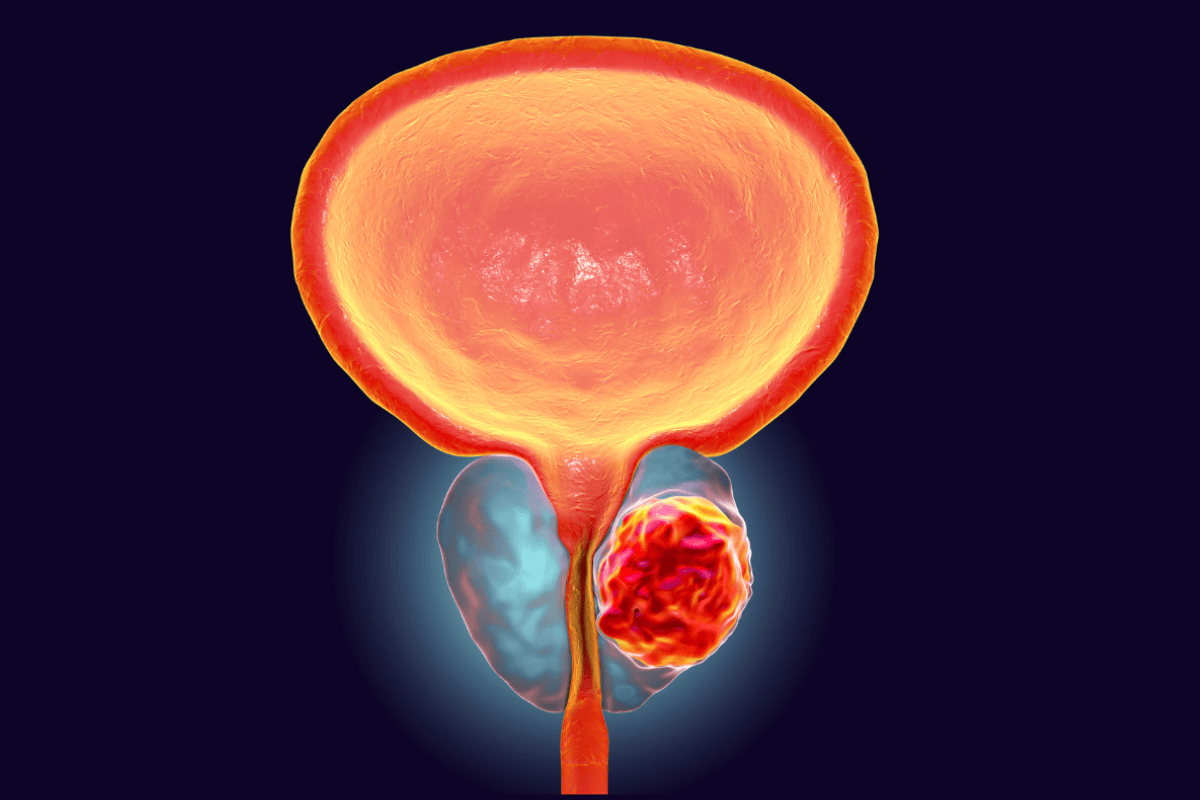
Hearing the word prostate cancer is never easy, but when it’s linked with age, it often stirs more fear than facts. After all, prostate cancer rates by age show that it is the world’s second-most common cancer among men.
Many men silently wonder: Is there a “right” prostate cancer age to start worrying? Or does the risk appear only in old age?
Doctors agree that prostate cancer and age are closely related, but it’s not as simple as saying “it happens after 50”.
Age isn’t just a number when it comes to prostate health. The risk of developing prostate cancer rises gradually, making prostate cancer age one of the strongest predictors of diagnosis.

Prostate cancer is linked to age because the prostate cells go through years of wear and genetic changes before turning malignant.
The median age for all cancers is 67, but this gets you wondering, “At what age does prostate cancer occur?” Well, the average age of prostate cancer diagnosis is around 68 years. This shows how closely prostate cancer is connected to age.
Cases rise sharply after 55 and peak in the early 70s. While the disease can appear earlier, the probability of prostate cancer by age remains low in men under 50.
With each passing decade, cell repair slows and genetic mutations build up, raising the prostate cancer risk. That’s why old age and prostate cancer often go together, not because aging guarantees illness, but because longer exposure gives abnormal cells more time to grow.
When it comes to prostate cancer at a young age, the numbers stay reassuringly low. Most men diagnosed belong to the older age group of prostate cancer, typically between 60 and 75 years.
While such cases are rare, they can be more aggressive. Doctors recommend that men with a family history begin discussions about screening earlier, even if their prostate cancer risk seems distant. Awareness, not anxiety, makes the biggest difference.
Knowing the right prostate cancer screening age can make all the difference between early detection and delayed diagnosis. Most health experts agree that there’s no one-size-fits-all rule; the right prostate cancer test age depends on your personal risk.
Men should start discussing screening at:
Screening typically includes:
In India, the recommended prostate cancer check-up age also falls between 50-55, though doctors may suggest earlier tests for those with symptoms or family risk.
Understanding your prostate cancer age and starting timely screenings can dramatically improve survival odds.

While the “1 out of 8 men get diagnosed” prostate cancer statistics by age might scare you, there is good news to it: Survival after prostate cancer diagnosis by age remains high, especially when caught early.
Still, survival outcomes depend less on age alone and more on stage, grade, and how early treatment begins. That’s why regular monitoring and timely therapy matter: early detection often means living a long, healthy life even after a prostate cancer treatment plan.
Recognising prostate cancer symptoms by age can help catch the disease before it progresses. The table below outlines common signs of prostate cancer by age and how they tend to appear across different stages of life.
| Age group | Common symptoms | Why it matters |
|---|---|---|
| Under 50 | Usually asymptomatic; rare cases may show urinary issues or pelvic discomfort | Prostate cancer at a young age is rare but often more aggressive if it occurs. Early check-ups are advised for those with a family history. |
| 50-65 years | Frequent urination (especially at night), weak urine flow, or blood in urine | This is the key age range for detection. Symptoms may overlap with benign prostate enlargement , so screening is crucial. |
| 65+ years | Difficulty urinating, bone or lower back pain, fatigue, or erectile issues | In this prostate cancer age, symptoms may be subtle or mistaken for aging. Early reporting improves treatment success. |
The right prostate cancer treatment options depend on both how far the disease has progressed and the patient’s overall health. Doctors today take a personalised approach, adjusting plans by stage, comorbidities, and prostate cancer age to balance effectiveness and recovery.

Reducing your prostate cancer age risk isn’t about strict rules, it’s about consistency and awareness. If you’re worried about your loved one’s health, use these tips to maximise prevention across life stages:
Small choices today shape long-term resilience, and that’s the real power of prevention.
No matter your prostate cancer age, knowledge is your best line of defence. Prostate cancer doesn’t happen overnight; it develops slowly, shaped by years of habits, genes, and health choices. Since most men diagnosed today survive and live fulfilling lives, there is a lot more hope than in the earlier days.
Most prostate cancer ages include 60 and 75, with the average age being around 68 years. Cancer in younger ages is quite rare.
No. Prostate cancer in young age is rare. Less than 2% of cases occur before 50, though those few can be more aggressive and may require a thorough treatment plan.
The five-year survival rate of prostate cancer ages detected earlier is almost 100%. But it is seen to drop to about 30-35% in advanced stages. Early screening truly saves lives.