

What Is Enlarged Prostate (BPH)? Signs, Diagnosis and Treatment
Dr. Vrundali Kannoth|5 min read|
Have you noticed changes in your urination habits: frequent trips to the bathroom, difficulty starting to pee, or a weak urine stream? Maybe you wake up several times at night to urinate or feel that your bladder isn't fully emptying when you finish. These common symptoms might be signaling something more than just the ordinary signs of aging; they might indicate an enlarged prostate. For many men, discovering these symptoms can raise worries about their health and future wellbeing. The term "enlarged prostate" often comes with questions and concerns. What exactly is it? Is it dangerous? Can it be treated effectively?
This blog aims to clarify enlarged prostate meaning, how to recognise its signs, understand the diagnosis process, and explore the best treatment options available today.
What is an enlarged prostate (BPH)?
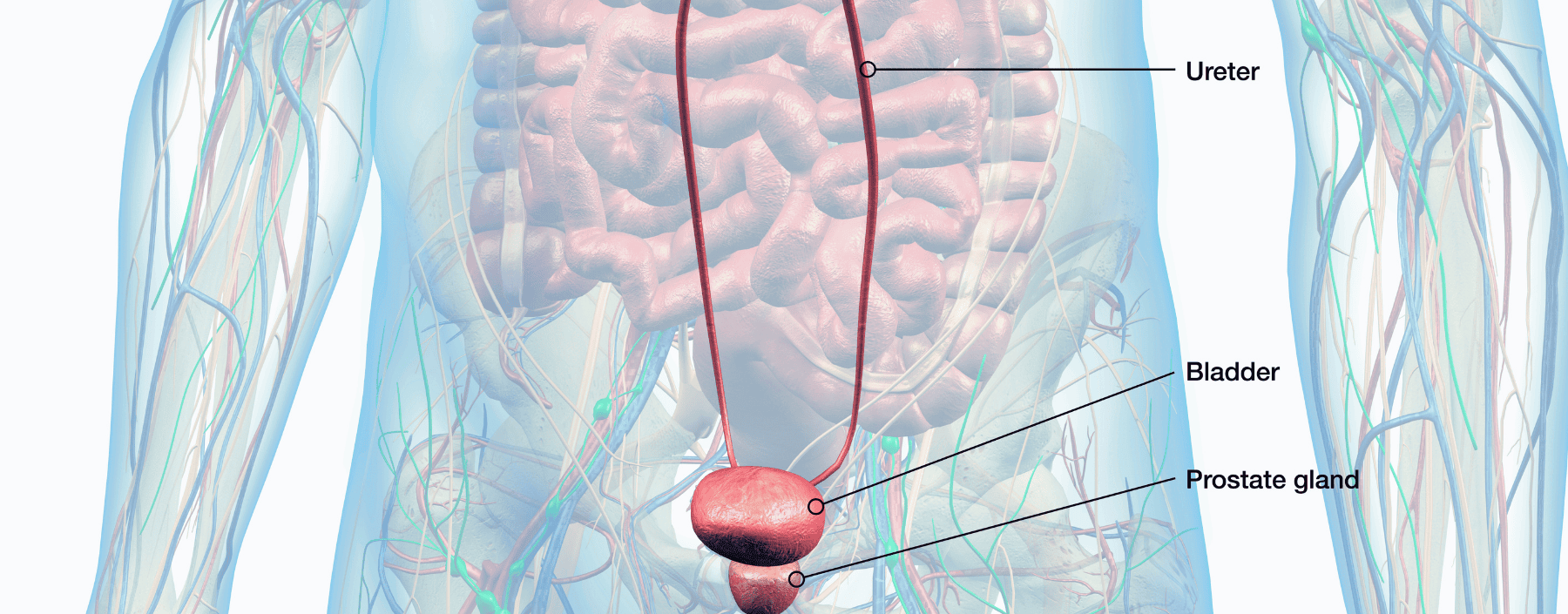
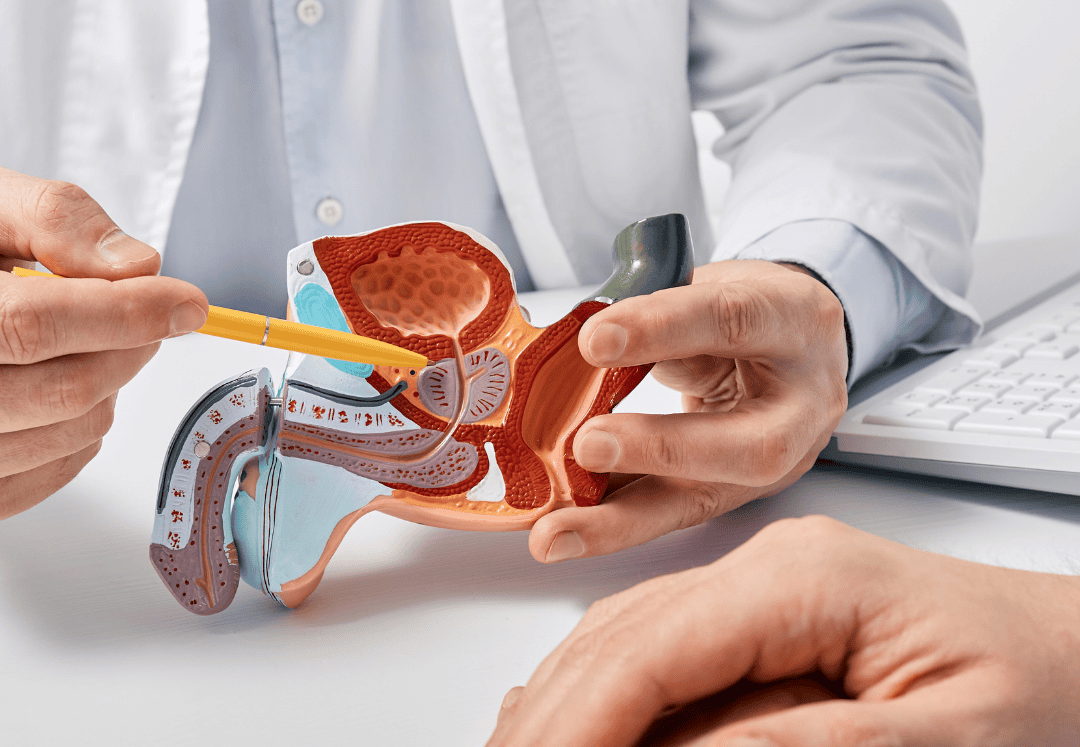
An enlarged prostate, medically known as Benign Prostatic Hyperplasia (BPH), is the non-cancerous enlargement of the prostate gland. The prostate, a small gland located below the bladder and in front of the rectum, plays an important role in the male reproductive system by producing fluid that nourishes and transports sperm. When the prostate grows beyond its normal size, it can squeeze the urethra, the tube that carries urine out of the body, leading to urinary difficulties.
Causes and risk factors
Various factors contribute to the gradual growth of the prostate gland as men age. Understanding the enlarged prostate causes can empower men to take proactive steps toward maintaining prostate health and seeking timely medical advice.
Reasons for enlarged prostate
- •AgingThe prostate gland naturally grows throughout a man’s life. Enlargement rarely causes symptoms before age 40, but the likelihood increases significantly with advancing age.
- •Hormonal changesShifts in the balance of sex hormones, particularly testosterone and dihydrotestosterone (DHT), are believed to trigger prostate growth.
- •Family historyMen with a close relative who has experienced enlarged prostate problems are at increased risk.
- •Lifestyle factorsObesity, lack of physical activity, and diet can influence prostate health, with studies showing that obesity raises the risk of enlargement.
Who is more likely to have BPH?

Benign Prostatic Hyperplasia (BPH) commonly affects men aged 50 and above. Besides age, medical conditions such as diabetes and heart disease also play a role in risk. Studies indicate that men with a family history and metabolic conditions have higher rates of BPH development.
Signs of enlarged prostate
Recognising the early signs of enlarged prostate can greatly influence treatment success and quality of life. Symptoms often develop gradually, affecting urination patterns such as frequency, urgency, and stream strength.
Understanding these symptoms enables timely medical consultation and helps prevent complications like prostate cancer symptoms from untreated prostate enlargement.
Early vs. advanced symptoms
Symptoms of an enlarged prostate can vary widely, starting with mildly enlarged prostate with urinary changes and potentially progressing to more severe complications if left untreated.
| Early symptoms | Advanced symptoms |
|---|---|
| Frequent urination, especially at night | Acute urinary retention (inability to urinate) |
| Difficulty starting urination | Urinary tract infection |
| Weak or interrupted urine stream | Bladder stones |
| Urgency to urinate | Kidney damage due to urine backflow, urinary incontinence (inability to control) |
| Feeling of incomplete bladder emptying | Blood in urine (hematuria) |
Complications of untreated enlarged prostate

If left untreated, an enlarged prostate can lead to serious and sometimes irreversible complications that affect urinary function and overall health. Early diagnosis and management are crucial to prevent the effects of enlarged prostate.
- •Urinary retentionThis is the sudden inability to urinate due to blockage of the urethra by the enlarged prostate. It is a medical emergency requiring immediate catheterisation to drain the bladder and sometimes surgery to relieve obstruction.
- •Recurrent urinary tract infections (UTIs)Incomplete bladder emptying fosters bacterial growth, raising the risk of urinary tract infections that can cause pain, fever, and further complications.
- •Bladder stonesThese develop when sediments accumulate in stagnant urine left in the bladder due to poor emptying. Stones can cause irritation, infection, and blood in the urine.
- •Bladder damageConstant overdistension from urine retention weakens the bladder muscles. It reduces their ability to contract and fully empty the bladder, causing worsening symptoms.
- •Kidney damageProlonged back pressure from urine retention and repeated infections can damage the kidneys, potentially leading to kidney failure if untreated.
Enlarged prostate diagnosis and tests
Diagnosing an enlarged prostate begins with a detailed discussion of your symptoms and medical history, followed by a physical examination and targeted tests to confirm prostate enlargement and rule out other conditions. Accurate diagnosis guides the most effective prostate gland enlargement treatment plan.
Common diagnostic methods include:
- •Digital Rectal Exam (DRE)The doctor inserts a gloved finger into the rectum to check the size, shape, and texture of the prostate gland.
- •Prostate Specific Antigen (PSA) blood testMeasures PSA levels in the blood, which can be elevated in BPH, infection, or prostate cancer.
- •UrinalysisTests a urine sample to check for infections or urinary tract issues that may mimic or coexist with BPH symptoms.
- •ImagingUltrasound (transrectal or abdominal) provides images of the prostate size and bladder condition.
- •Blood Urea Nitrogen (BUN) testMeasures the level of urea nitrogen in the blood, which helps assess kidney function.
These comprehensive tests help differentiate BPH from other urinary or prostate conditions and tailor the treatment accordingly.
Enlarged prostate treatment options
Treatment for an enlarged prostate varies based on the severity of symptoms, overall health, and patient preferences. Options range from conservative lifestyle changes to medications and minimally invasive procedures.
Prostate enlargement prevention through lifestyle changes
Simple lifestyle modifications can greatly ease symptoms of an enlarged prostate and potentially delay or reduce the need for medical treatment.
- •Limit fluid intake before bedtimeReduce nighttime urination.
- •Avoid caffeine, alcohol, and spicy foodsIrritate the bladder.
- •Follow a Mediterranean dietRich in fruits, vegetables, and healthy fats.
- •Maintain a healthy weightLower inflammation risks.
- •Engage in regular exerciseBetter circulation and hormone balance.
- •Practice double voidingFully empty the bladder.
- •Avoid smoking and manage stressRelaxation techniques.
Medicines for enlarged prostate
Medication is often the first choice for managing mild to moderate enlarged prostate signs. Doctors usually suggest:
- •Alpha blockersRelax prostate and bladder muscles to ease urine flow.
- •5-alpha reductase inhibitorsShrink prostate size over months.
- •Combination therapyCan provide enhanced symptom relief.
- •TadalafilMay be prescribed for BPH with erectile dysfunction.
A 2025 review highlights the key role of hormone changes in driving BPH and explores promising new treatments involving growth hormone-releasing hormone (GH-RH) antagonists that reduce prostate size and inflammation.
Minimally invasive and latest treatments
Minimally invasive procedures and advanced technologies provide effective symptom relief with less recovery time and fewer side effects compared to traditional surgery.
- •Laser therapiesVapourise or remove obstructive prostate tissue.
- •Optilume BPH catheter systemNon-surgically widens the urethra.
- •UroLift implantsLift prostate tissue to relieve pressure on the urethra.
- •Water vapour therapyUses steam to shrink excess tissue.
- •Robotic waterjet ablationPrecisely removes obstructive tissue.
Can enlarged prostate be cured?
An enlarged prostate gland (BPH) cannot be fully cured but can be effectively managed with medications, lifestyle changes, or treatments to relieve symptoms and improve quality of life. Surgery is an option for severe cases.
Enlarged prostate treatment cost in India
The cost of an enlarged prostate treatment in India depends on the chosen treatment type, hospital facility, and geographic location. Here is an overview:
| Treatment/test | Average cost range (₹ INR) | Notes |
|---|---|---|
| Medications (annual cost) | 12,000-25,000 | Includes alpha blockers and 5-ARIs |
| Transurethral resection of prostate (TURP) | 55,000-1,20,000 | Most common surgical option |
| Laser prostate surgery (HoLEP/GreenLight) | 80,000-1,60,000 | Minimally invasive, quick recovery |
| UroLift system | 1,20,000-2,00,000 | Newer minimally invasive implant procedure |
| Prostate artery embolisation (PAE) | 1,00,000-1,80,000 | Interventional radiology procedure |
| Open prostatectomy | 70,000-1,30,000 | More invasive, reserved for large prostates |
| Diagnostic tests - PSA, ultrasound, cystoscopy | 1,500-10,000 | Pre-treatment screening and evaluation for prostate specification or prostate cancer diagnosis |
Enlarged prostate treatment costs vary based on treatment type, hospital, and location. Patients are advised to consult healthcare providers for personalised cost estimates.
What comes next
Enlarged prostate is a common and manageable condition when approached with timely diagnosis and appropriate care. Understanding the nature of prostate enlargement and its treatment options removes uncertainty and empowers effective decision-making.
Keep in mind: While symptoms may start subtly, ignoring them can lead to complications.
Early evaluation by a specialist expands your treatment choices, often reducing the need for invasive procedures. If you notice changes like frequent urination, difficulty starting or stopping flow, or a feeling of incomplete emptying, do not worry.
Consult experienced urology and oncology doctors for prostate enlargement tests, or for prostate treatment.
Questions
FAQs on enlarged prostate
What is the difference between enlarged prostate and prostate cancer?
An enlarged prostate, or benign prostatic hyperplasia (BPH), is a non-cancerous growth causing urinary symptoms. Prostate cancer involves malignant cells that may spread, often requiring different treatment and surveillance.
At what age does an enlarged prostate usually start?
Prostate enlargement typically begins after age 40 and becomes more common with age, especially in men over 50.
Is surgery necessary for an enlarged prostate?
Surgery is not always necessary; many cases are managed with lifestyle changes and medication. Surgery or minimally invasive procedures are reserved for severe symptoms or complications.
Related Blogs
Symptoms5 min read
What Causes an Enlarged Prostate? Complete Guide to BPH Symptoms and Treatment
Dr. Vrundali Kannoth