+918929672099
Call Us
Abdominal Lump Explained: Causes, Risk & Treatment
Dr. Vrundali Kannoth| min read|
Finding a lump in your body is worrisome, especially when you don’t know what caused it. An abdominal lump is a swelling or mass that can appear anywhere between your chest and pelvis.
While most lumps are harmless, some may need medical attention if they cause discomfort or start growing. Some are temporary, like those caused by gastrointestinal infections or inflammation, while others don’t go away because of growths or structural issues.
This blog explains
what you need to know about abdominal lump causes, symptoms, diagnosis, and abdominal mass treatment options. You’ll know when to worry, how doctors identify the type of lump, and what modern therapies can help manage or remove it safely
What is an abdominal lump?
Abdominal lump meaning:
An abdominal lump is any swelling or lump in abdomen above belly button or near it that feels out of place. It might show up suddenly or develop slowly over time.
While the term sounds alarming, not every lump means something serious. Many are harmless growths like fat deposits or small cysts.
1. Size and shape
Lumps in the abdomen can range from pea-sized nodules to large swellings that change your belly’s contour. A smaller lump that stays the same size over time is often benign, while a growing or irregularly shaped mass should be evaluated by a healthcare professional.
2. Location
The position of the lump can give clues about its origin.
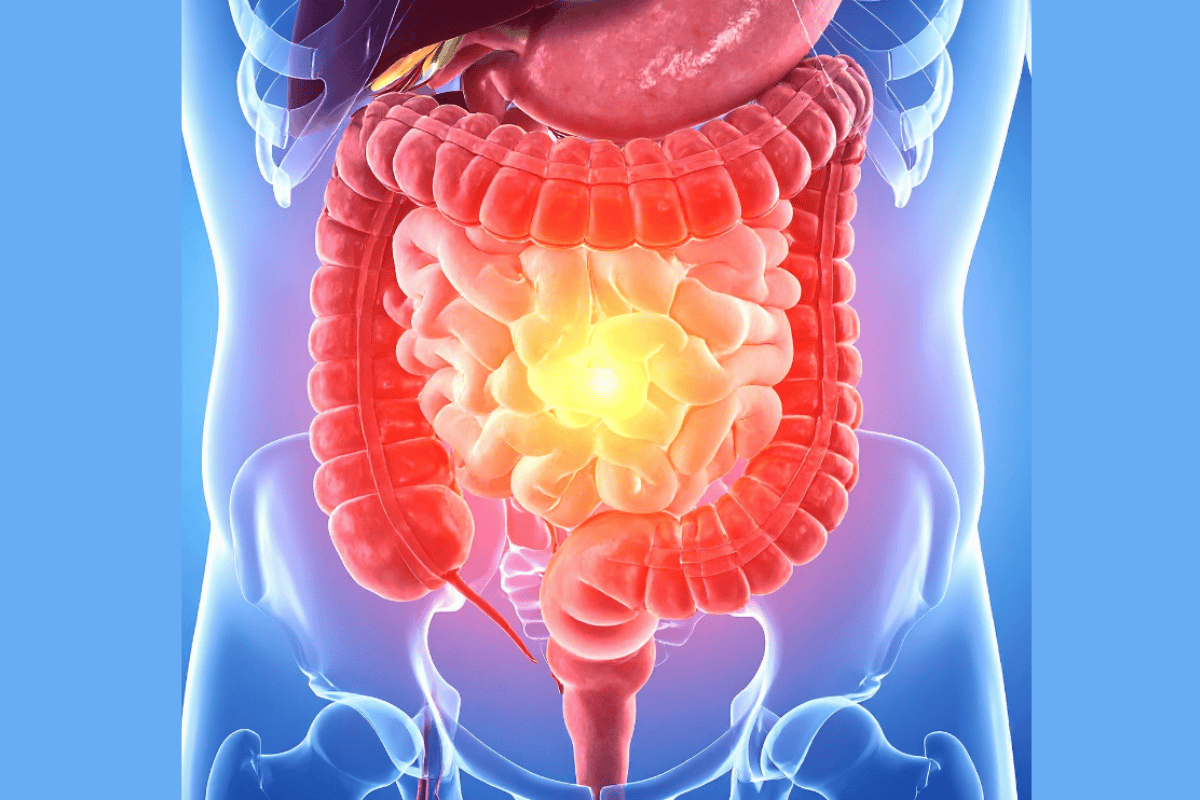
- •Upper abdomen:A lump in upper abdomen may relate to organs like the liver or stomach.
- •Lower abdomen:Could be linked to intestines, ovaries, or urinary structures.
- •One-sided lump:Might indicate a localised issue, such as a hernia or lipoma.
Some lumps are soft and movable, like lipomas (fatty tissue growths), while others are firm or fixed and may require further investigation.
3. Texture and feel
Some lumps are soft and movable, like lipomas (fatty tissue growths), while others are firm or fixed and may require further investigation.
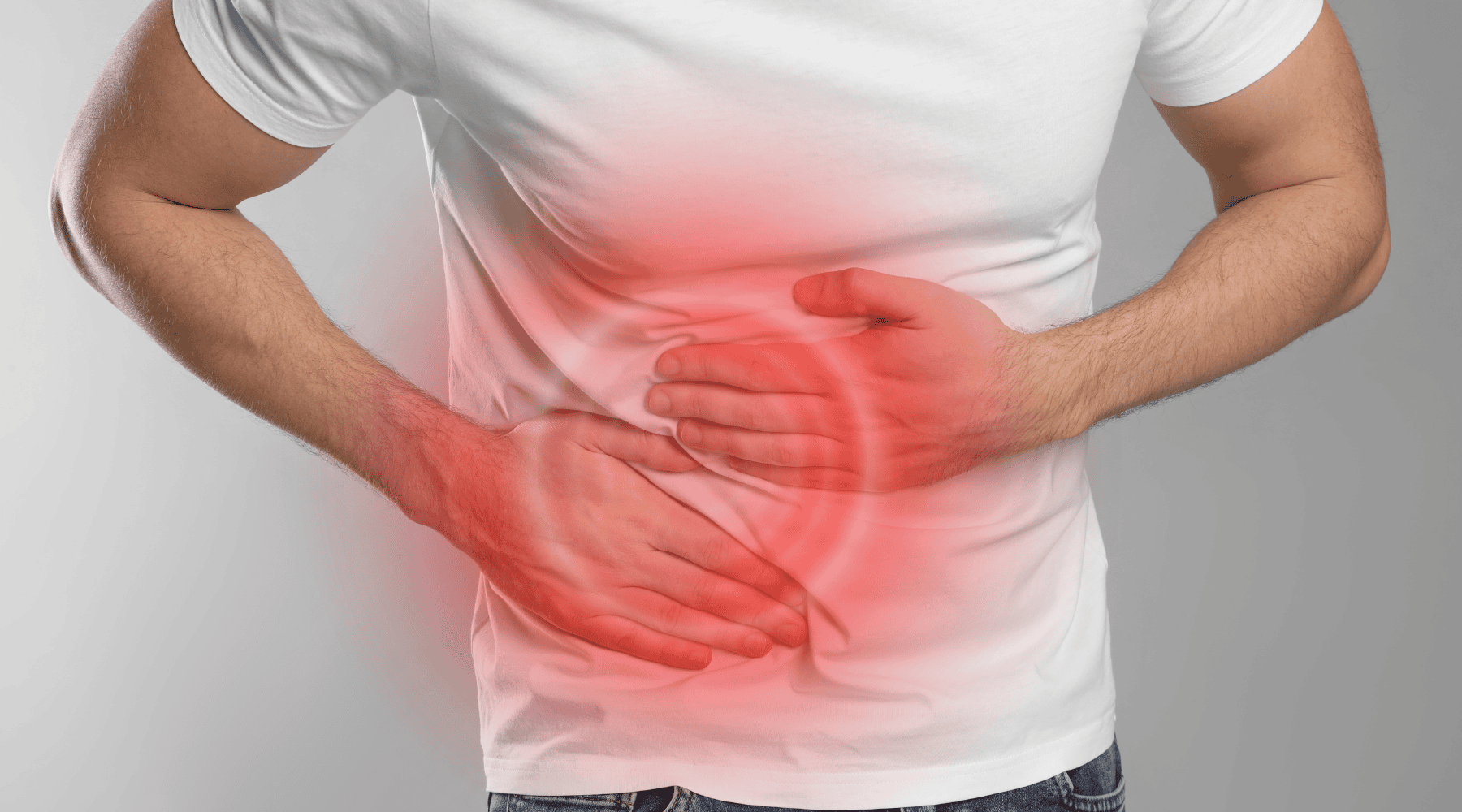
4. Pain or discomfort
Small painful lumps in abdomen stem from inflammation, infection, or hernias. Painless lumps, though less concerning, still warrant observation, especially if they grow or change in consistency.
5. Visibility and movement
A visible bulge that becomes more noticeable when standing, coughing, or straining often suggests a hernia. Lumps that move easily under the skin usually come from fatty tissue, while deeper lumps connected to organs tend to stay fixed.
Abdominal lump symptoms
Not all lumps cause pain or discomfort. Some quietly exist for months before you even notice them. However, your body often gives subtle signs that something’s off. Even mild symptoms of an abdominal lump should not be ignored.
| Symptom Category | Description | What it may indicate |
|---|---|---|
| Visible or palpable swelling | Noticeable bump or bulge in the abdomen, more visible when standing or straining. | Common in hernias, cysts, or fatty deposits. |
| Pain or tenderness | Pain when touching, coughing, or lifting heavy objects. | Inflammation, infection, or trapped tissue inside a hernia. |
| Feeling of fullness or pressure | Sensation of tightness, bloating, or early fullness after eating small meals. | A lump pressing on the digestive organs or the abdominal wall. |
| Skin changes | Redness, bruising, or warmth over the lump area. | Local infection, irritation, or inflammation. |
| Changes in bowel or urinary habits | Changes in bowel or urinary habits | Pressure from a lump on the intestines or urinary tract. |
| Systemic symptoms | Fatigue, fever, or unexplained weight loss. | Possible infection or, rarely, signs of an abdominal cancer. |
Common causes of an abdominal lump
Most abdominal lumps come from everyday issues like tissue strain, fatty growths, or minor bleeding under the skin. Here are the top causes explained simply:
1. Hernias
When an organ or tissue pushes through a weak muscle spot, a hernia appears as a soft bulge, often near the belly button or groin. It may get bigger when you stand, cough, or lift things.
A lump in lower right abdomen is linked to hernias or intestinal issues, while in some women, a lump in lower right abdomen females can be linked to ovarian cysts or hernias near the groin. A lump in lower right abdomen male may point to an inguinal hernia.

2. Lipomas and cysts
- •Lipoma:A lipoma is a small, soft, fatty lump under your skin that moves when pressed - totally harmless in most cases.
- •Cyst:A cyst is a fluid-filled sac that can pop up due to infection or blocked glands. A lump in lower left abdomen usually comes from muscle strain, fatty deposits, or small cysts.
A lump on right side of abdomen can sometimes develop from liver-related swelling, muscle strain, or fatty tissue buildup, and it usually feels soft or mildly tender to the touch.
A lump on right side of abdomen can sometimes develop from liver-related swelling, muscle strain, or fatty tissue buildup, and it usually feels soft or mildly tender to the touch.
3. Hematoma
A hematoma forms when blood pools under the skin after a hit, fall, or surgery. It can look like a firm bruise and may feel warm or tender. Most fade in a few weeks, but larger ones might need medical attention.
When an abdominal lump could be cancerous
Reading the word “cancer” over something as small as an abdominal lump can trigger mixed feelings. You should know that most lumps are harmless, but in some cases, they can turn into something serious.
Cancer lump on abdomen
Doctors frequently find abdominal-wall masses incidentally on scans because many show up without symptoms. So, in case you have these symptoms, get the lump checked:
- •Feel and shape:A cancer lump on abdomen feels firm, fixed, and doesn’t move under the skin like a lipoma would. It gradually grows larger.
- •Leads to:Dull pain, pressing on nearby organs, bloating, nausea, or changes in appetite
In rare cases, these lumps may come from cancers of internal organs such as the liver, stomach, or colon that spread to the abdominal wall or surface.
In rare cases, these lumps may come from cancers of internal organs such as the liver, stomach, or colon that spread to the abdominal wall or surface.
- •Cure:Unlike benign lumps, cancerous ones typically don’t shrink on their own and may be accompanied by symptoms like fatigue or unexplained weight loss. That’s when you visit a doctor and get it removed
Other warning signs
A lump that meets any of the following criteria should be evaluated urgently:
- •Grows rapidly or changes shape
- •Feels hard or irregular to touch
- •Causes persistent pain or pressure
- •Comes with fever, night sweats, or weight loss
- •Is associated with digestive or urinary changes
While not every hard lump is dangerous, any persistent or unusual swelling in the abdomen should be checked. Detecting a cancer lump on abdomen early greatly improves treatment success and outcomes.

Abdominal lump differential diagnosis
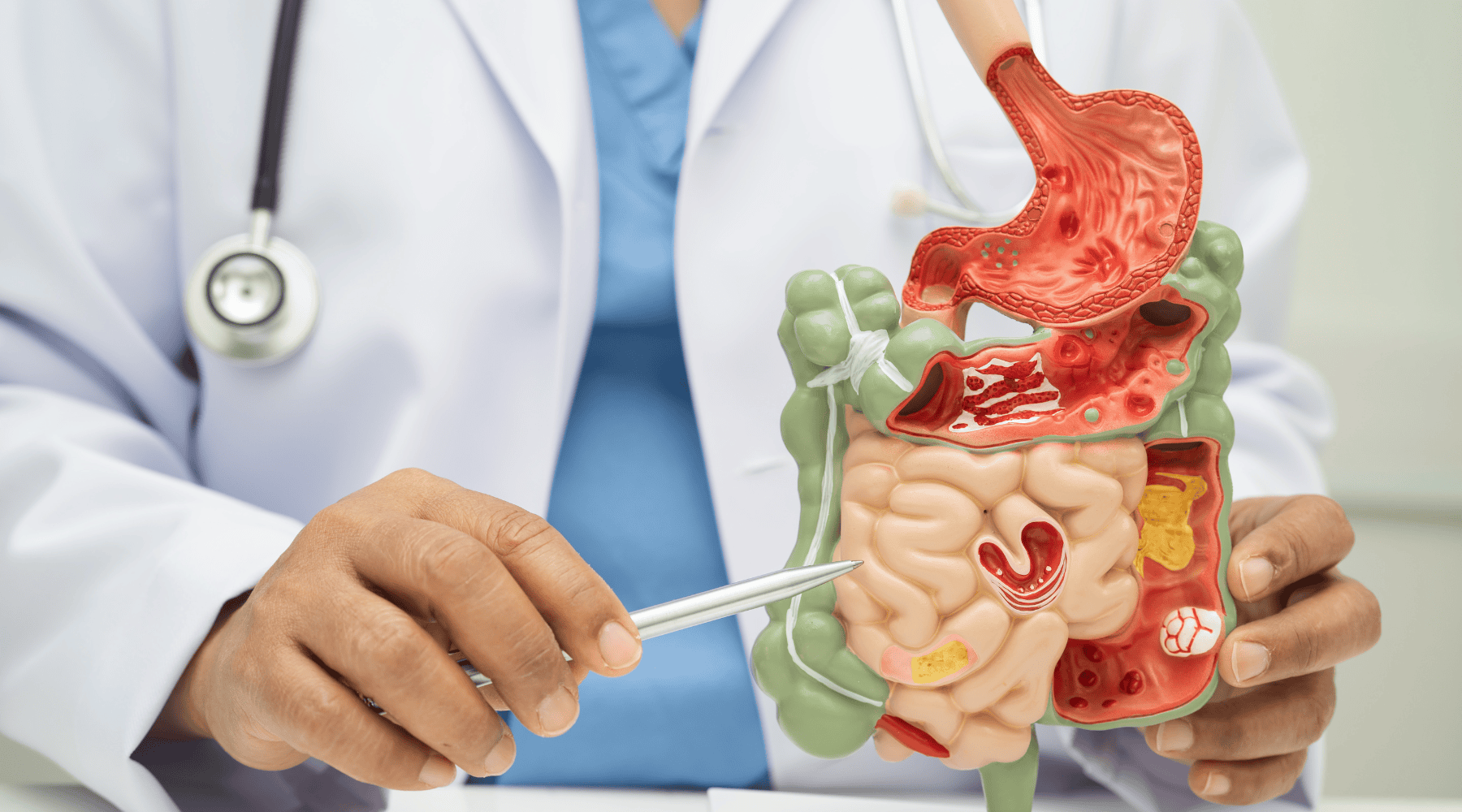
During the physical exam, doctors feel for the lump and observe how the mass behaves when you tense your abdominal wall, stand up, or cough. This is done before any imaging or lab tests.
1, Physical exams
Before diving into lab tests, doctors need to make sure that the lump is serious.
Inspection
- •Doctors begin with a visual check of your abdomen.
- •They note its shape, any bulges or swelling, skin changes, and how the abdominal wall moves as you breathe.
- •Subtle differences here often hint at what’s happening inside, whether the lump is near the surface or deeper.
Auscultation
- •Next, they use a stethoscope to listen to bowel and blood flow sounds.
- •Normal digestion creates soft gurgles, but these may change or disappear if something’s wrong.
- •A scraping “rub” can mean an irritated organ surface, while a “bruit” may suggest narrowed or hardened arteries.
Palpation
- •Finally, doctors gently press different parts of your abdomen to detect tenderness, firmness, or hidden masses.
- •Feeling the liver and kidneys can be normal, but any other lump is considered unusual and needs investigation.
Once the physical exam gives doctors an idea of what might be happening, the next step is confirming it through imaging and lab tests.
2. Imaging and lab tests
These help pinpoint the exact cause and location of the lump in abdomen area. Imaging studies classify a lump into one of three types: fat-filled (like a lipoma), fluid-filled (such as a cyst or hematoma), or solid (which may include growths that require more investigation).
Remember, these tests are only done if the physical exam cannot rule out the seriousness of the lump:
| Test | Purpose | Findings |
|---|---|---|
| Ultrasound | Quick, first-line imaging using sound waves. | Tells if the lump is solid, fluid-filled, or hernia-related. |
| CT scan | Detailed cross-sectional imaging. | Shows size, depth, and nearby organ pressure or bleeding. |
| MRI | High-contrast imaging without radiation. | Distinguishes between benign vs. malignant tissue. |
| X-ray | Basic screening test | Detects blockages or calcified masses. |
| Blood tests | Check infection and organ health. | Reveal inflammation or abnormal liver/kidney function. |
| Tumour markers/biopsy | Confirm or rule out cancer. | Identify if the lump is benign or malignant. |
Treatment options for abdominal lumps
Abdominal lump treatment depends on what’s causing the lump, and most causes are simple and easily managed.

- •Observation:Small, painless lumps like lipomas or pseudocysts just need monitoring. If they don’t grow or cause trouble, no treatment is needed.
- •Medication:Infections or inflammation are treated with antibiotics or anti-inflammatory drugs. Sometimes, pain relief or warm compresses help reduce swelling.
- •Drainage or minor surgery:Cysts or hematomas that grow or get infected may be drained. Lipomas can be removed through a quick outpatient procedure if they’re large or uncomfortable.
- •Hernia repair:Hernias need surgery to close the muscle gap and prevent recurrence. It’s a common and low-risk procedure with a quick recovery.
- •Cancer treatment:If a malignant abdominal lump is found, cancer treatment may involve surgery, chemotherapy or radiation. The approach depends on the lump’s type and stage
Takeaway: Living well after discovering a lump in the abdomen
Most abdominal lumps aren’t a big deal, really. They’re often just tiny cysts, fatty bumps, or mild hernias that can be fixed easily.
Even if it turns out to be something tougher, take a breath - you’ve got help. Your oncologist, experienced care team , and family are there to walk with you. Lean on them, ask questions, and take things one step at a time.
FAQs about abdominal lump
A hard lump in abdomen can come from things like a hernia, a cyst, or built-up scar tissue under the skin. Sometimes it’s just muscle tension or swelling.
Related Blogs


Symptoms5 min read
Recognising the Signs of Cancer in the body that often go unnoticed
Dr. Vrundali Kannoth